

How to Induce Vomiting in Dogs: Vet-Approved Methods
Every dog parent dreads that moment when you catch your furry friend munching on something they absolutely shouldn’t have. Whether it’s a box of chocolates left on the coffee table, a bottle of medication, or something equally concerning, knowing how to get a dog to throw up could be the difference between a minor scare and a serious veterinary emergency. But here’s the thing—inducing vomiting isn’t always the right call, and doing it wrong can actually make things worse.
This comprehensive guide breaks down everything you need to know about safely inducing vomiting in dogs, when it’s appropriate, and when you should absolutely skip this step and head straight to your vet. We’ll walk through vet-approved methods, explore what situations warrant emergency action, and help you understand why timing and proper technique matter so much when dealing with potential poisonings or ingested toxins.
Let’s be clear from the start: always consult with your veterinarian or an animal poison control center before attempting to induce vomiting. What works in one situation could be harmful in another, so professional guidance isn’t just recommended—it’s essential for your dog’s safety.
When Should You Induce Vomiting in Dogs?
Knowing the right time to induce vomiting can literally save your dog’s life. The general rule is that vomiting should only be induced within 2-4 hours of ingestion for maximum effectiveness. After that window closes, the toxin has likely already moved into your dog’s intestines, making vomiting less useful.
Common scenarios where vomiting induction might be appropriate include:
- Chocolate ingestion—what to do if your dog eats chocolate often starts with vomiting induction, especially with darker varieties containing higher theobromine levels
- Medication overdose—accidental ingestion of human medications or incorrect dosing of pet medications
- Certain plant toxins—lilies, sago palm, and other household plants that are poisonous to dogs
- Xylitol ingestion—this artificial sweetener is extremely toxic to dogs and requires immediate action
- Grapes and raisins—known to cause kidney failure in dogs
- Macadamia nuts—can cause neurological symptoms and weakness
The key is acting quickly. Time is genuinely of the essence when you suspect your dog has ingested something toxic. Contact your veterinarian or the ASPCA Animal Poison Control Center immediately—they’re available 24/7 and can guide you through the next steps based on what your dog ate.
When NOT to Induce Vomiting
This is critically important: there are many situations where inducing vomiting can cause more harm than good. Never attempt vomiting induction without veterinary guidance if:
- Your dog ingested something sharp or caustic—inducing vomiting with items like glass, bones, or chemical corrosives can cause severe internal injuries as they come back up
- Your dog is unconscious or seizing—they could aspirate vomit into their lungs, causing pneumonia
- Your dog has a history of bloat or gastric issues—the stress on their digestive system could be dangerous
- Your dog is showing signs of shock—rapid heart rate, weakness, pale gums, or unresponsiveness indicate they need emergency care, not home treatment
- More than 4 hours have passed—the substance has likely already moved beyond the stomach
- Your dog has recently eaten a large meal—this can complicate the induction process
Additionally, certain substances shouldn’t be brought back up. Petroleum products, strong acids, or alkalis can cause severe damage to the esophagus and mouth. Your vet will know which situations fall into this category and will advise accordingly.
Hydrogen Peroxide: The Most Common Method
Hydrogen peroxide is the go-to choice for inducing vomiting, and it’s the method most veterinarians recommend for home use when appropriate. The 3% food-grade or pharmaceutical-grade hydrogen peroxide works by irritating the stomach lining, triggering the vomiting reflex.
The Correct Dosage:
The standard dose is 1 teaspoon (5ml) per 10 pounds of body weight, given orally. For a 30-pound dog, that would be 3 teaspoons. For a 50-pound dog, approximately 2.5 tablespoons. It’s crucial to use the correct concentration—only 3% hydrogen peroxide should be used. Higher concentrations can cause serious internal damage.
Important note: Always check the label to confirm you’re using 3% hydrogen peroxide. Never use industrial-strength or beauty supply versions, as these concentrations are dangerous for dogs. Your veterinarian can confirm the exact dose for your dog’s weight and health status.
How to Administer:
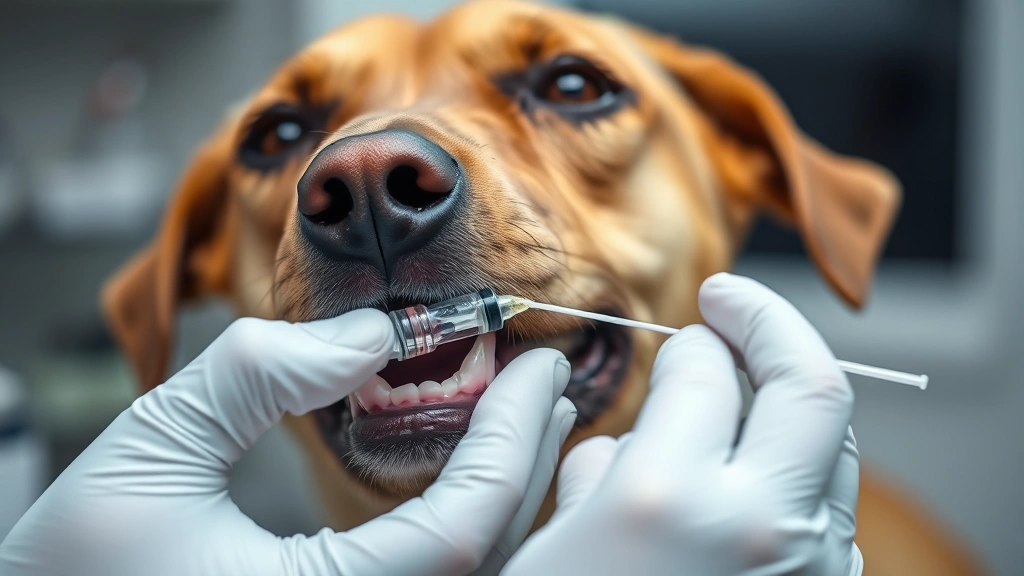
The hydrogen peroxide should be given on an empty stomach for best results. Using a syringe without the needle (ask your vet for one), squirt the solution gently into your dog’s mouth toward the back of the throat. Some people mix it with a small amount of vanilla ice cream or honey to make it more palatable, though this can sometimes slow the effect.
After administration, encourage your dog to move around gently. Most dogs will vomit within 5-30 minutes. If vomiting doesn’t occur within 15 minutes, your vet may recommend a second dose, but this should only happen under professional guidance.
What to Expect:
When it works, you should see your dog vomiting within a reasonable timeframe. Ideally, the ingested substance will be visible in the vomit. Some dogs may seem uncomfortable or restless beforehand, which is normal. Have towels ready and keep your dog away from carpeted areas if possible.

Other Vet-Approved Techniques
While hydrogen peroxide is the most common home remedy, veterinarians have other tools in their arsenal for inducing vomiting when necessary.
Apomorphine:
This injectable medication is administered by veterinarians and is highly effective at inducing vomiting. It works on the vomiting center in the brain and typically causes vomiting within minutes. The advantage is precision dosing and professional administration, making it safer in clinical settings. This is often the preferred method at veterinary clinics because it’s more reliable and can be reversed if needed.
Ipecac Syrup:
Once commonly recommended, ipecac syrup is now largely outdated in veterinary medicine. The American Veterinary Medical Association and most modern vets no longer recommend it due to inconsistent results and potential side effects. If someone suggests this method, it’s worth asking your vet for their current recommendation.
Activated Charcoal:
While not technically an inducer of vomiting, activated charcoal is often used after vomiting occurs or instead of it. This substance binds to toxins in the stomach, preventing absorption. Your vet might recommend this alongside or instead of vomiting induction, depending on what was ingested.
Step-by-Step Guide to Safe Induction
If your veterinarian has approved hydrogen peroxide induction, follow these steps carefully:
- Call your vet or poison control first—confirm that vomiting induction is appropriate for what your dog ingested
- Gather your supplies—3% hydrogen peroxide, a syringe or turkey baster (without the needle), a timer, and towels
- Measure the correct dose—use 1 teaspoon per 10 pounds of body weight; if you’re unsure, ask your vet to confirm the exact amount for your dog
- Prepare your dog—have them sit calmly; avoid stressing them out as this can affect the process
- Administer the hydrogen peroxide—gently squirt it into the back of their mouth using the syringe, being careful not to aspirate it into their lungs
- Encourage movement—take your dog for a gentle walk or let them move around naturally; this helps stimulate vomiting
- Wait and monitor—most dogs vomit within 5-30 minutes; watch for signs of vomiting
- Observe the vomit—if possible, check to see if the ingested item is present; take a photo if you can to show your vet
- Contact your vet immediately if vomiting doesn’t occur or if your dog shows signs of distress—excessive drooling, difficulty breathing, or collapse warrant emergency care
- Follow up with your veterinarian—even after successful vomiting, your dog may need additional treatment or monitoring
What to Do After Your Dog Vomits
The process doesn’t end once your dog has vomited. Proper aftercare is essential to ensure they recover well and receive any necessary additional treatment.
Immediate Aftercare:
After vomiting, most dogs will feel nauseous and won’t want to eat. Don’t offer food for at least 4-6 hours. Provide small amounts of water to help prevent dehydration, though some vets recommend waiting an hour before offering even water. Your veterinarian will give you specific instructions based on your dog’s situation.
Monitor for Complications:
Watch for signs of ongoing distress like continued vomiting, abdominal pain, difficulty breathing, or lethargy. These could indicate complications or that the ingested substance caused internal damage. Contact your vet immediately if you notice any concerning symptoms.
Follow Veterinary Recommendations:
Your vet may recommend activated charcoal to bind any remaining toxins, or they might suggest bringing your dog in for observation and bloodwork. Some toxins require specific antidotes or monitoring, so professional guidance is crucial. Don’t skip follow-up appointments even if your dog seems fine—some toxins cause delayed effects.
Gradual Return to Normal:
Once your vet gives the all-clear, introduce food gradually. Start with bland options like plain chicken and rice, then slowly transition back to their regular diet over several days. This helps prevent additional stomach upset.
Preventing Accidental Ingestion
The best medicine is prevention. Here are practical ways to keep your dog safe from toxic ingestion:
- Secure medications—store all human and pet medications in high cabinets or locked containers; a curious dog can easily access nightstands
- Chocolate awareness—keep all chocolate products, especially dark chocolate and baking chocolate, completely out of reach; remember that chocolate toxicity depends on type and amount
- Know common household toxins—xylitol-containing products like sugar-free gum, certain peanut butters, and diet foods are extremely dangerous; grapes, raisins, onions, and garlic should never be accessible
- Secure trash cans—use dog-proof containers or keep trash in a closed garage or cabinet
- Garden safety—identify toxic plants in your yard and remove them or fence them off; lilies, sago palms, and oleander are common culprits
- Guest awareness—remind visitors not to feed your dog human food or leave medications on tables
- Supervise outdoor time—watch your dog during walks; they might eat things off the ground
- Training—teach your dog “leave it” and “drop it” commands; these can prevent ingestion in many situations
Consider keeping the ASPCA Animal Poison Control Center number (888-426-4435) programmed into your phone. This resource is invaluable if your dog ingests something questionable, and they can advise whether vomiting induction is appropriate.
Frequently Asked Questions
How quickly does hydrogen peroxide work to induce vomiting?
Most dogs vomit within 5-30 minutes of receiving hydrogen peroxide, though some may take up to 45 minutes. If vomiting hasn’t occurred within 15 minutes, contact your vet before administering a second dose. The timeframe can vary based on your dog’s individual metabolism, stomach contents, and overall health.
Can I use any concentration of hydrogen peroxide?
Absolutely not. Only 3% food-grade or pharmaceutical-grade hydrogen peroxide should be used. Higher concentrations used in industrial or beauty applications can cause severe internal damage, including gas embolism (dangerous gas bubbles in blood vessels). Always double-check the label before using.
What if my dog doesn’t vomit after the hydrogen peroxide?
Contact your veterinarian immediately. They may recommend a second dose, or they might advise bringing your dog in for professional induction using apomorphine or other methods. Don’t attempt additional home treatments without veterinary guidance.
Is it safe to induce vomiting in senior dogs?
This depends on your senior dog’s overall health. Some older dogs have underlying conditions that make vomiting induction risky. Your vet needs to evaluate your specific dog’s health status before recommending this approach. Never attempt it without professional clearance.
Can I use salt water or other home remedies to induce vomiting?
No. Salt water can cause dangerous electrolyte imbalances and hypernatremia (salt poisoning). Other folk remedies like mustard or dish soap are ineffective and potentially harmful. Stick with vet-approved methods only.
Should I always induce vomiting if my dog eats something toxic?
No. As discussed earlier, certain substances shouldn’t be brought back up, and vomiting isn’t appropriate if more than 4 hours have passed or if your dog shows signs of distress. Your vet will determine if it’s the right approach for your situation.
What’s the difference between vomiting induction and activated charcoal treatment?
Vomiting removes the substance from the stomach entirely, while activated charcoal binds to toxins and prevents their absorption. Sometimes vets recommend both, sometimes just one. The choice depends on what was ingested and how much time has passed.
How do I know if my dog needs emergency veterinary care instead of home induction?
Seek emergency care if your dog is unconscious, seizing, having difficulty breathing, showing signs of shock, or if the ingested substance is caustic or sharp. Also go to the ER if vomiting induction fails or if you’re unsure what was ingested. When in doubt, professional evaluation is always safer.
Can I prevent my dog from eating toxic substances through training?
Training can help significantly. Commands like “leave it” and “drop it” can prevent ingestion in many situations, especially on walks. However, no training is foolproof, so environmental management (keeping toxins secured) is equally important. Combine both approaches for maximum safety.
What should I do if my dog ingests something and I’m not sure if it’s toxic?
Contact your veterinarian or the ASPCA Animal Poison Control Center right away. They can quickly tell you whether the substance is toxic and whether vomiting induction is appropriate. It’s better to call and get peace of mind than to wait and worry.





