
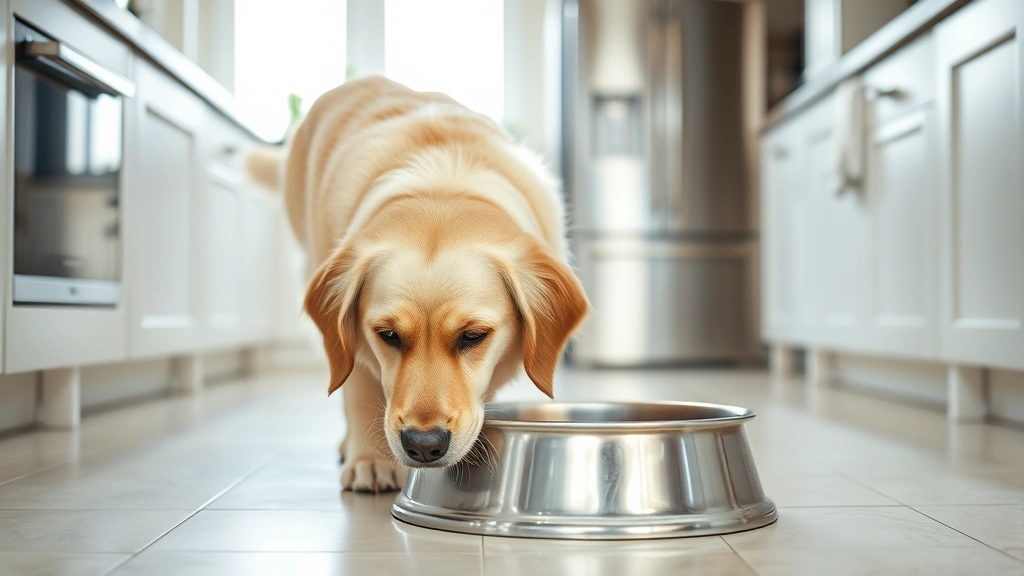
How to Get Your Dog to Drink More Water: Tips & Tricks
Is your furry best friend turning their nose up at their water bowl? You’re not alone! Many dog owners struggle with getting their pups to stay properly hydrated. While it might seem like a minor issue, dehydration in dogs can lead to serious health complications, from kidney problems to urinary tract infections. The good news? There are plenty of creative, effective strategies to encourage your dog to drink more water and maintain optimal hydration levels.
Water is absolutely essential for your dog’s health. It helps regulate body temperature, aids digestion, supports kidney function, and keeps their joints lubricated. Yet some dogs seem determined to ignore their water bowls entirely! Whether your pup is a senior dog, a picky eater, or simply prefers other activities to hydration, we’ve got you covered with practical solutions that actually work.
In this comprehensive guide, we’ll explore everything from understanding why your dog might not be drinking enough to innovative tricks that’ll have them lapping up water like it’s going out of style. Let’s dive in!
Why Hydration Matters for Dogs
Your dog’s body is approximately 60% water, which means staying hydrated isn’t just important—it’s critical for survival. Water plays countless roles in maintaining your dog’s health and wellness. It helps transport nutrients throughout their body, removes waste through urination, regulates body temperature through panting and sweating through their paws, and keeps their organs functioning properly.
The amount of water your dog needs depends on several factors, including their size, age, activity level, and diet. Generally, dogs should drink about one ounce of water per pound of body weight daily. So a 50-pound dog should ideally consume around 50 ounces (roughly 6-7 cups) of water per day. However, this can vary significantly based on individual circumstances.
If you’re concerned about whether your dog is drinking too much, you might want to explore why your dog might be drinking so much water, as excessive thirst can indicate underlying health issues. On the flip side, understanding how long a dog can go without water really puts into perspective just how vital consistent hydration is for your furry friend.
Signs Your Dog Might Be Dehydrated
Recognizing the early signs of dehydration can help you intervene before it becomes a serious problem. One of the easiest ways to check if your dog is dehydrated is the skin turgor test. Gently pull up the skin on the back of your dog’s neck. In a well-hydrated dog, the skin should snap back into place immediately. If it takes a few seconds to return to normal, your pup might be dehydrated.
Other warning signs include:
- Dry mouth and gums: Check inside your dog’s mouth—the gums should be moist and pink, not sticky or dry
- Lethargy: A dehydrated dog often appears sluggish and lacks their usual energy and enthusiasm
- Sunken eyes: Dehydration can cause the eyes to appear slightly recessed in their sockets
- Loss of appetite: Dogs who aren’t drinking enough often refuse food as well
- Dark urine: Concentrated urine appears darker yellow or amber-colored rather than pale yellow
- Panting excessively: Without adequate hydration, dogs may pant more to try to cool themselves
- Reduced skin elasticity: Beyond the skin turgor test, overall skin may appear less supple
If you notice any of these signs, it’s time to take action. However, persistent dehydration combined with other symptoms warrants a veterinary visit, as it could indicate a more serious underlying condition.
Water Bowl Strategies That Work
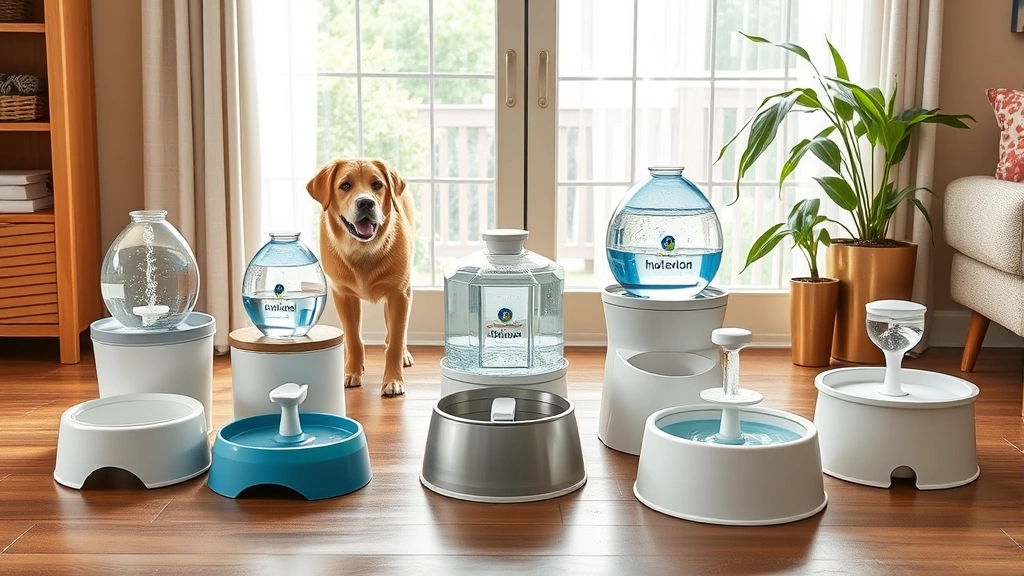
Sometimes the solution is simpler than you think! The type of water bowl you’re using can have a surprisingly big impact on your dog’s drinking habits. Many dogs have preferences about their water bowls, and addressing these preferences is often the first step in increasing water intake.
Bowl Material Matters: Some dogs are sensitive to the material of their bowls. Metal bowls are generally the best choice—they’re durable, easy to clean, and don’t retain odors or flavors. Plastic bowls can sometimes impart a taste that dogs find off-putting, and they’re also more prone to harboring bacteria. Ceramic bowls are another excellent option, though they can chip or break if dropped.
Bowl Size and Shape: The size and shape of your dog’s water bowl can influence how much they drink. Some dogs prefer wider, shallower bowls because they don’t want their whiskers touching the sides (a phenomenon called “whisker fatigue”). Others do better with deeper bowls. Experiment to see what your dog prefers!
Multiple Water Stations: Placement is everything! Dogs are more likely to drink if water is conveniently located. Instead of just having one bowl in the kitchen, place water bowls in multiple rooms throughout your home. Many dogs will drink more simply because water is readily available nearby. This is especially helpful for older dogs or those with mobility issues.
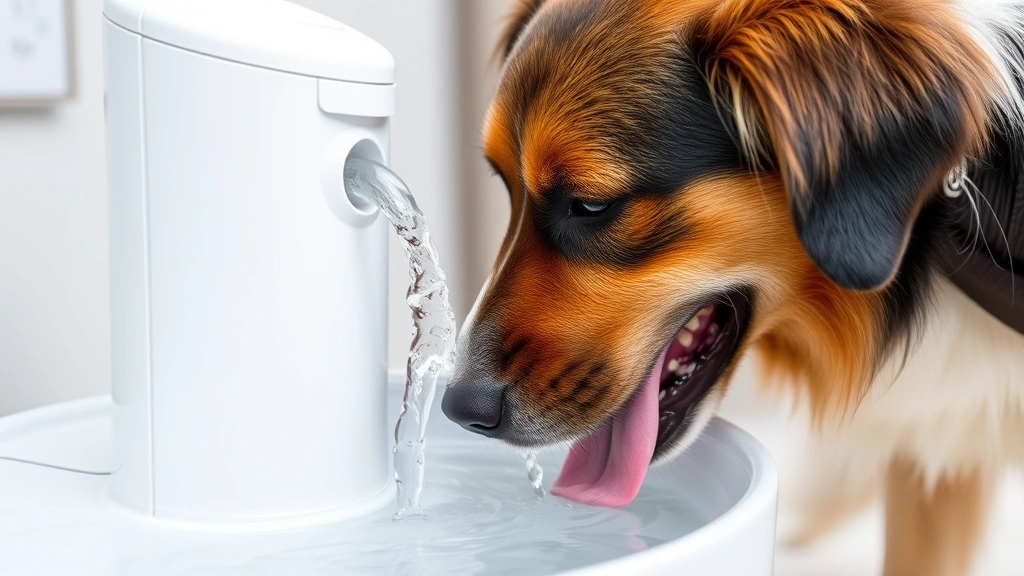
Keep Water Fresh and Cool: Dogs prefer fresh, cool water. Change your dog’s water at least twice daily, and more often if needed. Some dogs are particularly attracted to running water, so if you’re exploring alternative beverages, remember that fresh water should always be the primary option. Consider investing in a dog water fountain—the flowing water is appealing to many dogs and encourages them to drink more frequently.
Fountain Features: A quality dog water fountain offers several advantages. The circulating water stays cooler and fresher than standing water, it aerates the water (making it more appealing), and many dogs simply find the novelty exciting. Fountains can increase water consumption by up to 50% in some dogs!
Flavoring Techniques & Additives
If your dog just won’t drink plain water, it might be time to get creative with flavoring. However, it’s important to use only dog-safe options and to introduce new flavors gradually.
Bone Broth: One of the most popular water flavorings for dogs is bone broth. This savory liquid is packed with collagen, gelatin, and amino acids that provide additional nutritional benefits. You can make your own bone broth at home by simmering bones for 12-24 hours, or purchase commercially-available dog-safe versions. Simply add a small amount to your dog’s water bowl. Most dogs find this incredibly appealing!
Low-Sodium Chicken or Beef Broth: Similar to bone broth, regular broth can make water more enticing. Just ensure you’re using low-sodium varieties without any onions, garlic, or other harmful ingredients. A splash in the water bowl can make a big difference in your dog’s hydration levels.
Apple or Carrot Water: For a lighter flavoring option, try creating vegetable-infused water. Simmer a few apple slices or carrot pieces in water for 10-15 minutes, then let it cool completely before offering it to your dog. Remove any solid pieces to prevent choking hazards. Your dog gets the benefit of subtle flavoring plus some nutrients!
Dog-Safe Electrolyte Solutions: Sometimes dogs need more than just water, especially after exercise or during hot weather. There are commercial electrolyte solutions designed specifically for dogs that can be added to water. These are particularly useful during recovery from illness or after intense activity. However, always check with your veterinarian before introducing electrolyte supplements.
What NOT to Add: While exploring options for encouraging hydration, avoid anything containing xylitol, artificial sweeteners, excessive salt, or caffeine. Also steer clear of flavored waters marketed for humans, as they often contain ingredients that aren’t safe for dogs. If you’re wondering about whether dogs can have sports drinks like Gatorade, the answer is generally no—stick with dog-appropriate options instead.
Food-Based Hydration Solutions
One of the most effective ways to increase your dog’s water intake is through their food. Since many dogs get a significant portion of their daily water intake from their food, strategic dietary choices can make a real difference.
Wet Food and Canned Options: Switching from dry kibble to wet or canned food can dramatically increase your dog’s water consumption. Wet food contains 75-80% moisture compared to only 10-12% in dry kibble. If your dog isn’t drinking enough water, incorporating wet food into their diet is an excellent solution. You can feed exclusively wet food, or mix it with their regular kibble for a balanced approach.
Homemade Food Options: Many dog owners prepare homemade meals for their pets. If you do this, incorporating moisture-rich ingredients like pumpkin, sweet potato, and leafy greens can boost hydration. Always ensure homemade diets are balanced and meet your dog’s nutritional needs—consult with a veterinary nutritionist if needed.
Hydrating Treats: Instead of dry treats, offer water-rich options like watermelon (seedless), cucumber, or specially-made frozen treats with added water or broth. These serve double duty as both treats and hydration sources. Your dog will love the novelty, and you’ll feel good knowing you’re boosting their water intake.
Pumpkin and Other Vegetables: Plain pumpkin puree (not pie filling) can be mixed into your dog’s food to increase moisture content. It’s also great for digestive health! Other options include zucchini, green beans, and sweet potato. These additions increase the water content of meals while providing valuable nutrients.
When considering dietary changes, it’s worth reviewing how much food you should be feeding your dog, as switching food types may affect portion sizes. Also, if you’re exploring alternative beverages, options like coconut water might seem appealing, but always prioritize plain water as the main hydration source.
Environmental Factors Affecting Water Intake
Your dog’s environment plays a bigger role in their hydration habits than you might realize. Several factors can either encourage or discourage water consumption.
Temperature and Season: Dogs naturally drink more water during hot weather and in summer months. During winter or in cooler climates, they might drink less. Be proactive about encouraging hydration year-round, not just during warm seasons. Keep water bowls fresh and accessible regardless of the season.
Activity Level: Active dogs need more water than couch potatoes. If your dog gets lots of exercise, playtime, or spends time outdoors, they’ll need more frequent opportunities to drink. Always provide water before, during (for long activities), and after exercise.
Stress and Anxiety: Dogs experiencing stress or anxiety may drink less water. Changes in their environment, new pets or people in the home, or separation anxiety can all affect hydration. Creating a calm, comfortable environment helps encourage normal drinking habits.
Social Factors: Believe it or not, some dogs are more likely to drink if they see other dogs or pets drinking! Multi-pet households sometimes benefit from having water bowls in common areas where dogs can see each other drinking. It’s like peer pressure, but for hydration!
Time of Day: Dogs often have preferred times for drinking. Many dogs drink more in the morning and evening. Understanding your dog’s natural rhythm can help you time reminders to drink or adjust your schedule to ensure water is available when they’re most likely to drink.
Troubleshooting Common Issues
The Picky Drinker: Some dogs are simply more selective about their water intake. These are often the same dogs who are picky eaters! For these dogs, multiple strategies combined usually work best. Try different bowl types, use a fountain, add subtle flavoring, and ensure water is always readily available. Patience and experimentation are key.
Senior Dogs: Older dogs sometimes drink less due to cognitive changes, mobility issues, or decreased sensation of thirst. For senior dogs, place multiple water bowls on each level of your home to minimize walking distance. Consider raising the bowl slightly to reduce strain on their neck and joints. Warm water can be more appealing to some older dogs than cold water.
Dogs with Dental Issues: Dogs experiencing dental pain or missing teeth might avoid drinking from certain bowl types. Try using a fountain with a softer flow, or offer water from your hand or in a shallow dish. If your dog has significant dental issues, consult your veterinarian about appropriate foods and hydration methods.
Post-Surgery or Illness Recovery: Dogs recovering from surgery or illness may need extra encouragement to drink. Warm broth, frequent small water offerings, and close monitoring are essential. Your veterinarian can provide specific guidance for your dog’s situation.
Behavioral Resistance: Some dogs develop an aversion to drinking from their regular bowl due to negative associations. If this happens, try switching bowls, locations, or water sources entirely. A completely fresh start can sometimes reset their drinking habits.
When to Call the Vet: If your dog suddenly decreases their water intake significantly, or if they’re not responding to your efforts to encourage hydration, it’s time for a veterinary visit. Sudden changes in drinking habits can indicate underlying health issues like diabetes, kidney disease, or urinary tract infections. Your vet can rule out medical causes and provide targeted advice.
Frequently Asked Questions
How much water should my dog drink daily?
Most healthy dogs should drink approximately one ounce of water per pound of body weight daily. However, this can vary based on activity level, diet, health status, and climate. Puppies and senior dogs may have different requirements. If you’re unsure about your specific dog’s needs, consult your veterinarian.
Can I give my dog flavored water instead of plain water?
While occasional flavored water (made with dog-safe ingredients like broth) can encourage drinking, plain water should always be the primary option. Flavored water can be a helpful tool when your dog isn’t drinking enough, but it shouldn’t replace plain water as their main hydration source.
Is my dog drinking too much or too little?
This depends on individual factors. However, if your dog suddenly changes their drinking habits significantly, it warrants attention. A sudden increase or decrease in water intake can indicate health issues. Use the skin turgor test and observe for other signs of dehydration or overhydration.
Do dogs need electrolytes in their water?
For most healthy dogs, plain water is sufficient. However, dogs recovering from illness, experiencing diarrhea, or engaging in intense exercise might benefit from electrolyte solutions designed for dogs. Always consult your veterinarian before adding electrolytes to your dog’s water.
Should I use filtered water for my dog?
Filtered water is generally safe and can be beneficial, especially if your tap water is heavily chlorinated or contains other contaminants. However, it’s not absolutely necessary for most dogs. If you’re already using filtered water for yourself, it’s perfectly fine to offer it to your dog as well.
Why is my dog not interested in water?
Lack of interest in water can stem from several causes: the water bowl itself, the water temperature, the location of the bowl, stress, illness, or medical conditions. Try implementing the strategies discussed in this article, and if the problem persists, consult your veterinarian to rule out health issues.
Can wet food replace water intake?
Wet food can contribute significantly to your dog’s overall water intake, but it shouldn’t be the only source of hydration. Even with wet food, dogs still need access to fresh drinking water. A combination of wet food and regular water intake is ideal for optimal hydration.
Are water fountains worth the investment?
For many dogs, yes! Water fountains encourage drinking through the appeal of moving water and keep water fresher and cooler than standing bowls. They’re particularly beneficial for dogs who don’t drink enough from regular bowls. Most dog owners find them worthwhile, though they do require regular cleaning and maintenance.





