

How to Safely Introduce Dogs to Telescopic Arms: A Complete Guide
If you’re a dog owner who uses a telescopic arm—whether it’s a grabber tool, an extended reach device, or any similar apparatus—you might wonder how your furry friend will react to this unusual contraption. The good news? With proper introduction and training, most dogs can become completely comfortable around telescopic arms. Whether you’re using one for mobility assistance, reaching items on high shelves, or professional purposes, helping your pup adjust is easier than you think.
Many dog owners are surprised to learn that their canine companions can develop anxiety or curiosity around unfamiliar objects, especially ones that move unpredictably. Telescopic arms, with their extending and retracting mechanisms, can initially seem strange or even intimidating to your four-legged friend. But don’t worry—this comprehensive guide will walk you through every step of the process, ensuring both you and your dog feel confident and safe.
The key to success lies in patience, positive reinforcement, and understanding your dog’s natural instincts. By following these proven techniques, you’ll transform any hesitation into calm acceptance in no time.
Understanding Your Dog’s Initial Reaction
Before you bring that telescopic arm anywhere near your dog, it’s essential to understand why they might react with caution or fear. Dogs rely heavily on their senses to interpret the world around them. An unfamiliar object that extends and retracts can trigger their prey drive, startle response, or general wariness of unknown items.
Most dogs fall into one of three categories when encountering something new: curious explorers, cautious observers, or anxious avoiders. Your dog’s personality and past experiences will significantly influence which category they fall into. A dog with a history of positive experiences with novel objects will likely approach a telescopic arm with curiosity, while a dog with limited socialization might need more time and patience.
The movement of a telescopic arm is particularly important to consider. The extending motion can seem sudden or predatory to some dogs, while the retracting motion might feel threatening. Understanding these reactions isn’t about coddling your dog—it’s about respecting their emotional state and building confidence gradually. Proper training techniques will help reinforce positive behavior throughout this process.
According to the American Kennel Club’s expert advice, desensitization to novel objects is a crucial part of comprehensive dog training and socialization.
Preparing Your Dog for Introduction
Preparation is everything when introducing your dog to a telescopic arm. Start by assessing your dog’s current comfort level with unfamiliar objects. Does your pup get nervous around vacuum cleaners, brooms, or other household items? Understanding their baseline anxiety will help you tailor your approach.
Before even showing your dog the telescopic arm, make sure they’re in a calm, relaxed state. A tired dog is generally more receptive to new experiences than an overstimulated one. Consider taking your pup for a walk or engaging in some light play to burn off excess energy. You want them calm but still alert enough to engage with training.
Gather high-value rewards that your dog absolutely loves. These might be special treats, favorite toys, or verbal praise—whatever motivates your individual pup. The quality of your rewards directly impacts how quickly your dog learns to associate the telescopic arm with positive experiences. If you’re unsure about appropriate treats, our guide on what dogs can eat offers helpful suggestions for healthy reward options.
Choose a quiet, familiar environment for the introduction. Your living room or backyard is ideal—somewhere your dog already feels safe and secure. This familiar setting will make them more receptive to the unfamiliar object you’re introducing.

Step-by-Step Introduction Process
Now that you’re prepared, let’s walk through the actual introduction process. This should happen gradually over multiple sessions, not all at once.
Phase 1: Visual Introduction (Days 1-2)
Start by simply placing the collapsed telescopic arm in your dog’s environment. Don’t use it or move it—just let it sit there while you go about your normal activities. Your dog will naturally investigate at their own pace. Reward any calm behavior around the object with treats and praise. If your dog seems anxious, don’t force interaction. Simply keep the arm in the space and let them adjust.
Phase 2: Scent Association (Days 3-4)
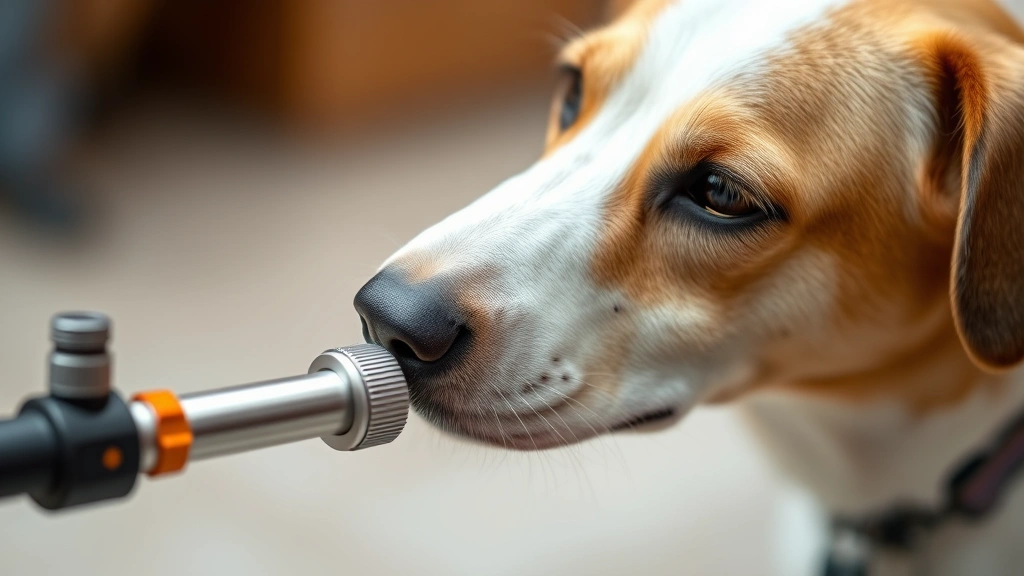
Once your dog seems comfortable with the arm’s presence, you can enhance their familiarity by adding your scent. Rub the telescopic arm with a cloth that smells like you or your dog’s favorite person. Let them sniff and investigate. This builds positive neural pathways around the object.
Phase 3: Gentle Movement (Days 5-7)
Now it’s time for controlled movement. While your dog is watching, slowly extend and retract the arm just slightly—maybe just a few inches. Move very deliberately and calmly. Immediately reward any calm response. If your dog shows fear, pause and let them reset before trying again. The goal is to show them the arm’s movement is predictable and harmless.
Phase 4: Closer Proximity (Week 2)
Gradually move closer to your dog while demonstrating the telescopic arm’s movement. Start at a distance where your dog seems comfortable, then slowly decrease that distance over multiple sessions. Always reward calm behavior. This teaches your dog that proximity to the moving object is safe.
Phase 5: Interactive Play (Week 3+)
Once your dog is comfortable, you can begin using the arm near them while performing normal activities. For example, use it to reach for a toy and toss it to your dog. This creates a positive association where the telescopic arm becomes associated with fun activities and rewards.
This process mirrors the principles used by professional dog trainers and aligns with recommendations from the ASPCA’s dog care guidelines.
Building Positive Associations
The secret to long-term comfort with the telescopic arm is building strong positive associations. Every interaction should be paired with something your dog loves. If your dog enjoys specific treats, save the highest-value ones exclusively for telescopic arm training sessions.
Consider teaching your dog to lay down near the telescopic arm as a calm behavior you can reward. This gives your dog a specific action to perform when the arm is present, which helps them feel more in control of the situation.
Consistency is crucial here. Every family member should follow the same protocol. If one person is rewarding calm behavior around the arm while another person is using it carelessly, you’ll confuse your dog and undermine your progress. Make sure everyone in your household understands the training plan and commits to it.
Vary your training locations once your dog is comfortable in your primary training space. Introduce the telescopic arm in different rooms, outdoors, and in various contexts. This prevents your dog from only being comfortable in one specific setting and ensures genuine, lasting comfort.
Advanced Training Techniques
Once your dog has mastered basic comfort with the telescopic arm, you can implement more advanced training techniques to deepen their confidence.
Target Training
Teach your dog to target the telescopic arm with their nose or paw. This gives them agency and control over the interaction. Hold the arm still and reward your dog for touching it with their nose. Gradually introduce small movements while they’re engaging with it. This technique is particularly effective for dogs who were initially anxious.
Distance Games
Create games where your dog has to stay at a distance from the telescopic arm while you move it. This reinforces that they can observe the movement safely without needing to investigate constantly. Reward them for maintaining their distance and staying calm.
Integration with Daily Activities
As your dog becomes more confident, naturally integrate the telescopic arm into your daily routine. Use it to reach for their food bowl, toys, or treats. This shows your dog that the arm is simply a tool you use, nothing to be concerned about. Proper feeding practices can actually complement this training when you use the arm to manage meals.
Counterconditioning Anxious Responses
If your dog still shows occasional anxiety, pair the sight of the extended arm with something they absolutely love. Some dogs respond better to specific food items like pumpkin treats, which can be used as high-value rewards during advanced training sessions.
Troubleshooting Common Issues
Excessive Fear or Phobia
If your dog shows signs of severe anxiety—trembling, hiding, refusing to eat treats, or aggression—you may be progressing too quickly. Back up several steps and move more slowly. Some dogs require weeks or even months of gradual desensitization. There’s no shame in slowing down; your dog’s emotional wellbeing is the priority. Consider consulting a certified professional dog trainer or veterinary behaviorist if the fear seems extreme.
Obsessive Interest
Some dogs become overly fixated on the telescopic arm, constantly trying to play with it or chase it. This is actually easier to manage than fear, but it still requires boundaries. Teach your dog that the arm is not a toy and that they need to maintain distance during your use of it. Understanding unusual dog behaviors can help you recognize when obsessive interest might indicate an underlying issue.
Regression in Training
Sometimes dogs who were progressing well suddenly seem to regress. This might happen if something startled them or if training has been inconsistent. Don’t be discouraged—simply return to an earlier phase and rebuild their confidence. Regression is normal and doesn’t mean you’ve failed.
Breed-Specific Considerations
Different breeds have different natural instincts. Herding breeds might be more reactive to the arm’s movement, while hunting breeds might see it as prey-like. Toy breeds might be more frightened by a large arm, while giant breeds might be less bothered by it. Tailor your approach to your specific dog’s breed tendencies and individual personality.
Professional guidance from organizations like the Certification Council for Professional Dog Trainers can be invaluable if you’re struggling with specific behavioral issues.
Frequently Asked Questions
How long does it typically take for a dog to become comfortable with a telescopic arm?
The timeline varies significantly depending on your dog’s personality, age, and previous experiences. Some confident dogs might adjust in just a few days, while anxious or older dogs might need several weeks. On average, expect 2-4 weeks for substantial improvement. Patience is more important than speed.
Can puppies and senior dogs both be trained with telescopic arms?
Yes, both puppies and senior dogs can learn to accept telescopic arms. Puppies often adapt more quickly due to their natural curiosity and learning capacity. Senior dogs might need gentler handling and more time, but they’re equally capable of learning. Always consider your senior dog’s health and mobility when conducting training sessions.
What if my dog has had a traumatic experience with something similar?
Dogs with past trauma require extra patience and care. Move even more slowly through the phases than recommended. You might consider working with a certified professional dog trainer who has experience with trauma recovery. The process will take longer, but complete recovery is possible with proper support.
Is it safe to use the telescopic arm around my dog once they’re comfortable?
Yes, once your dog demonstrates genuine comfort and calm behavior around the arm, it’s safe to use it normally around them. However, always remain aware of your dog’s location and maintain safe practices. Never use the arm in a way that could accidentally strike or frighten your dog. Always prioritize their safety.
Should I use the same telescopic arm for training, or will my dog transfer their comfort to other arms?
While dogs initially learn about a specific object, they typically generalize their learning to similar items. Once your dog is comfortable with one telescopic arm, they’ll likely be more accepting of other similar devices. However, introducing a different brand or design might warrant a brief refresher training session, especially if it looks significantly different.
What if my dog never fully accepts the telescopic arm?
Some dogs may never become completely indifferent to the telescopic arm, and that’s okay. The goal is for them to be calm and non-reactive, not necessarily enthusiastic. If your dog reaches a point where they’re relaxed and accepting of the arm’s presence without showing fear or aggression, you’ve succeeded. They don’t need to love it—they just need to not be stressed by it.





