
How to Help a Dog Poop: Expert Tips for Healthy Digestion
If you’re a dog owner, you know that your pup’s bathroom habits are just as important as their diet and exercise routine. Sometimes, our furry friends need a little extra help in the digestive department—whether they’re feeling constipated, struggling with irregular schedules, or just need some encouragement to do their business. The good news? There are plenty of proven strategies to support your dog’s digestive health and keep them regular.
Understanding how to help a dog poop isn’t just about convenience; it’s about ensuring your canine companion maintains optimal health and comfort. A dog’s digestive system is remarkably similar to ours in many ways, and just like humans, dogs can experience occasional digestive hiccups. Whether your pup is a senior dog dealing with age-related changes, a puppy still learning bathroom etiquette, or an adult dog facing temporary constipation, knowing the right techniques can make all the difference.
In this comprehensive guide, we’ll explore evidence-based methods to support your dog’s digestive wellness, from lifestyle adjustments to dietary considerations. You’ll learn practical tips that veterinarians recommend, discover what foods can help, and understand when it’s time to call your vet. Let’s dive into everything you need to know about keeping your dog’s digestive system running smoothly.
The Power of Exercise and Movement
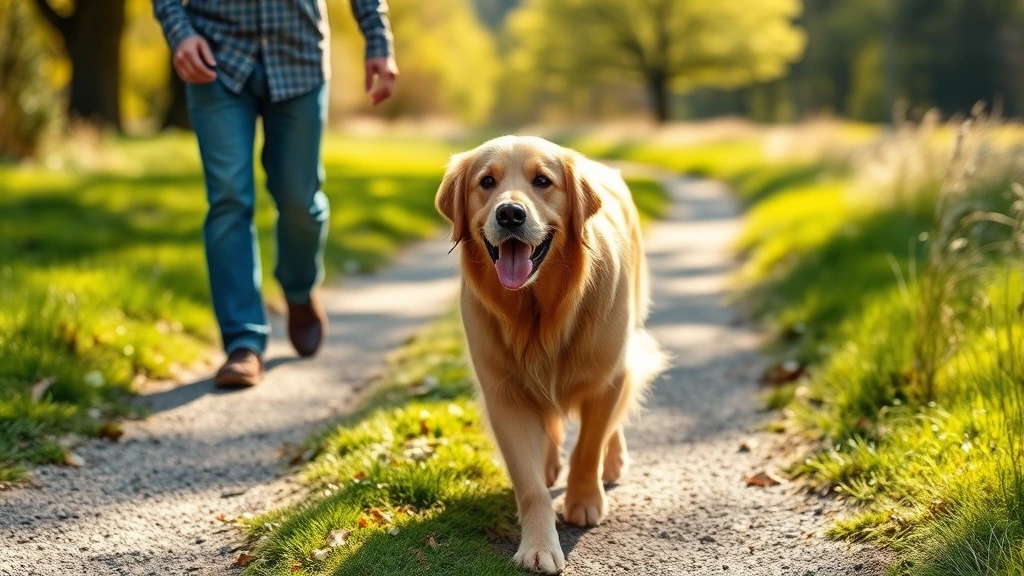
One of the most effective ways to help a dog poop is through regular physical activity. Exercise stimulates the digestive system and encourages bowel movements naturally. When dogs move around, their intestines contract in a wave-like motion called peristalsis, which helps move stool through their digestive tract more efficiently.
Most adult dogs benefit from at least 30 minutes to 2 hours of exercise daily, depending on their age, breed, and health status. This could include walks, playtime in the yard, fetch sessions, or even swimming. Puppies and senior dogs may need adjusted activity levels, but movement remains crucial for all life stages.
A simple morning walk after breakfast can work wonders for your dog’s bathroom schedule. The combination of movement and the natural digestive stimulation that occurs after eating creates the perfect conditions for a successful bowel movement. Many dog owners find that establishing a post-meal walk routine helps their dogs develop predictable bathroom habits.
For dogs that struggle with mobility or are recovering from illness, even gentle movement like short, slow walks or indoor play can help stimulate their digestive system. The key is consistency—regular movement throughout the day is more beneficial than occasional intense exercise.
Hydration: Your Dog’s Best Friend
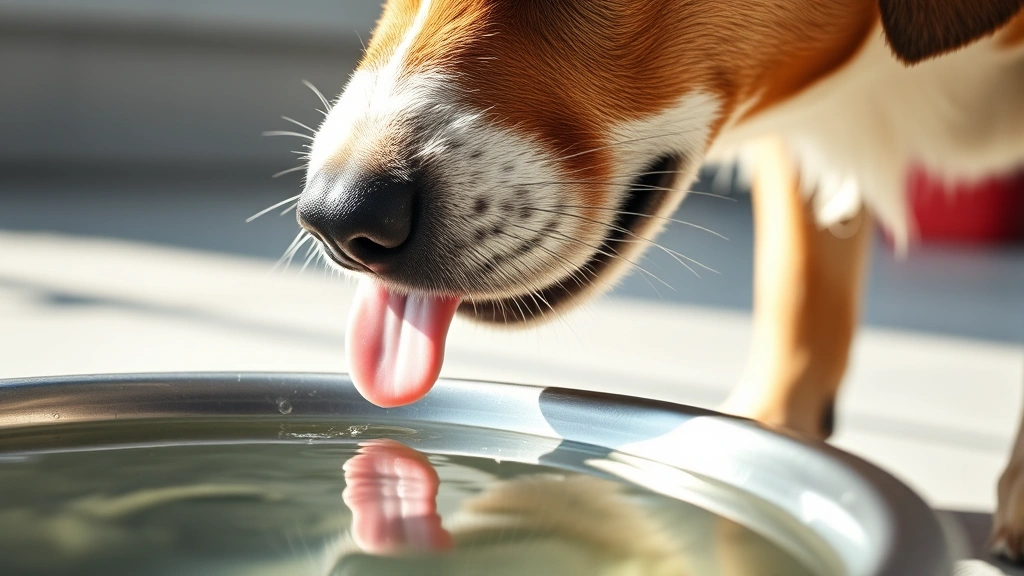
Proper hydration is absolutely essential for healthy digestion. Water helps soften stool and keeps everything moving smoothly through the digestive tract. Dehydrated dogs are much more prone to constipation, which can create a frustrating cycle of digestive issues.
Most dogs should drink approximately one ounce of water per pound of body weight daily, though this varies based on activity level, diet, and climate. A 50-pound dog, for example, should ideally drink around 50 ounces (about 1.5 liters) of water per day. Dogs that eat primarily dry kibble typically need more water than those eating wet food, since wet food contains significant moisture.
To encourage your dog to drink more water, try these practical tips:
- Provide multiple water bowls throughout your home
- Use a dog water fountain—many dogs prefer running water
- Add low-sodium broth to their water for extra appeal
- Refresh water bowls frequently with fresh, cool water
- Monitor water intake, especially during hot weather or after exercise
If your dog isn’t drinking enough water, it could contribute to constipation and difficulty with bowel movements. Conversely, if your dog is experiencing diarrhea, ensuring proper hydration becomes even more critical to prevent dehydration.
Adding Dietary Fiber to Their Diet
Dietary fiber plays a crucial role in digestive health. Fiber adds bulk to stool and helps stimulate the intestinal muscles, making it easier for dogs to have regular bowel movements. There are two types of fiber—soluble and insoluble—and both serve important purposes in your dog’s digestive system.
If your dog is experiencing constipation, increasing fiber intake can be remarkably effective. However, it’s important to make dietary changes gradually to avoid upsetting their stomach. Add fiber-rich foods slowly over 7-10 days, mixing them with their regular food.
Excellent fiber sources for dogs include:
- Pumpkin: Plain canned pumpkin (not pie filling) is a veterinary favorite. Just one to four tablespoons daily can work wonders. Learn more about whether dogs can eat pumpkin and its benefits.
- Sweet potato: Cooked and unseasoned, sweet potatoes are nutritious and fiber-rich
- Green beans: Low in calories and high in fiber, fresh or frozen green beans are a healthy addition
- Oatmeal: Plain, cooked oatmeal provides soluble fiber
- Psyllium husk: A veterinarian-approved supplement that adds fiber without changing your dog’s diet significantly
Understanding how much food to feed your dog becomes even more important when adding fiber supplements. You want to ensure you’re maintaining proper caloric intake while supporting digestive health.
According to the Association of American Feed Control Officials, dogs require a minimum of 5% crude fiber in their diet, though individual needs vary. Some dogs benefit from higher fiber content, while others do better with more moderate amounts.
Gentle Massage and Abdominal Techniques
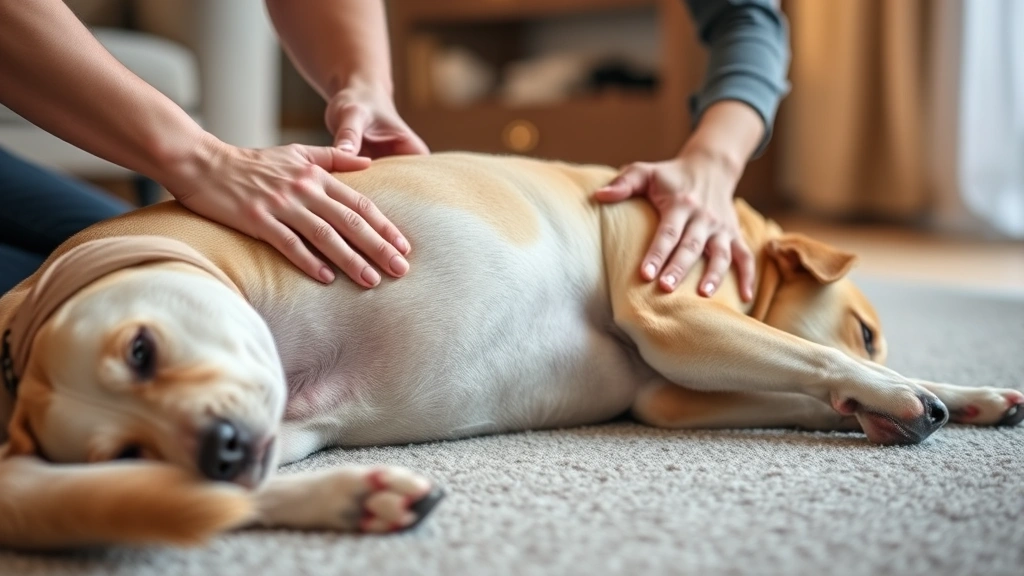
Sometimes, a gentle massage can help stimulate your dog’s digestive system and encourage bowel movements. This technique is particularly helpful for dogs that are struggling or seem uncomfortable. Always be gentle and stop if your dog shows signs of pain or distress.
Here’s how to perform a gentle abdominal massage:
- Have your dog lie on their side in a comfortable position
- Using gentle, circular motions with your fingertips, massage their belly in a clockwise direction
- Start near the lower left side of their abdomen (where the colon is located)
- Move upward along the left side, across the top, and down the right side
- Continue for 5-10 minutes, keeping pressure light and consistent
- Watch for signs of discomfort and stop if your dog seems bothered
This massage technique mimics the natural movement of the colon and can help move stool along. Many dogs find it relaxing and may even fall asleep during the process. Some owners report that regular gentle massage helps their dogs maintain more consistent bathroom schedules.
Establishing a Consistent Bathroom Routine
Dogs thrive on routine, and establishing a consistent bathroom schedule can significantly improve their digestive regularity. Take your dog out at the same times each day—ideally after meals, upon waking, before bedtime, and mid-afternoon.
Understanding how often dogs poop helps you establish realistic expectations. Most adult dogs poop once or twice daily, while puppies might go out 3-5 times daily. By taking your dog out on a predictable schedule, you’re working with their natural digestive rhythms.
Tips for establishing an effective routine:
- Take your dog outside after every meal (typically 15-30 minutes post-feeding)
- Establish a consistent wake-up time and bedtime
- Use the same door and outdoor area when possible—familiar spots encourage bathroom behavior
- Use a verbal cue like “go potty” consistently to signal bathroom time
- Reward successful outdoor bathroom trips with praise or treats
- Keep a log of your dog’s bathroom habits to identify patterns
This consistency helps regulate your dog’s digestive system and makes it easier to identify when something might be wrong. If your dog suddenly deviates from their normal routine, it could indicate a health issue worth investigating.
Environmental Factors That Matter
Your dog’s environment plays a surprisingly significant role in their ability to poop comfortably. Stress, anxiety, and discomfort can all interfere with normal bowel movements.
Create a stress-free bathroom environment by:
- Choosing quiet locations: Dogs often prefer privacy when doing their business. A quiet corner of your yard is better than a busy street corner.
- Maintaining appropriate temperatures: Extreme heat or cold can discourage dogs from spending time outside long enough to poop. Ensure your dog isn’t too uncomfortable.
- Providing safe spaces: Some dogs feel anxious in certain environments. If your dog struggles to poop in specific locations, try moving to a different area.
- Minimizing distractions: Other dogs, loud noises, or excessive activity can prevent your dog from focusing on their bathroom needs.
- Ensuring access to appropriate surfaces: Some dogs prefer grass, while others like dirt or gravel. Pay attention to your dog’s preferences.
If your dog experiences anxiety or fear related to outdoor bathroom time, consider working with a professional trainer or veterinary behaviorist. Anxiety-related constipation is more common than many owners realize.
When to Seek Veterinary Help
While most cases of occasional constipation or difficulty pooping can be managed at home, certain situations warrant professional veterinary attention. Contact your veterinarian if your dog:
- Hasn’t had a bowel movement for more than 48-72 hours
- Shows signs of straining or pain during bathroom attempts
- Produces only small, hard stools or no stool at all
- Experiences repeated episodes of diarrhea or constipation
- Shows loss of appetite, lethargy, or vomiting
- Has blood in their stool
- Appears to be in significant discomfort or distress
According to the American Veterinary Medical Association, chronic digestive issues can indicate underlying health problems that require professional diagnosis and treatment. Your veterinarian can perform physical examinations, imaging, and tests to identify the root cause of your dog’s difficulties.
Certain breeds, such as Bulldogs and Pugs, are prone to digestive issues and may require more frequent veterinary monitoring. Senior dogs also benefit from regular check-ups to catch digestive problems early.
Frequently Asked Questions
How long can a dog go without pooping?
Most healthy adult dogs should have a bowel movement at least once daily, and many poop twice daily. If your dog hasn’t pooped in 48-72 hours, it’s time to contact your veterinarian. However, if your dog is straining or showing signs of discomfort, don’t wait—seek help sooner.
Can stress affect my dog’s ability to poop?
Absolutely. Just like humans, dogs can experience stress-related digestive issues. Changes in environment, routine, or the presence of stressors can interfere with normal bowel movements. Creating a calm, predictable environment helps support digestive health.
Is it safe to use over-the-counter laxatives for dogs?
While some over-the-counter products are dog-safe, you should always consult your veterinarian before giving your dog any medication or supplement. What works for one dog might not be appropriate for another, and some products can cause complications if used improperly. Your vet can recommend the safest option for your specific dog.
What’s the difference between constipation and obstruction?
Constipation is difficulty or infrequency of bowel movements, while an obstruction is a blockage that prevents any stool from passing. Obstructions are medical emergencies requiring immediate veterinary attention. If your dog is completely unable to poop and is showing signs of distress, don’t delay seeking emergency care.
Can diet changes help with pooping difficulties?
Yes, diet plays a major role in digestive health. Adding fiber, ensuring proper hydration, and feeding appropriate portion sizes all support healthy bowel movements. If your dog has been eating the wrong diet for their condition, dietary adjustments can make a significant difference. Always transition to new foods gradually.
Are there specific dog breeds more prone to constipation?
Certain breeds, particularly those with genetic predispositions to digestive issues, may experience constipation more frequently. Older dogs and those with mobility issues also struggle more often. Discuss your dog’s breed-specific risks with your veterinarian.
How does age affect my dog’s ability to poop?
Senior dogs often experience changes in digestive efficiency due to slower metabolism, decreased muscle tone, and potential health issues. Puppies are still developing their digestive systems and may have irregular patterns. Both groups benefit from consistent routines and appropriate dietary support.
Can probiotics help with dog constipation?
Probiotics may support overall digestive health in some dogs, but they’re not a direct treatment for constipation. The American Animal Hospital Association suggests that while probiotics are generally safe, their effectiveness varies. Consult your veterinarian about whether probiotics might benefit your individual dog.
Remember, every dog is unique, and what works for one might not work for another. When in doubt, your veterinarian is your best resource for personalized advice about your dog’s digestive health. By combining consistent routines, appropriate exercise, proper hydration, and dietary support, you’ll help ensure your furry friend stays comfortable and healthy.





