
How to Help Dog Constipation: Vet-Approved Tips
If your furry friend hasn’t had a bowel movement in a couple of days, you might be wondering what’s going on. Dog constipation is more common than you’d think, and while it’s usually not an emergency, it definitely deserves your attention. Just like humans, dogs can experience digestive discomfort, and as a responsible pet parent, knowing how to help is essential.
The good news? Most cases of dog constipation are manageable at home with some simple adjustments to diet and lifestyle. From increasing hydration to adding fiber-rich foods, there are plenty of vet-approved strategies you can implement right now. But before we dive into solutions, let’s understand what’s actually happening in your pup’s digestive system and when it’s time to call the vet.
In this guide, we’ll walk you through everything you need to know about dog constipation—from identifying the symptoms to implementing proven remedies that actually work. Whether your dog is a senior pup or a young pup experiencing their first bout of constipation, you’ll find practical advice that vets recommend.
Signs and Symptoms of Dog Constipation
Recognizing that your dog is constipated is the first step toward helping them feel better. The most obvious sign is a lack of bowel movements—if your dog hasn’t pooped in 48 hours or more, that’s a red flag. However, constipation isn’t just about frequency; it’s also about the quality and effort involved in going.
Watch for these telltale signs that your pup might be struggling:
- Straining during bathroom breaks – Your dog may squat for extended periods or seem uncomfortable
- Small, hard, or dry stools – When your dog does go, the poop might look like little pebbles
- Loss of appetite – A constipated dog might not be interested in their usual meals
- Lethargy or decreased activity – Your normally energetic pup might seem sluggish
- Abdominal pain or discomfort – Your dog might whine, tuck their tail, or seem anxious
- Scooting their rear on the ground – This can indicate discomfort in the rectal area
- Vomiting or loss of appetite – In severe cases, constipation can lead to nausea
If you notice your dog exhibiting these behaviors, don’t panic. Many cases resolve quickly with simple interventions. However, if symptoms persist beyond a couple of days or worsen, it’s time to contact your veterinarian.
Common Causes of Constipation in Dogs
Understanding why your dog is constipated can help you prevent future episodes. There are numerous factors that can contribute to digestive slowdown in canines.
Dietary Issues are among the most common culprits. If your dog isn’t getting enough fiber or is eating low-quality food, constipation can result. Additionally, if you’ve recently changed your dog’s diet without a gradual transition, their digestive system might rebel. Understanding how much food you should feed your dog is crucial, as overfeeding can also contribute to digestive problems.
Dehydration is another major factor. Dogs need adequate water intake to maintain healthy digestion. If your dog isn’t drinking enough water or if the weather is particularly hot, dehydration can quickly lead to constipation. Making sure your pup can access fresh water throughout the day is essential.
Lack of Exercise plays a significant role too. Physical activity stimulates the digestive system and encourages regular bowel movements. Sedentary dogs are more prone to constipation than active ones. If your pup has been cooped up or isn’t getting their usual exercise, that could be the issue.
Age-Related Factors make senior dogs particularly susceptible. As dogs age, their digestive systems become less efficient, and they’re more prone to constipation. Medications commonly prescribed to older dogs can also contribute to the problem.
Medical Conditions such as inflammatory bowel disease, anal gland issues, or neurological problems can cause chronic constipation. Certain medications, including some pain relievers and antihistamines, can also slow down digestion.
Foreign Objects or ingested materials like hair, bones, or toys can obstruct the digestive tract and prevent normal bowel movements.
Home Remedies and Natural Solutions
Before reaching for medications, there are several natural remedies you can try to help your constipated dog. These vet-approved solutions are safe and often quite effective.
Increase Water Intake is the simplest first step. Ensure your dog always has access to fresh, clean water. You can also add a bit of water to their food to increase overall fluid consumption. Some dogs respond well to bone broth (unsalted and without onions or garlic) added to their meals, which provides both hydration and nutrients.
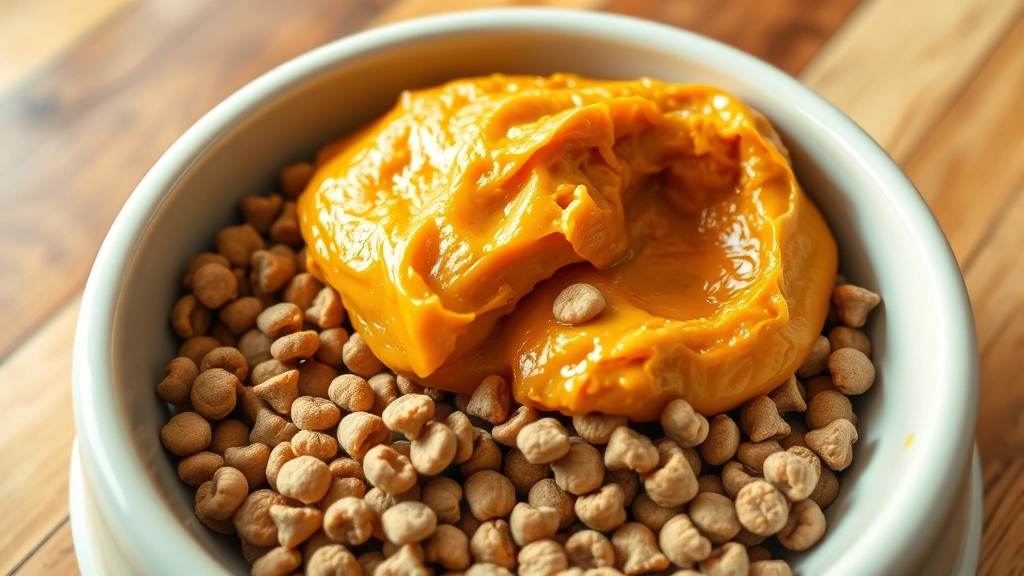
Add Fiber to Their Diet is another excellent strategy. Pumpkin is a fantastic natural remedy for dog constipation—it’s packed with fiber and moisture. A tablespoon or two of plain canned pumpkin (not pie filling) mixed into your dog’s food can work wonders. Similarly, sweet potatoes offer great nutritional benefits and can help with digestion when served plain and cooked.
Olive Oil or Coconut Oil can act as a natural lubricant. A teaspoon mixed into your dog’s food can help soften stool and ease passage. However, use sparingly as too much can cause diarrhea.
Exercise and Activity should be increased gradually. Even a short walk around the block can stimulate bowel movements. The movement and fresh air often help get things moving.
Probiotic Supplements can support healthy gut bacteria and improve digestion. Look for dog-specific probiotics and follow the dosing instructions on the package.
According to the ASPCA, maintaining a consistent routine with regular feeding times and bathroom breaks can also significantly help with constipation management.
Dietary Changes That Help
Sometimes, a simple dietary adjustment is all that’s needed to resolve constipation issues. The key is making changes gradually to avoid upsetting your dog’s digestive system further.
Transition Slowly to a New Diet if you suspect their current food isn’t working. Over the course of 7-10 days, gradually mix increasing amounts of the new food with the old food. This allows your dog’s digestive system to adapt without shock.
Choose High-Quality Food with adequate fiber content. Look for foods that list real meat as the first ingredient and contain whole grains or vegetables. Some commercial diets are specifically formulated for digestive health.
Incorporate Fiber-Rich Foods strategically. Beyond pumpkin and sweet potatoes, you can add small amounts of cooked carrots, green beans, or oatmeal to your dog’s regular meals. These are all safe, natural fiber sources.
Avoid Problematic Foods that commonly cause constipation, such as excessive rice, certain types of treats, or foods high in fat. If your dog has eaten something unusual or potentially problematic, that might be the culprit.
Meal Frequency Matters too. Some dogs do better with multiple smaller meals throughout the day rather than one or two large meals. This can help with digestion and regular bowel movements.
The Association of American Feed Control Officials (AAFCO) provides guidelines for balanced pet nutrition that can help you evaluate whether your dog’s current food meets their needs.
When to Contact Your Veterinarian
While most cases of dog constipation can be managed at home, there are situations where professional help is necessary. Knowing when to call your vet can prevent serious complications.
Contact your veterinarian if:
- Your dog hasn’t had a bowel movement in more than 3 days
- Your dog is straining excessively or seems to be in severe pain
- There’s blood in the stool or any signs of bleeding
- Your dog is vomiting repeatedly
- Your dog shows signs of abdominal distension or bloating
- Home remedies haven’t worked after 48 hours
- Your dog is a senior or has pre-existing health conditions
- Constipation is a recurring problem
Your vet might perform a physical examination, take X-rays, or conduct other diagnostics to determine the underlying cause. They may prescribe medications, recommend specific dietary changes, or identify underlying medical conditions that need treatment.
It’s also worth noting that severe constipation can sometimes lead to other issues. If constipation causes vomiting or other complications, check out our guide on why your dog might be throwing up for additional information.
The American Veterinary Medical Association (AVMA) recommends regular check-ups to catch digestive issues early, particularly for senior dogs or those with chronic health conditions.
Prevention Tips for the Future
Once you’ve helped your dog through a bout of constipation, you’ll want to prevent it from happening again. Prevention is always easier than treatment.
Maintain a Consistent Routine with regular feeding times and bathroom breaks. Dogs thrive on consistency, and a predictable schedule helps regulate their digestive system.
Ensure Adequate Exercise daily. The amount depends on your dog’s age and health, but most dogs need at least 20-30 minutes of activity. This stimulates digestion naturally.
Provide Fresh Water Constantly and monitor your dog’s water intake. During hot weather or increased activity, they’ll need even more.
Feed a Balanced, High-Quality Diet with appropriate fiber levels. Discuss your dog’s nutritional needs with your vet, especially if they have specific health concerns.
Monitor Food Intake and avoid overfeeding. Obesity contributes to numerous health problems, including digestive issues. Following feeding guidelines and using appropriate portion sizes is crucial.
Limit Treats and Table Scraps that can upset digestion. Stick to dog-appropriate treats and avoid sharing human food.
Keep Harmful Objects Out of Reach that your dog might swallow. Toys, bones, and other items can cause obstructions.
Regular Veterinary Check-ups are essential for catching potential problems early. Your vet can identify risk factors and recommend preventive measures.
The American Animal Hospital Association (AAHA) emphasizes the importance of preventive care and regular wellness exams in maintaining your dog’s overall health, including digestive function.
Frequently Asked Questions
How long can a dog go without pooping before it’s considered constipation?
Generally, if your dog hasn’t had a bowel movement in 48 hours, it’s considered constipation. However, some dogs naturally go less frequently than others. If your dog typically poops once daily and suddenly goes three days without going, that’s worth investigating even if they seem otherwise fine.
Can I give my dog a laxative?
While over-the-counter laxatives exist for dogs, it’s best to consult your vet before using them. They can recommend the appropriate type and dosage for your specific dog. Never use human laxatives on dogs without veterinary guidance, as they can be harmful.
Is pumpkin really effective for dog constipation?
Yes, pumpkin is highly effective for many dogs due to its fiber content and moisture. Most dogs respond well to a tablespoon or two of plain canned pumpkin mixed into their food. It’s one of the most recommended natural remedies by veterinarians.
What if my dog is constipated and won’t eat?
Loss of appetite combined with constipation warrants a veterinary visit. This could indicate a more serious underlying issue. Don’t force your dog to eat; instead, contact your vet for guidance.
Can certain dog breeds be more prone to constipation?
While any dog can experience constipation, senior dogs and certain breeds with shorter digestive tracts may be more susceptible. Brachycephalic breeds (flat-faced dogs) can also have digestive challenges. If your breed seems prone to constipation, discuss preventive strategies with your vet.
How much water should my dog drink daily?
Most dogs need about one ounce of water per pound of body weight daily, though this can vary based on activity level and climate. For a 50-pound dog, that’s roughly 50 ounces (about 6 cups) per day. Ensure your dog always has access to fresh water.
Can stress cause constipation in dogs?
Yes, stress and anxiety can affect your dog’s digestion. Changes in environment, new pets, or travel can all contribute to temporary constipation. Maintaining a calm environment and consistent routine helps minimize stress-related digestive issues.
Is chronic constipation in dogs a sign of a serious condition?
Recurring constipation can indicate underlying health issues such as megacolon, inflammatory bowel disease, or neurological problems. If your dog frequently experiences constipation, your vet should investigate the cause.





