
How to Keep Dogs Out of Your Yard: Expert Tips
There’s nothing quite like stepping outside to enjoy your yard, only to discover it’s become an unauthorized dog park. Whether it’s neighborhood pups, strays, or the occasional adventurous canine, unwanted dogs in your yard can be frustrating, unsanitary, and potentially dangerous. The good news? You’re not helpless. With the right strategies and a bit of persistence, you can reclaim your outdoor space and keep those four-legged trespassers at bay.
The challenge of keeping dogs out of your yard is more common than you might think. Pet owners everywhere struggle with this issue, and it’s not just about the annoyance factor. Stray dogs can dig up your garden, leave waste behind, frighten your family, or even pose health risks. But before you resort to extreme measures, let’s explore practical, humane solutions that actually work.
In this comprehensive guide, we’ll walk you through proven methods to protect your yard from unwanted canine visitors. From physical barriers to sensory deterrents, we’ve got you covered with expert advice that balances effectiveness with compassion for our furry friends.
Physical Barriers: Your First Line of Defense
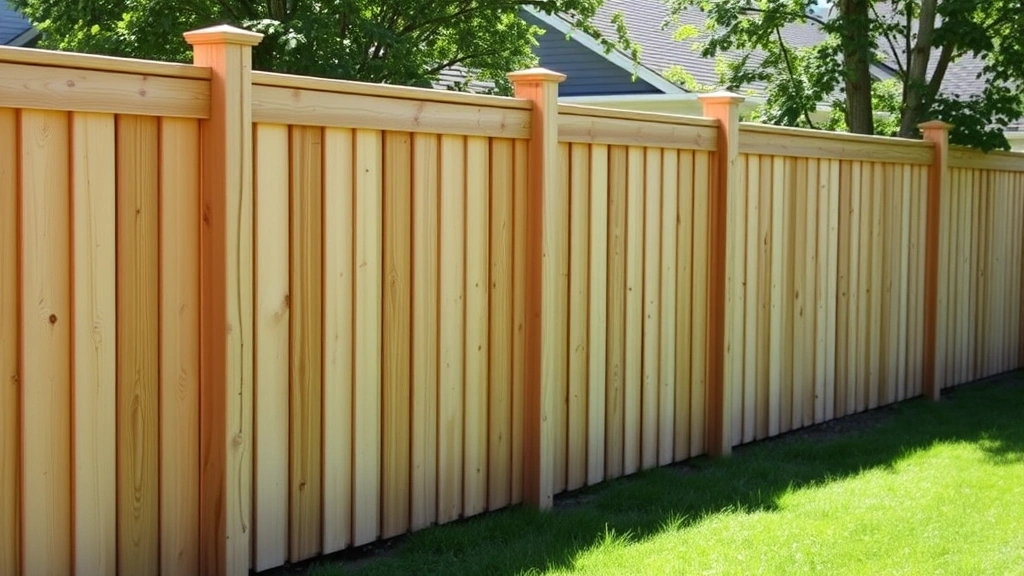
When it comes to keeping dogs out of your yard, nothing beats a solid physical barrier. A well-maintained fence is the gold standard for yard protection. If you don’t already have one, installing a fence should be your priority. The height matters significantly—most dogs can’t jump higher than 5-6 feet, so a standard 4-foot fence might not be sufficient for athletic breeds.
But here’s the thing: a fence alone isn’t always enough. Determined dogs can dig underneath, and some will attempt to squeeze through gaps. To address the digging issue, consider that dogs dig for various reasons, and understanding their motivation helps you prevent it. Installing an underground barrier extending 12-18 inches below ground level can prevent tunneling attempts. You can use L-shaped fencing or bury chicken wire to create this underground deterrent.
Check your fence regularly for gaps, holes, or weak spots. Dogs are surprisingly good at finding the smallest openings. If you have an existing fence, inspect it monthly and repair any damage immediately. Consider adding a roller or angled extension at the top if you’re dealing with particularly athletic dogs that might be climbing over.
For those without the budget or ability to install a full fence, temporary solutions exist. Portable fence panels, available at most hardware stores, can create designated areas or block specific entry points. While not as permanent as a traditional fence, they’re affordable and surprisingly effective for short-term situations.
Scent Deterrents That Actually Work
Dogs experience the world primarily through their noses, so leveraging scent-based deterrents is a smart strategy. Certain smells are naturally repugnant to dogs, and using them strategically can keep unwanted visitors away.
Capsaicin, the compound that makes hot peppers spicy, is highly effective. Commercial dog repellents containing capsaicin can be sprayed around your yard’s perimeter. The smell bothers dogs’ sensitive noses without causing harm. Similarly, ammonia-based products mimic the scent of predator urine, which naturally makes dogs uncomfortable. You can even create your own ammonia spray by mixing ammonia with water and applying it to areas where dogs frequently enter.
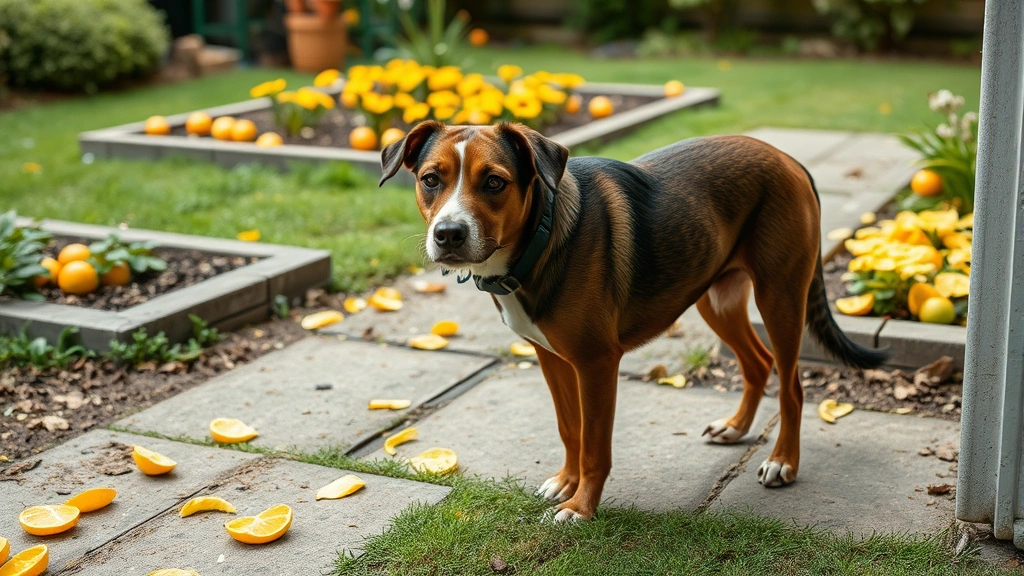
Citrus is another powerful deterrent. Dogs generally dislike the strong smell of citrus fruits. Citrus-based repellent sprays are available commercially, or you can scatter citrus peels around your yard. This method is pet-safe and environmentally friendly, making it an excellent option for households with children or other pets.
Ultrasonic devices emit frequencies that are uncomfortable for dogs but inaudible to humans. These solar-powered units can be placed strategically around your yard. While some dogs become desensitized over time, they work well as part of a multi-layered approach. The key is rotating your deterrents so dogs don’t adapt to any single method.
Essential oils like lavender, eucalyptus, and peppermint can also deter dogs, though they’re less potent than capsaicin or citrus. Soak cotton balls in these oils and place them around garden beds or entry points. Replace them every few weeks as the scent fades.

Motion-Activated Solutions
Motion-activated sprinklers are surprisingly effective at keeping dogs out of yards. These devices detect movement and release a sudden burst of water, startling the dog and creating a negative association with your yard. The beauty of this method is that it’s humane—it doesn’t hurt the dog, just surprises them.
Install motion-activated sprinklers near common entry points or areas where dogs frequently venture. Most dogs learn quickly to avoid the yard after a few unexpected water showers. They’re also useful for protecting specific garden areas or expensive landscaping.
Beyond sprinklers, motion-activated lights and sound devices can be effective deterrents. Sudden lights and loud noises startle dogs and make them feel unsafe. These devices are particularly useful at night when stray dogs are more active. Many come with adjustable sensitivity settings, allowing you to fine-tune them to avoid false triggers from wind or small animals.
For a comprehensive approach, combine motion-activated solutions with other deterrents. A dog might adjust to one type of stimulus, but multiple sensory experiences create a more convincing reason to stay away.
Landscape Modifications to Discourage Entry
Your landscaping choices can either invite or discourage canine visitors. Strategic modifications can make your yard less appealing without compromising its beauty.
First, understand that preventing dogs from digging requires environmental modification along with deterrents. Remove areas of soft soil or mulch where dogs naturally want to dig. Replace them with gravel, decorative stones, or hard landscaping. Dogs are less likely to dig in uncomfortable substrates.
Thorny or prickly plants serve as natural barriers. Plants like roses, holly, or barberry bushes create uncomfortable passages that dogs prefer to avoid. However, ensure these plants are non-toxic to dogs, as they may ingest them. Consult with ASPCA’s poison control for a list of toxic plants to avoid.
Remove temptations that attract dogs in the first place. Unsecured trash cans, food bowls, or pet toys left outside are invitations to neighborhood dogs. Keep your yard clean and free of food debris. Store pet food indoors and secure any outdoor feeding areas.
Standing water attracts dogs, especially in hot weather. If you have puddles, birdbaths, or decorative water features, ensure they’re either removed or inaccessible. This reduces the appeal of your yard as a destination.
Working With Neighbors and Local Authorities
Sometimes the best solution involves communication. If you know which neighbor’s dog is visiting your yard, a friendly conversation might resolve the issue. Many dog owners are unaware their pets are wandering and will appreciate the heads-up.
Approach the conversation diplomatically. Rather than accusing, frame it as a safety concern for their dog. Explain how their dog could get injured or stolen while roaming unsupervised. Most responsible pet owners will take steps to keep their dog contained.
If friendly conversation doesn’t work, document the incidents. Take photos or videos of the dog in your yard with timestamps. This documentation becomes important if you need to involve local authorities.
Many municipalities have leash laws requiring dogs to be contained. Contact your local animal control or code enforcement if a dog repeatedly trespasses. They can issue citations to the owner and enforce compliance. Be aware that repeated complaints might result in the dog being confiscated if the owner doesn’t comply.
For stray dogs, contact local animal control or rescue organizations. They can safely capture and care for the animal while searching for its owner. This is the humane approach that benefits everyone, including the lost dog.
Maintenance Tips for Long-Term Success
Keeping dogs out of your yard isn’t a one-time fix—it requires ongoing maintenance and vigilance. Here’s how to ensure your defenses remain effective:
- Inspect fences monthly: Look for new gaps, rot, or damage that could provide entry points.
- Refresh deterrents regularly: Reapply scent deterrents every few weeks, especially after rain or during growing seasons.
- Rotate deterrent types: Dogs are intelligent and may adapt to one type of deterrent. Mixing methods keeps them guessing.
- Maintain landscaping: Trim bushes and trees to eliminate hiding spots and climbing aids for dogs.
- Keep records: Document any incidents with photos and dates. This helps identify patterns and provides evidence if needed.
- Stay vigilant at night: Most stray dogs are more active after dark. Ensure motion-activated lighting is working properly.
Remember that consistency is key. Dogs are creatures of habit. If they learn that your yard consistently delivers negative experiences—whether through deterrents, barriers, or lack of rewards—they’ll find somewhere else to go.
If you’re also dealing with your own dog’s behavioral issues, understanding why dogs like belly rubs and other behavioral cues can help you manage your pet better, which contributes to overall yard harmony. Additionally, if your dog spends time outdoors, protection against parasites is essential—learn how to properly remove ticks from dogs to prevent health issues.
For those interested in pet-friendly spaces, you might wonder if dogs are allowed in stores like Lowe’s, which can help you understand where dogs can and cannot go, reinforcing the importance of proper containment at home.
The intersection of pet health and yard management also includes understanding allergies. While less directly related, knowing about dog allergies to other animals helps you understand why certain dogs might be motivated to enter your yard.
Frequently Asked Questions
What’s the most humane way to keep dogs out of my yard?
Physical barriers like fences combined with humane scent deterrents are the most compassionate approach. Motion-activated sprinklers startle without harming, and they’re highly effective. Avoid poisonous substances or anything that could injure an animal. The goal is to make your yard unappealing, not dangerous.
Are ultrasonic dog repellents effective?
Ultrasonic devices work moderately well, especially for dogs that haven’t adapted to them. However, they’re most effective as part of a multi-layered defense system. Some dogs, particularly older ones or those with hearing loss, may not respond to ultrasonic frequencies. Combining them with other deterrents increases effectiveness.
How tall should my fence be to keep dogs out?
A minimum of 5-6 feet is recommended for most breeds. However, athletic breeds like German Shepherds or Border Collies can clear this height. If you’re dealing with particularly athletic dogs, consider 6-7 feet or adding a roller system to prevent climbing. Underground barriers extending 12-18 inches below ground prevent digging underneath.
Can I use ammonia or bleach to deter dogs?
While ammonia-based solutions are effective deterrents, use them carefully. Bleach is toxic to dogs and should never be used as a deterrent. Diluted ammonia is safer, but ensure it’s applied in areas where dogs won’t concentrate it or ingest it. Always prioritize safety over convenience.
What should I do if I find a stray dog in my yard?
First, ensure your safety and that of your family. Don’t approach an unfamiliar dog aggressively. Call local animal control with a description of the dog and your address. They’re equipped to safely capture and care for stray animals. If the dog seems friendly, provide water but avoid food, as it may encourage repeated visits.
How long does it take for deterrents to work?
Most dogs learn to avoid your yard within 2-4 weeks of consistent deterrent use. However, some stubborn or desperate dogs might test your defenses longer. Consistency is crucial—if you stop using deterrents, dogs will return. The key is maintaining your defense system long-term.
Will my own dog be affected by these deterrents?
If you have a dog of your own, carefully apply deterrents to avoid affecting your pet. Use barriers to create safe zones where your dog can roam without encountering deterrents. Citrus and capsaicin-based products are generally safe for your dog if applied only to perimeter areas. Always read product labels for safety information.
Is it legal to use deterrents on dogs?
Most humane deterrents are legal, including fencing, scent repellents, and motion-activated sprinklers. However, laws vary by location. Poisoning or intentionally harming animals is illegal everywhere. Always check local regulations before implementing any deterrent system. When in doubt, consult with local animal control or your city’s code enforcement office.





