
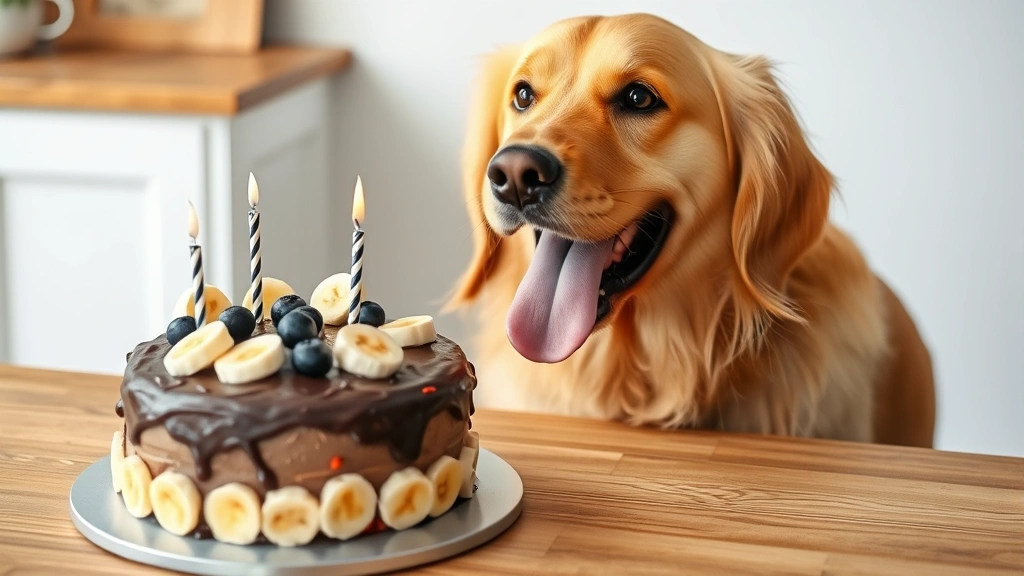
How to Make a Dog Birthday Cake: Easy Recipe Guide
Is your furry best friend’s birthday coming up? There’s no better way to celebrate than with a homemade dog birthday cake! While we humans get to indulge in decadent desserts year-round, our canine companions deserve their own special treat on their special day. The beauty of making a dog birthday cake is that you have complete control over the ingredients, ensuring your pup gets something delicious AND safe to eat.
Making a dog birthday cake doesn’t require culinary school or fancy equipment. With just a few simple, dog-safe ingredients and about 30 minutes of your time, you’ll create a tail-wagging masterpiece that your pup will absolutely love. Not only is homemade better for your dog’s health, but it also shows your four-legged friend just how much they mean to you. Plus, it makes for adorable birthday photos!
Before we dive into the recipes, it’s important to understand what makes a cake safe for dogs. Unlike human birthday cakes, dog-friendly versions skip the refined sugar, chocolate, and artificial sweeteners that can be harmful to our furry friends. Let’s explore everything you need to know about can dogs eat cake and how to create the perfect birthday treat.
Essential Ingredients for Dog Birthday Cakes
The foundation of any great dog birthday cake starts with understanding which ingredients are safe and nutritious for our canine companions. The best dog cakes use whole, recognizable ingredients that you’d feel comfortable feeding your pup in their regular meals.
Flour Options: Whole wheat flour is the gold standard for dog birthday cakes. It’s nutritious, provides good fiber, and gives your cake a hearty texture. All-purpose flour works too, though it’s less nutrient-dense. Some pet parents prefer oat flour or coconut flour for variety—just keep in mind that coconut flour absorbs more liquid, so you may need to adjust your recipe accordingly.
Protein Additions: Eggs are excellent for dog cakes, providing protein and binding ingredients together naturally. Many recipes call for 2-3 eggs depending on the cake size. Greek yogurt or plain pumpkin puree also add protein while keeping the cake moist.
Healthy Fats: Unsalted peanut butter is a dog’s dream ingredient and adds wonderful flavor and richness. Make absolutely sure it doesn’t contain xylitol, an artificial sweetener that’s toxic to dogs. Coconut oil is another great option for adding healthy fats. You can read more about can dogs have peanut butter to understand the benefits and precautions.
Natural Sweeteners: Ripe bananas, applesauce, or honey provide natural sweetness without refined sugar. These ingredients also add moisture and nutrients to your cake.
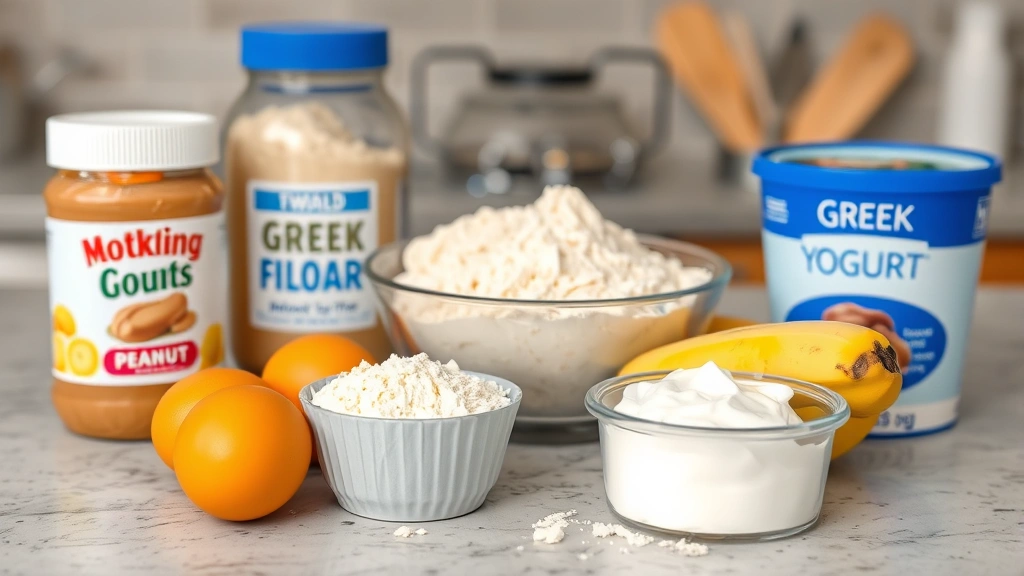
Basic Dog Birthday Cake Recipe
This simple, tried-and-true recipe is perfect for most dogs and serves as an excellent foundation for experimenting with flavors.
Ingredients:
- 2 cups whole wheat flour
- 3 eggs
- 1 ripe banana, mashed
- ½ cup natural peanut butter (xylitol-free)
- ¼ cup unsalted coconut oil or vegetable oil
- ½ cup plain Greek yogurt
- 1 teaspoon vanilla extract (dog-safe, or omit)
- 1 teaspoon baking powder
Instructions:
- Preheat your oven to 350°F (175°C) and grease an 8-inch round cake pan with coconut oil.
- In a large mixing bowl, combine the mashed banana, peanut butter, oil, Greek yogurt, and eggs. Mix until well combined and smooth.
- In a separate bowl, whisk together the whole wheat flour, baking powder, and vanilla extract if using.
- Gently fold the dry ingredients into the wet ingredients until just combined. Don’t overmix—lumps are okay!
- Pour the batter into your prepared pan and smooth the top.
- Bake for 25-30 minutes, until a toothpick inserted in the center comes out clean.
- Remove from the oven and allow to cool completely before frosting or serving.
The beauty of this recipe is that it’s completely egg-free if needed, and you can easily double it for a larger celebration. The result is a moist, flavorful cake that dogs absolutely adore.
Delicious Flavor Variations
Once you master the basic recipe, it’s time to get creative! Here are some delicious variations that’ll keep your pup’s taste buds excited.
Pumpkin Spice Cake: Replace the banana with ¾ cup pumpkin puree and add ½ teaspoon cinnamon and ¼ teaspoon nutmeg to the dry ingredients. This autumn-inspired treat is packed with fiber and nutrients. Learn more about can dogs eat pumpkin to understand why it’s such a fantastic ingredient for canine cakes.
Apple Cinnamon Delight: Substitute the banana with 1 cup grated apple (seeds removed) and add 1 teaspoon cinnamon. Apples are refreshing and lower in calories, making this variation perfect for weight-conscious pups.
Sweet Potato Surprise: Replace the banana with ¾ cup cooked sweet potato puree. Sweet potatoes are nutritional powerhouses, loaded with vitamins and antioxidants that support your dog’s health.
Carrot Cake: Add 1 cup finely grated carrot to the wet ingredients and include ½ teaspoon cinnamon. Carrots add natural sweetness and are great for dental health when served crunchy, though baked into a cake they’re wonderfully moist.
Berry Blast: Fold ½ cup mashed blueberries into the batter just before baking. Blueberries are superfood powerhouses for dogs, packed with antioxidants and cognitive-boosting compounds.
Safety Guidelines and Ingredients to Avoid
While celebrating your pup’s birthday with a homemade cake is wonderful, it’s crucial to understand which ingredients are absolutely off-limits. Before baking, familiarize yourself with what makes certain cakes unsafe for canine consumption.
Toxic Ingredients to NEVER Use:
- Chocolate: Toxic to dogs in all forms (dark, milk, white). Contains theobromine, which dogs metabolize slowly.
- Xylitol: An artificial sweetener found in many sugar-free products. Even small amounts can cause severe hypoglycemia and liver damage.
- Grapes and Raisins: Can cause acute kidney failure in dogs. Completely avoid these ingredients.
- Macadamia Nuts: Toxic to dogs and can cause weakness and tremors.
- Excessive Salt: Can lead to sodium ion poisoning and dehydration.
- Alcohol: Even small amounts are dangerous and can cause intoxication and metabolic acidosis.
- Caffeine: Found in coffee, tea, and some chocolates. Stimulates the nervous system dangerously in dogs.
According to the ASPCA’s guide on toxic foods, many common baking ingredients can seriously harm your pet. Always double-check ingredients before use.
Ingredients to Use Sparingly:
- Sugar and Honey: While not toxic, these can contribute to obesity, dental problems, and pancreatitis. Use minimal amounts.
- Dairy: Many dogs are lactose intolerant. Stick with plain yogurt or skip dairy entirely.
- Coconut: Safe in moderation but can cause digestive upset if used excessively.
Dog-Friendly Frosting Options
No birthday cake is complete without frosting! The good news is that dog-friendly frostings are just as delicious as the cake itself.
Peanut Butter Frosting: This is the easiest option. Mix ½ cup natural peanut butter with ¼ cup coconut oil until smooth and creamy. Spread generously over cooled cake. Your dog will think they’ve won the lottery!
Banana Cream Frosting: Blend 1 ripe banana with ¼ cup plain Greek yogurt and 2 tablespoons coconut oil. This frosting is naturally sweet and incredibly creamy. It’s also lighter than peanut butter frosting, perfect for dogs watching their waistline.
Pumpkin Frosting: Combine ¾ cup pumpkin puree with ¼ cup plain Greek yogurt and a dash of cinnamon. This pairs beautifully with the pumpkin spice cake variation and adds even more nutritional benefits.
Apple Cinnamon Frosting: Mix ½ cup unsweetened applesauce with 2 tablespoons natural peanut butter and ¼ teaspoon cinnamon. This frosting is lighter and perfect for smaller dogs or those needing lower-calorie treats.
Pro tip: If your frosting is too soft, refrigerate it for 15-20 minutes before spreading. This makes it easier to work with and creates a more polished appearance.
Creative Decorating Ideas
Making a dog birthday cake is an opportunity to get creative and make it visually appealing for both you and your pup! Here are some fun decorating ideas that are safe and delicious.
Treat Toppers: Arrange dog-safe treats on top of the frosted cake. Carrot pieces, apple slices, or small dog biscuits create a festive appearance and add extra flavor variety.
Fruit Garnish: Fresh blueberries, banana slices, or diced strawberries (seedless) make colorful, nutritious decorations. These add visual interest and pack extra antioxidants.
Peanut Butter Swirls: Drizzle natural peanut butter over the frosting in decorative patterns. Your pup will love licking the plate clean afterward!
Coconut Sprinkle: Unsweetened coconut flakes create a snowy appearance and add a subtle tropical flavor. Use sparingly as some dogs find it too rich.
Candle Alternative: Instead of traditional candles (which pose burn risks), arrange treats in a circle on top of the cake. You can still sing “Happy Birthday” while your dog watches in anticipation!
Number Celebration: Use dog biscuits or treats to spell out your pup’s age on the cake. It’s a cute photo op and adds personality to the creation.
Remember that decorations should be entirely edible and safe for dogs. Skip any artificial decorations, food coloring, or non-edible items that could pose choking hazards.
Storage and Serving Tips
Storage Guidelines:
Dog birthday cakes should be stored properly to maintain freshness and safety. Keep the cake in an airtight container in the refrigerator for up to 3 days. For longer storage, you can freeze individual portions in freezer-safe containers for up to 2 months. Thaw completely before serving.
Portion Control:
Remember that birthday cake should be a special treat, not a daily staple. Portion sizes depend on your dog’s size and current diet. A general rule is that treats should comprise no more than 10% of your dog’s daily caloric intake. For a 50-pound dog, a slice of birthday cake (about 2-3 inches) is a reasonable serving size.
Serving Suggestions:
- Serve cake at room temperature for best flavor and digestibility.
- Give your dog fresh water after eating cake, as some ingredients may make them thirsty.
- If your dog has a sensitive stomach, introduce the cake gradually and monitor for any digestive upset.
- For multi-dog households, serve individual portions to prevent resource guarding or unequal distribution.
- Consider serving cake as a post-meal treat rather than on an empty stomach.
Special Dietary Considerations:
If your dog has specific dietary restrictions, allergies, or health conditions, consult your veterinarian before baking. Dogs with pancreatitis should avoid high-fat cakes, while those with diabetes need careful monitoring of natural sugars. Your vet can recommend appropriate modifications to ensure your pup’s safety while still enjoying a special birthday treat.
For more information about can dogs eat cheesecake and other dairy-based treats, consult resources specific to your dog’s dietary needs. You might also want to explore whether dogs can have cheesecake as an alternative treat option.
Frequently Asked Questions
How often can I give my dog birthday cake?
Birthday cake should be an occasional celebration treat, not a regular part of your dog’s diet. Once a year on their birthday is perfect! If you want to make homemade treats more frequently, consider making smaller, lower-calorie versions or other dog-safe snacks throughout the year.
Can I use regular cake flour instead of whole wheat flour?
While all-purpose flour works in a pinch, whole wheat flour is preferable because it’s more nutritious and provides fiber. If you must use all-purpose flour, use the same measurement but be aware the cake may be slightly less nutritious. Avoid self-rising flour, which contains added salt and leavening agents.
What if my dog has wheat allergies?
Absolutely! You can substitute whole wheat flour with oat flour, coconut flour, or rice flour. Keep in mind that coconut flour absorbs more liquid, so you may need to add an extra egg or ¼ cup of yogurt to achieve the right consistency. Always test new recipes with small batches first.
Can I add dog-safe food coloring to make it more festive?
While some natural food colorings exist, they’re unnecessary and may upset your dog’s stomach. Skip artificial dyes entirely, as some studies suggest potential links to hyperactivity in pets. The natural colors of ingredients like blueberries, carrots, and pumpkin provide beautiful presentation without added chemicals.
How do I know if my dog is having an allergic reaction to the cake?
Watch for signs of allergic reactions including itching, vomiting, diarrhea, excessive drooling, or difficulty breathing. If your dog exhibits any of these symptoms after eating cake, contact your veterinarian immediately. Start with small portions when introducing any new food to monitor for adverse reactions.
Can I make a dog birthday cake without eggs?
Yes! Replace eggs with applesauce (¼ cup per egg) or add an extra ¼ cup of yogurt. The cake may be slightly less fluffy, but it will still be delicious and moist. Some recipes use a combination of both applesauce and yogurt for the best egg-free results.
Is it safe to bake with coconut oil for dogs?
Coconut oil is generally safe for dogs in moderate amounts. It contains medium-chain fatty acids that some believe support skin and coat health. However, excessive coconut oil can cause digestive upset and contribute to obesity. Use sparingly—about ¼ cup per cake is appropriate.
What’s the best way to celebrate my dog’s birthday safely?
Beyond cake, consider these safe celebration ideas: a special walk to their favorite park, a new toy, extra playtime, or a dog-friendly party with other pups. According to the American Kennel Club’s birthday party guide, the key is making your dog feel special while maintaining their safety and comfort.
Can senior dogs eat dog birthday cake?
Senior dogs can enjoy birthday cake, but modifications may be necessary. Soften the cake with broth or water if your senior dog has dental issues. Reduce portion sizes and monitor for digestive upset, as older dogs often have more sensitive stomachs. Consult your vet about appropriate portions based on your senior dog’s health status.
Should I be concerned about pancreatitis from dog birthday cake?
While homemade dog cakes are much safer than human cakes, dogs prone to pancreatitis should avoid high-fat recipes. Stick with leaner variations using less oil and peanut butter. Veterinary resources on canine pancreatitis recommend consulting your vet before feeding any treats to at-risk dogs.





