

How to Make Dogs Throw Up: Vet-Approved Methods for Pet Emergencies
Every dog owner dreads the moment their furry friend swallows something they shouldn’t have. Whether it’s a piece of chocolate, a foreign object, or a toxic substance, knowing how to make dogs throw up could literally save your pet’s life. But here’s the thing—inducing vomiting isn’t always the right call, and doing it incorrectly can cause more harm than good. That’s why we’re breaking down everything you need to know about this critical emergency response.
This guide walks you through vet-approved methods, timing considerations, and when you absolutely should not attempt to induce vomiting at home. Because let’s face it, your dog’s health is worth getting right the first time, and sometimes the best emergency action is knowing when to call the professionals immediately.
When Should You Induce Vomiting in Dogs?
The decision to induce vomiting should never be made lightly or without professional guidance. Generally, you’ll want to consider this emergency measure when your dog has ingested something toxic within the last 1-3 hours. The golden window is crucial because stomach acid and digestive enzymes work quickly to break down and absorb harmful substances.
Common scenarios where vomiting induction might be appropriate include accidental ingestion of chocolate toxicity cases, certain medications, or other non-caustic poisons. However, why your dog is throwing up matters enormously—sometimes vomiting is already happening naturally, and you don’t need to induce it.
Always call your veterinarian or the ASPCA Animal Poison Control Center (888-426-4435) before attempting anything at home. They can assess the specific substance, your dog’s weight, and health status to determine if induction is necessary.
Hydrogen Peroxide Method
The most commonly recommended vet-approved method for inducing vomiting at home uses hydrogen peroxide. This approach works because hydrogen peroxide irritates the stomach lining, triggering the vomiting reflex naturally. Here’s what you need to know:
- Concentration matters: Use only 3% hydrogen peroxide (the standard drugstore variety). Never use industrial-strength solutions.
- Dosage: The typical dose is 1 teaspoon per 10 pounds of body weight, given orally. A 30-pound dog would receive approximately 3 teaspoons.
- Administration: Use a syringe or turkey baster to squirt the solution toward the back of your dog’s mouth. This ensures they swallow it rather than spit it out.
- Timing: Most dogs vomit within 15-30 minutes. If nothing happens after 15 minutes, you can repeat the dose one time only.
- After administration: Keep your dog in an area where you can easily monitor and clean up. Have towels ready.
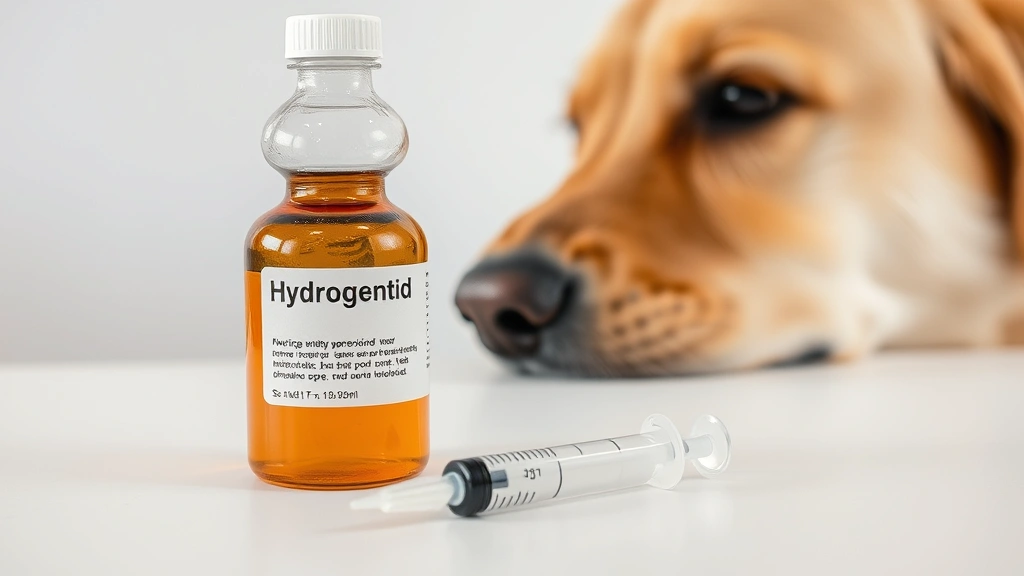
The hydrogen peroxide method is preferred because it’s relatively safe, quick-acting, and doesn’t require a prescription. However, effectiveness varies. Some dogs respond immediately, while others may need veterinary intervention with professional-grade medications like apomorphine or dexmedetomidine, which your vet can administer.
Activated Charcoal and Other Options
After successful vomiting, activated charcoal might be recommended to absorb any remaining toxins in your dog’s digestive system. This black powder binds to toxins and prevents further absorption into the bloodstream. Your veterinarian will determine if this step is necessary based on what your dog ingested.
Other professional methods your vet might use include:
- Apomorphine injection: A medication that directly triggers vomiting through the brain’s chemoreceptor trigger zone
- Gastric lavage: Stomach pumping performed under anesthesia, typically reserved for serious cases
- Endoscopy: A camera-guided procedure to visualize and sometimes remove foreign objects
These professional methods are more reliable than home remedies and allow your vet to monitor your dog’s vital signs throughout the process. They’re especially important when dealing with potentially dangerous items like bones or sharp objects.

When NOT to Induce Vomiting
This is absolutely critical: there are numerous situations where inducing vomiting is dangerous and could seriously harm your dog. Never attempt vomiting induction if:
- Caustic substances were ingested: Bleach, drain cleaners, oven cleaners, or any strong acids/alkalis can cause severe damage coming back up. These substances damage tissue going down and coming up.
- Sharp objects are involved: Bones, glass, metal, or needles could perforate the esophagus or stomach during vomiting.
- More than 3-4 hours have passed: The toxin has likely already moved into the small intestine where vomiting won’t retrieve it.
- Your dog is unconscious or seizing: There’s extreme aspiration risk, meaning vomit could enter the lungs.
- Your dog has a history of bloat or gastric dilatation-volvulus (GDV): These conditions can be life-threatening, and vomiting induction could worsen them.
- Your dog is pregnant or nursing: The stress and physical exertion could harm the pregnancy or lactation.
- Certain toxins like NSAIDs, corticosteroids, or heavy metals: Your vet may recommend different treatment approaches for these substances.
When in doubt, call your veterinarian first. A quick phone call takes five minutes and could prevent serious complications. Your vet can guide you through whether home induction is appropriate or if your dog needs immediate professional care.
Why Timing Matters
The window of opportunity for effective vomiting induction is surprisingly narrow. Here’s the physiological reality: your dog’s stomach begins moving ingested material into the small intestine almost immediately. Stomach acid and digestive enzymes start breaking down food and foreign substances right away.
Within 30 minutes to 2 hours, depending on what your dog ate and their individual metabolism, most materials have moved beyond the stomach. Once something reaches the small intestine, vomiting won’t bring it back up. This is why every minute counts in poisoning emergencies.
This timing urgency is why you should never wait to see if symptoms develop or hope the problem resolves itself. If you suspect poisoning, contact your vet or poison control immediately. They can assess whether induction is still possible based on the exact time of ingestion.
Common Toxic Substances and Exposure
Understanding what’s actually dangerous helps you respond appropriately. Some of the most common toxins dogs encounter include:
- Chocolate: Theobromine and caffeine toxicity; darker chocolate is more dangerous. Our guide on what to do if your dog eats chocolate covers this in detail.
- Xylitol: Found in sugar-free gum, candy, and baked goods; causes rapid insulin release and hypoglycemia
- Grapes and raisins: Cause acute kidney failure; the exact toxic component remains unknown
- Onions and garlic: Contain compounds that damage red blood cells
- Medications: Especially ibuprofen, acetaminophen, and prescription drugs meant for humans
- Antifreeze: Contains ethylene glycol; sweet-tasting but extremely toxic
The American Kennel Club maintains a comprehensive list of toxic foods that every dog owner should bookmark for quick reference.
What to Do After Your Dog Vomits
Successfully inducing vomiting is just the beginning. Proper aftercare is essential for your dog’s recovery:
Immediate steps:
- Examine the vomit for the ingested object or substance (wear gloves)
- Keep a sample if possible to show your veterinarian
- Don’t allow your dog to eat or drink immediately; wait at least 2 hours
- Monitor for signs of distress, continued vomiting, or lethargy
- Watch for any other symptoms related to the toxin exposure
Professional follow-up:
Even if vomiting seems successful, you should still contact your veterinarian. They may want to see your dog for evaluation, perform blood work to assess for organ damage, or recommend activated charcoal treatment. Some toxins cause delayed effects that only show up hours or days after exposure.
Your vet might also want to discuss preventive care, such as general health maintenance and ways to prevent future incidents. Additionally, understanding how to manage gastrointestinal issues helps you respond to future digestive problems more confidently.
Recovery nutrition:
Once your vet gives the all-clear, introduce bland foods gradually. Boiled chicken and rice are standard recovery meals. Avoid rich, fatty, or spicy foods for several days as your dog’s digestive system recovers from the trauma of vomiting induction.
Frequently Asked Questions
Can I use salt water or mustard to make my dog vomit?
No. These old home remedies are dangerous and ineffective. Salt water can cause hypernatremia (dangerous sodium levels), and mustard provides no reliable vomiting stimulus. Stick with hydrogen peroxide or professional veterinary methods.
What if my dog won’t swallow the hydrogen peroxide?
Some dogs resist the taste and smell. Try using a syringe to place it far back in their mouth, or mix it with a small amount of food if your vet approves. If your dog absolutely refuses, this is another reason to seek immediate veterinary care where professional medications can be administered.
How do I know if my dog actually needs vomiting induction?
You don’t—that’s why you call your veterinarian or poison control first. They’ll ask about the substance, amount, time of ingestion, and your dog’s age and health status. Based on this information, they’ll advise you on whether induction is necessary.
Is hydrogen peroxide safe for all dogs?
Most healthy adult dogs tolerate 3% hydrogen peroxide well, but puppies, senior dogs, and dogs with certain health conditions may have complications. Always consult your vet first, especially if your dog has pre-existing conditions.
What’s the success rate of home vomiting induction?
Hydrogen peroxide successfully induces vomiting in approximately 50-90% of dogs on the first dose. Success rates vary based on the individual dog, what they ate, and how much time has passed. This is why professional veterinary induction methods exist—they’re more reliable.
Can I induce vomiting if my dog is already vomiting?
No. If your dog is already vomiting naturally, you don’t need to induce it further. Focus on keeping them comfortable and call your vet to determine the cause and appropriate treatment.
How much does professional vomiting induction cost?
Emergency veterinary visits typically cost $200-$500 depending on your location and the specific procedures needed. Poison control consultation is often free. Many pet owners find this investment worthwhile for professional safety and peace of mind.





