
How to Safely Help Your Dog Gain Weight: Tips & Advice
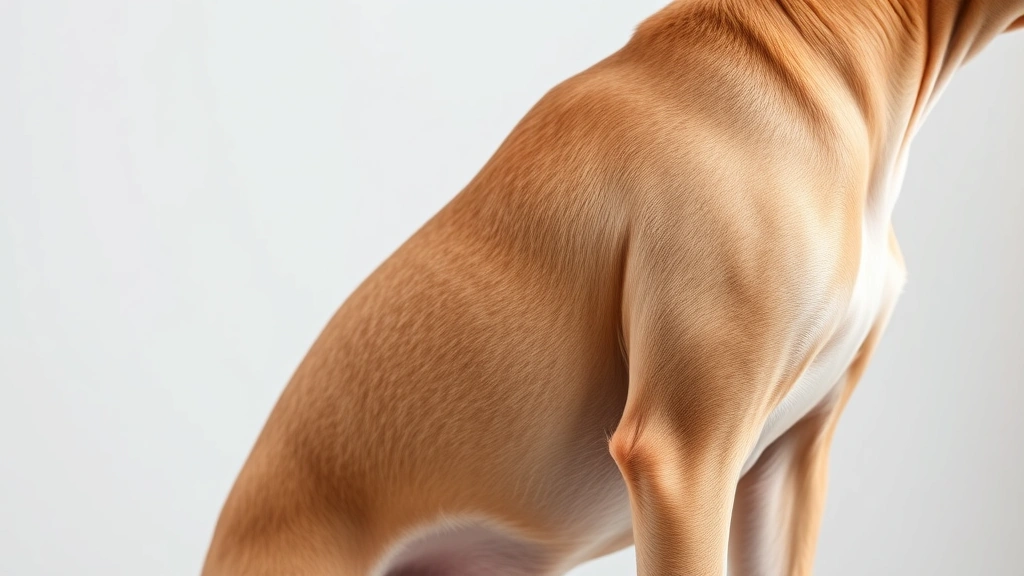
Is your furry best friend looking a little too lean? Noticing ribs that are a bit too prominent or a waistline that’s disappeared? You’re not alone—many dog owners face the challenge of helping their underweight pups pack on some healthy pounds. Whether your dog is recovering from illness, a picky eater, or simply has a naturally fast metabolism, understanding how to put weight on a dog safely is crucial for their overall health and wellbeing.
Weight management for dogs isn’t just about aesthetics; it’s about ensuring your canine companion has the energy and nutritional reserves they need to thrive. An underweight dog may struggle with immune function, temperature regulation, and overall vitality. The good news? With the right approach, patience, and professional guidance, you can help your dog achieve a healthy weight while strengthening your bond through mindful nutrition.
In this comprehensive guide, we’ll explore evidence-based strategies, nutritional approaches, and practical tips to help your dog gain weight the right way. Let’s dive into what you need to know!
Understanding Why Your Dog Might Be Underweight
Before diving into weight gain strategies, it’s essential to understand the root cause of your dog’s lean physique. There are numerous reasons why a dog might struggle to maintain a healthy weight, and identifying the underlying issue is the first step toward a solution.
Medical conditions are often the culprit. Parasites, thyroid disorders, digestive issues, dental problems, and metabolic disorders can all prevent your dog from absorbing nutrients properly or maintaining weight. Additionally, some dogs naturally have higher metabolisms—certain breeds and individual dogs simply burn calories faster than others. Senior dogs may also experience weight loss due to decreased appetite or dental deterioration.
Stress and anxiety can also impact your dog’s eating habits and weight. Environmental changes, loud noises, or household disruptions might cause your pup to lose interest in food. Meanwhile, some dogs are simply picky eaters, preferring certain textures or flavors over their current diet. Understanding why your dog’s appetite might fluctuate can help you address the real issue rather than just the symptom.

Consult Your Veterinarian First
This cannot be overstated: before implementing any weight gain strategy, schedule a comprehensive veterinary checkup. Your vet is your best ally in ensuring your dog’s weight concerns aren’t symptoms of an underlying health issue. They can perform blood work, assess your dog’s body condition, check for parasites, and evaluate dental health.
During your visit, discuss your dog’s medical history, current diet, activity level, and any behavioral changes you’ve noticed. Your veterinarian can rule out conditions like hyperthyroidism, diabetes, or inflammatory bowel disease that might be contributing to weight loss. They can also recommend an appropriate target weight for your dog’s breed, age, and individual circumstances.
According to the American Kennel Club, breed standards provide guidelines for healthy weight ranges, though individual dogs may vary. Your vet can help you determine what’s ideal for your specific companion. If your dog requires specialized nutrition due to health conditions, your veterinarian might recommend prescription diets or specific supplements.
Assess Your Dog’s Current Diet
Once you’ve ruled out medical issues, it’s time to evaluate what your dog is currently eating. Understanding how much food you should be feeding your dog is fundamental to making meaningful changes.
Check the caloric content of your current dog food. Many budget-friendly kibbles are surprisingly low in calories and may not provide enough energy for weight gain. Look at the ingredient list—is your dog eating quality proteins, or is the food mostly fillers? High-quality dog foods typically list meat as the first ingredient and contain appropriate fat levels for your dog’s age and activity level.
Consider keeping a food diary for a week. Note what, when, and how much your dog eats, along with any treats or table scraps. This information helps you identify patterns and calculate total daily caloric intake. Many owners are surprised to discover they’re not feeding as much as they think, or that treats are eating up a significant portion of the daily calorie allowance.
Increase Caloric Intake Gradually
The key to healthy weight gain is gradual increase. Don’t suddenly double your dog’s food portions—this can upset their digestive system and lead to gastrointestinal distress. Instead, increase calories by 10-25% every few days, allowing your dog’s digestive system to adjust.
Start by calculating your dog’s current daily caloric intake based on their current food and portions. Then, determine a realistic target weight and the calories needed to achieve it. As a general guideline, an average adult dog needs approximately 25-30 calories per pound of body weight daily, though this varies based on age, metabolism, and activity level.
You can increase calories by either feeding larger portions of the current food or switching to a higher-calorie formula. High-protein, high-fat foods are excellent for weight gain. Look for foods with protein levels of 25-30% and fat content of 15-20% or higher, depending on your dog’s specific needs.
Choose Nutrient-Dense Foods
Not all calories are created equal. When helping your dog gain weight, focus on nutrient-dense foods that provide substantial calories alongside essential vitamins and minerals. Quality matters more than quantity.
Premium dog foods designed for active or growing dogs typically contain higher protein and fat content. These foods support lean muscle development rather than just empty calories. Consider incorporating wholesome additions to meals like bone broth, which provides collagen and minerals. Learn more about whether bone broth is good for dogs and how to incorporate it safely.
Healthy supplements can also aid weight gain. Salmon oil adds omega-3 fatty acids and increases palatability. Eggs are excellent protein sources—many dogs find them irresistible. Plain cooked chicken, turkey, and beef are protein-rich options that can be mixed with kibble. Sweet potatoes are another nutritious addition; discover whether dogs can eat sweet potatoes and their nutritional benefits.
Some owners find success with wet or canned food, which often contains higher moisture and fat content than dry kibble. Mixing wet and dry food can increase overall caloric intake while maintaining digestive balance. You might also explore whether dogs can eat pumpkin, as this fiber-rich vegetable can support digestive health while you’re adjusting their diet.
According to the ASPCA, proper nutrition should include high-quality proteins, healthy fats, and essential vitamins and minerals. Avoid foods with excessive fillers, artificial preservatives, or by-products that provide little nutritional value.
Implement Feeding Strategy Changes
Beyond just changing what you feed your dog, adjusting how you feed them can significantly impact weight gain. Meal frequency and feeding environment matter more than many owners realize.
Instead of one or two large meals daily, consider feeding your dog three to four smaller meals spread throughout the day. This approach can help them absorb more calories and feels less overwhelming for dogs with sensitive stomachs. Some dogs simply eat better when not pressured by a large portion.
Create a calm, distraction-free feeding environment. Remove other pets during mealtime to reduce competition and stress. Keep feeding times consistent—dogs thrive on routine. If your dog is a slow eater, give them adequate time without rushing them away from their bowl.
Hand-feeding can work wonders for picky eaters or anxious dogs. Offering kibble by hand creates a positive association with eating and may encourage your dog to consume more. Some dogs also respond better to their food being slightly warmed, which enhances aroma and palatability.
If your dog is struggling to fatten up, consider whether treats and training rewards are interfering with their main meals. Adjust treat portions accordingly to ensure they’re eating enough of their nutrient-dense main food.
Monitor Progress and Adjust
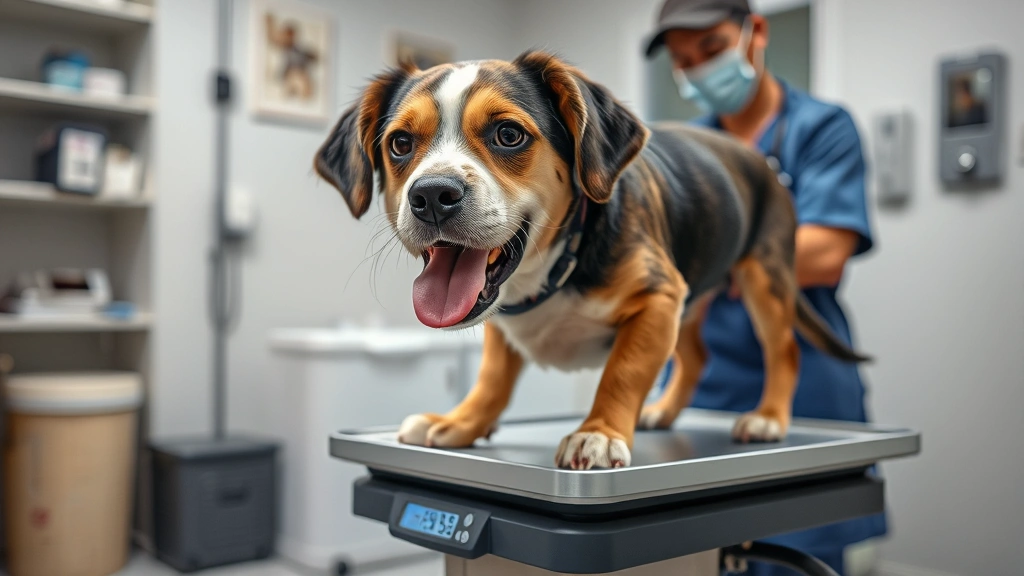
Successful weight gain requires consistent monitoring and willingness to adjust your approach based on results. Weigh your dog regularly—ideally weekly—to track progress. Most dogs should gain about 0.5-1 pound per week, though this varies by breed and target weight.
Beyond the scale, assess your dog’s body condition. You should be able to feel their ribs with gentle pressure but not see them prominently. They should have a visible waist when viewed from above. Consult AAHA (American Animal Hospital Association) body condition scoring charts to evaluate your dog’s progress objectively.
Keep detailed records of what you’re feeding, portion sizes, and your dog’s weight and appearance. This information helps you identify what’s working and what isn’t. If progress stalls after two weeks, increase portions further or switch to a higher-calorie food. If your dog develops digestive issues, slow down the transition or adjust the types of foods you’re introducing.
Regular veterinary check-ins are essential, especially during the weight gain process. Your vet can ensure your dog isn’t gaining too quickly (which can strain joints and organs) and that their overall health remains excellent. They can also adjust recommendations based on your dog’s individual response.
Remember that patience is crucial. Healthy, sustainable weight gain takes time. Rushing the process can lead to digestive problems, metabolic issues, or excessive fat gain rather than muscle development. Trust the process, stay consistent, and celebrate small victories along the way.
Frequently Asked Questions
How long does it take for a dog to gain weight?
Timeline varies based on your dog’s starting point, metabolism, and how aggressively you’re increasing calories. Most dogs begin showing visible weight gain within 2-4 weeks of dietary changes, though reaching an ideal target weight might take 2-3 months or longer. Consistency is more important than speed—gradual, sustainable weight gain is healthier than rapid changes.
Can I just give my dog more treats to help them gain weight?
While treats contain calories, they’re often nutritionally unbalanced and can create picky eating habits. Treats should make up no more than 10% of your dog’s daily caloric intake. Instead, focus on increasing portions of their main meal with nutrient-dense foods that provide complete nutrition.
What if my dog refuses to eat more food?
If your dog isn’t eating despite your efforts, consult your veterinarian to rule out underlying medical issues. You might also try warming food, adding enticing toppers like bone broth or salmon oil, hand-feeding, or switching to a more palatable food. Sometimes patience and environmental adjustments make all the difference.
Is it bad if my dog gains weight too quickly?
Rapid weight gain can strain joints, organs, and the cardiovascular system. It’s better to aim for gradual, steady gains of 0.5-1 pound weekly. If your dog is gaining faster than this, reduce portion sizes slightly and consult your veterinarian to ensure healthy development.
Should I change my dog’s exercise routine while they’re gaining weight?
Maintain moderate, consistent exercise appropriate for your dog’s age and health status. Exercise supports muscle development and overall health, making it an important component of healthy weight gain. Avoid strenuous exercise immediately after meals, but regular walks and play are beneficial.
What breeds are most prone to being underweight?
High-energy breeds like Border Collies, Vizslas, and Weimaraners often struggle with weight maintenance due to their metabolic rates. Senior dogs, rescued dogs recovering from neglect, and dogs with certain health conditions also frequently face weight challenges. Individual variation matters more than breed, however.
Are there prescription diets that help dogs gain weight?
Yes, veterinarians can prescribe specialized weight gain formulas for dogs with specific health conditions. These prescription diets are often higher in calories and tailored to support recovery or address underlying medical issues. Discuss options with your vet if your dog has special dietary needs.





