
How to Remove Dog Urine Smell: Expert Tips for a Fresh-Smelling Home
Let’s face it—dog urine has a reputation for being one of the most stubborn odors to eliminate from your home. Whether your furry friend had an accident on the carpet, left their mark on your favorite couch, or created a mystery puddle somewhere in the house, that pungent ammonia smell seems to linger no matter what you try. But here’s the good news: with the right approach and a little elbow grease, you can completely banish that unpleasant odor and restore your home to its fresh-smelling glory.
The challenge with dog urine isn’t just surface-level—it penetrates deep into fabrics, flooring, and padding, making it incredibly difficult to remove with standard cleaning methods. The longer urine sits, the more it breaks down and embeds itself into materials, creating a stubborn problem that requires strategic intervention. Fortunately, we’ve gathered expert tips and proven techniques to help you tackle this issue head-on, whether you’re dealing with a one-time accident or a recurring problem.
Understanding why dog urine smells so intensely and how to properly neutralize it is the key to success. Let’s explore the most effective methods to rid your home of dog urine smell once and for all.
Why Dog Urine Smells So Strong
Before we dive into removal techniques, it’s important to understand what makes dog urine such a formidable odor challenge. Dog urine contains urea, urochrome, and uric acid—compounds that create that distinctive ammonia-like smell we all know too well. When urine dries, these compounds concentrate, making the smell even more potent. Additionally, urine can crystallize in fabrics and flooring, which means the odor can actually get worse over time if not properly treated.
The ammonia in dog urine is particularly problematic because it’s volatile and easily becomes airborne, which is why you can smell it from across a room. Unlike some odors that simply fade with time, urine odors can persist for months or even years if the underlying problem isn’t addressed. This is especially true for older dogs or those with medical issues. If you’re noticing persistent accidents, you might want to explore whether there’s an underlying health concern—our guide on why your dog might be peeing blood covers some medical considerations, and learning how to treat dog UTI at home could be beneficial if that’s the issue.
Immediate Steps: Fresh Accidents
The moment you discover a fresh accident, time is your ally. Acting quickly can prevent the urine from fully penetrating deep into materials and making your job exponentially harder.
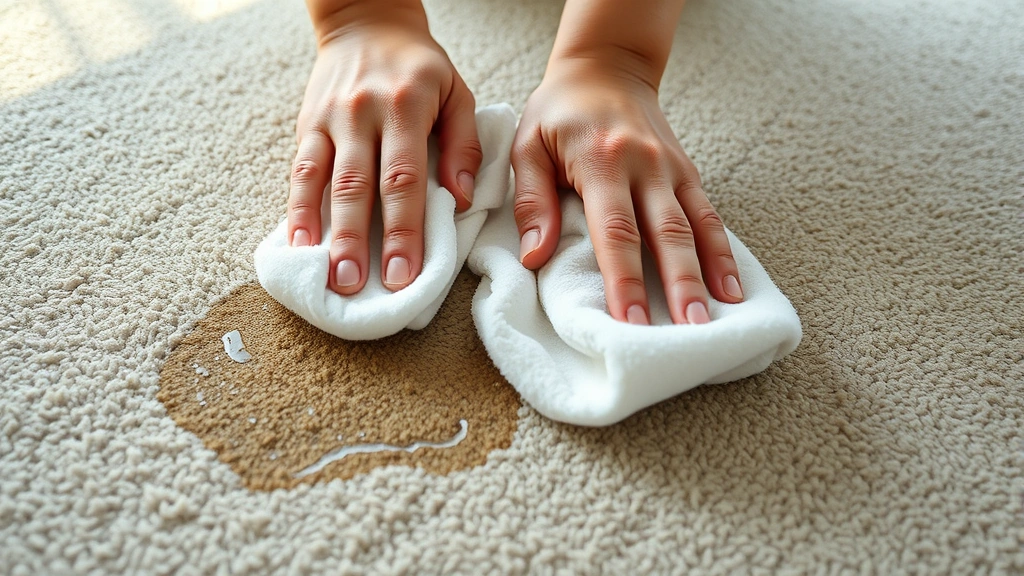
- Blot, don’t rub: Use paper towels or old towels to blot up as much urine as possible. Rubbing spreads the urine around and pushes it deeper into fibers.
- Absorb thoroughly: Place clean towels over the area and apply pressure for several minutes to absorb all moisture.
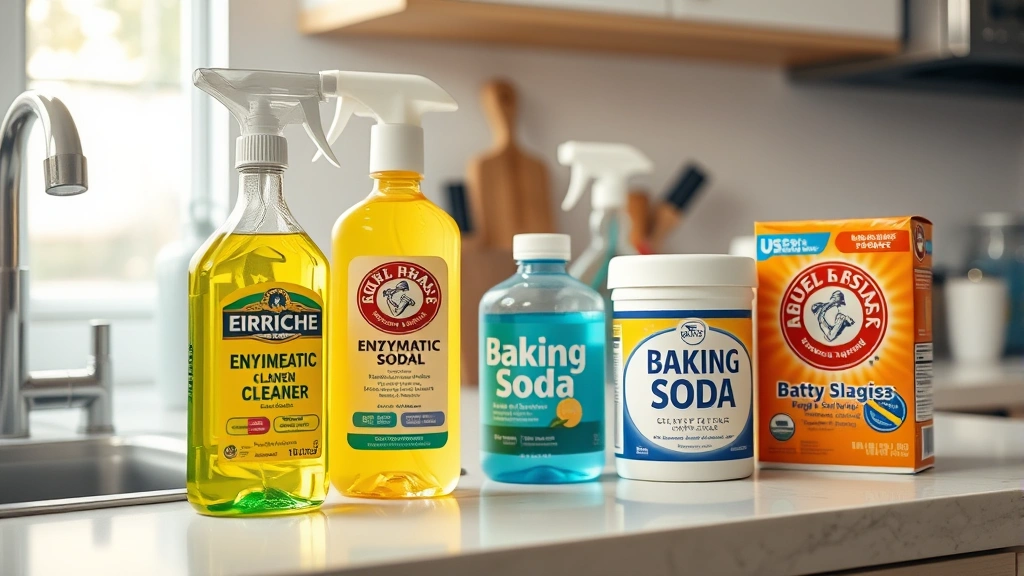
- Apply an enzymatic cleaner: Once you’ve removed the excess moisture, apply a quality enzymatic cleaner and let it sit according to product instructions (usually 24-48 hours).
- Rinse if necessary: Some cleaners require rinsing; others don’t. Follow the manufacturer’s directions carefully.
- Air dry completely: Ensure the area dries completely to prevent mold and to allow the enzymatic action to work fully.
Fresh urine is far easier to manage than old, set-in accidents. If you’re dealing with recurring accidents, addressing the behavioral issue is crucial. Check out our comprehensive guide on how to stop your dog from peeing in the house for strategies to prevent future incidents.
Deep Cleaning Methods for Carpets
Carpeting is the most common victim of dog urine accidents, and unfortunately, it’s also one of the most challenging surfaces to clean. The multi-layered construction of carpet—pile, backing, and padding—means urine can penetrate all the way to the subfloor.
The Vinegar and Baking Soda Method: This classic combination is surprisingly effective for fresh to moderately old stains. Mix equal parts white vinegar and water in a spray bottle, saturate the affected area, and let it sit for 5-10 minutes. Blot thoroughly, then sprinkle baking soda generously over the area. Let it sit overnight (or at least 8 hours), then vacuum thoroughly. The baking soda absorbs remaining odors as it dries.
Hydrogen Peroxide Treatment: For tougher stains, try a mixture of hydrogen peroxide (3%), baking soda, and dish soap. Combine one cup of hydrogen peroxide with three tablespoons of baking soda and a few drops of dish soap. Apply to the stain, let sit for 24 hours, then vacuum. This method is particularly effective but should be tested on hidden carpet areas first, as hydrogen peroxide can bleach some fabrics.
Professional Steam Cleaning: For stubborn, old stains, professional carpet cleaning with hot water extraction is often the most effective solution. Professional cleaners have equipment that reaches deep into carpet fibers and padding where home treatments can’t reach. Many use specialized enzymatic treatments designed specifically for pet urine.
If you’re also dealing with dog poop accidents in your carpet, the cleanup process requires some different considerations, so check out that guide for specific tips on solid waste removal.
Treating Furniture and Upholstery
Dog urine on couches, chairs, and other upholstered furniture requires a delicate balance between effectiveness and fabric preservation. The good news is that many furniture pieces can be treated successfully without professional intervention.
For Washable Covers: If your furniture has removable, washable covers, remove them immediately and wash in the hottest water safe for the fabric with enzymatic laundry detergent. This is often the easiest solution.
For Non-Removable Upholstery: Sprinkle baking soda liberally over the affected area and let it sit for at least 12 hours to absorb odors. Vacuum thoroughly, then apply an enzymatic upholstery cleaner. Follow the product instructions carefully, as over-wetting upholstery can lead to mold and mildew issues. Our detailed guide on removing dog pee smell from your couch provides step-by-step instructions for various furniture types and fabrics.
For Mattresses: Mattress accidents are particularly problematic since mattresses are difficult to clean thoroughly and can harbor moisture. If your dog has had an accident on a bed, immediate action is essential. Our comprehensive resource on getting dog pee out of mattresses covers multiple treatment methods, including enzyme treatments, baking soda applications, and when to consider replacement.
Hardwood and Tile Solutions
Hard flooring presents different challenges than carpet. While urine doesn’t penetrate tile and sealed hardwood as deeply, it can seep into grout lines and under floorboards, creating persistent odor problems.
For Tile Floors: Clean the surface thoroughly with a mixture of water and white vinegar, paying special attention to grout lines where urine tends to accumulate. For stubborn grout stains, use a small brush to work the cleaning solution into the lines. If the odor persists, apply a grout sealer to prevent future absorption.
For Hardwood Floors: Hardwood is more delicate and requires careful handling. Wipe up accidents immediately to prevent water damage. Use a barely damp cloth with a vinegar solution, followed by a dry cloth. Avoid excessive moisture, which can cause warping and damage. For older, set-in odors, you may need to refinish the affected area or apply a specialized hardwood odor eliminator.
For Subfloor Issues: If urine has soaked through to the subfloor, you’re dealing with a more serious problem. The subfloor may need enzymatic treatment or, in severe cases, replacement. This is when professional help becomes invaluable, as addressing subfloor damage requires expertise and specialized equipment.
Enzymatic Cleaners: Your Secret Weapon
Enzymatic cleaners are the gold standard for pet urine removal, and understanding how they work can help you use them more effectively. These cleaners contain live bacteria and enzymes that literally consume the organic compounds in urine—urea, uric acid, and other nitrogen-based compounds—breaking them down into non-odorous substances.
How to Use Enzymatic Cleaners Properly:
- Clean first: Remove any surface debris or dried urine before applying the enzymatic cleaner.
- Saturate thoroughly: Apply enough cleaner to reach all the urine, not just the surface. It needs to penetrate to where the urine has soaked.
- Let it work: Don’t rush the process. Most enzymatic cleaners need 24-48 hours to work effectively. Some require longer. Resist the urge to rinse or disturb the area during this time.
- Avoid heat: Heat can kill the enzymes, so avoid using heat sources like hair dryers or heat lamps during the treatment period.
- Allow complete drying: Let the area dry completely naturally. This gives the enzymes time to fully break down the urine compounds.
Popular enzymatic cleaner brands include Nature’s Miracle, Rocco & Roxie, and Rockin’ Green, all of which have strong reputations for effectiveness. When choosing an enzymatic cleaner, look for products specifically designed for pet urine and check reviews from other pet owners.
According to the ASPCA, enzymatic cleaners are the most effective method for eliminating pet odors at their source. This is because they address the root cause—the organic compounds—rather than simply masking the smell.
Natural Remedies That Actually Work
If you prefer to avoid commercial chemical cleaners, several natural remedies can be surprisingly effective, especially for fresh accidents or mild odors.
White Vinegar Solution: The acidity in white vinegar neutralizes ammonia. Mix equal parts white vinegar and water, apply to the affected area, let sit for 5-10 minutes, then blot thoroughly. The vinegar smell will dissipate as it dries, taking the urine odor with it.
Baking Soda: This natural deodorizer absorbs odors rather than masking them. Sprinkle generously over the area, let sit overnight, then vacuum. For added effectiveness, mix baking soda with a few drops of essential oil (like lavender) before applying.
Lemon Juice: The citric acid in lemon juice can help neutralize urine odors. Mix fresh lemon juice with water and apply to the affected area. Let sit for a few minutes before blotting.
Charcoal: Activated charcoal is excellent for absorbing odors. Place bowls of activated charcoal around the room (away from pets) to help eliminate lingering smells. This works best as a supplementary treatment rather than a primary solution.
Important Note: While natural remedies can be effective for fresh accidents and mild odors, they typically don’t work as well as enzymatic cleaners for older, more stubborn stains. For best results with natural methods, combine them—use vinegar first to neutralize, then baking soda to absorb remaining odors.
The American Kennel Club recommends enzymatic cleaners as the most effective solution, though they acknowledge that natural remedies can be helpful as part of a comprehensive approach.
Prevention and Long-Term Solutions
Once you’ve successfully eliminated the urine smell, preventing future accidents should be your priority. Prevention is always easier than remediation.
Address Behavioral Issues: If your dog is having repeated accidents inside, there’s usually an underlying cause. Whether it’s incomplete house training, anxiety, or a medical issue, identifying and addressing the root cause is essential. Our guide on stopping your dog from peeing in the house covers the most common causes and solutions.
Regular Bathroom Breaks: Ensure your dog has frequent opportunities to relieve themselves outside. Adult dogs typically need to go out 3-4 times daily, while puppies may need 5-6 times.
Protective Coverings: Consider using washable, absorbent pads or furniture protectors on areas where accidents are most likely to occur. These can be easily washed and replaced.
Enzymatic Maintenance: Periodically treat areas where accidents have occurred with enzymatic cleaners as a preventative measure, even if you can’t smell urine anymore. Lingering urine crystals can attract dogs back to the same spot.
Professional Odor Detection: For persistent odor problems, consider hiring a professional odor detection service. They use specialized equipment (like blacklights and enzymatic detection) to identify urine spots you might have missed, ensuring comprehensive treatment.
Veterinary Consultation: If your dog suddenly starts having accidents after being house-trained, consult your veterinarian. Changes in bathroom habits can indicate urinary tract infections, diabetes, kidney disease, or other medical conditions that require treatment.
Research published in veterinary journals shows that addressing underlying medical issues can resolve up to 70% of inappropriate elimination cases. This underscores the importance of ruling out health problems before assuming it’s purely a behavioral issue.
Frequently Asked Questions
How long does it take for dog urine smell to go away on its own?
Without treatment, dog urine smell can persist for months or even years. The urine breaks down and crystallizes, making the smell actually worse over time rather than better. That’s why active treatment is so important—you can’t simply wait for the smell to disappear.
Can I use bleach to clean dog urine?
No, you should avoid bleach when cleaning dog urine. Bleach can react with ammonia in urine to create toxic chlorine gas. Additionally, bleach can damage or discolor many flooring and fabric materials. Stick to enzymatic cleaners, vinegar, or baking soda instead.
What’s the difference between removing the stain and removing the smell?
A urine stain and urine odor are two different problems. You can remove the visible stain but still have the smell if you don’t fully neutralize the urine compounds. Conversely, you might not see a stain but still smell urine because the liquid has soaked deep into materials. This is why enzymatic treatment is so important—it addresses the invisible compounds causing the odor.
Why does my dog keep peeing in the same spot?
Dogs are attracted to areas where they’ve previously urinated because they can smell their own urine, even if you can’t. This is why thorough odor elimination is crucial for prevention. If you don’t completely remove the urine smell, your dog will keep returning to that spot. Make sure you’re using enzymatic cleaners that fully break down urine compounds, not just masking the smell.
Is it worth hiring professional cleaners for dog urine?
For stubborn, old stains or large affected areas, professional cleaners can be worth the investment. They have equipment and enzymatic treatments that can reach deep into carpets and furniture that home treatments can’t access. Professional cleaners also have experience identifying all affected areas, including spots you might have missed. Get multiple quotes and check reviews before hiring.
Can I use scented products to cover up dog urine smell?
Using perfumes, air fresheners, or scented products to mask dog urine smell is a temporary solution at best and can actually make the problem worse. These products don’t eliminate the odor—they simply cover it up temporarily, and the underlying problem continues to worsen. Additionally, your dog will still be attracted to the spot due to residual urine scent, making future accidents more likely.
How do I know if I’ve completely removed the urine smell?
The most reliable test is your nose, but since we can become nose-blind to smells in our own homes, ask a friend or family member to visit and let you know if they smell anything. You can also use a blacklight to identify any remaining urine spots you might have missed, though this works best in a dark room. If you’re still uncertain after thorough treatment, a professional odor detection service can confirm whether urine remains.
What if the smell keeps coming back?
If you’ve treated an area thoroughly but the smell returns, it likely means either you missed some urine spots, or your dog is having new accidents in the same location. Use a blacklight to check for missed spots and treat them with enzymatic cleaner. If your dog keeps returning to the same area, make sure you’re addressing any behavioral or medical issues causing repeated accidents.





