
How to Stop a Dog’s Nail Bleeding: Quick Tips and Expert Advice
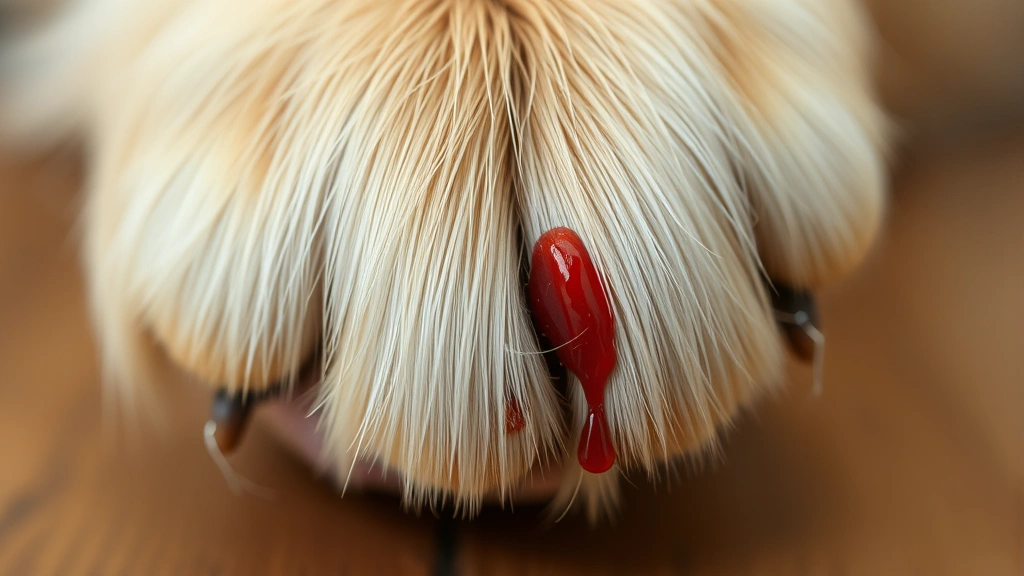
Picture this: you’re trimming your furry best friend’s nails at home, and suddenly you see a little red spot. Your heart skips a beat. Don’t panic! Bleeding from a dog’s nail is more common than you might think, and it’s usually nothing to lose sleep over. Whether you accidentally clipped too short or your pup’s nail broke during playtime, knowing how to handle the situation calmly and effectively can save you a stressful vet visit.
A dog’s nail contains a sensitive blood vessel called the quick, and when it’s exposed, bleeding happens. The good news? Most cases stop bleeding within minutes with the right approach. In this comprehensive guide, we’ll walk you through everything you need to know about managing bleeding dog nails, from immediate first aid to prevention strategies that’ll keep your pup’s paws in pristine condition.
Let’s dive into the practical solutions that’ll make you feel confident the next time this happens!
Immediate Steps to Stop the Bleeding
When you notice your dog’s nail is bleeding, the first thing to do is stay calm—your pup will pick up on your anxiety. The bleeding from a nail is almost always superficial and manageable at home. Here’s what you should do right away:
- Stop any nail trimming immediately if you’re in the middle of grooming
- Gently examine the nail to see the extent of the bleeding
- Keep your dog still and in a comfortable position
- Have someone help you if possible to keep your pup calm and steady
- Gather your supplies before you begin treatment
The key is acting quickly but without rushing. Most nail bleeding stops naturally within 5-15 minutes, but you can speed up the process with proper intervention. If your dog is anxious or struggling, take a moment to calm them with treats or soothing words before proceeding.
Understanding the Quick: Why Nails Bleed
To understand how to handle bleeding nails, you need to know what’s happening inside that little paw. Every dog nail contains a blood vessel and nerve ending called the quick. This quick extends from the base of the nail toward the tip, and its exact location varies depending on your dog’s nail color and health.
If you have a dog with light-colored nails, you can often see the quick as a dark dot or line in the center of the nail when you look at it from the bottom. However, if you’re learning how to trim black dog nails, spotting the quick becomes much trickier since the dark color masks it completely. This is why many pet owners accidentally cut into the quick when trimming dark nails.
When the quick is exposed, it bleeds because it contains a blood vessel. It also hurts, which is why your dog might yelp or pull away suddenly. The pain is temporary, but the bleeding can seem alarming if you’re not prepared for it. Understanding this anatomy helps you approach nail care more carefully in the future.
Essential First Aid Supplies You’ll Need
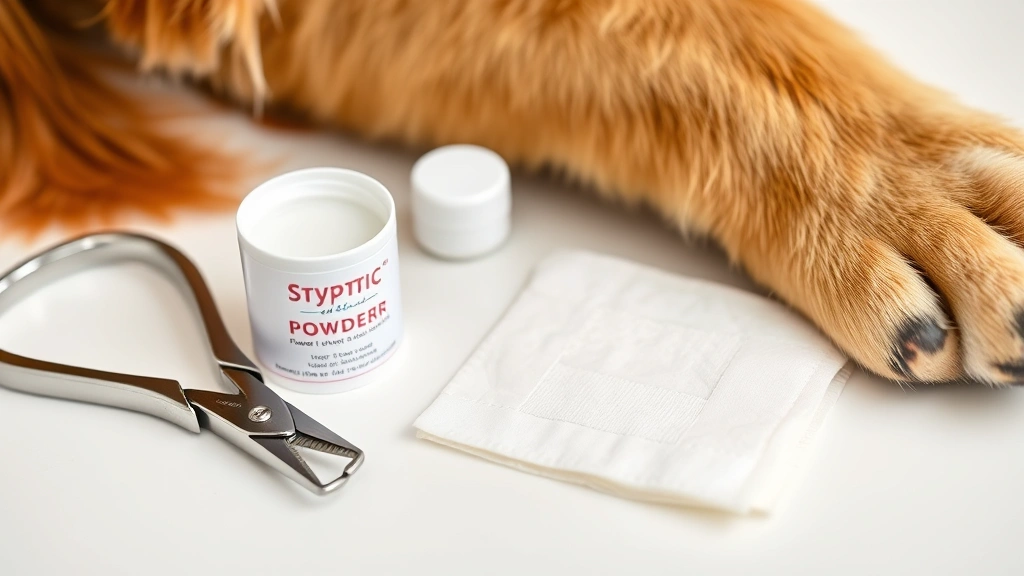
Being prepared is half the battle. Keep these items in an easily accessible first aid kit specifically for your dog’s grooming needs:
- Styptic powder or cornstarch – The MVP of bleeding nail management
- Clean gauze pads – For applying pressure and absorbing blood
- Hydrogen peroxide – For gentle cleaning (though some vets prefer saline solution)
- Cotton balls – An alternative to gauze if you don’t have any on hand
- Paper towels – For quick cleanup
- Treats – To reward your brave pup during and after treatment
- Flashlight – To see the nail clearly and assess the damage
Styptic powder is your best friend in this situation. This special powder contains ingredients that promote blood clotting and usually stops bleeding within 30 seconds to a minute. If you don’t have styptic powder, cornstarch works as a decent substitute, though it’s not quite as effective. Some pet owners have also found success with putting Neosporin on a dog after the bleeding stops, but check with your vet first about what’s safe for your specific pup.
Step-by-Step Process for Stopping Bleeding
Now that you understand the basics, let’s walk through exactly what to do when your dog’s nail starts bleeding. Follow these steps carefully:
Step 1: Assess and Comfort
First, take a moment to calm your dog. Speak in a soothing voice and offer treats to keep them relaxed. If your dog is severely panicked, consider having a family member help hold them gently. You want your pup to trust you and stay still during treatment.
Step 2: Clean the Area
Gently wipe away any blood with a clean gauze pad or cotton ball. This helps you see exactly where the bleeding is coming from. If you need to clean the nail, use lukewarm water or saline solution. Avoid harsh chemicals or alcohol, which can irritate the wound.
Step 3: Apply Styptic Powder
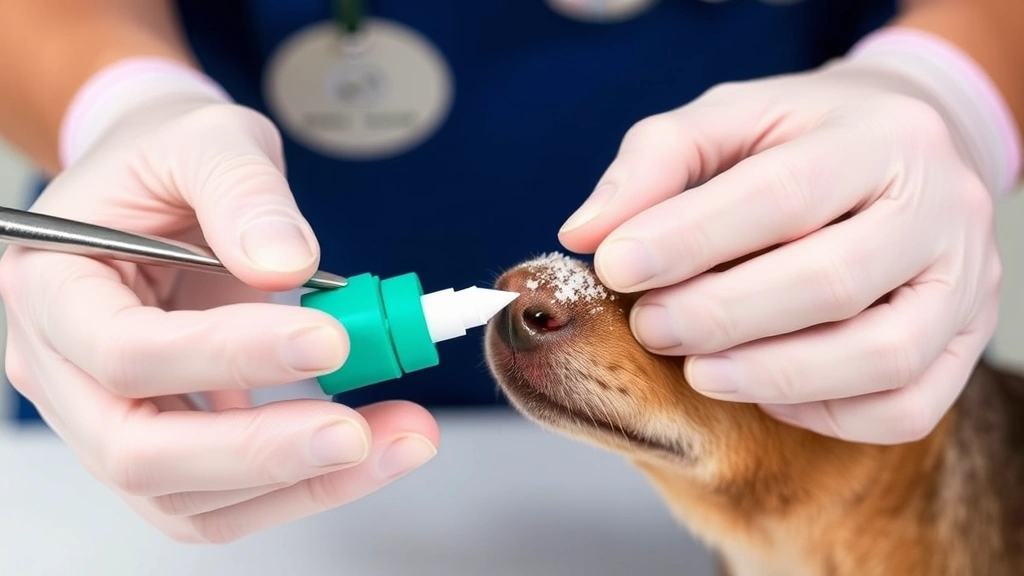
This is the crucial step. Take a small amount of styptic powder and apply it directly to the bleeding nail. You can either dip the nail into a container of powder or use a damp cotton ball to apply it. Press gently for 30-60 seconds. Your dog might feel a slight sting, but this is temporary. The powder works by causing the blood vessels to constrict, stopping the bleeding almost immediately.
Step 4: Apply Gentle Pressure
If styptic powder isn’t available, apply gentle pressure with a clean gauze pad for 5-10 minutes. This allows the blood to clot naturally. Don’t remove the gauze frequently to check on progress, as this can disrupt clotting.
Step 5: Monitor and Reward
After the bleeding stops, keep an eye on the nail for the next few hours. Most nails won’t bleed again once clotting has occurred. Reward your dog with extra treats and praise for being brave. If you’re concerned about infection, you might consider how to clean a dog wound properly, or reach out to your veterinarian for guidance.
Step 6: Prevent Licking and Further Injury
Your dog may want to lick or chew at the injured nail. While this is a natural instinct, it can introduce bacteria or cause further bleeding. Distract your pup with toys or activities for at least a few hours. If your dog is particularly persistent about licking, you might consider an Elizabethan collar temporarily.
When Should You Worry About Excessive Bleeding?
In the vast majority of cases, nail bleeding is minor and stops quickly. However, there are situations where you should contact your veterinarian:
- Bleeding doesn’t stop after 10-15 minutes of applying styptic powder and pressure
- The bleeding is profuse or spurting, which could indicate a larger vessel was hit
- Your dog seems to be in severe pain that doesn’t improve with time
- The nail area becomes swollen, red, or warm over the next 24-48 hours, suggesting infection
- Your dog has a bleeding disorder or is on blood-thinning medication
- You notice pus or discharge from the nail bed
- Your dog is limping or unable to bear weight on the affected paw
If any of these situations apply, don’t hesitate to call your vet. They can provide professional care and ensure there are no complications. According to the American Association of Feed Control Officials, proper pet health management includes knowing when professional intervention is necessary.
Prevention Tips for Future Incidents
The best way to handle bleeding nails is to prevent them from happening in the first place. Here are practical strategies to keep your dog’s nails healthy and intact:
Regular Trimming Schedule
The most important prevention measure is maintaining a regular nail trimming routine. Dogs with overgrown nails are more prone to breakage and splitting. Most dogs need their nails trimmed every 3-4 weeks, though this varies based on activity level and nail growth rate. If you struggle with nail color, learning how to cut dogs black toenails can make the process safer and more confident.
Invest in Quality Nail Clippers
Dull clippers are more likely to crush the nail rather than making a clean cut, which can lead to splitting and bleeding. Invest in professional-grade clippers and keep them sharp. There are several types available: scissor-style, guillotine-style, and grinder-style. Find the one that works best for you and your dog.
Know When to Stop Cutting
If you’re trimming your dog’s nails at home, be conservative with how much you cut. It’s better to trim a little less and do it more frequently than to risk hitting the quick. Look for the small dark dot or line in the center of the nail (if visible) and stop your cut just before reaching it.
Consider Professional Grooming
If you’re nervous about trimming your dog’s nails or if your dog has particularly dark nails, professional groomers have experience and tools to handle the job safely. They trim nails regularly and can spot potential issues before they become problems.
Provide Appropriate Exercise
Dogs that spend time on hard surfaces like concrete or pavement naturally wear down their nails. Regular walks on varied terrain can help keep nails at a manageable length and prevent overgrowth.
Monitor Nail Health
Check your dog’s nails regularly for signs of problems like overgrowth, splitting, or discoloration. Early detection can prevent bleeding incidents and other complications. If you notice anything unusual, consult your veterinarian.
Use Nail Grinders Carefully
Some owners prefer using electric nail grinders, which can be gentler than clippers. However, they require practice to use safely. If you go this route, start slowly and get your dog comfortable with the sound and sensation before actually grinding their nails.
According to the ASPCA, maintaining proper nail care is essential to your dog’s overall health and comfort. Regular nail maintenance prevents not just bleeding, but also pain, difficulty walking, and potential joint problems down the line.
Frequently Asked Questions
How long does it take for a dog’s nail to stop bleeding?
Most dog nail bleeding stops within 5-15 minutes with proper treatment using styptic powder. If you’re just applying pressure without styptic powder, it may take 10-20 minutes. If bleeding persists beyond 15 minutes of styptic powder application, contact your vet.
Is it safe to use cornstarch instead of styptic powder?
Yes, cornstarch is a reasonable alternative if you don’t have styptic powder on hand. However, it’s less effective and may require more time and pressure to stop bleeding. Keep actual styptic powder in your pet first aid kit for faster, more reliable results. Many pet owners keep both on hand for emergencies.
Can I use human bandages on my dog’s bleeding nail?
You can use a bandage as a temporary measure, but dogs typically don’t tolerate bandages well and will often lick or chew them off. It’s better to focus on stopping the bleeding first with styptic powder and pressure, then monitor the nail without a bandage unless your vet specifically recommends one.
What’s the difference between a bleeding nail and a broken nail?
A bleeding nail occurs when you accidentally cut into the quick during trimming. A broken nail happens when the nail cracks or splits, often due to trauma or overgrowth. Both can bleed, and both should be treated similarly. However, broken nails may require different long-term care depending on severity.
Should I apply antibiotic ointment after the bleeding stops?
After the bleeding has completely stopped, you may consider applying a safe topical treatment. However, check whether Neosporin is safe for dogs before applying it, as some dogs may have sensitivities. Many vets recommend simply keeping the area clean and monitoring it for infection. When in doubt, call your veterinarian for specific recommendations for your dog.
How can I prevent my dog from licking the bleeding nail?
Distract your dog with toys, treats, or activities immediately after the incident. If your dog is obsessively licking the nail over several hours, consider using an Elizabethan collar temporarily. Licking can introduce bacteria and potentially cause infection, so prevention is important.
Is there a difference in how I should treat bleeding nails for puppies versus adult dogs?
The treatment process is essentially the same regardless of age. However, puppies may be more anxious or squirmy, so patience and extra treats are especially important. Puppies’ nails are also thinner and bleed more easily, so be extra cautious during trimming. If you’re learning how to handle nails, puppy training time is perfect for practicing gentle technique.
Can a bleeding nail indicate a larger health problem?
In most cases, a bleeding nail is simply the result of cutting too short or trauma. However, if your dog’s nails bleed very easily or frequently without obvious cause, it could indicate a bleeding disorder or other health issue. Consult your veterinarian if you notice this pattern, as they can run appropriate tests.
How do I know if a bleeding nail has become infected?
Signs of infection include increased swelling, redness, warmth around the nail area, discharge of pus, or a foul odor. Your dog might also seem to be in more pain than expected or might limp. If you observe any of these signs, contact your vet promptly. For guidance on how to heal a dog wound fast at home, your veterinarian can provide specific advice for your situation.
What should I do if my dog won’t let me treat the bleeding nail?
If your dog is extremely resistant, try having a family member help comfort and hold them. Use high-value treats as motivation. If your dog is in severe pain or very aggressive about the nail, it’s okay to take a break and call your vet. They may be able to provide sedation or handle the situation professionally. Never force treatment if it’s causing excessive stress.





