
Is Your Dog Cold? Signs to Watch For
Winter walks, air conditioning blasts, and unexpected temperature drops can all leave our furry friends feeling chilly. But here’s the thing: dogs can’t tell us when they’re uncomfortable, so it’s up to us to recognize the signs. Whether you’re dealing with a sensitive Chihuahua or a hardy Husky, understanding how to tell if a dog is cold is essential for responsible pet ownership. Cold exposure isn’t just uncomfortable—it can lead to serious health complications like hypothermia and frostbite.
As a pet parent, you’ve probably noticed your dog acting differently during colder months. Maybe they’re reluctant to go outside, or they’re seeking warmth in unusual places around your home. These behavioral shifts are your pup’s way of communicating discomfort. The challenge is distinguishing between normal winter behavior and genuine signs of distress that warrant intervention.
In this comprehensive guide, we’ll explore the physical and behavioral indicators that your dog might be cold, discuss which breeds are more susceptible to cold temperatures, and provide practical tips to keep your canine companion comfortable year-round. Let’s dive in and make sure your best friend stays warm and cozy!
Physical Signs Your Dog Is Cold
The most obvious indicator that your dog is feeling chilly is visible shaking or trembling. This involuntary muscle contraction generates heat, which is your dog’s natural thermoregulation response. If you notice your pup shaking or trembling, it’s often a clear sign they need warmer conditions. However, it’s worth noting that excessive shaking can sometimes indicate stress or medical issues, so context matters.
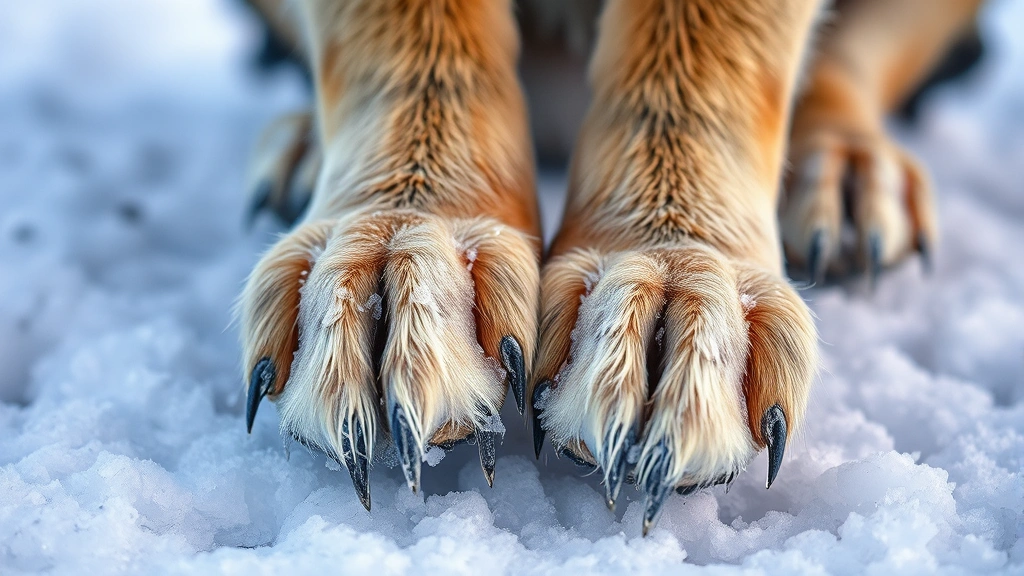
Another telltale physical sign is when your dog’s ears become cold to the touch. Run your fingers along the ear flaps and the tips—if they feel icy or noticeably colder than the rest of their body, your pup is likely losing heat rapidly. Similarly, check their paws and nose. A cold nose isn’t necessarily a problem, but extremely cold paws can indicate your dog needs to come inside and warm up.
Look for goosebumps or piloerection, where the hair on your dog’s body stands up. This is another natural response to cold temperatures, similar to what happens to humans. You might also notice your dog’s skin appearing pale or grayish, particularly on their nose, gums, and paw pads. This reduced blood flow to the extremities is the body’s way of conserving core heat, but it’s a sign your dog is genuinely uncomfortable.
Shivering is closely related to dog shivering, and while they might seem similar, it’s helpful to understand the distinction. Both are cold responses, but the intensity and duration matter. Continuous shivering that doesn’t stop once your dog is in a warm environment could indicate hypothermia developing.
Behavioral Changes That Indicate Cold
Dogs are incredibly expressive creatures, and their behavior often speaks louder than their barks when they’re uncomfortable. One of the most common behavioral signs is reluctance to go outside or engage in their usual outdoor activities. If your normally enthusiastic pup suddenly refuses their daily walk or spends minimal time in the yard during winter, they’re likely telling you it’s too cold.
You might notice your dog seeking out warm spots obsessively—curling up by heating vents, pressing against warm appliances, or constantly trying to climb onto your lap. While keeping your dog off the couch is a common training goal, allowing them on furniture during cold months can actually help them regulate body temperature. That said, if they’re fixated on warm spots to an unusual degree, it’s a red flag.
Anxiety or whining during cold weather is another behavioral indicator. Your dog might pace, whine persistently, or show signs of distress when preparing for outdoor time. Some dogs will try to rush back inside immediately or refuse to eliminate outside, which can create a frustrating cycle for pet parents. This behavior is your dog’s way of clearly communicating their discomfort with the temperature.
Decreased appetite and lethargy are also concerning behavioral changes. While it’s normal for dogs to be slightly less active during winter, a significant drop in energy levels or disinterest in food could indicate your dog is either too cold or dealing with an underlying health issue. It’s worth monitoring these changes closely, especially in senior dogs.
Some dogs develop anxious behaviors specifically tied to cold weather, such as excessive licking, panting, or trembling even when indoors. These stress responses warrant attention and might benefit from gradual acclimation to colder temperatures or consultation with your veterinarian.
Dog Breeds and Temperature Sensitivity
Not all dogs are created equal when it comes to cold tolerance. Breed characteristics, coat type, and body composition all play significant roles in how well your dog handles cold weather. Understanding your specific dog’s predisposition helps you provide appropriate care.
Small breeds are generally more susceptible to cold temperatures than larger dogs. Chihuahuas, Italian Greyhounds, Miniature Pinschers, and similar toy breeds have less body mass to generate and retain heat. These pint-sized pups often need sweaters or coats even at moderately cool temperatures. Their proximity to the ground also means their bellies are more exposed to cold surfaces and snow.
Dogs with short or thin coats, such as Boxers, Pit Bulls, Weimaraners, and Greyhounds, struggle in cold weather despite their size. These breeds lack the dense undercoat that provides insulation. Conversely, breeds with thick double coats—like Huskies, Malamutes, Bernese Mountain Dogs, and German Shepherds—are built for cold climates and can handle temperatures that would be dangerous for other dogs.
Senior dogs and puppies are more vulnerable to temperature extremes. Older dogs have decreased circulation and may have arthritis or other conditions that make them more sensitive to cold. Puppies haven’t fully developed their thermoregulation abilities yet, so they need extra protection. Dogs with health conditions, particularly heart or respiratory issues, also struggle with temperature regulation.
Body fat percentage matters too. Lean, athletic dogs may feel cold more quickly than dogs carrying extra weight. However, obesity isn’t a healthy solution to cold sensitivity! Instead, focus on appropriate layering and limiting outdoor exposure for cold-sensitive breeds.
Health Risks of Cold Exposure
Understanding the potential health consequences of prolonged cold exposure motivates us to take preventative action. Hypothermia is the most serious risk, occurring when your dog’s core body temperature drops dangerously low. Early signs include shivering, lethargy, and confusion, but severe hypothermia can lead to loss of consciousness, organ damage, and death.
Frostbite is another critical concern, particularly affecting extremities like paws, ears, tail, and nose. Frostbite occurs when tissue actually freezes, and initial signs might be subtle—pale or grayish skin that becomes red and swollen as it thaws. Severe frostbite can result in permanent damage or tissue loss. According to the ASPCA’s winter safety guidelines, frostbite can develop quickly in extreme conditions.
Dry skin and irritation are more common cold-weather complaints. Indoor heating combined with cold outdoor air strips moisture from your dog’s skin and coat, leading to itching, flaking, and discomfort. Some dogs develop secondary infections from excessive scratching.
Cold exposure can exacerbate existing health conditions. Dogs with arthritis experience increased pain and stiffness in cold temperatures. Heart conditions may worsen, and respiratory issues can be triggered by cold air. If your dog has any pre-existing health concerns, discuss cold-weather care with your veterinarian.
It’s also worth considering that illness might be mistaken for cold sensitivity. If your dog suddenly seems more cold-sensitive than usual, it could indicate they’re developing a fever or fighting an infection. Learn how to tell if a dog has a fever to rule out illness. Additionally, dogs can get colds just like humans, and viral infections might make them seem unusually cold-sensitive.
Prevention and Warming Strategies
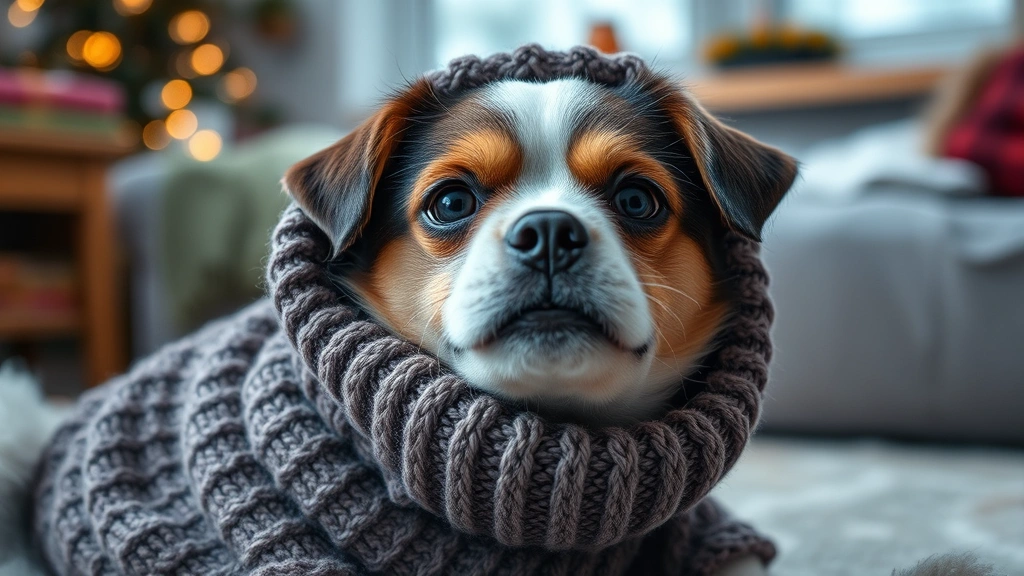
The best approach to cold-related issues is prevention. Start by investing in appropriate cold-weather gear for your dog. Dog sweaters, coats, and booties aren’t just fashionable—they’re functional pieces that protect your pup’s health. Choose garments that fit properly without restricting movement, and ensure they cover the back, sides, and belly where heat loss is most significant.
Limit outdoor exposure during extreme cold. A good rule of thumb from veterinary experts is to keep outdoor time brief when temperatures drop below 32°F (0°C), and extremely brief or eliminated entirely below 0°F (-18°C). Paws are particularly vulnerable to ice, salt, and cold, so consider booties and paw protection. After outdoor time, wipe down your dog’s paws and belly to remove salt, ice, and chemicals.
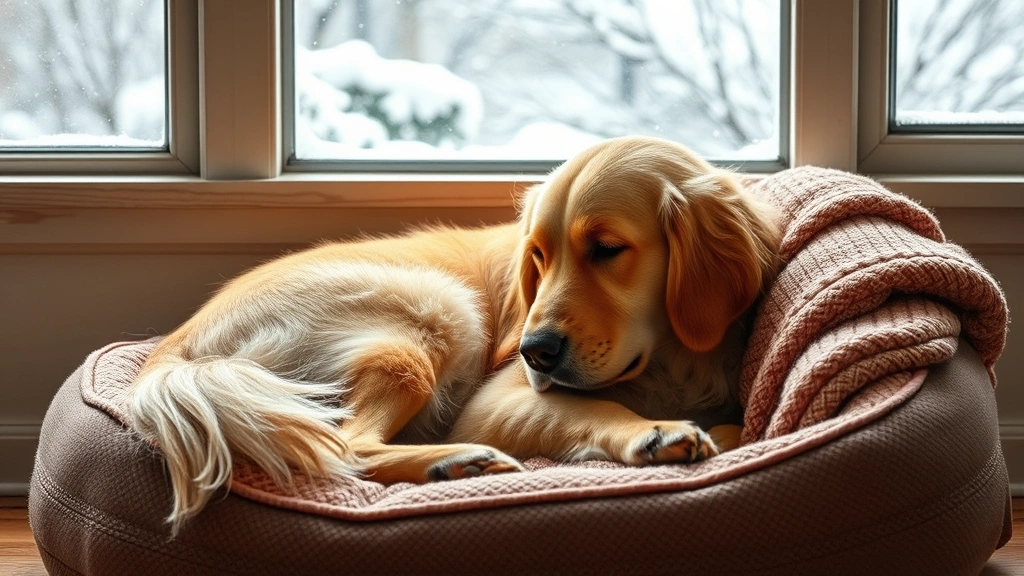
Create a warm, comfortable resting area indoors. Your dog needs a cozy spot away from drafts, with bedding that insulates from cold floors. Orthopedic beds with memory foam provide extra comfort and warmth. During extremely cold weather, you might even set up a temporary sleeping area in a warmer room of your house.
Maintain proper nutrition and hydration. Cold weather increases caloric needs as your dog’s body works to maintain temperature. Ensure your pup has access to fresh water at all times—dehydration is common in winter when dogs drink less frequently. Consider slightly increasing food portions during cold months, but monitor weight to avoid obesity.
Keep your home at a comfortable temperature. While you want to stay warm too, avoid overheating your home, which can create uncomfortable temperature fluctuations when your dog goes outside. A consistent indoor temperature around 68-72°F (20-22°C) is ideal for most dogs.
Never leave your dog outside unattended in cold weather, even for brief periods. Things can change quickly, and you need to monitor your pup’s condition. Additionally, ensure your dog has access to shelter if they spend time outside, with protection from wind and precipitation.
Creating a Cozy Indoor Environment
During cold months, your home becomes your dog’s primary environment. Making it comfortable and warm-friendly is essential for their wellbeing. Beyond just adjusting your thermostat, there are specific ways to optimize your indoor space for a cold-sensitive pup.
Invest in quality dog bedding designed for warmth. Orthopedic beds with thermal properties, heated dog beds (with safety features), and blankets create comfortable nesting spots. Place bedding away from cold windows and exterior doors where drafts occur. Many dogs appreciate the security of enclosed bed designs or crate bedding that helps trap warmth.
Humidity levels matter too. Dry indoor air exacerbates skin irritation caused by cold weather. Use a humidifier to maintain indoor humidity between 30-50%. This helps your dog’s skin and coat stay healthier and reduces respiratory irritation from dry air.
Provide mental stimulation indoors during periods when outdoor activity is limited. Puzzle toys, interactive games, and training sessions keep your dog engaged and mentally stimulated. This is especially important since dogs sleep quite a bit, and you want their waking hours to be enriching. Indoor play also generates body heat and keeps your pup active.
Consider the placement of food and water bowls. Keep them away from cold areas and ensure water doesn’t freeze if your dog has outdoor access to water stations. Some dogs prefer slightly warmed water during cold months, which can also encourage them to drink more.
Maintain regular grooming even during winter. While a longer coat provides insulation, mats and tangles actually reduce the coat’s insulating properties. Regular brushing keeps the coat healthy and maximizes its natural warmth-retention abilities. However, avoid excessive bathing in winter, as it strips natural oils from the coat.
Frequently Asked Questions
At what temperature should I bring my dog inside?
Most veterinarians recommend bringing dogs inside when temperatures drop below 32°F (0°C), especially for small breeds, senior dogs, and those with thin coats. Below 0°F (-18°C), outdoor time should be minimal or eliminated. However, individual tolerance varies, so observe your specific dog’s behavior and adjust accordingly.
Can I leave my dog outside in winter if they have a thick coat?
Even thick-coated breeds shouldn’t be left outside continuously in extreme cold. While breeds like Huskies and Malamutes tolerate cold better, they still need shelter, access to unfrozen water, and regular check-ins. No dog should be left outside in dangerous weather conditions, regardless of coat type.
Is a dog sweater necessary, or is it just a fashion statement?
For many dogs, particularly small breeds and those with short coats, a dog sweater is a functional necessity, not a fashion choice. It provides essential warmth and protection. However, healthy adult dogs with thick coats might not need sweaters in mild cold. Assess your individual dog’s needs based on breed, age, health, and climate.
How can I tell the difference between cold sensitivity and illness?
Cold sensitivity typically shows clear seasonal patterns and improves when your dog is warmed. Illness often includes additional symptoms like fever, vomiting, diarrhea, or behavioral changes unrelated to temperature. When in doubt, consult your veterinarian. Understanding how to identify fever in dogs helps distinguish between the two.
Should I use a heated dog bed?
Heated dog beds can be wonderful for cold-sensitive dogs, particularly seniors and small breeds. Choose beds with safety certifications and automatic shut-off features. Monitor your dog initially to ensure they don’t overheat, and place the bed away from water sources. According to the American Kennel Club’s winter care guidelines, heated beds should be used responsibly as part of a comprehensive cold-weather strategy.
Can puppies and senior dogs handle cold differently?
Yes, both puppies and senior dogs are more vulnerable to cold than adult dogs in their prime. Puppies haven’t fully developed temperature regulation, while senior dogs often have decreased circulation and may have arthritis or other conditions that make cold more uncomfortable. Both groups need extra protection and shorter outdoor exposure times.
What should I do if I suspect my dog has hypothermia?
If you suspect hypothermia, bring your dog inside immediately and contact your veterinarian or emergency vet clinic. Gradually warm your dog using blankets and body heat—avoid rapid warming, which can cause complications. Offer warm (not hot) water if your dog is conscious and able to drink. According to the Veterinary Information Network, professional veterinary care is essential for suspected hypothermia cases.
Are there any supplements that help dogs tolerate cold better?
While omega-3 fatty acids support overall coat and skin health, they don’t dramatically increase cold tolerance. The best approach is proper nutrition, appropriate clothing, and limiting cold exposure. Always consult your veterinarian before introducing supplements, as individual dogs have different nutritional needs.





