
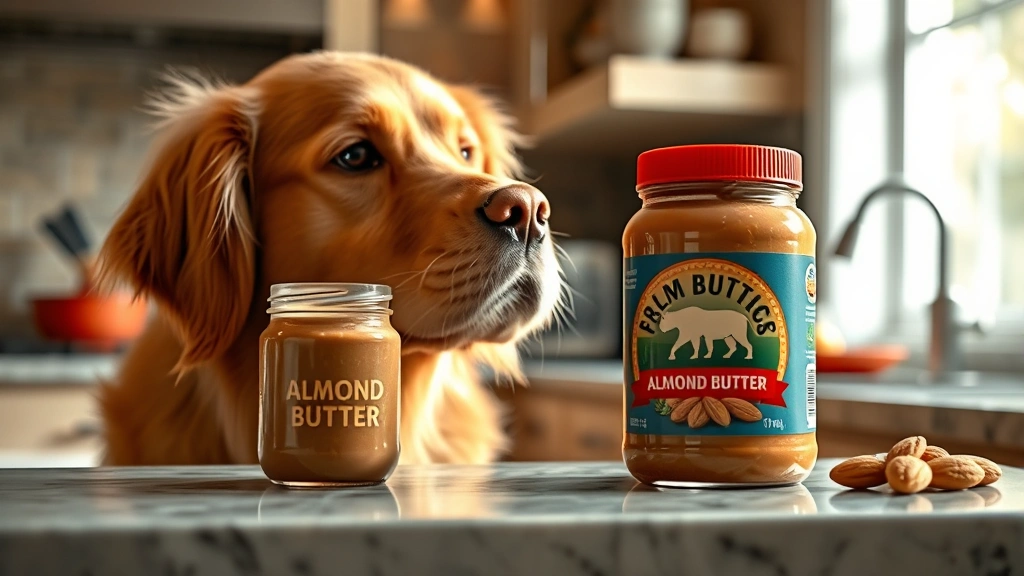
Is Almond Butter Safe for Dogs? Vet-Approved Guide
If you’re a dog parent who loves spreading almond butter on your morning toast, you’ve probably wondered whether your furry best friend can enjoy this creamy treat too. It’s a question that deserves a thoughtful answer, especially when it comes to keeping your pup safe and healthy. The good news? Almond butter can be safe for dogs in moderation, but there are several important factors you need to understand before offering it to your four-legged companion.
Many pet owners assume that because almond butter is a natural product made from wholesome ingredients, it must be automatically safe for their dogs. However, the reality is a bit more nuanced. While almond butter doesn’t contain the same toxic ingredients found in some other foods, it does come with its own set of considerations that every responsible dog owner should know about.
In this comprehensive guide, we’ll explore everything you need to know about feeding almond butter to your dog, including nutritional benefits, potential risks, and practical tips for safely incorporating it into your pup’s diet.
Is Almond Butter Safe for Dogs?
The straightforward answer is: yes, plain almond butter is generally safe for dogs when given in appropriate amounts. Unlike peanut butter, which contains compounds that can be problematic in certain formulations, almond butter doesn’t pose the same immediate toxicity concerns. However, “safe” doesn’t mean it should become a dietary staple for your pup.
According to veterinary nutritionists, the key to safely feeding almond butter to dogs lies in understanding portion control and ingredient transparency. Your dog’s digestive system can process almond butter without severe complications, but that doesn’t mean it’s an ideal treat. The high fat content means it should be considered an occasional indulgence rather than a regular snack.
When comparing almond butter to potential peanut butter concerns, almond butter actually offers some advantages. It contains fewer allergens and doesn’t carry the risk of aflatoxin contamination that can occasionally affect peanuts. That said, moderation remains the golden rule.
Nutritional Benefits of Almond Butter
Almond butter does contain several nutrients that can benefit your dog’s health when consumed in small quantities. Understanding these benefits helps explain why many pet owners are interested in sharing this treat with their companions.
Protein Content: Almond butter contains approximately 7 grams of protein per 2-tablespoon serving, making it a decent protein source. Protein is essential for maintaining your dog’s muscle mass, supporting immune function, and promoting healthy skin and coat.
Healthy Fats: The fats in almond butter are primarily unsaturated fats, including omega-3 and omega-6 fatty acids. These can support cognitive function and promote a shiny, healthy coat. However, the high fat content also means calories add up quickly.
Vitamins and Minerals: Almond butter contains vitamin E, magnesium, and potassium—all nutrients that support various bodily functions in dogs. Vitamin E acts as an antioxidant, while magnesium supports muscle and nerve function.
Fiber: The fiber content in almond butter can support digestive health, though only in very small amounts since we’re talking about tiny portions for dogs.

Risks and Concerns
While almond butter isn’t toxic to dogs, it does come with several considerations that warrant caution. Understanding these risks helps you make informed decisions about whether this treat is appropriate for your specific dog.
High Fat Content: This is the primary concern with almond butter. A 2-tablespoon serving contains about 18 grams of fat. For a small dog weighing 10 pounds, this represents a significant portion of their daily caloric intake. Excessive fat consumption can lead to pancreatitis, a serious and potentially life-threatening inflammation of the pancreas. Dogs with a history of pancreatitis should absolutely avoid almond butter.
Caloric Density: Almond butter packs approximately 190 calories per 2-tablespoon serving. For perspective, a small dog might have a daily caloric allowance of 300-500 calories. This means a single serving of almond butter could represent 40% of their daily intake. Overfeeding treats contributes to obesity, joint problems, and metabolic issues.
Digestive Upset: Some dogs have sensitive digestive systems and may experience upset stomach, diarrhea, or vomiting after consuming almond butter. The high fat content can be particularly problematic for dogs with sensitive tummies.
Choking Hazard: The thick, sticky consistency of almond butter can pose a choking risk, particularly for enthusiastic eaters or dogs who don’t chew thoroughly. Always supervise your dog when offering any nut butter.
Allergic Reactions: While less common than peanut allergies, some dogs may have almond allergies. Signs include itching, hives, swelling, or gastrointestinal distress. If your dog exhibits any of these symptoms after consuming almond butter, contact your veterinarian immediately.
The Xylitol Danger
This is perhaps the most critical concern when it comes to almond butter and dogs. While pure almond butter is safe, many commercial brands contain xylitol, an artificial sweetener that is extremely toxic to dogs.
Xylitol causes a rapid release of insulin in dogs’ bodies, leading to severe hypoglycemia (low blood sugar) and potentially fatal liver damage. Even small amounts can cause serious harm. According to the ASPCA, xylitol toxicity is a veterinary emergency requiring immediate treatment.
This is why reading ingredient labels is absolutely essential. Before offering any almond butter to your dog, you must verify that it contains absolutely no xylitol or other artificial sweeteners. Look for products with simple ingredient lists: almonds and salt, ideally. If the label lists sugar alcohols or doesn’t clearly state all ingredients, avoid it.
Many premium and health-conscious almond butter brands do contain xylitol, so don’t assume that “natural” or “organic” labels mean it’s safe for dogs. Always read the fine print.

How Much Almond Butter Can Dogs Have?
If you’ve confirmed that your almond butter contains no xylitol and you want to offer it to your dog, portion control is absolutely critical. Here’s a practical guide based on dog size:
- Small Dogs (under 15 lbs): No more than ½ teaspoon, once or twice weekly at most
- Medium Dogs (15-50 lbs): No more than 1 teaspoon, once or twice weekly at most
- Large Dogs (over 50 lbs): No more than 2 teaspoons, once or twice weekly at most
These portions should count toward your dog’s daily treat allowance. The general rule is that treats should make up no more than 10% of your dog’s daily caloric intake, with the remaining 90% coming from their regular balanced diet.
For dogs with any health conditions—especially pancreatitis, obesity, diabetes, or digestive sensitivities—consult your veterinarian before offering almond butter. Some dogs should avoid it entirely.
Safe Serving Tips
If you decide to offer almond butter to your dog, following these guidelines will help minimize risks:
- Verify the Ingredient List: Check for xylitol and other artificial sweeteners. The ingredient list should be minimal and recognizable.
- Choose Natural Varieties: Select almond butter with no added sugars, oils, or salt. Brands with just almonds are ideal.
- Start Small: Introduce almond butter gradually to monitor for adverse reactions. Start with just a tiny taste.
- Mix with Other Foods: Rather than offering almond butter straight, mix a small amount into their regular food to dilute it and reduce choking risk.
- Use as a Rare Treat: Reserve almond butter for special occasions rather than making it a regular snack.
- Supervise Always: Never leave your dog unattended with almond butter. Watch for choking and monitor their response.
- Store Safely: Keep almond butter containers secured and out of reach. Accidental ingestion of large quantities could cause serious problems.
- Freeze for Longevity: Spreading a tiny amount on a frozen treat can make it last longer and reduce choking risk.
Healthier Alternatives
While almond butter can be offered occasionally, several alternatives provide similar satisfaction with fewer risks. These options are often better choices for regular treats:
Dog-Specific Nut Butters: Some companies produce peanut and almond butters specifically formulated for dogs, with guaranteed xylitol-free formulas and appropriate portions.
Plain Peanut Butter: Interestingly, peanut butter can be an alternative, provided it contains no xylitol. Many dogs find it equally appealing, and it’s often more affordable.
Whole Nuts: If you’re interested in nut-based treats, learn what nuts can dogs eat. Some whole nuts, like cashews in moderation, can be safer than nut butters since they reduce choking risk.
Almonds Themselves: If your dog enjoys almonds, you might wonder about whether dogs can eat almonds directly. Whole almonds are generally safer than almond butter since they don’t pose the same choking hazard if properly chewed.
Fruit and Vegetable Treats: Apples, bananas, carrots, and green beans provide natural sweetness and nutrition with minimal fat and fewer calories. Many dogs love these alternatives.
Plain Yogurt: Unsweetened, plain yogurt offers protein and probiotics without the high fat content of nut butters.
Sweet Potato: Baked or boiled sweet potato provides natural sweetness, fiber, and nutrients without any safety concerns.
Understanding why dogs like peanut butter can help you find satisfying alternatives. Often, it’s the creamy texture and rich taste that appeals to them, which many of these alternatives can provide.
Frequently Asked Questions
Can dogs eat almond butter every day?
No. Almond butter should be an occasional treat, not a daily food. The high fat and calorie content makes daily consumption inappropriate for most dogs. Reserve it for special occasions, no more than once or twice weekly in tiny portions.
What should I do if my dog ate a large amount of almond butter?
If your dog consumed a significant quantity of almond butter, monitor them closely for signs of pancreatitis (vomiting, abdominal pain, lethargy) or other digestive upset. If the almond butter contained xylitol, contact your veterinarian or ASPCA Animal Poison Control immediately—this is a medical emergency. Even without xylitol, large amounts can cause gastrointestinal distress requiring veterinary attention.
Are there any dog breeds that shouldn’t eat almond butter?
While all dogs should consume almond butter sparingly, certain breeds require extra caution. Dogs predisposed to pancreatitis (like Schnauzers and Dachshunds), overweight dogs, and senior dogs with digestive issues should avoid it entirely. Always consult your vet about your specific dog’s health status.
Can puppies eat almond butter?
Puppies have developing digestive systems and different nutritional needs than adult dogs. It’s best to avoid almond butter entirely for puppies and focus on age-appropriate puppy food. Once they’re adults, the same guidelines apply as for other dogs.
How do I know if my dog is allergic to almonds?
Signs of almond allergy include itching, hives, facial swelling, vomiting, diarrhea, or difficulty breathing. If you notice any of these symptoms after your dog consumes almond butter, stop offering it immediately and contact your veterinarian. Allergic reactions can escalate quickly.
Is organic almond butter safer for dogs?
“Organic” doesn’t automatically mean safer for dogs. The most important factor is checking the ingredient list for xylitol and other additives. An organic almond butter with xylitol is more dangerous than a conventional brand without it. Read labels carefully regardless of the “organic” designation.
Can almond butter cause pancreatitis in dogs?
Yes, almond butter’s high fat content can trigger pancreatitis in susceptible dogs. Pancreatitis is a serious, potentially life-threatening condition. Dogs with a history of pancreatitis should never consume almond butter. Even for healthy dogs, excessive fat intake increases the risk.
What’s the difference between almond butter and peanut butter for dogs?
Both contain high fat and calories, but peanut butter is often slightly higher in protein. The main difference is that almond butter has fewer allergens. Both pose similar risks regarding xylitol contamination. Choose based on your dog’s preferences and any specific health concerns, but never assume either is safe without checking ingredients.





