

Is Bacon Grease Safe for Dogs? Expert Insights
We’ve all been there—you’re cooking up a delicious breakfast, the bacon sizzles in the pan, and suddenly your furry best friend appears at your feet with those irresistible puppy-dog eyes. Before you’re tempted to share that crispy strip or drizzle of bacon grease, let’s pump the brakes and talk about what’s actually safe for your canine companion. While bacon might smell like heaven to your pup, bacon grease presents some serious health concerns that every dog owner should understand.
The question of whether bacon grease is good for dogs isn’t as simple as yes or no—it requires a nuanced understanding of canine nutrition, digestive health, and the specific risks associated with fatty foods. As pet parents, we want to show our dogs love through treats, but sometimes the most loving thing we can do is say no to the foods that could harm them.
This comprehensive guide will break down everything you need to know about bacon grease and your dog’s health, including why veterinarians consistently advise against it, what happens if your dog accidentally consumes it, and what safer alternatives exist for rewarding your pup.
What Exactly Is Bacon Grease?
Bacon grease is the rendered fat left over after cooking bacon strips. It’s primarily composed of saturated fat, with trace amounts of salt, smoke flavoring, and other seasonings depending on how the bacon was prepared. While humans might use it to add flavor to vegetables or store it in their refrigerator for cooking purposes, this liquid fat is fundamentally different from the balanced nutrition dogs need.
When bacon cooks, the fat renders out and becomes concentrated—meaning the health risks are amplified compared to eating a single bacon strip. A tablespoon of bacon grease contains approximately 120 calories and 13 grams of fat, which is substantial for a medium-sized dog and represents a significant portion of their daily fat intake.
It’s important to understand that not all fats are created equal in a dog’s diet. While dogs do require fat for healthy skin and coat, the type and amount matter tremendously. The saturated fat in bacon grease is particularly problematic because it’s the type most likely to cause digestive upset and contribute to obesity.
The Health Risks of Bacon Grease for Dogs
The risks associated with bacon grease consumption in dogs are well-documented by veterinary professionals. Let’s explore the major health concerns:
- Obesity and Weight Gain: Bacon grease is calorie-dense and can quickly contribute to unhealthy weight gain, particularly in less active dogs or those prone to obesity.
- Pancreatitis: The high fat content is a primary trigger for pancreatitis, a serious inflammatory condition of the pancreas.
- Gastrointestinal Upset: Rich fatty foods commonly cause vomiting, diarrhea, and abdominal discomfort in dogs.
- Heart Disease: Excessive saturated fat consumption can contribute to cardiovascular issues over time.
- Nutritional Imbalance: Bacon grease provides empty calories with no nutritional benefit, potentially displacing more nutritious foods from your dog’s diet.
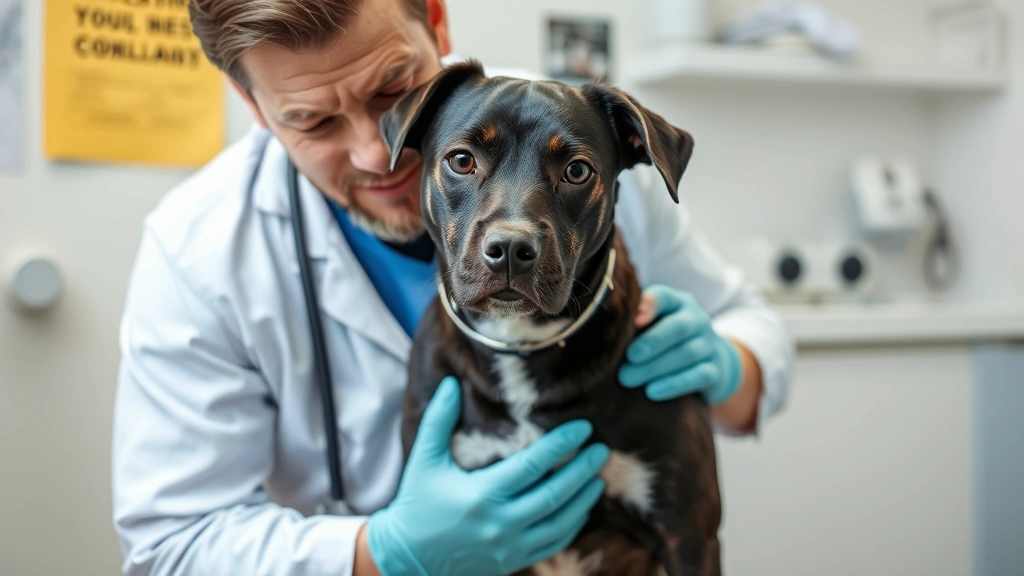
According to the American Kennel Club’s guidelines on human foods, fatty foods like bacon grease should be avoided entirely. The AKC specifically warns that foods high in fat can cause serious health complications in dogs of all breeds and ages.
How Bacon Grease Affects Your Dog’s Digestive System
Your dog’s digestive system is designed to process their regular dog food, which is formulated with appropriate fat levels and balanced nutrients. When bacon grease enters the picture, it overwhelms the digestive tract in several ways.
The high fat content slows gastric emptying, meaning food stays in the stomach longer than it should. This can lead to uncomfortable bloating and gas. Additionally, excessive fat can interfere with nutrient absorption, meaning your dog may not be getting full nutritional benefit from their regular meals.
Many dogs experience acute gastroenteritis (inflammation of the stomach and intestines) within hours of consuming bacon grease. Symptoms include vomiting, diarrhea, loss of appetite, and abdominal pain. While these symptoms often resolve within 24-48 hours, they’re signs of significant digestive distress.
The ASPCA emphasizes that dogs have specific nutritional requirements that differ significantly from humans, and feeding table scraps—particularly fatty ones—can disrupt their digestive balance and overall health.
Understanding Pancreatitis and Fat Consumption
Pancreatitis is perhaps the most serious risk associated with bacon grease consumption. This condition occurs when the pancreas becomes inflamed, and it can range from mild to life-threatening. High-fat meals are a well-known trigger for pancreatitis in susceptible dogs.
Certain breeds appear more predisposed to pancreatitis, including Schnauzers, Poodles, Cocker Spaniels, and Dachshunds, but any dog can develop the condition. Symptoms of pancreatitis include:
- Severe abdominal pain (hunched posture, reluctance to move)
- Persistent vomiting
- Loss of appetite
- Lethargy and depression
- Diarrhea or constipation
- Fever
Acute pancreatitis can develop within hours of consuming a high-fat meal and may require emergency veterinary care, including hospitalization, IV fluids, and supportive care. In severe cases, pancreatitis can be fatal. Chronic pancreatitis can lead to long-term digestive problems and diabetes.
Research published in veterinary journals confirms that dietary fat is a significant risk factor for pancreatitis in dogs. A single exposure to bacon grease can trigger a pancreatitis episode in a susceptible dog, making prevention through dietary management crucial.
What to Do If Your Dog Eats Bacon Grease
If your dog accidentally consumes bacon grease, don’t panic, but do monitor them closely. Here’s what you should do:
- Note the Amount: Try to estimate how much bacon grease your dog consumed. A small lick is different from a large bowl.
- Watch for Symptoms: Monitor your dog for the next 12-24 hours for signs of gastrointestinal upset, including vomiting, diarrhea, lethargy, or abdominal pain.
- Contact Your Vet: If your dog shows any symptoms or if you’re unsure about the amount consumed, contact your veterinarian immediately. Don’t wait to see if symptoms develop.
- Avoid Home Remedies: Don’t induce vomiting or give your dog medication without veterinary guidance.
- Fast Your Dog: Your vet may recommend fasting for 12-24 hours to give the digestive system a break.
- Provide Fresh Water: Ensure your dog has access to fresh water, but limit intake if vomiting occurs.
For severe cases or if your dog shows signs of pancreatitis, seek emergency veterinary care immediately. Time is critical, and early intervention can make a significant difference in outcomes.
Healthier Treat Alternatives for Your Pup
The good news is that there are plenty of delicious, nutritious treats your dog will love that don’t come with the health risks of bacon grease. Understanding how much food you should feed your dog helps you incorporate treats appropriately into their diet.
When considering treats, remember that they should comprise no more than 10% of your dog’s daily caloric intake, with the remaining 90% coming from their regular, balanced dog food.
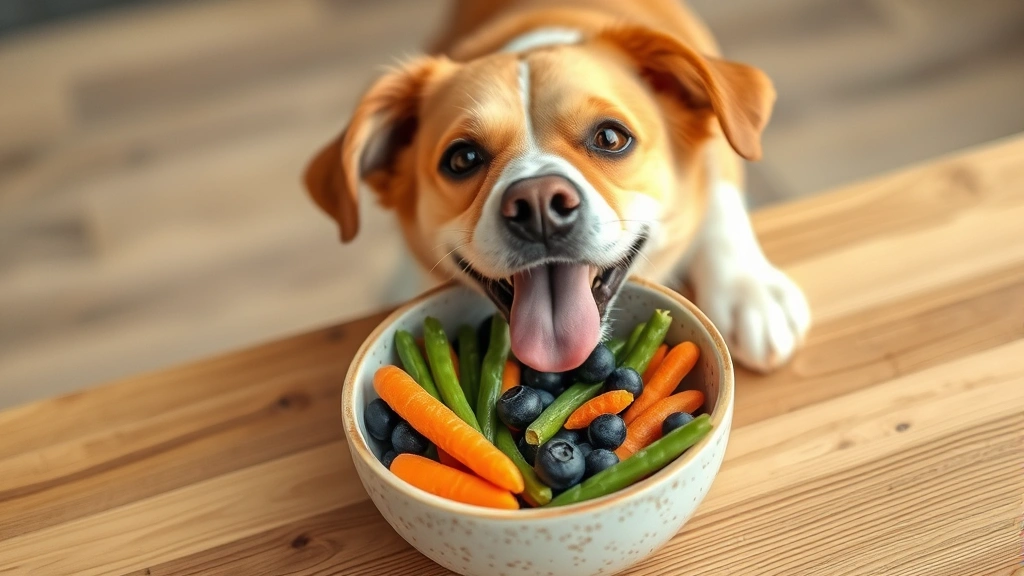
- Fruits and Vegetables: Carrots, apples (without seeds), blueberries, green beans, and pumpkin are excellent low-calorie options.
- Plain Proteins: Lean cooked chicken breast, turkey, or fish (without seasoning or bones) provide protein without excessive fat.
- Commercial Dog Treats: Look for treats formulated for dogs with appropriate fat levels and balanced nutrition.
- Frozen Options: Freeze plain yogurt or broth in ice cube trays for a refreshing treat.
- Dental Chews: These provide both mental stimulation and oral health benefits.
- Peanut Butter: In moderation, unsalted, xylitol-free peanut butter can be a tasty treat.
If your dog has specific health concerns or allergies, consult our guide on what you can give your dog for allergies to find safe options that won’t trigger adverse reactions.
Expert Veterinary Recommendations
When it comes to the question of whether dogs can eat bacon, veterinarians are remarkably consistent in their recommendations. The consensus is clear: bacon and bacon grease should not be part of a dog’s regular diet.
Dr. Jennifer Coates, a veterinary nutritionist, emphasizes that while occasional small amounts of plain bacon might not cause immediate harm to a healthy dog, bacon grease is concentrated fat and should be avoided entirely. The risks far outweigh any potential benefits.
For more detailed information about bacon specifically, our comprehensive articles explore whether bacon is bad for dogs and whether bacon is good for dogs. Additionally, we address the question of whether dogs can have bacon in detail.
The Merck Veterinary Manual provides extensive information about pancreatic disorders in dogs, confirming that dietary management—specifically limiting fat intake—is crucial for prevention and management of pancreatitis.
Most veterinarians recommend:
- Never intentionally give your dog bacon grease
- Secure kitchen trash and cooking areas to prevent accidental access
- Choose low-fat treat options instead
- Maintain a consistent diet formulated for your dog’s specific life stage and health status
- Discuss any dietary changes or concerns with your veterinarian
If your dog has a history of pancreatitis, digestive issues, obesity, or heart disease, the recommendation against bacon grease is even stronger. For these dogs, maintaining a strict low-fat diet is essential for their long-term health.
Frequently Asked Questions
Can a small amount of bacon grease hurt my dog?
While a tiny amount might not cause immediate harm to a healthy dog, bacon grease is concentrated fat that carries real risks. Even small amounts can trigger pancreatitis in susceptible dogs or cause gastrointestinal upset. It’s simply not worth the risk when so many safer alternatives exist.
Is bacon grease the same as cooking oil?
Bacon grease is worse than many cooking oils because it combines fat with salt and smoke flavoring. While cooking oils should also be limited in a dog’s diet, bacon grease adds additional potentially harmful components that make it particularly problematic.
What if my dog ate bacon grease from the trash?
If your dog accessed bacon grease accidentally, monitor them closely for 24 hours for signs of vomiting, diarrhea, abdominal pain, or lethargy. Contact your veterinarian if any symptoms develop or if you’re concerned. It’s also a good idea to secure your trash cans to prevent future incidents.
Are some dog breeds more sensitive to bacon grease?
Yes, certain breeds like Schnauzers, Poodles, and Dachshunds are more predisposed to pancreatitis. However, any dog can develop problems from consuming bacon grease, so it should be avoided for all dogs regardless of breed.
Can I give my dog bacon-flavored treats instead?
Bacon-flavored commercial dog treats are formulated to be safe for dogs and contain appropriate fat levels. These are much safer than actual bacon grease. However, check the ingredient list and choose treats from reputable manufacturers that meet AAFCO standards.
What should I do if my dog is overweight and I want to reduce calorie intake?
Never give your overweight dog bacon grease! Instead, focus on portion control of their regular food, increase exercise, and choose low-calorie treats like carrots or green beans. Your veterinarian can provide a weight management plan tailored to your dog’s specific needs.
Is there any nutritional benefit to bacon grease for dogs?
No. While dogs do need fat in their diet, bacon grease provides no nutritional benefit. It’s pure fat with added salt and smoke flavoring. Your dog’s regular food contains the appropriate types and amounts of fat needed for optimal health.





