

Is Costco Dog Food Good? What Pet Owners Say
If you’re a Costco member, you’ve probably noticed their Kirkland Signature pet food line stacked on the shelves at prices that make your wallet smile. But here’s the million-dollar question: is Costco dog food actually good for your furry best friend? With so many options available and pet parents increasingly concerned about what goes into their dog’s bowl, it’s worth digging into the details.
The truth is, Costco dog food sits in an interesting middle ground. It’s not the premium, boutique brand you’d find at a specialty pet store, but it’s also not the bargain-basement kibble gathering dust at discount retailers. What makes Costco’s offering particularly compelling is the combination of affordability, quality control, and the fact that Costco stands behind their products with their legendary return policy. Whether that makes it “good” depends on your dog’s individual needs, your budget, and what you’re comparing it against.
Let’s break down everything you need to know about Costco dog food, what actual pet owners are saying, and how it stacks up against the competition.
Understanding Kirkland Signature Dog Food
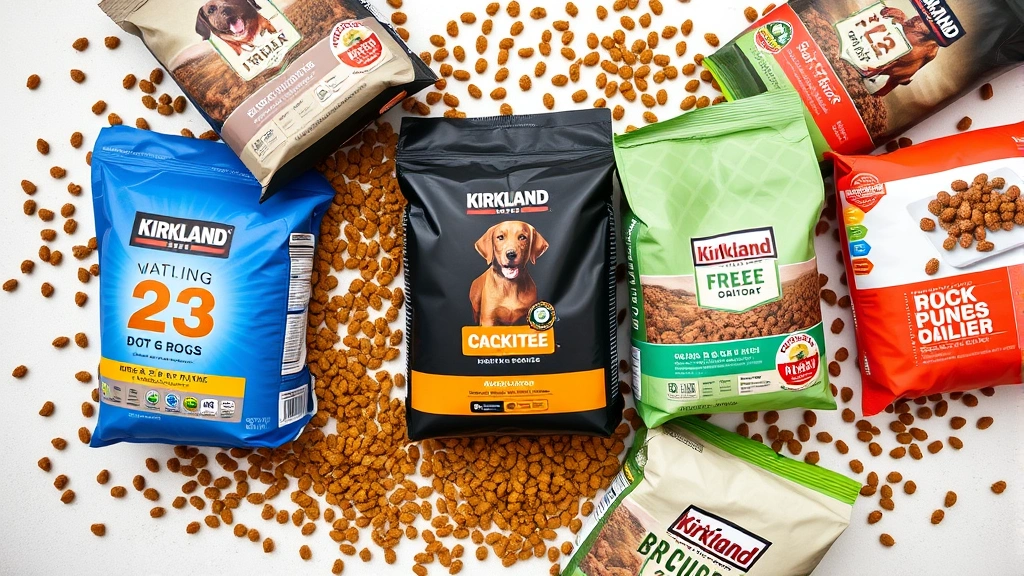
Costco’s Kirkland Signature brand is their private label line, and when it comes to dog food, they offer several varieties including grain-free, grain-inclusive, and specialized formulas for different life stages. The brand is manufactured by third-party producers, which is standard practice in the pet food industry. This means Kirkland doesn’t own the manufacturing facilities but contracts with established pet food manufacturers to produce their formulas.
What’s interesting about Kirkland dog food is that Costco takes a hands-on approach to quality control. They have their own quality assurance team that works with manufacturers to ensure consistency and safety. This is one of the reasons why Kirkland products have maintained a relatively strong safety record compared to some boutique brands that have experienced recalls.
The brand offers options at various price points. Their basic formulas start around $20-$25 for a 35-pound bag, while specialized formulas can run $30-$40. For comparison, premium brands like Orijen or Acana often cost double that amount. But how does Kirkland stack up nutritionally? That’s where things get more nuanced.
Quality and Ingredient Analysis
When examining the ingredient list on a bag of Kirkland dog food, you’ll notice it typically features meat as the primary ingredient, which is generally considered a positive sign. Common protein sources include chicken, beef, or fish, depending on the variety. The formulas also include grains like brown rice and oats, or are grain-free with alternatives like potatoes and peas.
One thing to note: Kirkland’s ingredient lists are fairly straightforward and don’t contain excessive fillers or artificial preservatives. They use natural preservatives like tocopherols (a form of vitamin E) rather than BHA or BHT, which is a point in their favor. The meat meals used in their formulas are typically from named sources like chicken meal or beef meal, not mysterious “meat by-products.”
However, it’s important to understand that ingredient quality can vary. Not all chicken meals are created equal. Some use higher-quality cuts, while others use lower-grade portions. Costco doesn’t publicly disclose the specific sourcing details, which is a limitation compared to brands that emphasize transparency about their ingredient origins.
When you compare Kirkland to premium brands like Blue Buffalo, you’ll notice the ingredient lists are surprisingly similar in many cases. The main differences often come down to marketing, brand reputation, and price point rather than dramatic nutritional differences.
Nutritional Value and AAFCO Standards
All dog foods sold in the United States must meet standards set by the Association of American Feed Control Officials (AAFCO). Kirkland dog foods are AAFCO-certified, meaning they meet minimum requirements for protein, fat, fiber, and other essential nutrients. This is the baseline requirement, and it’s good news that Kirkland meets it consistently.
Looking at the nutritional profiles, Kirkland dog foods typically provide adequate levels of protein (usually 18-22% for adult maintenance formulas), healthy fat content, and appropriate fiber levels. Their puppy and senior formulas are adjusted accordingly to meet the specific needs of different life stages.
According to the AAFCO official guidelines, complete and balanced dog foods must contain specific amino acid profiles, which Kirkland formulas do include. The brand has also avoided the major controversies that have plagued some other manufacturers, such as the recent discussions around grain-free diets and potential heart health concerns.
One consideration: if your dog has specific health issues or dietary sensitivities, you might need something more specialized than what Kirkland offers. This is where consulting with your veterinarian becomes crucial.
Price Comparison: Is It Actually Affordable?
Let’s talk numbers, because price is often the primary reason people consider Costco dog food in the first place. A 35-pound bag of Kirkland Signature Adult Dog Food typically costs around $22-$28, which breaks down to roughly $0.65-$0.80 per pound.
Compare this to some other popular brands:
- Purina Pro Plan: $1.20-$1.50 per pound
- Royal Canin: $1.80-$2.50 per pound
- Orijen: $2.50-$3.00 per pound
- Store-brand budget options: $0.40-$0.60 per pound
So Kirkland occupies that sweet spot—more expensive than the cheapest options but significantly less costly than premium brands. For a medium-sized dog eating roughly one pound per day, you’re looking at a monthly food bill of around $20-$24 with Kirkland, compared to $36-$45 with premium brands.
But here’s the real kicker: Costco’s return policy. If your dog doesn’t do well on Kirkland food, or if you find your pup develops digestive issues or allergies, you can return the unused portion—even if it’s half-empty—for a full refund. This safety net makes the risk of trying Kirkland much lower than with other brands. You can essentially test-drive it without financial commitment.
When considering how much food to feed your dog, the portion recommendations on Kirkland bags are clearly marked, making it easy to calculate your monthly costs accurately.
What Pet Owners Are Really Saying
Real-world feedback from Costco dog food users is decidedly mixed, which is telling. Many pet parents report that their dogs thrive on Kirkland formulas, experiencing healthy coats, good energy levels, and solid digestion. These owners often highlight the value proposition—getting quality nutrition at a fraction of the price of premium brands.
However, some dog owners report issues with their pets on Kirkland food. Common complaints include:
- Digestive upset or loose stools
- Itching or skin issues
- Picky eaters refusing to eat it
- Less palatability compared to other brands
The variance in experiences suggests that like all dog foods, Kirkland works wonderfully for some dogs and not at all for others. This is why individual dogs matter more than brand reputation alone. A dog with a sensitive stomach might need something different, while a healthy, robust pup might do perfectly fine.
On Reddit’s r/dogs community and various pet forums, Kirkland consistently receives moderate praise. Users appreciate the value but often note that it’s a “good enough” option rather than an exceptional one. Some owners have switched from Kirkland to other brands after their dogs developed issues, though this seems to happen at roughly the same rate as with other mid-tier brands.
One recurring theme: pet owners who’ve used Kirkland for years without issues tend to be loyal, suggesting that consistency might be one of its strengths. Dogs that do well on it often continue to do well, which speaks to predictable formulations.
Health Considerations and Allergies
If your dog has known allergies or sensitivities, this is where Kirkland’s limited specialty options become a limitation. They offer grain-free formulas and a limited chicken-free option, but they don’t have the extensive range of limited-ingredient or novel protein formulas that specialty brands provide.
For instance, if your dog is allergic to chicken, Kirkland does offer beef and fish-based formulas. However, if your pup needs something like kangaroo, venison, or other novel proteins that some premium brands offer, you’ll need to look elsewhere.
The grain-free question deserves attention. While Kirkland offers grain-free options, it’s worth noting that the FDA has investigated potential links between grain-free diets and dilated cardiomyopathy (DCM) in dogs. The evidence is still being studied, and causation hasn’t been definitively proven, but if your dog has heart concerns or a family history of heart issues, discussing grain-free diets with your veterinarian is wise.
According to ASPCA nutrition guidelines, most dogs do well on grain-inclusive diets. There’s no inherent advantage to grain-free unless your dog has a specific grain allergy, which is actually quite rare in dogs.
For dogs with serious health conditions, your veterinarian might recommend prescription diets from brands like Royal Canin or Hill’s Science Diet, which aren’t typically available at Costco. These specialized formulas address specific health concerns and should take precedence over general nutrition considerations when recommended by your vet.
Frequently Asked Questions
Is Kirkland dog food made by Purina?
No, Kirkland dog food is not made by Purina, though they are both produced by large manufacturers. Kirkland contracts with various manufacturers—the specific producer can vary by formula. This is typical in the pet food industry where private label brands partner with established manufacturers.
Has Kirkland dog food ever been recalled?
Kirkland has had far fewer recalls compared to many other brands, which is a positive sign. However, checking the FDA’s pet food recall database is always wise. You can visit the FDA pet food recalls page for the most current information.
Can I mix Kirkland dog food with other brands?
Yes, you can gradually transition between foods, including mixing Kirkland with other brands. The key is doing it slowly over 7-10 days to avoid digestive upset. Start with 75% old food and 25% new food, gradually adjusting the ratio until you’ve fully transitioned.
Is Kirkland dog food good for puppies?
Kirkland does offer puppy formulas specifically formulated for growing dogs. These have appropriate calcium and phosphorus levels for bone development. However, large breed puppies might benefit from a large-breed specific formula, which Kirkland does provide. Always ensure you’re using an age-appropriate formula.
What should I do if my dog doesn’t like Kirkland dog food?
First, remember that Costco’s return policy means you can get your money back. If your dog refuses to eat it or experiences digestive issues, return it without hesitation. This is one of Kirkland’s biggest advantages—you’re not stuck with a partially used bag.
How does Kirkland compare to other budget-friendly brands?
Kirkland sits above most discount store brands in terms of ingredient quality and consistency but below premium brands. If you’re choosing between Kirkland and the cheapest options available, Kirkland is generally the better choice. If you can afford premium brands and your dog needs specialized nutrition, premium might be worth the investment.
Can I feed my senior dog Kirkland food?
Yes, Kirkland offers senior formulas designed for older dogs with adjusted nutrient profiles. These typically have lower calories, added joint support ingredients like glucosamine, and modified protein levels appropriate for aging dogs. Consult your vet about whether a senior formula is right for your dog’s age and health status.





