

Is Frankincense Safe for Dogs? Expert Insights on Essential Oils and Your Furry Friend
If you’re a dog parent who loves aromatherapy, you’ve probably wondered whether it’s safe to use frankincense around your beloved canine companion. The short answer? It’s complicated. While frankincense has been used for thousands of years in human wellness practices, our four-legged friends have very different physiology, and what’s safe for us might not be safe for them. This comprehensive guide will help you navigate the world of frankincense and dogs, so you can make informed decisions about your pup’s health and safety.
Essential oils have become increasingly popular in modern households, with many pet owners curious about whether they can share these benefits with their dogs. Frankincense, derived from the resin of the Boswellia tree, is particularly intriguing due to its purported anti-inflammatory and calming properties. However, before you start diffusing this aromatic wonder around your furry best friend, it’s crucial to understand the risks, benefits, and proper precautions involved.
Throughout this article, we’ll explore the science behind frankincense, examine how dogs metabolize essential oils differently than humans, and provide you with practical guidance on keeping your pup safe. Whether you’re considering using frankincense for relaxation, skin health, or other wellness purposes, this expert-backed information will help you make the best choice for your four-legged family member.
What Is Frankincense and How Does It Work?
Frankincense is a resinous gum extracted from the Boswellia tree, native to regions in the Middle East and Africa. For centuries, this aromatic substance has been valued in traditional medicine, religious ceremonies, and wellness practices. The essential oil derived from frankincense contains active compounds called boswellic acids, which are believed to offer various health benefits in humans.
In human applications, frankincense is typically used through diffusion, topical application (diluted), or sometimes ingestion in supplement form. Proponents claim it can reduce inflammation, support joint health, promote relaxation, and even enhance skin appearance. These purported benefits have made frankincense increasingly popular among wellness enthusiasts, many of whom wonder if their dogs could benefit similarly.
The aromatic profile of frankincense comes from volatile organic compounds that evaporate into the air when the oil is diffused. These compounds are what give frankincense its distinctive warm, slightly spicy, and woodsy scent. While humans find this aroma pleasant and potentially therapeutic, dogs experience scent very differently due to their superior olfactory capabilities—a factor that becomes critically important when considering essential oil safety.
How Dogs Metabolize Essential Oils Differently
Understanding why dogs process essential oils differently than humans is fundamental to answering the question: is frankincense safe for dogs? The answer lies in canine liver function and metabolic pathways. Dogs lack certain liver enzymes that humans possess, specifically glucuronyl transferase, which is crucial for metabolizing and eliminating certain compounds from the body.
Essential oils are highly concentrated plant extracts containing volatile compounds and lipophilic (fat-soluble) substances. When ingested or absorbed through the skin, these compounds must be metabolized by the liver and kidneys. Because dogs have less efficient metabolic pathways for processing these concentrated oils, they’re at greater risk of accumulation and toxicity. A dose that might be safe for a human could potentially be problematic for a dog, especially smaller breeds.
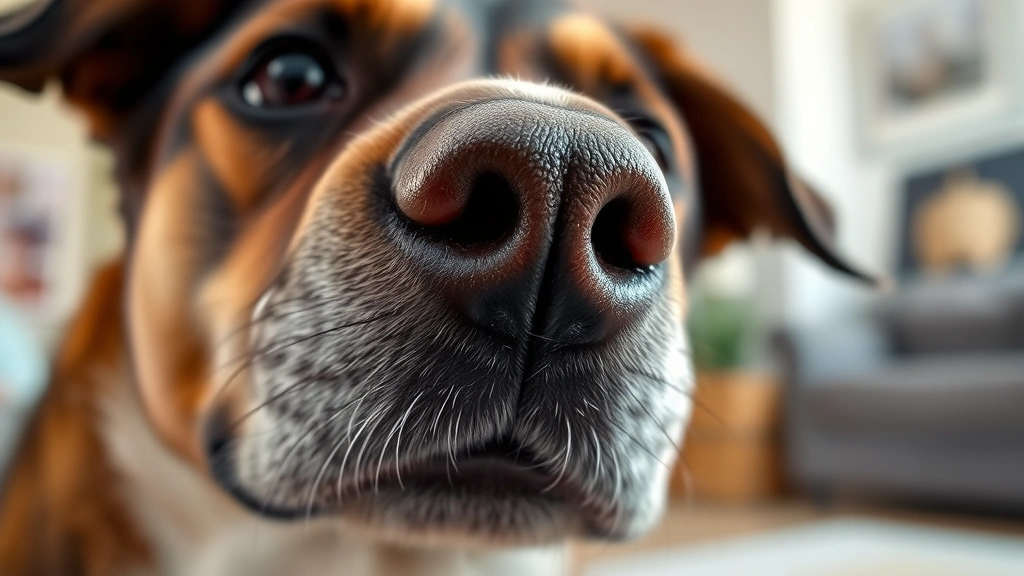
Additionally, dogs’ respiratory systems are more sensitive to inhaled irritants compared to humans. Their nasal passages are highly sensitive, and concentrated essential oil vapors can irritate their airways. The canine nose contains approximately 300 million olfactory receptors compared to about 6 million in humans, making dogs far more susceptible to overstimulation from strong aromatics. This heightened sensitivity means that even diffused frankincense in your home could be overwhelming or irritating to your pup.
Safety Concerns: Why Frankincense Requires Caution
While frankincense itself isn’t listed among the most toxic essential oils for dogs, it still warrants careful consideration and caution. The primary safety concerns center on three potential routes of exposure: inhalation, skin contact, and accidental ingestion.
Inhalation Risks: When frankincense oil is diffused into the air, your dog is breathing in concentrated volatile compounds. Even though frankincense isn’t considered highly toxic, prolonged inhalation of any essential oil can cause respiratory irritation, especially in dogs with pre-existing respiratory conditions, allergies, or sensitivities. Senior dogs and puppies are particularly vulnerable due to their developing or declining respiratory systems.
Skin Absorption: Essential oils should never be applied directly to a dog’s skin undiluted. Frankincense oil can cause skin irritation, dermatitis, or allergic reactions in sensitive dogs. Unlike humans, dogs cannot tell us if their skin feels uncomfortable or itchy, so irritation might go unnoticed until it becomes a significant problem. Dogs also groom themselves by licking, which could lead to ingestion if oil is applied to their fur.
Accidental Ingestion: Curious dogs might investigate bottles of essential oils, knock over diffusers, or ingest products containing frankincense. Ingestion of concentrated essential oils poses the most serious risk, as the liver and kidneys must work overtime to process and eliminate these compounds. This is particularly concerning for dogs with liver or kidney disease.
According to the ASPCA, essential oil toxicity in pets is a growing concern, and many pet owners underestimate the risks. The organization emphasizes that just because something is natural doesn’t mean it’s safe for animals. Related essential oils like lavender safety for dogs and peppermint oil safety for dogs deserve similar scrutiny.

Safe Usage Guidelines for Frankincense Around Dogs
If you’re determined to use frankincense in your home despite having a dog, there are ways to minimize risk. These guidelines can help you maintain a safer environment for your canine companion while still enjoying essential oils if you choose to use them.
Diffusion Distance and Ventilation: If you use a diffuser, place it in a room where your dog can easily leave if the scent becomes overwhelming. Never diffuse in confined spaces where your dog sleeps or spends extended time. Ensure the room has good ventilation so your dog isn’t exposed to concentrated vapors for prolonged periods. Consider using your diffuser only when your dog is in another part of the house, and always allow for air circulation.
Duration Limits: Even if frankincense isn’t highly toxic, limiting exposure time is prudent. Use your diffuser for short periods—15 to 30 minutes at a time—rather than running it continuously throughout the day. This approach reduces your dog’s cumulative exposure to volatile compounds and minimizes the risk of respiratory irritation.
Never Apply Topically: Under no circumstances should you apply frankincense oil directly to your dog’s skin, even diluted. Dogs’ skin pH is different from humans’, and what’s safe on human skin may not be on canine skin. Additionally, your dog will likely lick the application area, leading to ingestion.
Storage and Safety: Keep all essential oils, including frankincense, stored securely in a cabinet or drawer where your dog cannot access them. Curious dogs have been known to chew through bottles, so treat essential oils with the same care you’d give to medications or cleaning supplies.
Recognizing Signs of Essential Oil Toxicity
Even with precautions, accidents happen. Knowing the signs of essential oil toxicity can help you recognize a problem early and seek veterinary care promptly. According to the American Kennel Club, pet owners should watch for these warning signs if their dog has been exposed to essential oils:
Respiratory Symptoms: Coughing, wheezing, difficulty breathing, or rapid breathing can indicate respiratory irritation from inhaled essential oil vapors. If your dog seems to be struggling to breathe or is breathing abnormally after exposure to frankincense diffusion, this is a medical emergency.
Neurological Signs: Tremors, loss of coordination, weakness, or lethargy can occur with more serious essential oil exposure. These symptoms suggest the oil has entered the bloodstream and is affecting the central nervous system.
Gastrointestinal Distress: Vomiting, diarrhea, drooling, or loss of appetite may indicate ingestion of essential oil. If your dog has eaten frankincense oil or a product containing it, these symptoms can develop within hours.
Skin Reactions: Redness, itching, swelling, or hives on the skin, especially around the face and paws, can indicate allergic reaction or skin irritation from topical contact.
Other Warning Signs: Excessive panting, depression, muscle tremors, dilated pupils, or abnormal behavior warrant immediate veterinary attention. Don’t wait to see if symptoms resolve on their own—when in doubt, call your vet.
Safe Alternatives to Frankincense for Your Dog
If you’re interested in supporting your dog’s wellness and relaxation without the risks associated with essential oils, several safer alternatives exist. These options can help you achieve similar goals without putting your furry friend at risk.
Dog-Specific Aromatherapy: Some companies produce aromatherapy products specifically formulated for dogs, using dilutions and compounds that are considered safer for canine use. These products have been developed with dog safety in mind and often use lower concentrations of essential oils or dog-safe alternatives. Always check with your veterinarian before using any aromatherapy product on your dog.
Calming Supplements: Instead of relying on aromatherapy, consider dog-appropriate calming supplements recommended by your veterinarian. Options like L-theanine, chamomile (in appropriate doses), or prescription anti-anxiety medications can help anxious dogs without the risks of essential oils.
Environmental Enrichment: Sometimes the best approach to dog relaxation isn’t through scent but through environmental modifications. Provide a comfortable, quiet space for your dog, use white noise machines, or play calming music specifically composed for dogs. These interventions can be highly effective for anxiety without any chemical exposure.
Physical Exercise and Mental Stimulation: A well-exercised dog is often a calm dog. Regular walks, playtime, and mental enrichment through puzzle toys and training can reduce stress and anxiety more effectively than any aromatherapy product.
If you’re concerned about specific issues like why your dog licks their paws excessively, addressing the underlying cause (allergies, anxiety, or medical conditions) is more important than trying to mask it with aromatherapy. Other essential oils like eucalyptus and rosemary also carry similar safety concerns and should be approached with equal caution.
When to Consult Your Veterinarian
Your veterinarian is your best resource for questions about frankincense and other essential oils in your dog’s environment. Schedule a consultation if you’re considering using frankincense in your home, particularly if your dog has any of these conditions or characteristics:
Pre-existing Health Conditions: Dogs with respiratory disease, liver disease, kidney disease, or heart conditions are at higher risk for complications from essential oil exposure. Your vet can provide personalized guidance based on your dog’s specific health status.
Age and Life Stage: Puppies, senior dogs, and pregnant or nursing dogs are more vulnerable to the effects of essential oils. Your veterinarian can advise whether frankincense use is appropriate for your dog’s age.
Breed Predispositions: Some breeds, particularly brachycephalic breeds like Bulldogs and Pugs with naturally compromised airways, are at greater risk from inhaled irritants. Discuss breed-specific concerns with your vet.
Medication Interactions: If your dog is on medications, some essential oil compounds might interact with those drugs. Your veterinarian can review potential interactions based on your dog’s current pharmaceutical regimen.
After Accidental Exposure: If your dog has ingested frankincense oil or been exposed to high concentrations, contact your veterinarian or the ASPCA Animal Poison Control Center immediately. Having your dog’s weight and the amount of exposure ready will help them provide better guidance.
Frequently Asked Questions
Is frankincense essential oil toxic to dogs?
Frankincense essential oil isn’t considered highly toxic to dogs in the way that oils like tea tree, eucalyptus, or citrus oils are. However, it still carries risks, particularly with ingestion or prolonged inhalation. The concentrated nature of essential oils means even “less toxic” options can cause problems in dogs, especially those with health conditions or sensitivities.
Can I diffuse frankincense around my dog?
While occasional, brief diffusion in a well-ventilated space where your dog can leave if desired may be relatively low-risk, it’s not ideal. Dogs’ superior sense of smell means they experience diffused oils much more intensely than we do. If you choose to diffuse, keep sessions short (15-30 minutes), ensure good ventilation, and never do it in spaces where your dog must stay for extended periods.
What should I do if my dog ingests frankincense oil?
If your dog ingests frankincense oil, contact your veterinarian or the ASPCA Poison Control immediately. Provide information about the amount ingested and your dog’s weight. Monitor your dog for signs of toxicity including vomiting, diarrhea, lethargy, or tremors. Seek emergency veterinary care if your dog shows severe symptoms.
Are there dog-safe alternatives to frankincense?
Yes. Dog-safe alternatives include veterinarian-recommended calming supplements, environmental enrichment, physical exercise, mental stimulation, and products specifically formulated for canine aromatherapy. Consult your vet about options appropriate for your dog’s specific needs.
Which essential oils are safest for dogs?
Honestly, no essential oil is completely safe for dogs. Even oils sometimes recommended as “dog-safe” carry risks. If your veterinarian approves any essential oil use, they should provide specific guidance on dilution, application method, and frequency. Never use undiluted essential oils around dogs.
Can frankincense help with my dog’s anxiety?
While frankincense might help some humans relax, there’s no scientific evidence it effectively reduces anxiety in dogs. Moreover, the risks of essential oil exposure may outweigh any potential benefits. Talk to your veterinarian about evidence-based anxiety treatments for dogs, which might include supplements, training, medication, or environmental modifications.





