
Is Lantana Toxic to Dogs? A Comprehensive Safety Guide
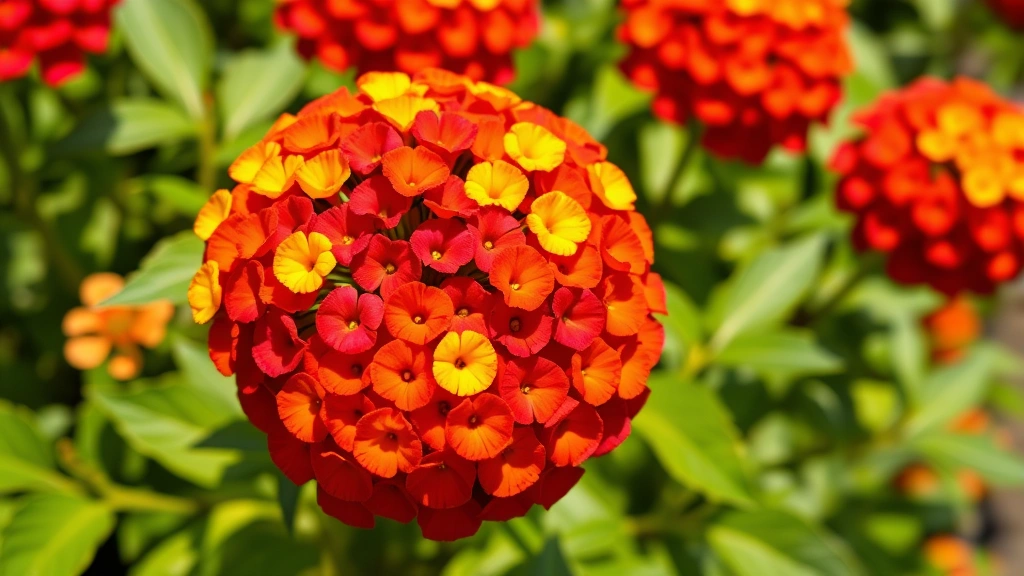
If you’re a dog parent who loves gardening, you’ve probably admired lantana’s vibrant clusters of colorful flowers swaying in the breeze. These stunning blooms come in shades of red, orange, yellow, pink, and white, making them a favorite choice for landscapers and home gardeners alike. But here’s the question that keeps many pet owners up at night: is lantana toxic to dogs? The short answer is yes—and it’s important to understand exactly why and what you should do about it.
Your furry friend doesn’t know the difference between a safe daisy and a dangerous bloom, and their curiosity can get them into trouble faster than you can say “drop it!” Lantana poisoning in dogs is more common than many people realize, especially in warmer climates where these plants thrive year-round. Whether you have lantana already planted in your yard or you’re considering adding it to your landscape, this guide will give you all the information you need to keep your pup safe and healthy.
We’ll explore what makes lantana dangerous, the symptoms of lantana poisoning, and most importantly, what steps you can take to prevent your dog from getting sick. Let’s dig into the details so you can enjoy your garden without worry.
What is Lantana?
Lantana is a genus of flowering plants native to tropical regions of the Americas and Africa. The most common species you’ll encounter in North American gardens is Lantana camara, a woody shrub that produces those beautiful clustered flowers throughout the warm months. These plants are beloved by gardeners because they’re incredibly hardy, drought-tolerant once established, and attract butterflies and hummingbirds like nothing else.
The plant grows as a deciduous or semi-evergreen shrub, typically reaching heights of 3 to 6 feet, though some varieties stay more compact. Lantana thrives in USDA hardiness zones 8 through 11, making it especially popular in southern states, California, Texas, and Florida. The flowers bloom in clusters called umbels, and as they age, they often change colors—a fascinating characteristic that makes each bloom seem to shift from yellow to orange to red over several days.
Beyond its ornamental appeal, lantana has been used in traditional medicine in various cultures. However, this traditional use doesn’t translate to safety for our canine companions. The plant contains compounds that, while generally not lethal in small quantities, can cause significant digestive upset and other health issues in dogs.
The Toxicity Facts: Why Lantana is Dangerous
So what exactly makes lantana toxic to dogs? The culprit is a group of compounds called pentacyclic triterpenoids, which are found throughout the plant—particularly in the berries and leaves. These compounds can cause irritation and inflammation in the gastrointestinal tract when ingested by dogs. The toxins work by disrupting normal digestive function and can trigger an immune response that leads to the symptoms we’ll discuss shortly.
The level of toxicity depends on several factors, including the amount of plant material consumed, the size and age of your dog, and your individual dog’s sensitivity to the toxins. A small nibble of a leaf might cause mild symptoms, while consuming several berries or a substantial portion of leaves could result in more severe reactions. Young puppies and senior dogs may be more susceptible to serious effects than healthy adult dogs in their prime.
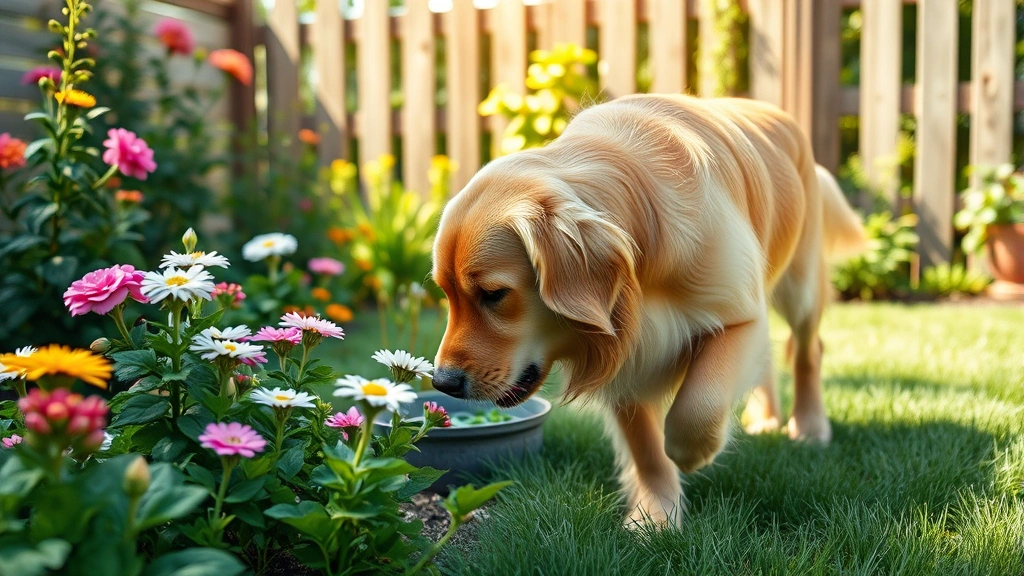
It’s worth noting that lantana toxicity is generally considered moderate rather than severe. Unlike some other toxic plants you should be aware of—such as lilies, which are highly toxic to dogs—lantana rarely causes life-threatening poisoning. However, this doesn’t mean you should be complacent. Any poisoning is worth preventing, and your dog’s comfort and health should always be your priority.
The ASPCA Animal Poison Control Center receives numerous calls about lantana ingestion each year, particularly during spring and summer months when the plant is actively flowering and fruiting. This data confirms that lantana exposure is a real concern for pet owners in regions where the plant grows.
Symptoms of Lantana Poisoning in Dogs
Recognizing the signs of lantana poisoning is crucial for getting your dog prompt treatment. The symptoms typically appear within a few hours of ingestion, though in some cases they may take up to 24 hours to manifest. Here’s what you should watch for:
- Gastrointestinal upset: Vomiting and diarrhea are the most common symptoms. Your dog’s digestive system is reacting to the toxic compounds in the plant.
- Drooling: Excessive salivation often accompanies mouth and throat irritation.
- Abdominal pain: Your dog may seem uncomfortable, restless, or reluctant to eat.
- Loss of appetite: Even dogs with hearty appetites may refuse food when experiencing lantana poisoning.
- Lethargy: Your normally energetic pup might seem unusually tired or withdrawn.
- Tremors: In more severe cases, some dogs experience muscle tremors.
- Skin irritation: Contact dermatitis can occur if your dog’s skin comes into contact with the plant’s sap.
The severity of symptoms varies based on the amount consumed and your individual dog’s constitution. Some dogs might experience just mild nausea, while others could have more pronounced vomiting and diarrhea lasting several hours or even days.
If you notice any of these symptoms and suspect your dog has eaten lantana, don’t panic—but do take action. The good news is that most dogs recover fully with supportive care. However, it’s always better to err on the side of caution and contact your veterinarian or a poison control center.
What to Do If Your Dog Eats Lantana
If you catch your dog in the act of munching on lantana or suspect they’ve eaten some, here’s your action plan:
- Stay calm: Your dog will pick up on your anxiety, so take a deep breath. Lantana poisoning is rarely life-threatening, and most dogs make a full recovery.
- Contact your veterinarian immediately: Describe what your dog ate, when they ate it, and how much you believe they consumed. Your vet can provide specific guidance based on your dog’s size and health status.
- Call the ASPCA Animal Poison Control Center: If it’s after hours and you can’t reach your regular vet, the ASPCA Poison Control Center operates 24/7 at (888) 426-4435. There is a consultation fee, but the expertise is invaluable.
- Don’t induce vomiting: Unless specifically instructed by your veterinarian, don’t try to make your dog vomit. This could cause additional irritation.
- Monitor your dog closely: Watch for the symptoms listed above and keep track of any changes in behavior or physical condition.
- Provide supportive care: Your vet may recommend withholding food for a few hours, followed by bland foods like boiled chicken and rice. Ensure your dog has access to fresh water.
Treatment is typically supportive rather than specific. Your veterinarian might administer IV fluids if your dog is severely dehydrated from vomiting and diarrhea, or they might recommend antiemetics (anti-nausea medication) to help your dog feel more comfortable. Most dogs recover within 24 to 48 hours with appropriate care.
Prevention Strategies for Dog Owners
The best medicine is prevention, and fortunately, there are several strategies you can employ to keep your dog safe from lantana poisoning:
Remove lantana from your yard: If you currently have lantana plants, the safest option is to remove them entirely. This completely eliminates the risk of accidental ingestion. If you love the look of lantana, consider replacing it with dog-safe alternatives we’ll discuss later.
Create physical barriers: If you’re not ready to remove lantana, fence it off so your dog can’t access it. A simple garden fence or decorative barrier can work wonders. Keep in mind that determined dogs can sometimes find ways around barriers, so this isn’t foolproof.
Supervise outdoor time: Always supervise your dog when they’re in the yard, especially if there are any potentially toxic plants present. This is good practice regardless, as it helps prevent other accidents too.
Train the “leave it” command: Teaching your dog a solid “leave it” command can be a lifesaver. Work with a professional trainer if needed—it’s worth the investment for your dog’s safety.
Know your plants: Beyond lantana, familiarize yourself with other toxic plants in your area. For instance, azaleas are also poisonous to dogs, as are hostas in some cases. Creating a comprehensive list of what’s safe and what’s not helps you garden with confidence.
Check neighbor’s yards: If your neighbor has lantana and your dog spends time near the property line, have a friendly conversation about the risk. They may not realize it’s toxic to pets.
Be cautious on walks: Even if you don’t have lantana at home, you might encounter it on neighborhood walks or in public parks. Keep your dog on a leash and redirect their attention if they show interest in unfamiliar plants.
Dog-Safe Garden Alternatives
Just because lantana is off-limits doesn’t mean your garden has to be boring! There are plenty of beautiful, dog-safe flowering plants that will give you that burst of color without the toxicity concerns:
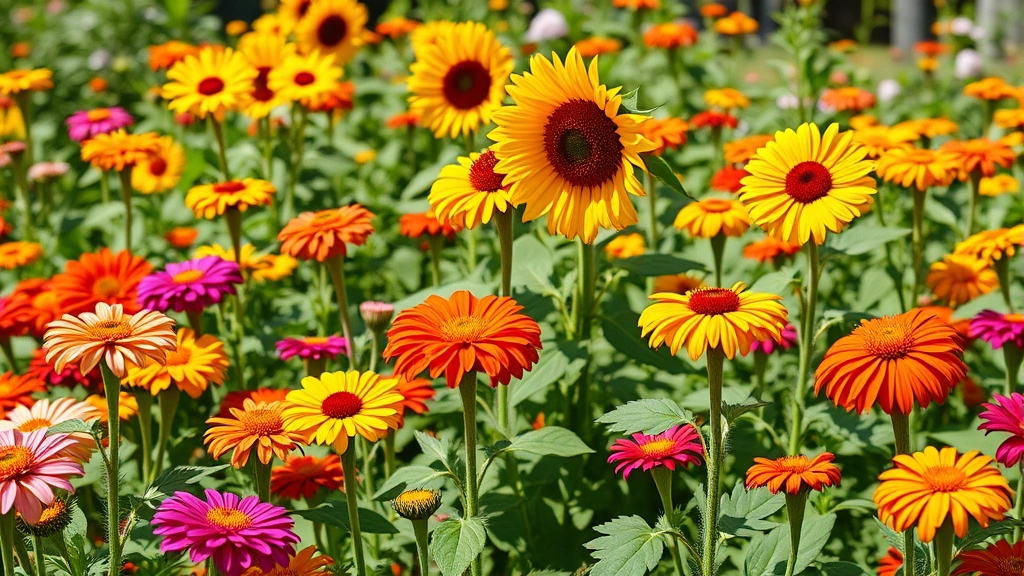
- Zinnias: These cheerful flowers come in almost every color imaginable and are completely safe for dogs. They’re also easy to grow and love the heat.
- Sunflowers: Tall, majestic, and non-toxic. Your dog can safely nibble a fallen petal without worry.
- Marigolds: Bright and cheerful, marigolds are safe for dogs and also help deter certain garden pests.
- Roses: While the thorns require caution, rose petals and blooms are non-toxic. Just supervise to prevent thorn injuries.
- Snapdragons: These whimsical flowers are safe for dogs and add vertical interest to garden beds.
- Petunias: Available in countless colors, petunias are dog-safe and bloom prolifically throughout warm months.
- Pansies and violas: Perfect for cooler seasons, these charming flowers won’t harm your pup.
You might also consider dog-friendly plants like dandelions, which are not only safe but can provide nutritional benefits. Creating a dog-friendly garden doesn’t mean sacrificing aesthetics—it just means being intentional about your plant choices.
Beyond flowers, you can create a designated dog garden area with dog-safe herbs like parsley, basil, and mint. Many dogs enjoy having their own space where they can safely explore and sniff around without restriction.
Frequently Asked Questions
Is all parts of the lantana plant toxic to dogs?
Yes, all parts of the lantana plant contain the toxic compounds we discussed. However, the berries tend to have higher concentrations of toxins than the leaves and flowers. Unripe (green) berries are typically more toxic than ripe (red or purple) berries. This doesn’t mean the leaves and flowers are safe—they’re not—but your dog is more likely to experience severe symptoms from eating multiple berries than from nibbling a few leaves.
How much lantana does a dog need to eat to get sick?
There’s no exact threshold, as it depends on your dog’s size, age, and individual sensitivity. Generally speaking, ingestion of even a small amount can cause mild symptoms. A few berries or a small handful of leaves might cause minor digestive upset, while consuming a larger quantity—such as several stems with leaves or a substantial number of berries—could result in more severe symptoms. When in doubt, contact your veterinarian or poison control.
Can lantana cause death in dogs?
Lantana poisoning is rarely fatal in dogs. While the toxins can cause significant discomfort and illness, most dogs recover fully with supportive veterinary care. However, in extreme cases involving very young puppies, elderly dogs, or dogs with pre-existing health conditions, severe dehydration from persistent vomiting and diarrhea could theoretically become life-threatening if left untreated. This is another reason why prompt veterinary attention is important.
What’s the difference between lantana and similar-looking plants?
Lantana has distinctive clustered flowers that change colors as they age, and its leaves are rough and textured. It’s sometimes confused with verbena, but lantana’s flower clusters are more dense and tightly packed. If you’re uncertain whether a plant is lantana, take a photo and show it to your local garden center or veterinarian for identification. Proper plant identification is crucial for keeping your dog safe.
Are there any dog breeds more susceptible to lantana poisoning?
Lantana toxicity affects all dog breeds, but smaller dogs may show more pronounced symptoms from the same amount of plant material due to their lower body weight. Puppies and senior dogs may also be more vulnerable. Additionally, dogs with existing gastrointestinal issues might have more severe reactions. However, any dog can be poisoned by lantana regardless of breed.
Should I worry about lantana if my dog never eats plants?
Most dogs won’t actively seek out lantana to eat, but some are more curious or prone to chewing than others. Puppies, in particular, explore the world with their mouths and might nibble on plants out of curiosity or boredom. Additionally, if lantana berries fall into your dog’s food or water bowl, accidental ingestion could occur. It’s still worth removing the plant or securing it to eliminate even the small risk.
How is lantana poisoning different from other plant poisonings?
Different plants contain different toxins that affect dogs in various ways. For comparison, chocolate poisoning affects the nervous system and heart, while poison ivy causes skin irritation. Lantana primarily targets the gastrointestinal system, causing inflammation and digestive upset. Understanding these differences helps you recognize symptoms and seek appropriate treatment.
Can my dog build immunity to lantana toxins?
No, dogs cannot build immunity to lantana toxins through repeated exposure. If anything, repeated ingestion could cause cumulative damage to the gastrointestinal tract. This is another reason why prevention through removal or barriers is so important—you don’t want your dog experiencing even mild poisoning symptoms repeatedly.
What should I tell my dog sitter or groomer about lantana?
If you have lantana in your yard and someone else is caring for your dog, make sure they know it’s toxic. Provide clear instructions about keeping your dog away from the plant. Consider providing a photo so they can identify it easily. A professional dog sitter or groomer will appreciate the heads-up and can take appropriate precautions.
Are there natural remedies for lantana poisoning?
While some people turn to natural remedies for various ailments, lantana poisoning requires veterinary attention. There’s no proven natural remedy that can neutralize the toxins or provide better relief than what a veterinarian can offer. Supportive care from a professional—including IV fluids, antiemetics, and monitoring—is the most effective approach. Don’t delay seeking professional help in hopes that natural treatments will work.
Remember, your veterinarian is your best resource for questions about your individual dog’s health and safety. When in doubt, reach out to them or contact the ASPCA Animal Poison Control Center at (888) 426-4435.
For additional information about toxic plants and pet safety, the American Kennel Club offers comprehensive resources, and the Cornell University College of Veterinary Medicine provides evidence-based veterinary information.
Final Thoughts: Creating a Safe Haven for Your Pup
Your dog depends on you to keep their environment safe, and understanding plant toxicity is a crucial part of responsible pet ownership. Lantana’s beautiful flowers might tempt you to plant them throughout your yard, but the risk to your furry friend simply isn’t worth it. By removing lantana, creating barriers, or replacing it with dog-safe alternatives, you’re taking a proactive step to protect your pup’s health and wellbeing.
A dog-safe garden doesn’t have to be bland or boring—as we’ve explored, there are countless beautiful plants that will thrive in your yard without posing any toxicity risks. Whether you’re starting from scratch or redesigning an existing garden, prioritize plants that let you enjoy nature without worry.
Stay vigilant, keep your veterinarian’s number handy, and remember that prevention is always easier than treatment. With the right knowledge and precautions, you and your beloved dog can enjoy a safe, beautiful outdoor space together for years to come.





