
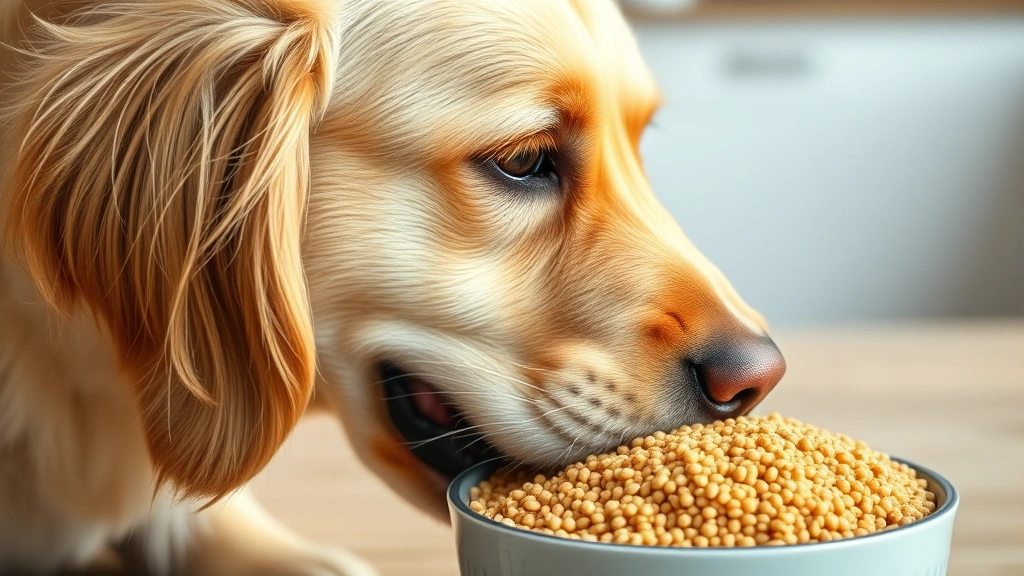
Is Quinoa Safe for Dogs? What Experts Say
If you’re a health-conscious dog parent who’s already made quinoa a staple in your own diet, you’ve probably wondered whether your furry best friend can join in on the superfood trend. The short answer? Yes, quinoa is generally safe for dogs—but there’s definitely more to the story. Before you start sprinkling this trendy grain into your pup’s bowl, let’s dive into what veterinarians and pet nutrition experts actually recommend.
Quinoa has earned its reputation as a nutritional powerhouse for humans, packed with protein, fiber, and essential amino acids. But when it comes to our canine companions, we need to think a bit differently about their dietary needs. Dogs have evolved alongside humans for thousands of years, yet their nutritional requirements remain distinctly different from ours. Understanding whether quinoa fits into a balanced dog diet requires looking beyond the hype and examining the actual science.
In this comprehensive guide, we’ll explore everything you need to know about feeding quinoa to your dog, including the benefits, potential risks, proper preparation methods, and how it compares to other grain options. Whether you’re considering adding it to homemade dog food or simply curious about what happens if your pup sneaks a bite from your dinner plate, we’ve got you covered with expert-backed information.
Is Quinoa Safe for Dogs?
The straightforward answer from veterinary nutritionists is that plain, cooked quinoa is safe for most healthy dogs. According to the Association of American Feed Control Officials (AAFCO), quinoa can be included as part of a balanced canine diet. However, “safe” doesn’t automatically mean “necessary” or “beneficial” for every dog. This distinction is crucial for responsible pet ownership.
When we talk about quinoa safety, we’re specifically referring to plain quinoa that has been properly cooked without any added seasonings, salt, or oils. The grain itself contains no inherently toxic compounds for dogs, unlike some human foods such as chocolate, grapes, or xylitol-containing products. That said, your dog’s individual health status, age, and existing diet all play important roles in determining whether quinoa is appropriate for them.
Many pet owners are surprised to learn that while dogs can eat quinoa, it’s not essential to their nutritional needs. Dogs are facultative carnivores, meaning they’ve adapted to eat both meat and plant-based foods, but they thrive best on diets rich in quality animal proteins. If you’re interested in expanding your dog’s diet, understanding the nuances of which foods support their health is essential.
Nutritional Benefits of Quinoa for Dogs
Quinoa offers several nutritional advantages that make it worth considering as an occasional addition to your dog’s diet. This ancient grain is one of the few plant-based foods that provides a complete protein, containing all nine essential amino acids that dogs need. For perspective, this is relatively rare in plant-based foods, making quinoa stand out from typical grains like wheat or corn.
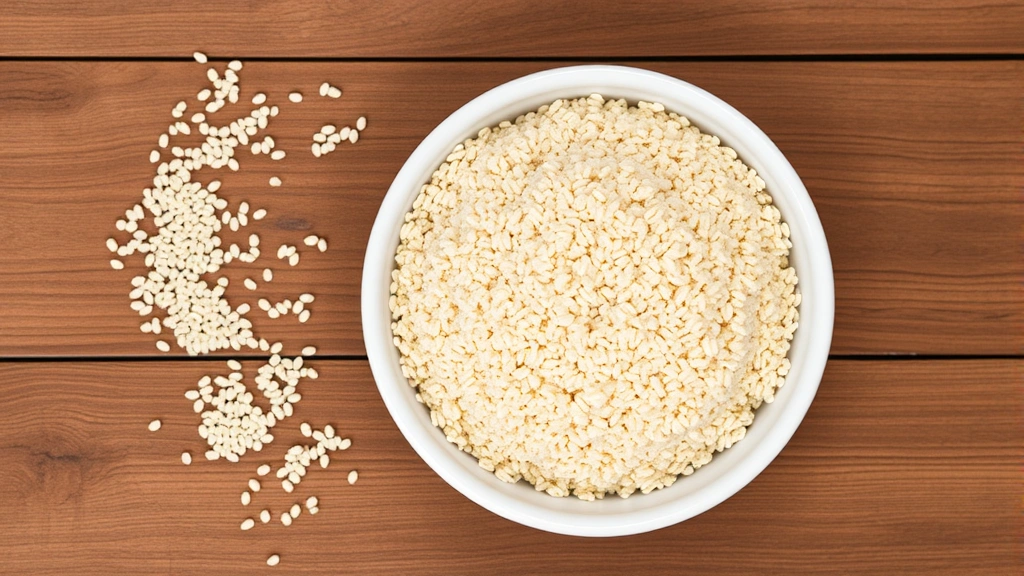
Beyond its protein content, quinoa delivers several other nutrients that support canine health:
- Fiber: Supports digestive health and can help regulate bowel movements, which is why some pet owners consider it when addressing digestive issues
- Magnesium: Essential for muscle function and energy metabolism
- Manganese: Supports bone development and metabolic function
- Phosphorus: Works with calcium to maintain strong bones and teeth
- Antioxidants: Help combat free radicals and support immune function
If you’re thinking about incorporating grains into your dog’s diet, dogs can have quinoa as part of a well-rounded feeding plan. However, it’s worth noting that commercial dog foods already contain carefully balanced nutrients formulated to meet AAFCO standards. Adding quinoa should complement, not replace, a complete and balanced diet.
The fiber content in quinoa can be particularly useful for dogs experiencing mild digestive sluggishness. However, dogs with sensitive stomachs might find that introducing too much fiber too quickly causes temporary digestive upset. This is why gradual introduction and moderation are key.
Potential Risks and Concerns
While quinoa is generally safe, several important considerations should guide your decision about whether to feed it to your specific dog.
Digestive Sensitivity: Some dogs have sensitive digestive systems that react poorly to sudden dietary changes or unfamiliar foods. Quinoa contains compounds called saponins, which give the grain a slightly bitter taste and can irritate sensitive dog stomachs if introduced too quickly or in excessive amounts. Though most quinoa sold in stores has been rinsed to remove saponins, traces may remain.
Allergic Reactions: While quinoa allergies in dogs are uncommon, they’re not impossible. Signs of an allergic reaction include itching, skin rashes, vomiting, or diarrhea. If you notice any of these symptoms after introducing quinoa, discontinue feeding it immediately and consult your veterinarian.
Oxalates: Quinoa contains moderate levels of oxalates, compounds that can interfere with calcium absorption. This is particularly concerning for dogs with a history of kidney stones or urinary calculi. The ASPCA’s pet care guidelines recommend discussing high-oxalate foods with your vet if your dog has a predisposition to urinary issues.
Caloric Content: Quinoa is relatively calorie-dense compared to many vegetables. A cup of cooked quinoa contains approximately 222 calories, so portion control is important, especially for weight-conscious pups.

If your dog has specific health conditions, what to feed a dog with diarrhea should always be discussed with your vet before introducing new foods. This is especially true for dogs with inflammatory bowel disease, pancreatitis, or other gastrointestinal conditions.
How to Safely Prepare Quinoa for Dogs
If you’ve decided that quinoa is appropriate for your dog, proper preparation is essential to maximize safety and nutritional value. Here’s the step-by-step process that veterinary nutritionists recommend:
- Rinse the quinoa thoroughly: Use a fine-mesh strainer and cold water to rinse the dry quinoa. This removes residual saponins and any dust or debris. Spend at least 30 seconds rinsing to ensure you’ve removed as much as possible.
- Cook without seasonings: Boil the quinoa in plain water using a 2:1 water-to-quinoa ratio. Bring to a boil, then reduce heat and simmer for about 15 minutes until the water is absorbed and the grains are tender. Never add salt, butter, oil, or spices.
- Cool completely: Allow the cooked quinoa to cool to room temperature before serving. Hot food can burn your dog’s mouth and digestive tract.
- Store properly: Keep cooked quinoa in an airtight container in the refrigerator for up to 5 days, or freeze in ice cube trays for convenient portioning.
- Start small: Introduce quinoa gradually, beginning with just a teaspoon or two mixed into your dog’s regular food to monitor for any adverse reactions.
Never serve quinoa with garlic, onions, or other seasonings that are toxic to dogs. These additions can cause serious health problems and completely negate any nutritional benefits the grain might offer.
Serving Size and Frequency Guidelines
The appropriate amount of quinoa for your dog depends on several factors, including their size, age, activity level, and overall diet. As a general rule, treats and table foods (including quinoa) should comprise no more than 10% of your dog’s daily caloric intake, with their regular dog food making up the remaining 90%.
For a typical 50-pound dog consuming approximately 1,000 calories per day, this means treats should total around 100 calories maximum. Since a cup of cooked quinoa contains about 222 calories, you can see how quickly portions add up.
Small dogs (under 25 pounds): Serve no more than 1-2 tablespoons of cooked quinoa, 2-3 times per week
Medium dogs (25-50 pounds): Serve no more than 3-4 tablespoons of cooked quinoa, 2-3 times per week
Large dogs (over 50 pounds): Serve no more than ½ cup of cooked quinoa, 2-3 times per week
These are maximum recommendations. Many dogs thrive perfectly well without ever consuming quinoa. The frequency and amount should be adjusted based on your individual dog’s response and your veterinarian’s recommendations.
Quinoa vs. Other Grains for Dogs
When considering grain options for your dog, it’s helpful to understand how quinoa stacks up against other commonly discussed alternatives. Is rice ok for dogs is a question many pet parents ask, and the answer is similar to quinoa—yes, in moderation.
Quinoa vs. Brown Rice: Both are digestible grains suitable for dogs, but they offer different nutritional profiles. Can dogs eat brown rice is definitely yes, and brown rice is often recommended for dogs with mild digestive upset due to its bland nature and soluble fiber content. Brown rice is lower in calories (111 per cooked cup) and oxalates compared to quinoa, making it a safer choice for dogs with urinary issues. However, quinoa provides a more complete protein profile.
Quinoa vs. Sweet Potato: Sweet potatoes offer similar nutritional benefits with some advantages. Can dogs eat sweet potato is absolutely yes, and many veterinarians consider sweet potatoes superior to grains for dogs because they’re more nutrient-dense and contain beneficial compounds like beta-carotene. Sweet potatoes are also less likely to cause digestive upset in sensitive dogs.
Quinoa vs. Oats: Oats are another grain option that’s safe for dogs and provides soluble fiber beneficial for digestive health. They’re less likely to cause allergic reactions than wheat or corn, though some dogs with grain sensitivities may still react.
Quinoa vs. Wheat: While wheat is safe for most dogs, it’s a more common allergen than quinoa. Many dogs with food sensitivities specifically react to wheat, making quinoa a potentially better alternative for allergic dogs.
For most dogs, the “best” grain isn’t necessarily quinoa—it’s whatever your individual dog tolerates well and enjoys eating. The most important factor is maintaining a diet that’s appropriate to your dog’s specific health needs and life stage.
When to Avoid Quinoa
While quinoa is safe for many dogs, certain situations warrant avoiding it altogether. Your dog should not consume quinoa if they have:
- A history of urinary calculi or kidney stones: The oxalate content could exacerbate these conditions
- Inflammatory bowel disease (IBD): New grains can trigger flare-ups in sensitive digestive systems
- Pancreatitis: High-fat content in some quinoa preparations could be problematic; consult your vet before introducing any new foods
- Food allergies or sensitivities: If your dog has a known allergy to grains, adding quinoa could trigger reactions
- Obesity: The caloric density makes it less ideal for weight management, though small amounts can still fit into a weight loss plan under veterinary supervision
- Certain medications: Some medications interact with high-fiber foods; always inform your vet about dietary additions
Additionally, puppies and senior dogs may have special dietary considerations. Puppies require carefully balanced nutrition for proper growth and development, so any additions beyond quality puppy food should be discussed with your veterinarian. Senior dogs may have digestive sensitivities that make introducing new foods risky.
If your dog has any existing health conditions, always consult with your veterinarian before introducing new foods, including quinoa. Your vet knows your dog’s complete medical history and can provide personalized recommendations based on their specific needs.
Frequently Asked Questions
Can dogs eat raw quinoa?
No, dogs should never eat raw quinoa. Raw quinoa is difficult to digest and contains higher levels of saponins that can irritate the digestive tract. Always cook quinoa thoroughly before offering it to your dog. Raw or undercooked grains can also pose a choking hazard.
What should I do if my dog eats quinoa accidentally?
If your dog sneaks a small amount of plain cooked quinoa, there’s generally no cause for alarm. Monitor them for signs of digestive upset like vomiting or diarrhea over the next 24-48 hours. If they consumed a large quantity or if the quinoa contained seasonings like garlic or onions, contact your veterinarian or ASPCA Animal Poison Control for guidance.
Is quinoa better than commercial dog food?
No. High-quality commercial dog foods are specifically formulated to meet all of your dog’s nutritional needs according to AAFCO standards. Quinoa can be a supplement to a complete diet, but it shouldn’t replace commercial dog food. If you’re interested in home-cooked diets for your dog, consult with a board-certified veterinary nutritionist to ensure your dog receives complete and balanced nutrition.
Can I mix quinoa with my dog’s kibble?
Yes, mixing small amounts of plain cooked quinoa with your dog’s regular kibble is a safe way to offer it. This method helps you control portions and makes it easy to monitor for any adverse reactions. Ensure the quinoa is completely cooled before mixing with kibble to avoid compromising the food’s nutritional integrity.
How do I know if my dog is allergic to quinoa?
Signs of a quinoa allergy or sensitivity include itching (especially around the ears, paws, or face), skin rashes, vomiting, diarrhea, or excessive gas. Some dogs may also experience lethargy or behavioral changes. If you notice any of these symptoms after introducing quinoa, discontinue feeding it and contact your veterinarian. They can help determine whether it’s a true allergy or simple digestive upset.
Is quinoa safe for dogs with grain-free diets?
If your dog is on a grain-free diet due to a veterinary recommendation, you should consult with your vet before introducing quinoa. However, it’s worth noting that recent research from the FDA suggests grain-free diets may be linked to heart health concerns in some dogs, so this is definitely a conversation worth having with your veterinarian.
Can puppies eat quinoa?
Puppies have specific nutritional requirements for proper growth and development. While small amounts of plain cooked quinoa are unlikely to cause harm, puppies should primarily eat high-quality puppy food formulated for their age and expected adult size. Any dietary additions should be discussed with your veterinarian to ensure they don’t interfere with proper nutrition.
Is quinoa good for dogs with diarrhea?
While quinoa contains fiber that can support digestive health, it’s not typically the first choice for dogs with acute diarrhea. Plain cooked rice or sweet potato is generally recommended for digestive upset. However, once your dog has recovered, quinoa could be incorporated into their diet. For dogs with chronic diarrhea, consult your vet about appropriate dietary choices, as discussed in our guide on what to feed a dog with diarrhea.





