
Are Onions Safe for Dogs? Expert Safety Guide
Picture this: you’re chopping onions for dinner, a piece falls on the floor, and your furry best friend zooms over faster than you can say “sit.” Before you panic, let’s talk about one of the most common questions pet parents ask: should dogs eat onions? The short answer is a resounding no, but the reasons why are more fascinating (and important) than you might think.
As a dog owner, you’ve probably wondered about the foods lurking in your kitchen that could harm your pup. Onions rank right up there with the most dangerous culprits, yet many well-meaning pet parents don’t realize the risk. Whether they’re raw, cooked, powdered, or hidden in your favorite human foods, onions pose a genuine threat to your dog’s health. Understanding this danger is the first step toward keeping your four-legged companion safe and healthy.
In this comprehensive guide, we’ll explore everything you need to know about onions and dogs, from the science behind why they’re toxic to what you should do if your pup accidentally munches on one. Let’s dig in!
Why Are Onions Toxic to Dogs?
The burning question on every pet parent’s mind: what makes onions so dangerous for dogs? Unlike humans, dogs lack certain enzymes in their digestive systems that help break down onions safely. This biological difference means that what’s perfectly fine for your dinner plate can wreak havoc on your pup’s health.
Onions contain compounds called thiosulfates, which are sulfur-containing molecules that are completely harmless to humans but genuinely problematic for our canine companions. When your dog ingests onions, these thiosulfates attack the red blood cells in their body, causing a condition called hemolytic anemia. This is serious stuff, and it’s why veterinarians consistently warn pet owners about onion toxicity.
The concerning part? The toxicity isn’t an immediate reaction like some poisons. Instead, it’s cumulative and can develop over time, meaning your dog might seem fine initially but develop symptoms days or even weeks later. This delayed response is exactly why prevention is so crucial.
The Toxic Compound: Thiosulfates Explained
Let’s get a bit scientific here, but don’t worry—we’ll keep it digestible (pun intended!). Thiosulfates are organic compounds containing sulfur atoms that bind to hemoglobin in red blood cells. When these compounds attach to hemoglobin, they cause the red blood cells to become fragile and break down, a process called hemolysis. Your dog’s immune system then recognizes these damaged cells as threats and destroys them.
According to research from the ASPCA Animal Poison Control Center, the concentration of thiosulfates varies depending on the type of onion and how it’s prepared. Red onions and Japanese onions tend to have higher thiosulfate concentrations than white or sweet onions, making them particularly dangerous. However, this doesn’t mean any type of onion is safe for dogs—it simply means some are worse than others.
The key takeaway: whether dogs can eat onions is definitively no, across all varieties and preparations. The thiosulfate content is simply too risky, regardless of the onion type.
Cooked vs. Raw Onions: Does It Matter?
Here’s a question that trips up a lot of pet owners: are cooked onions safer than raw ones? Unfortunately, the answer is no. Many people assume that cooking breaks down the toxic compounds, but that’s wishful thinking. The thiosulfates in onions are heat-stable, meaning they survive the cooking process largely intact.
Whether you’re dealing with cooked onions in your leftover pasta, raw onion rings that fell on the floor, or onion powder sprinkled on a treat, the danger remains consistent. In fact, some forms might be even more concentrated—onion powder, for example, is a dehydrated version of onions, making it significantly more potent by volume.
This means you need to be vigilant about all forms of onions in your home. Check your dog treats, human snacks, baby food, and seasonings. Many commercial dog foods and treats are carefully formulated to avoid onions, but some cheaper brands might include onion powder as a flavoring agent. Always read ingredient labels carefully before giving anything to your pup.
The bottom line: a small amount of onion won’t necessarily hurt your dog immediately, but any amount is risky and should be avoided entirely.
Signs Your Dog Has Eaten Onions
Knowing the symptoms of onion toxicity is crucial for early detection and treatment. Remember, symptoms might not appear immediately, so keeping a mental timeline of when your dog ate the onion can help your veterinarian immensely.
Common signs of onion toxicity include:
- Lethargy and weakness: Your normally energetic pup seems unusually tired and uninterested in play
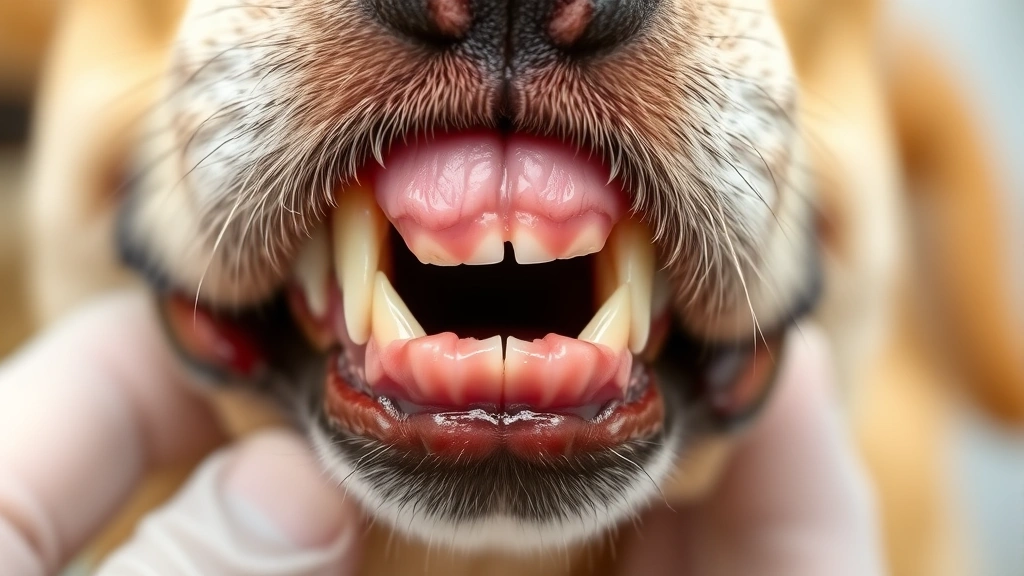
- Pale gums: Check your dog’s gums—they should be pink; pale gums indicate anemia
- Vomiting and diarrhea: Gastrointestinal upset is often one of the first signs
- Loss of appetite: Your dog refuses meals or treats they normally love
- Shortness of breath: Reduced red blood cells mean less oxygen delivery throughout the body
- Discolored urine: Brown or reddish urine can indicate hemolysis
- Jaundice: A yellowish tint to the gums, eyes, or skin
- Abdominal pain: Your dog might whine, crouch, or seem uncomfortable
- Increased heart rate: Your dog’s body compensates for anemia by working harder
If you notice any combination of these symptoms after your dog has consumed onions, contact your veterinarian immediately. Don’t wait to see if symptoms improve on their own. Early intervention can make a significant difference in your dog’s recovery.
How Much Onion Is Dangerous?
This is where things get tricky. There’s no magic “safe threshold” that applies to all dogs. The toxicity depends on several factors: your dog’s weight, overall health, and the amount and type of onion consumed. Generally speaking, the American Kennel Club notes that onion toxicity can occur from ingesting as little as 0.5% of a dog’s body weight.
To put this in perspective, a 20-pound dog would only need to consume about 1.6 ounces of onion to potentially suffer toxic effects. That’s roughly equivalent to a medium onion or a few onion rings. For smaller dogs, the risk escalates dramatically. A 5-pound Chihuahua could be poisoned by consuming just 0.4 ounces of onion.
However, toxicity isn’t always immediate or dose-dependent in a linear way. Some dogs might show symptoms after a small amount, while others might not display obvious signs until they’ve consumed more. This unpredictability is exactly why the safest approach is absolute avoidance.
Other Allium Vegetables to Avoid
Onions don’t operate alone in the danger department. They belong to a plant family called Allium, which includes several other vegetables toxic to dogs. If you’re avoiding onions, you should also steer clear of these foods.
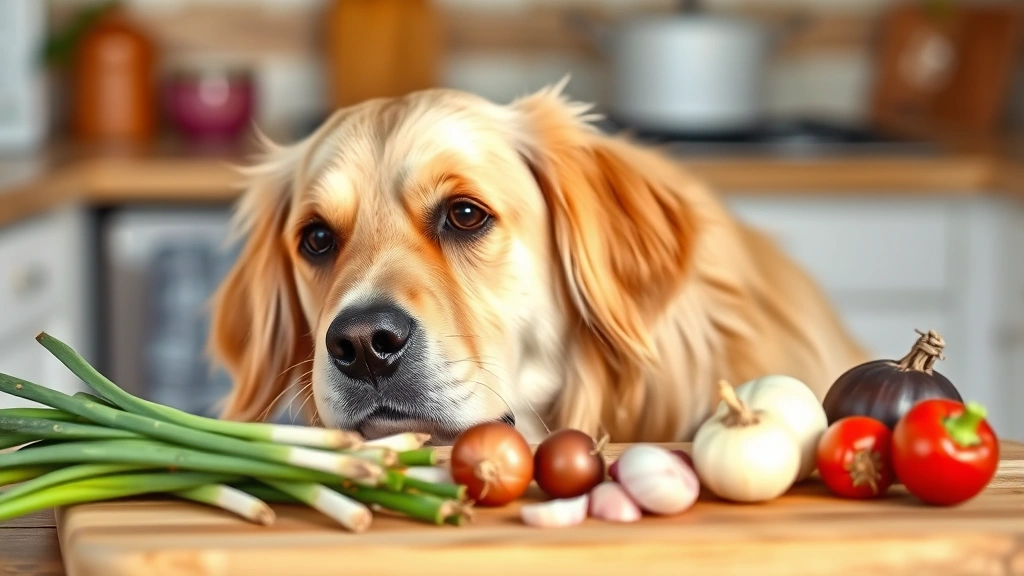
Garlic is particularly dangerous, actually containing even higher concentrations of thiosulfates than onions. A single clove of garlic can be problematic, and garlic powder is especially potent. Other Allium vegetables to avoid include:
- Chives: Often used as a garnish, chives are highly toxic to dogs
- Leeks: These mild-flavored vegetables are surprisingly toxic
- Shallots: Similar to onions and equally dangerous
- Scallions/Green onions: Both the white and green parts are toxic
Make sure your dog never has access to these ingredients. Check soups, stews, salads, and seasoning blends carefully. Many restaurants use garlic and onion as base ingredients, so be cautious about sharing human food with your pup.
Safe Food Alternatives for Your Pup
Now for the good news: there are plenty of delicious, nutritious foods your dog can safely enjoy that won’t put their health at risk. These alternatives provide variety and excitement without the danger.
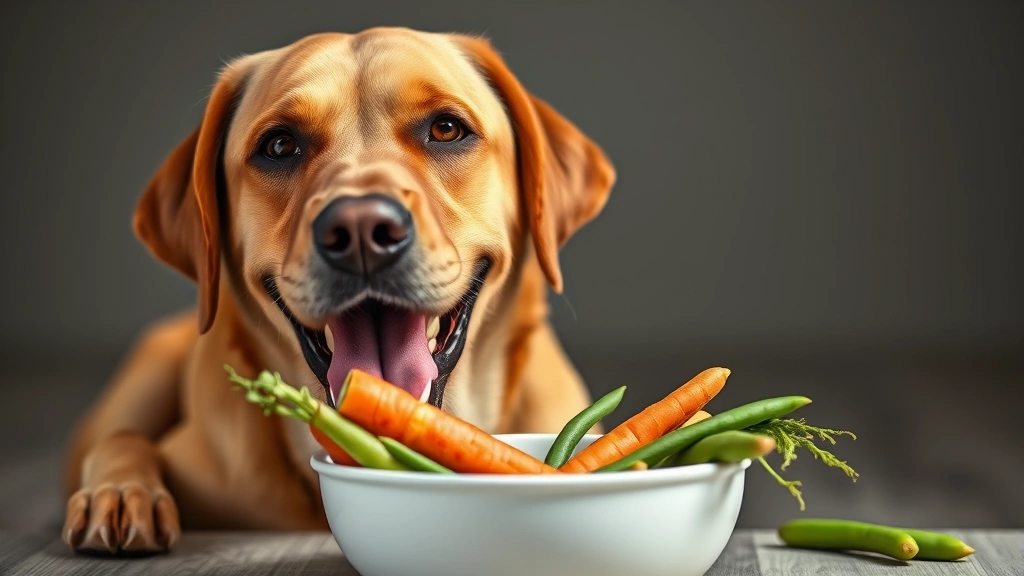
Safe vegetables for dogs include:
- Carrots: Great for teeth cleaning and packed with vitamins
- Green beans: Low-calorie and nutrient-dense
- Sweet potatoes: Full of fiber and beta-carotene
- Pumpkin: Excellent for digestive health
- Broccoli: Nutritious but feed in moderation
- Cucumbers: Hydrating and low-calorie
Beyond vegetables, consider offering your dog:
- Plain cooked chicken or turkey
- Lean beef
- Salmon (omega-3 powerhouse)
- Eggs
- Plain yogurt
- Apples (without seeds)
- Bananas
- Blueberries
Always introduce new foods gradually and in moderation. If you’re unsure whether a specific food is safe, consult your veterinarian before offering it to your pup.
What to Do If Your Dog Eats Onions
Despite your best efforts, accidents happen. Your dog raids the trash, sneaks food off the counter, or eats something you didn’t realize contained onions. Here’s your action plan:
- Stay calm: Panic won’t help your dog, and you need a clear head to make good decisions
- Determine what was eaten: Try to figure out how much onion your dog consumed and when. Was it raw, cooked, or powdered? This information helps your vet assess the situation
- Contact your veterinarian immediately: Don’t wait to see if symptoms develop. Call your vet right away, even if it’s after hours
- Contact Animal Poison Control: The ASPCA Animal Poison Control Center is available 24/7 at (888) 426-4435. They can provide specific guidance based on your dog’s situation
- Monitor closely: Watch for the symptoms mentioned earlier and keep detailed notes about your dog’s behavior and any changes
- Follow veterinary advice: Your vet might recommend monitoring at home or bringing your dog in for examination and blood work
Treatment depends on when the onion was consumed and how much. If your dog ate the onions recently (within 1-2 hours), your vet might induce vomiting to prevent absorption. For cases where absorption has already occurred, treatment focuses on managing anemia and supporting your dog’s recovery with fluids, medications, and possibly a blood transfusion in severe cases.
The earlier you seek help, the better the prognosis. Many dogs recover fully from onion toxicity with appropriate veterinary care, but prevention is always easier than treatment.
Frequently Asked Questions
Can a small amount of onion really hurt my dog?
Yes, even small amounts can be problematic. While a single onion ring might not cause immediate symptoms, it still introduces thiosulfates into your dog’s system. The cumulative effect over time or repeated exposure, combined with individual variation in sensitivity, means no amount is truly “safe.”
What about onion powder in commercial dog treats?
Onion powder is highly concentrated and potentially more dangerous than fresh onions. Always check ingredient labels on dog treats, especially budget brands. Reputable dog food manufacturers avoid onion powder entirely due to toxicity concerns.
My dog ate onions last week and seems fine. Should I still be worried?
Yes, contact your veterinarian. Symptoms can take days or weeks to appear, and by the time they’re obvious, significant damage might have occurred. Your vet can perform blood work to check for early signs of hemolytic anemia.
Are there any breeds more susceptible to onion toxicity?
Certain breeds, particularly Japanese breeds like Akitas and Shiba Inus, appear to have increased sensitivity to onion toxicity. However, all dogs are at risk, regardless of breed. Don’t assume your dog is safe just because of their genetics.
Can I give my dog onion as a natural flea remedy?
Absolutely not. This is a dangerous myth. Onion won’t help with fleas and will only poison your dog. Use veterinarian-approved flea prevention methods instead.
What if my dog ate garlic instead of onions?
Follow the same emergency protocol. Garlic toxicity is similar to onion toxicity, and your dog needs immediate veterinary attention. Garlic is actually more concentrated in thiosulfates, making it potentially even more dangerous.
Is there an antidote for onion poisoning?
There’s no specific antidote for thiosulfate toxicity. Treatment is supportive, focusing on managing symptoms and helping your dog’s body recover. This might include IV fluids, medications to support red blood cell production, and in severe cases, blood transfusions.
How long does recovery take?
Recovery depends on the severity of poisoning. Mild cases might resolve with supportive care over a few weeks. Severe cases requiring blood transfusions might take longer and could result in complications. Your veterinarian can provide a more specific timeline based on your dog’s situation.
Should I induce vomiting at home if my dog eats onions?
No. Never induce vomiting at home without veterinary guidance. Your vet has medications designed for this purpose and can determine if vomiting is appropriate based on what your dog ate and how long ago.
What about onion-flavored treats or snacks made “dog-safe”?
Be extremely skeptical of any product claiming to be “dog-safe” while containing onion or garlic. Reputable pet product manufacturers don’t use these ingredients. If a product contains onion flavoring, it’s not safe for your dog, regardless of marketing claims.





