
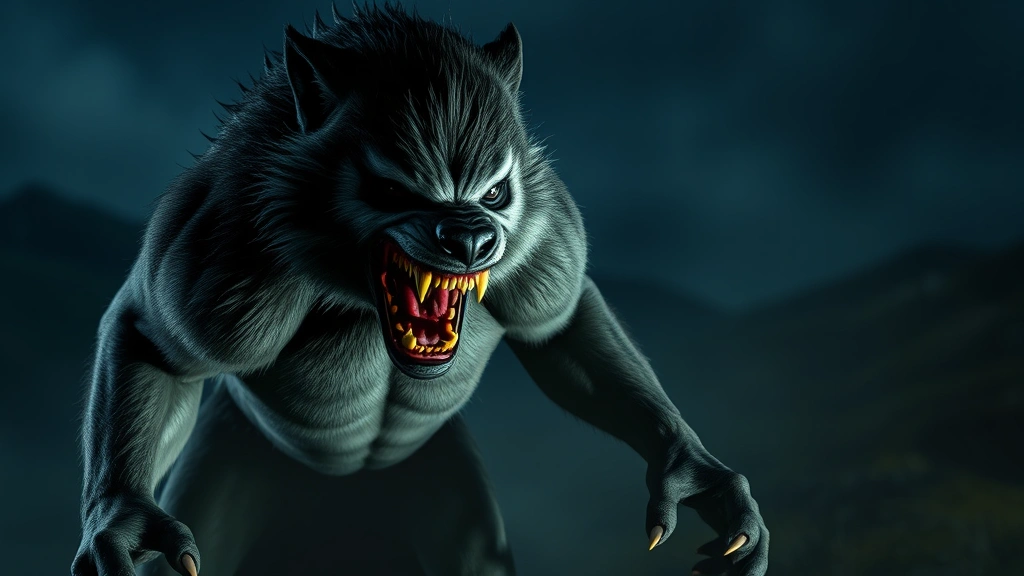
Were the Werewolves in Dog Soldiers Hellhounds? Unraveling the Mythology Behind the Film’s Creatures
If you’ve ever sat down to watch Neil Marshall’s cult classic 2002 film Dog Soldiers, you probably found yourself asking some pretty wild questions. Chief among them: were those terrifying werewolves actually hellhounds? It’s a question that has sparked debate among horror enthusiasts, dog lovers, and mythology buffs for over two decades. The answer isn’t as straightforward as you might think, and it requires us to dig deep into both the film’s lore and the rich tapestry of werewolf mythology across cultures.
The creatures in Dog Soldiers are genuinely unsettling—a far cry from the romantic, tortured werewolves we see in mainstream media. These are primal, savage beasts that seem to operate on pure instinct and malice. But here’s where things get interesting: the distinction between a werewolf and a hellhound is more nuanced than most people realize. While the film never explicitly states whether these creatures are hellhounds, the evidence in the movie itself, combined with classical mythology, suggests a fascinating hybrid interpretation.
So, are we dealing with supernatural canines from the depths of Hell, or traditional werewolves caught in a curse? Let’s explore this mystery together and discover what makes these creatures so uniquely terrifying.
What Are Hellhounds? Understanding the Mythology
Hellhounds have haunted human imagination for centuries, appearing across numerous cultures and religious traditions. These aren’t your average supernatural dogs—they’re typically depicted as massive, demonic canines that serve as guardians of the underworld or enforcers of divine punishment. The concept appears prominently in European folklore, from the Black Shuck of English legend to the hellhounds of Greek mythology.
In classical mythology, Cerberus, the three-headed dog of Greek mythology, stands as perhaps the most famous hellhound. This creature guarded the gates of Hades, preventing the dead from escaping. But hellhounds aren’t always portrayed as mere guardians. In many traditions, they’re depicted as active agents of evil—creatures that hunt the living, drag sinners to damnation, or serve dark masters.
What distinguishes hellhounds from regular werewolves is their inherent supernatural origin. A hellhound is typically a creature born of pure malevolence or specifically created to serve a higher (or lower) power. They’re not cursed humans; they’re demons wearing canine form. This is crucial when examining the creatures in Dog Soldiers, because understanding their origin story determines whether they qualify as hellhounds or something else entirely.
The characteristics commonly attributed to hellhounds include:
- Supernatural strength far exceeding normal canine capability
- Eyes that glow red, yellow, or emit an otherworldly light
- Resistance to conventional weapons
- Intelligence that suggests human-level reasoning or demonic awareness
- A connection to death, darkness, or divine punishment
- An appetite for human flesh that goes beyond normal predatory behavior
The Creatures in Dog Soldiers: A Closer Look
Neil Marshall’s Dog Soldiers introduces us to werewolves that defy conventional horror movie tropes. These aren’t the tragic, anguished creatures we’ve come to expect from mainstream werewolf narratives. Instead, they’re brutal, efficient killing machines—almost like something that would make ordinary dogs howl at sirens in primal recognition of something fundamentally wrong.
The film presents these creatures as the result of a military experiment gone wrong in the Scottish Highlands. A group of British soldiers stumbles upon a werewolf during a training exercise and quickly realizes they’re facing something far beyond their combat training. What unfolds is a visceral, practical horror film that treats its werewolves as tangible, physical threats rather than supernatural mysteries.
The werewolves in Dog Soldiers possess several notable characteristics:
- Physical brutality: They attack with predatory precision, displaying tactics that suggest both animal instinct and calculated intelligence
- Pack behavior: They hunt in coordinated groups, using strategy rather than mindless aggression
- Vulnerability to conventional weapons: Unlike traditional hellhounds, these creatures can be harmed by bullets and explosives
- Biological origin: The film hints at a scientific or biological explanation for their existence
- Limited supernatural elements: While they’re clearly supernatural, the film grounds them in a quasi-realistic framework
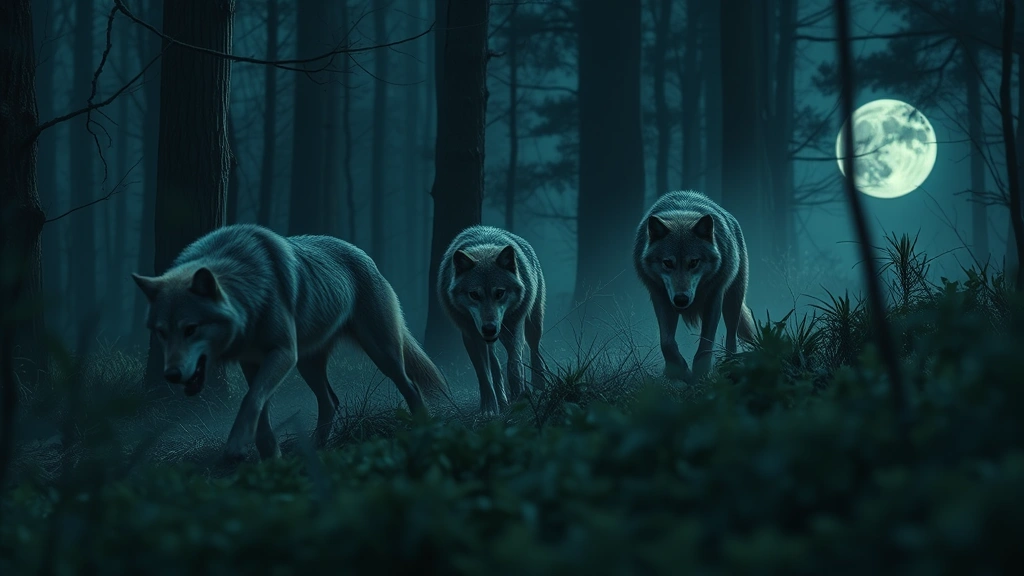
Interestingly, the creatures in the film don’t display the typical hellhound characteristics we’d expect if they were truly demonic entities. They don’t have glowing eyes, they can be killed by conventional means, and they seem to operate on animalistic rather than demonic intelligence. This is where the distinction becomes critical.
Werewolves vs. Hellhounds: Key Differences
To properly answer whether the creatures in Dog Soldiers are hellhounds, we need to understand the fundamental differences between werewolves and hellhounds in mythology and popular culture.
Werewolves are typically humans afflicted with a curse or blessed with a gift that allows them to transform into wolf-like creatures. This transformation might be:
- Involuntary and tied to lunar cycles
- Voluntary and controlled by the individual
- A result of a curse or infection (like a bite)
- A hereditary condition passed through bloodlines
- A blessing from a supernatural entity or deity
Werewolves often retain some human consciousness, emotions, and moral agency. They might struggle with their nature, experiencing internal conflict between their human and animal selves. This internal struggle is a hallmark of werewolf narratives from The Wolf Man to modern interpretations.
Hellhounds, by contrast, are typically:
- Purely supernatural creatures with no human origin
- Servants of darkness or demonic entities
- Immune to conventional weapons and tactics
- Possessing intelligence that’s distinctly inhuman and often malevolent
- Connected to death, punishment, or the underworld
- Incapable of transformation—they exist in their hellish form permanently
The critical difference lies in origin and nature. A werewolf is a transformed being; a hellhound is a creature born of supernatural evil. One is a person who changes; the other is a demon wearing canine form.
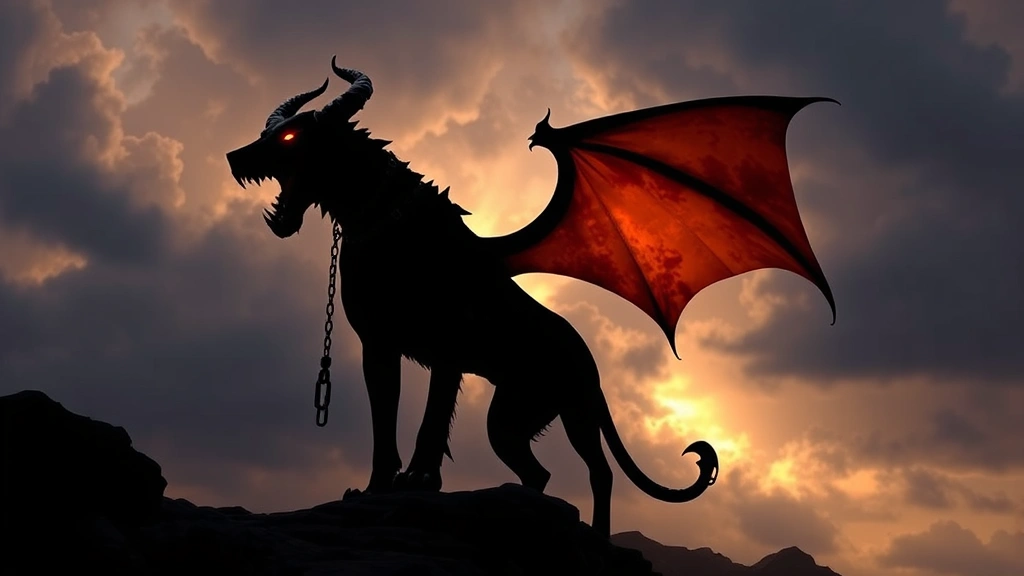
Given these distinctions, the creatures in Dog Soldiers align more closely with traditional werewolf mythology. They appear to be humans who have undergone a transformation, though the exact mechanism isn’t fully explained in the film. This ambiguity is part of what makes Marshall’s film so effective—it leaves room for interpretation while maintaining enough realism to keep the horror grounded.
Evidence from the Film: What Clues Does Dog Soldiers Give Us?
When we examine the actual text of Dog Soldiers, several pieces of evidence suggest these creatures are werewolves rather than hellhounds:
1. Physical vulnerability: The werewolves in the film can be killed with conventional weapons. They bleed, they suffer injuries, and they die. True hellhounds, as depicted in most folklore and horror media, are typically resistant to mundane weaponry. The fact that the soldiers can cause damage with rifles and explosives suggests we’re dealing with creatures that are physical and biological rather than purely demonic.
2. Biological behavior: The creatures in Dog Soldiers exhibit pack hunting tactics and territorial behavior consistent with wolves and wild canines. While they’re clearly enhanced versions of these animals, their behavior suggests an animalistic intelligence rather than demonic consciousness. They seem driven by hunger and pack hierarchy rather than serving a higher dark purpose.
3. The transformation sequence: The film implies that these werewolves undergo transformation, suggesting a human origin rather than a purely demonic one. The transformation process itself—where the human form changes into the beast—is classic werewolf mythology, not typical hellhound lore.
4. Lack of supernatural markers: The creatures don’t display the typical hellhound characteristics. There are no glowing eyes, no demonic aura, no signs of serving an infernal master. They’re presented as a physical threat that, while extraordinary, operates within a semi-realistic framework.
5. The military context: The film hints at government experimentation and military applications for these creatures. This suggests a scientific or biological origin rather than a supernatural one. The werewolves aren’t creatures summoned from Hell; they’re something created or discovered in the physical world.
These elements combine to paint a picture of creatures that are fundamentally werewolves rather than hellhounds. However, the film’s ambiguity is intentional, and Marshall leaves enough questions unanswered to fuel speculation and debate.
Neil Marshall’s Vision and Intent
Neil Marshall has always been clear about his approach to Dog Soldiers: he wanted to make a practical, grounded horror film that treated its supernatural elements as real physical threats. In interviews, Marshall has discussed how he drew inspiration from classic creature features and wanted to create werewolves that felt genuinely dangerous and unpredictable.
Marshall’s werewolves are designed to be more like real predators than mystical beings. They’re faster, stronger, and more intelligent than normal wolves, but they operate according to animal logic rather than demonic intent. This practical approach is evident in every frame of the film—from the way the creatures move to how they hunt their prey.
The director’s vision wasn’t to create hellhounds serving a dark master, but rather to explore what would happen if soldiers encountered a pack of intelligent, enhanced predators in the Scottish wilderness. The horror comes from the creatures’ physical reality and the soldiers’ inability to fight something that operates outside their combat training and understanding.
This grounding in practical horror is what distinguishes Dog Soldiers from many other werewolf films. It’s not interested in exploring supernatural mythology or demonic forces; it’s interested in survival and the breakdown of human systems when faced with something truly alien to human experience. This approach inherently pushes the film away from hellhound territory and into werewolf territory, even if the creatures themselves are more monstrous than sympathetic.
Hellhounds in Popular Culture and Real Canine Behavior
Understanding how hellhounds and werewolves function in popular culture helps us contextualize Dog Soldiers‘s creatures within the broader landscape of supernatural fiction. Hellhounds appear across numerous horror properties—from Stephen King’s Cujo (though that’s more of a rabid dog than a hellhound) to the TV series Supernatural to various video games and books.
What’s interesting is that hellhounds in modern media often share characteristics with the creatures in Dog Soldiers. They’re typically portrayed as enhanced predators—stronger, faster, and more intelligent than normal dogs. However, the key distinction is usually that hellhounds serve a purpose beyond mere survival. They’re agents of evil, instruments of punishment, or servants of dark forces.
The creatures in Dog Soldiers, while undeniably monstrous, don’t seem to serve any purpose beyond their own survival and hunting. They’re not punishing anyone for sins, they’re not guarding a supernatural threshold, and they don’t appear to be serving a higher power. They’re simply predators—extraordinarily dangerous predators, but predators nonetheless.
This connects to an interesting point about real canine behavior. Dogs, like their wolf cousins, are pack animals with complex social hierarchies. They hunt cooperatively, they protect territory, and they can be fiercely territorial and aggressive. The creatures in Dog Soldiers exaggerate these natural canine behaviors to monstrous extremes, but they’re still rooted in how actual wolves and wild dogs operate. You might wonder if real dogs ever experience nightmares, and interestingly, the cognitive complexity required for nightmares suggests that dogs have the mental sophistication to potentially exhibit the kind of coordinated, tactical behavior we see in the film’s creatures.
The film’s creatures represent an evolutionary endpoint for canine predators—what wolves might become if they were enhanced with human-level tactical intelligence and supernatural strength. This is fundamentally different from hellhounds, which represent demonic forces wearing canine form.
To truly understand the distinction, consider this: if dogs are better than cats due to their loyalty and social nature, then the creatures in Dog Soldiers represent the dark inverse—the same pack loyalty and social structure turned into a weapon for survival and predation. Real dogs’ squeaky toy preferences and howling at sirens seem almost quaint compared to the tactical sophistication of Marshall’s werewolves.
From a behavioral standpoint examined by canine experts, the creatures in the film take natural dog behaviors to supernatural extremes. They hunt like packs, they communicate through vocalizations, and they defend territory—all standard canine behaviors amplified to horrifying effect.
Frequently Asked Questions
Are the creatures in Dog Soldiers confirmed to be hellhounds or werewolves?
The film never explicitly confirms whether the creatures are hellhounds or werewolves. Neil Marshall intentionally leaves this ambiguous. However, based on the film’s presentation—their vulnerability to conventional weapons, their pack behavior rooted in animal logic, and the lack of demonic markers—they align more closely with traditional werewolf mythology than hellhound lore.
What’s the origin of the werewolves in Dog Soldiers?
The film hints at military experimentation or some form of scientific explanation, though it’s never fully detailed. The soldiers discover the werewolves already existing in the Scottish Highlands, suggesting they’ve either been created by human experimentation or exist naturally in some form. The ambiguity is intentional and part of the film’s effectiveness.
Can hellhounds be killed with regular weapons?
In most folklore and horror media, hellhounds are immune to conventional weapons. They typically require silver, blessed items, or supernatural means to harm. The creatures in Dog Soldiers can be killed with bullets and explosives, which suggests they’re not true hellhounds in the traditional sense.
What’s the difference between a werewolf and a hellhound?
Werewolves are typically humans who transform into wolf-like creatures, often retaining some human consciousness. Hellhounds are purely supernatural creatures—demons wearing canine form—that serve demonic purposes and are usually immune to conventional weapons. The key distinction is origin: werewolves are transformed beings, while hellhounds are demonic entities.
Has Neil Marshall ever explained what the creatures in Dog Soldiers are?
Marshall has been intentionally vague about the creatures’ exact nature, preferring to let audiences interpret them. He’s discussed his desire to create practical, grounded horror and has emphasized that the creatures should feel like a genuine physical threat rather than supernatural abstractions. This approach favors a werewolf interpretation over a hellhound one.
Why doesn’t Dog Soldiers explain the creatures’ origin?
The ambiguity is a deliberate creative choice. By not fully explaining where the werewolves come from or how they exist, Marshall keeps the focus on survival and horror rather than exposition. The mystery makes the creatures more threatening because we can’t fully understand or predict them. This is a hallmark of effective horror filmmaking.
Could the creatures in Dog Soldiers be considered a hybrid of werewolf and hellhound?
It’s possible to interpret them as a hybrid—creatures that possess the physical form and pack behavior of werewolves but the malevolent, unkillable determination of hellhounds. However, their vulnerability to conventional weapons argues against the hellhound aspect. They’re best understood as extremely dangerous werewolves rather than true hellhounds.
How do the werewolves in Dog Soldiers compare to other film werewolves?
The creatures in Dog Soldiers are notably more feral and less sympathetic than werewolves in other films. There’s no tragic backstory, no struggle with humanity—just pure predatory instinct amplified to supernatural levels. They’re closer to the werewolves of An American Werewolf in London in terms of visceral horror, though Marshall’s approach is more grounded and tactical.
What does the film suggest about these creatures’ intelligence?
The werewolves in Dog Soldiers display significant intelligence—they use tactics, communicate with each other, and adapt to threats. However, this intelligence seems rooted in animal cunning rather than demonic consciousness. They’re smart predators, not supernatural entities with human-level reasoning.
Is there any religious or demonic symbolism in Dog Soldiers?
The film is remarkably free of religious symbolism or demonic references. It’s a practical horror film focused on survival, not spiritual or supernatural themes. This lack of demonic context further supports the interpretation that we’re dealing with werewolves rather than hellhounds.





