
What Do Ringworms Look Like on Dogs? Your Complete Identification Guide
If you’ve noticed your furry best friend scratching more than usual or sporting some suspicious circular patches, you might be wondering if ringworm is the culprit. Despite its misleading name, ringworm isn’t actually a worm at all—it’s a fungal infection that can affect dogs of all ages and breeds. The good news? With proper identification and treatment, ringworm is highly manageable.
Ringworm in dogs is one of the most common fungal infections veterinarians encounter, and it’s also one of the most contagious to both other pets and humans. That’s why understanding exactly what does ringworm look like on a dog is crucial for early detection and prompt treatment. Early intervention can mean the difference between a quick recovery and a prolonged battle with this persistent fungus.
In this comprehensive guide, we’ll walk you through everything you need to know about identifying ringworm in dogs, from the classic signs to look for, to when you should call your veterinarian, and what treatment options are available.
Understanding Ringworm in Dogs
Ringworm, medically known as dermatophytosis, is caused by microscopic fungi that feed on keratin—the protein found in your dog’s skin, hair, and nails. The three most common culprits are Microsporum canis, Microsporum gypseum, and Trichophyton mentagrophytes. These fungi thrive in warm, moist environments, making dogs with compromised immune systems or those living in humid climates particularly vulnerable.
The term “ringworm” comes from the characteristic ring-shaped patterns that often appear on infected skin, though not all cases present this classic appearance. According to the American Kennel Club, ringworm is actually one of the most frequently diagnosed fungal infections in companion animals.
What makes ringworm particularly concerning is its zoonotic nature—meaning it can spread from dogs to humans. This is especially important for families with children, elderly members, or immunocompromised individuals. Understanding how to identify and treat ringworm promptly protects not just your pup, but your entire household.
Classic Visual Signs and Symptoms
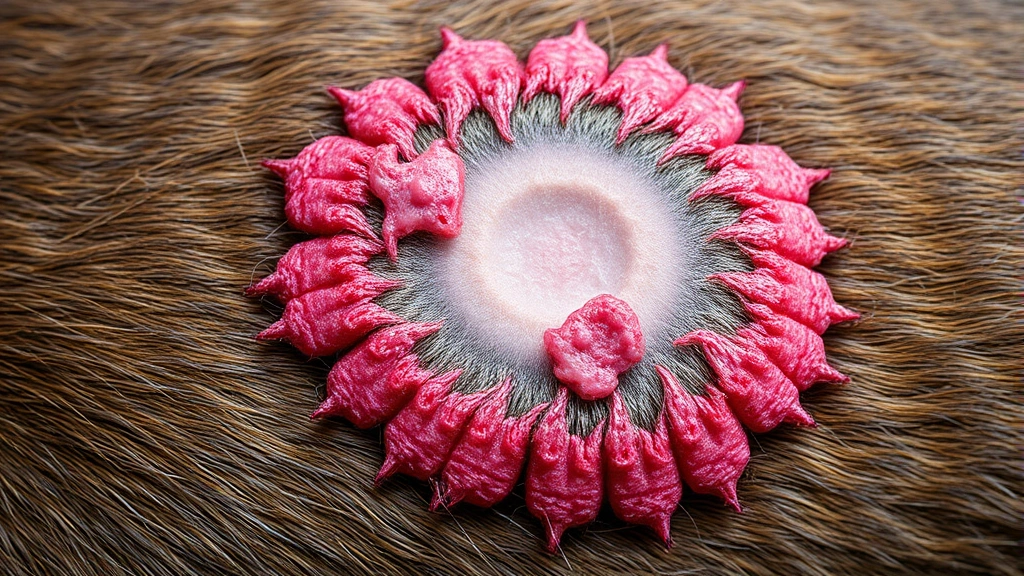
The hallmark sign of ringworm is circular, scaly patches of hair loss. These lesions typically appear as well-defined rings with raised, inflamed edges and a cleaner center. However, ringworm presentations can vary significantly from dog to dog. Some dogs develop single lesions, while others may have multiple patches scattered across their body.
Here are the most common visual indicators you should watch for:
- Circular patches of hair loss: These are the most recognizable sign, typically ranging from a quarter-inch to several inches in diameter
- Red or pink inflammation: The affected area often appears inflamed, especially at the edges
- Scaling and crusting: The skin may appear flaky, scaly, or have a crusty appearance
- Broken or stubby hair: Hair in the affected area often breaks off rather than falling out completely
- Hyperpigmentation: Some dogs develop darkened skin in the affected areas
- Pustules or oozing: In severe cases, the area may develop small pimple-like bumps or discharge
It’s important to note that some dogs are asymptomatic carriers, meaning they can spread the infection without showing any visible symptoms themselves. This makes screening particularly important in multi-pet households. The severity of symptoms often depends on your dog’s immune system strength and the specific fungal species involved.
Stages of Ringworm Development
Ringworm doesn’t appear overnight. Understanding the progression can help you catch it early. The infection typically develops over several stages, each with distinct characteristics.
Stage One: Initial Infection (Days 1-3)
The fungus begins colonizing the hair follicles and outer skin layers. During this phase, you might notice your dog scratching or licking at a particular area more frequently than usual. Visually, there may be minimal changes—perhaps just slight redness or a small patch of hair that appears dull or brittle.
Stage Two: Early Lesion Formation (Days 4-7)
This is when the characteristic circular patches begin to form. You’ll notice more obvious hair loss and inflammation. The area may appear slightly raised and the edges might be more pronounced. Many owners first suspect something is wrong during this stage.
Stage Three: Active Infection (Weeks 2-4)
The lesions become more defined and may multiply. The classic “ring” appearance becomes more apparent, with a scaly border and sometimes a cleaner center. Itching may intensify, and your dog might develop secondary bacterial infections from excessive scratching.
Stage Four: Resolution (Weeks 4-8+)
With proper treatment, hair regrowth begins from the center outward. The inflammation decreases, and the lesions gradually fill in. Even with treatment, this stage can take several weeks, as hair growth is naturally slow.
Where Ringworm Typically Appears
Ringworm doesn’t discriminate when choosing where to set up shop on your dog’s body, but certain areas are more commonly affected than others. Understanding these hotspots can help you conduct thorough self-examinations.
The most frequently affected areas include:
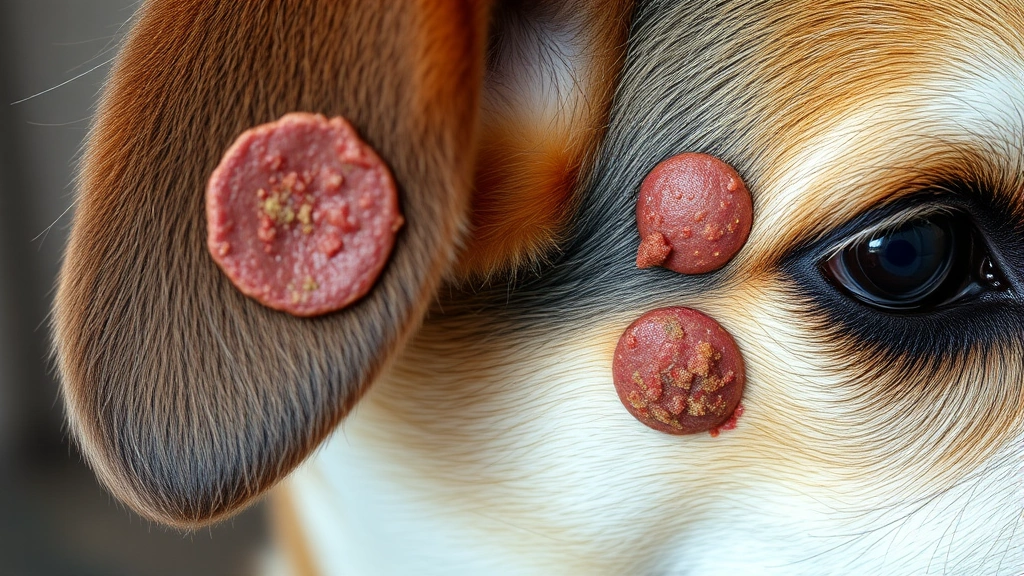
- Face and ears: Particularly around the muzzle, cheeks, and ear edges
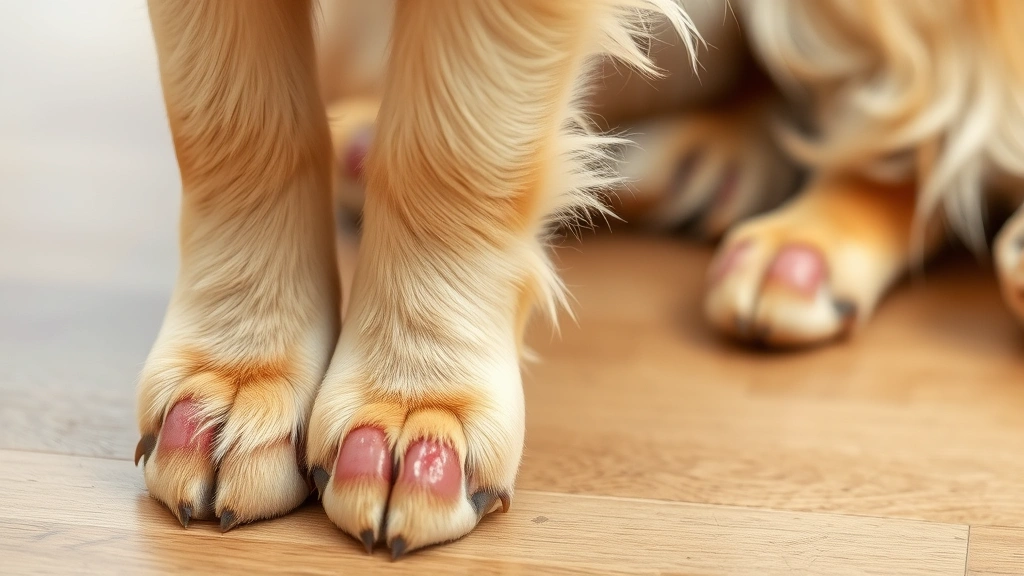
- Paws and nails: Fungal infections here are especially problematic and slow to resolve
- Tail: Often one of the first visible areas affected
- Legs: Especially the front legs and lower portions
- Body and trunk: Can develop anywhere but often appears on the chest and sides
Lesions on the paws and nails are particularly concerning because they’re in constant contact with the environment, making them prone to reinfection and more difficult to treat. Dogs with long coats may have ringworm for longer before owners notice it, as the fungus can hide beneath the fur.
Ringworm vs. Other Skin Conditions
Ringworm isn’t the only skin condition that causes hair loss and inflammation in dogs. Proper identification is crucial for effective treatment. Let’s explore how ringworm compares to other common conditions.
Ringworm vs. Mange
While mange in dogs also causes hair loss, it’s caused by mites rather than fungi. Mange typically causes more intense itching and often affects the edges of ears and joints first. Ringworm lesions are usually more clearly defined, while mange tends to present as more diffuse inflammation.
Ringworm vs. Allergic Dermatitis
Allergies cause more generalized itching and redness without the characteristic circular pattern. Allergic reactions typically affect multiple areas symmetrically, whereas ringworm often starts as isolated lesions. According to the ASPCA, ringworm presents distinct lesion patterns that differentiate it from allergic conditions.
Ringworm vs. Bacterial Skin Infections
Bacterial infections (pyoderma) typically present with pustules, oozing, and a more generalized inflammation. These often smell distinctly and cause more severe itching. Ringworm lesions are usually drier and more clearly demarcated.
Ringworm vs. Lice
If you’re concerned about other parasitic infections, you might wonder can dogs get lice. Lice infestations cause similar itching but typically don’t create the characteristic ring-shaped lesions. Lice are also visible to the naked eye, while ringworm fungi are microscopic.
Risk Factors and Susceptibility
While any dog can contract ringworm, certain factors increase susceptibility. Understanding these risk factors can help you take preventive measures.
Age and Life Stage
Puppies and senior dogs have weaker immune systems and are more susceptible to ringworm. Dogs under one year old and those over seven years old should be monitored more closely during fungal infection outbreaks.
Immune System Status
Dogs with compromised immune systems—whether from illness, medication, or stress—are at higher risk. Conditions like how to tell if your dog has worms can also compromise immune function, making them more vulnerable to secondary fungal infections.
Environmental Factors
Warm, humid environments promote fungal growth. Dogs living in damp conditions or those who spend time in communal areas like dog parks, grooming facilities, or shelters face higher exposure risks.
Coat Type and Grooming
Dogs with long, thick coats are more susceptible because fungi thrive in warm, moist environments close to the skin. Poor grooming practices that allow mats to form create perfect fungal breeding grounds.
Nutritional Status
Dogs with poor nutrition or deficiencies in essential fatty acids and vitamins are more prone to fungal infections. A balanced diet supports skin health and immune function.
Transmission and Health Risks
Understanding how ringworm spreads is crucial for preventing household contamination. Ringworm is highly contagious and can transmit through multiple pathways.
How Ringworm Spreads
The fungus spreads through direct contact with infected skin or fur, contaminated objects (bedding, grooming tools, toys), and spores in the environment. An infected dog can contaminate surfaces for weeks or even months. This is why can humans get worms from dogs is a common concern—ringworm easily transmits to humans through contact with infected areas or contaminated materials.
Zoonotic Risk
Approximately 40% of ringworm cases in humans come from infected pets. Children are particularly at risk due to their developing immune systems and tendency to handle pets extensively. If anyone in your household develops unusual circular skin lesions while your dog is infected, contact your physician immediately.
Multi-Pet Households
In homes with multiple pets, ringworm can spread rapidly through the animal population. Even asymptomatic carriers can transmit the infection. The Merck Veterinary Manual emphasizes the importance of isolating infected pets and maintaining strict hygiene protocols.
Diagnosis and Testing
Visual inspection alone isn’t reliable for diagnosing ringworm. Several diagnostic methods help confirm the infection:
Wood’s Lamp Examination
This ultraviolet light causes some fungi (particularly Microsporum canis) to fluoresce blue-green. However, only about 50% of ringworm cases fluoresce, so a negative result doesn’t rule out infection.
Fungal Culture
This is the gold standard for diagnosis. Your veterinarian collects hair and skin samples and sends them to a laboratory where they’re cultured to identify the specific fungal species. Results take 7-14 days but are highly accurate.
Microscopic Examination
Direct examination of plucked hairs under a microscope can sometimes reveal fungal spores, though this method is less reliable than culture.
PCR Testing
Polymerase chain reaction testing is increasingly available and provides rapid, accurate results in 24-48 hours. This advanced diagnostic method is particularly useful when quick identification is necessary.
Treatment Options
Treating ringworm requires patience and consistency. Most cases require a combination of topical and systemic treatments lasting 2-8 weeks or longer.
Topical Treatments
Antifungal creams, ointments, and solutions are applied directly to affected areas. Common options include miconazole, clotrimazole, and terbinafine. These work best for localized infections but typically aren’t sufficient as sole treatment for widespread cases.
Systemic Medications
Oral antifungal medications like griseofulvin, itraconazole, and terbinafine treat infection from within. These are essential for extensive infections or when topical treatment fails. Treatment duration typically ranges from 4-8 weeks, with progress monitored through repeat fungal cultures.
Medicated Baths and Dips
Antifungal shampoos containing chlorhexidine, miconazole, or lime sulfur help eliminate surface spores and reduce transmission. These should be used 1-2 times weekly as directed by your veterinarian.
Environmental Management
Decontaminating your home is critical. Wash all bedding in hot water, disinfect toys and grooming tools with a 1:10 bleach solution, and vacuum thoroughly. Spores can survive on surfaces for months, so environmental control is ongoing during treatment.
Supportive Care
Ensure your dog receives proper nutrition, stress reduction, and any necessary immune system support. Address any underlying conditions that might compromise immune function. Your veterinarian might recommend supplements to support skin health during recovery.
Frequently Asked Questions
How long does it take for ringworm to show up on dogs?
Ringworm incubation period typically ranges from 7-14 days, though visible symptoms may not appear for several weeks. During this time, an infected dog can still transmit the fungus to others, even without showing signs.
Can ringworm go away on its own in dogs?
While some mild cases might resolve naturally over several months, most cases require treatment. Without intervention, ringworm can spread to other areas of the body and to other animals or humans. Professional treatment dramatically speeds recovery and prevents complications.
Is ringworm painful for dogs?
Ringworm causes itching and discomfort rather than pain in most cases. However, secondary bacterial infections from scratching can cause significant discomfort. Some dogs develop pronounced itching that interferes with sleep and quality of life.
What should I do if my dog has ringworm?
Contact your veterinarian immediately for proper diagnosis and treatment. Isolate your infected dog from other pets and family members when possible. Maintain strict hygiene protocols, including handwashing after contact, and clean all surfaces and bedding regularly. Monitor other pets and household members for signs of infection.
Can I catch ringworm from my dog?
Yes, ringworm is zoonotic and can transmit from dogs to humans. Risk is highest for children, elderly individuals, and immunocompromised people. Practice good hygiene—wash hands thoroughly after petting your infected dog, avoid touching your face, and don’t share grooming tools or bedding.
Are certain dog breeds more susceptible to ringworm?
While any breed can contract ringworm, long-haired breeds are more susceptible because the warm, moist environment close to their skin favors fungal growth. Dogs with compromised immune systems, regardless of breed, are also at higher risk.
How much does ringworm treatment cost?
Treatment costs vary based on the severity of infection, your location, and chosen treatment approach. Typical costs range from $300-$1000 for complete treatment, including diagnostics, medications, and follow-up testing.
Will my dog be immune to ringworm after treatment?
Unfortunately, recovery from ringworm doesn’t confer immunity. Dogs can contract ringworm again after successful treatment, especially if exposed to the same fungal species or if underlying immune issues persist.





