
What Does a Flea Look Like on a Dog? Your Complete Identification Guide
If you’ve ever wondered whether that tiny speck crawling through your dog’s fur is actually a flea, you’re not alone. Fleas are among the most common parasites affecting dogs, and spotting them early can save your pup from serious discomfort and potential health issues. But here’s the thing—these little troublemakers are incredibly small, and identifying them requires knowing exactly what you’re looking for.
In this guide, we’ll break down everything you need to know about flea identification. Whether you’re dealing with a suspected flea infestation or just want to stay informed, we’ve got the details that’ll help you become a flea-spotting expert. Think of this as your visual field guide to understanding these pesky parasites.
The good news? Once you know what to look for, identifying fleas becomes much easier. And catching them early means you can take swift action to protect your furry friend from itching, scratching, and potential complications.
What Do Fleas Actually Look Like?
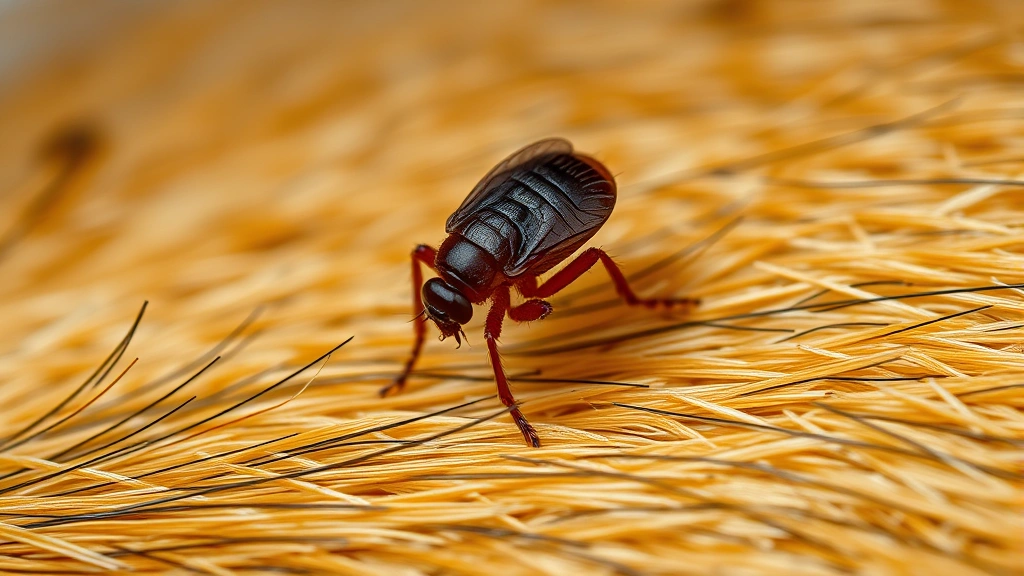
Let’s start with the basics. Adult fleas are small, wingless insects with a distinctly flattened body shape. This flattened appearance isn’t random—it’s actually an evolutionary advantage that allows them to navigate easily through a dog’s fur and skin. Their bodies are built for squeezing into tight spaces, making them surprisingly difficult to spot with the naked eye alone.
When you’re trying to understand what fleas look like on dogs, the most important thing to remember is that you’re looking for something incredibly small. An adult flea is roughly the size of a sesame seed—we’re talking about 2 to 3 millimeters in length. That’s smaller than a grain of rice, which explains why so many pet owners miss them initially.
The flea’s body is segmented and covered with bristles and spines that help it cling to your dog’s fur and skin. These microscopic hairs point backward, which is why fleas are so hard to remove once they’ve attached themselves to your pet. Their legs are specially adapted for jumping, which is how they move between hosts and why they’re such efficient spreaders of infestation.
Size and Color: The Telltale Signs
Color is one of the most identifiable features when you’re looking for fleas. Adult fleas are typically dark reddish-brown or black in color. This dark coloring helps them blend into your dog’s fur, especially if your pup has darker coat colors. If you have a light-colored dog, spotting these dark parasites becomes slightly easier, but they’re still incredibly small.
The color can actually tell you something interesting about the flea’s feeding status. A flea that has recently fed on your dog’s blood will appear darker and more engorged than one that hasn’t eaten in a while. This is because the flea’s abdomen fills with blood, making it more visible and slightly larger.
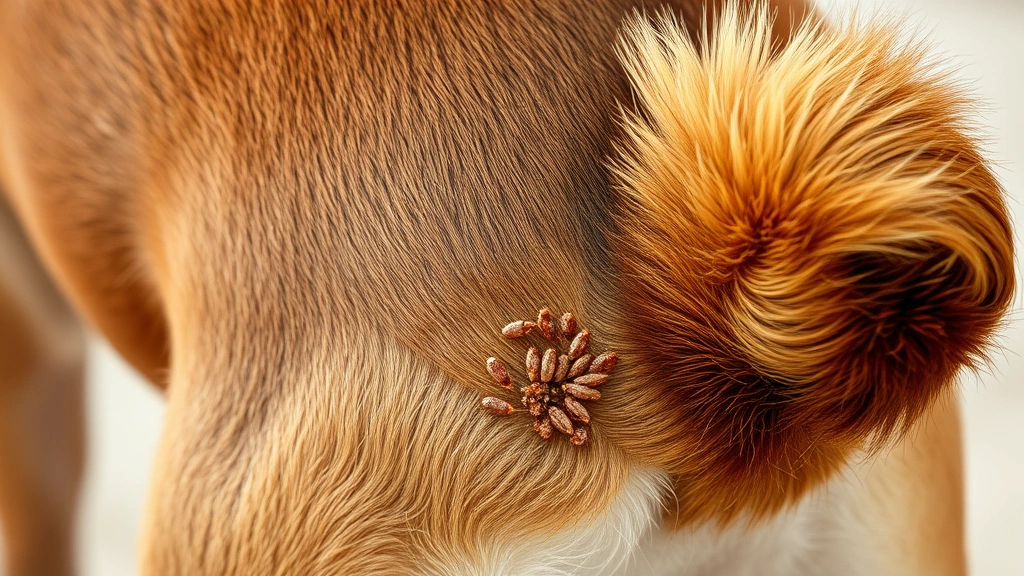
Understanding how to identify fleas on your dog requires you to look closely at their body shape too. Adult fleas have a notably elongated body that’s compressed from side to side. If you could see one under a magnifying glass, you’d notice their back legs are particularly long and powerful—these are the legs they use for jumping. A single flea can jump up to 8 inches horizontally and 5 inches vertically, which explains how they travel so efficiently.
Flea eggs and larvae look completely different from adults. Eggs are tiny, white, and oval-shaped—about the size of a grain of salt. You might find them in your dog’s bedding, on the floor, or scattered throughout your home. Larvae are translucent and worm-like, which is why many people don’t initially recognize them as flea life stages.
Where to Find Fleas on Your Dog
Knowing where fleas like to hang out on your dog is crucial for effective identification. Fleas aren’t distributed randomly across your pup’s body—they have preferred locations. The most common areas where you’ll find fleas are:
- The base of the tail (this is often the first place to check)
- The groin and inner thigh areas
- Around the neck and head
- Behind the ears
- The belly and underside of your dog
- Between the toes and paw pads
These areas are preferred because they’re often warmer, have thinner fur, and are harder for your dog to reach when scratching. The base of the tail is particularly popular among fleas because it’s warm and provides good protection from your dog’s grooming efforts.
To search for fleas effectively, part your dog’s fur and look closely at the skin. Use a fine-toothed comb or flea comb, which has very closely spaced teeth designed specifically for catching fleas. Run the comb through the fur in short strokes, paying special attention to those preferred flea zones we mentioned. If fleas are present, they’ll get caught in the comb’s teeth.
When you’re checking your dog for fleas, do this in a well-lit area or near a window with natural light. The better your lighting, the easier it is to spot these tiny parasites. Some pet owners even use a magnifying glass to get a closer look at what they’ve found.
Flea Dirt vs. Actual Fleas
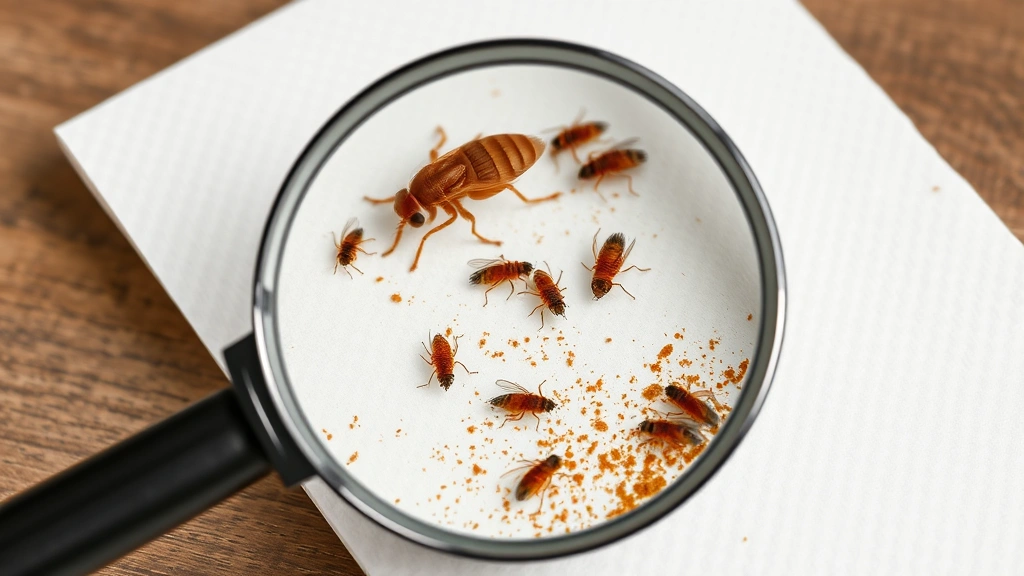
Here’s something that confuses a lot of pet owners: flea dirt. This is one of the most common indicators of flea infestation, and it’s actually easier to spot than the fleas themselves. Flea dirt is the feces of adult fleas, and it looks like tiny black specks or pepper-like particles scattered throughout your dog’s fur.
The key difference between flea dirt and actual fleas is that flea dirt doesn’t move. If you find those black specks and they stay in place when you brush them, that’s likely flea dirt. But here’s the clever part—flea dirt is actually digested blood from your dog. To confirm whether you’re looking at flea dirt or just regular dirt, you can perform a simple test.
Place a suspected flea dirt particle on a white paper towel and add a tiny drop of water. If it’s real flea dirt, it will turn reddish-brown as the digested blood dissolves. This is a reliable way to confirm flea presence even if you haven’t actually seen a live flea. Many vets recommend this test as a quick diagnostic tool.
Finding flea dirt is actually a strong indicator that you have a flea problem that needs attention. If there’s flea dirt, there are fleas—or at least there were recently. This is why understanding how dogs get fleas and acting quickly is so important.
Other Signs Your Dog Has Fleas
While visual identification is important, there are other behavioral and physical signs that suggest your dog has fleas. These signs often appear before you actually spot a flea or flea dirt.
Excessive scratching and itching is the most obvious sign. If your dog is scratching more than usual, especially in those preferred flea zones we mentioned, fleas might be the culprit. Some dogs are more sensitive to flea bites than others, and they may scratch intensely even with just a few fleas present.
You might also notice your dog licking their paws more frequently or biting at their skin. This behavior often indicates skin irritation from flea bites. If the scratching becomes severe, it can lead to secondary skin infections, hair loss, and raw, inflamed patches.
Other signs of flea infestation include:
- Red or inflamed skin patches
- Small red bumps on the skin (flea bite marks)
- Hair loss or bald spots from excessive scratching
- Scabs or crusty patches on the skin
- Behavioral changes like restlessness or difficulty sleeping
- Anemia in severe cases (from blood loss)
- Flea allergy dermatitis (an allergic reaction to flea saliva)
Some dogs develop flea allergy dermatitis, which is an allergic reaction to proteins in flea saliva. This condition causes severe itching and skin inflammation even with minimal flea exposure. If your dog seems to be scratching excessively despite minimal visible fleas, this might be the issue.
If you’re concerned about your dog’s scratching habits and want to learn more about prevention, check out our guide on how to stop your dog from licking their paws.
How Fleas Differ from Other Parasites
Fleas aren’t the only parasites that can affect dogs, so it’s worth understanding how they compare to other common pests. This knowledge helps you identify the specific problem and seek appropriate treatment.
Fleas vs. Ticks: Ticks are much larger than fleas—they’re typically 3-5mm before feeding and can grow to the size of a small pea or larger after feeding. Ticks have eight legs (not six like fleas), and they embed their mouthparts into your dog’s skin rather than just biting the surface. Ticks are also slower-moving and easier to spot visually.
Fleas vs. Lice: Lice are also small parasites, but they’re typically larger than fleas and move more slowly. Dog lice are species-specific and don’t jump like fleas do. They’re also less common than fleas in most areas.
Fleas vs. Mites: Mites cause mange and are microscopic—you can’t see them with the naked eye. They require a skin scraping and microscopic examination by a veterinarian to diagnose. The symptoms are similar to flea infestation (intense itching and skin problems), but the treatment is different.
According to the American Kennel Club’s guide on flea and tick prevention, fleas are the most common external parasite affecting dogs, particularly in warm climates. Understanding their specific characteristics helps you address the problem correctly.
When to Contact Your Vet
While identifying fleas at home is helpful, there are definitely times when you should contact your veterinarian. If you suspect fleas but can’t confirm it visually, your vet can perform a thorough examination and confirm the diagnosis. They might use a flea comb during the examination or look for flea dirt under magnification.
You should contact your vet immediately if:
- Your dog is scratching so intensely that they’re causing open wounds or infections
- You notice signs of anemia (pale gums, lethargy, weakness)
- Your dog develops a skin infection secondary to flea bites
- Your dog is very young, very old, pregnant, or has health conditions
- You’re unsure whether the parasites are fleas or another type of pest
- Previous flea treatments haven’t worked
Your veterinarian can recommend the most effective flea prevention and treatment options for your specific dog. They’ll consider your dog’s age, weight, health status, and lifestyle when making recommendations. The ASPCA provides comprehensive information about flea treatment options that your vet might discuss with you.
Modern flea prevention has come a long way, and there are now many effective options available—from topical treatments to oral medications to flea collars. Your vet can help you choose the best option for your dog’s needs.
Frequently Asked Questions
Can you see fleas with the naked eye?
Yes, you can see adult fleas with the naked eye, but they’re very small (about 2-3mm) and move quickly. They’re easier to spot on light-colored dogs and in good lighting. Using a flea comb makes them much easier to catch and identify.
What does flea dirt look like on a dog?
Flea dirt looks like tiny black specks or pepper-like particles scattered through your dog’s fur. Unlike live fleas, flea dirt doesn’t move. You can confirm it’s flea dirt by placing it on a white paper towel with a drop of water—it will turn reddish-brown as the digested blood dissolves.
How do I know if my dog has fleas vs. dry skin?
Fleas cause localized itching in specific areas (especially the base of the tail, groin, and neck), and you might see flea dirt or actual fleas. Dry skin causes itching all over the body and produces white, flaky skin. You won’t find flea dirt or live parasites with dry skin. When in doubt, consult your veterinarian.
Can fleas live on humans?
Dog fleas are species-specific and prefer dogs to humans. While they might bite a human, they won’t establish an infestation on people. However, they can bite you occasionally, causing small, itchy red bumps.
How quickly do fleas reproduce?
Fleas reproduce rapidly. A female flea can lay up to 50 eggs per day, and the entire life cycle from egg to adult can take as little as two weeks in warm conditions. This is why early detection and treatment are so important.
What’s the best way to check my dog for fleas?
Use a fine-toothed flea comb in a well-lit area. Part your dog’s fur and run the comb through in short strokes, paying special attention to the base of the tail, groin, neck, and behind the ears. Comb the flea comb through a cup of water or onto a white paper towel to see what you’ve caught.
Are there natural ways to identify and prevent fleas?
While regular grooming and checking your dog helps with early identification, prevention typically requires veterinary-approved treatments. The UC Davis School of Veterinary Medicine provides evidence-based information on flea prevention, and most vets recommend prescription or over-the-counter preventatives rather than relying solely on natural methods.
What should I do if I find fleas on my dog?
Contact your veterinarian for treatment recommendations. They’ll suggest appropriate flea control products based on your dog’s age, weight, and health status. In the meantime, wash your dog’s bedding in hot water and vacuum your home thoroughly to reduce flea populations in your environment.





