

What Does Dog Vomit with Blood Look Like? Safety Tips
Discovering blood in your dog’s vomit is undoubtedly alarming. As pet parents, we want to understand what we’re seeing and know when to hit the panic button—or when to calmly reach for the phone to call our vet. The truth is, hematemesis (fancy term for vomiting blood) can range from a minor issue to something requiring immediate attention, and knowing what to look for makes all the difference.
Whether it’s your first time witnessing this unsettling sight or you’re dealing with a recurring problem, this guide will help you decode what your pup’s vomit is telling you. We’ll explore what bloody vomit looks like, what causes it, when it’s an emergency, and most importantly, how to keep your furry friend safe and healthy.
Blood in vomit doesn’t always mean your dog is in critical danger, but it absolutely warrants investigation. Let’s break down everything you need to know to be a confident, informed pet parent.
What Does Bloody Dog Vomit Actually Look Like?
Understanding what you’re seeing is the first step toward taking appropriate action. Bloody vomit can present itself in several distinct ways, each telling a slightly different story about what’s happening inside your dog’s body.
Bright Red Blood (Fresh Blood)
When you see bright red streaks or pools of blood mixed with vomit, you’re likely looking at fresh blood. This typically indicates bleeding occurring lower in the digestive tract, closer to the mouth, throat, or upper esophagus. It might look like your dog vomited normal food or bile with visible red blood mixed throughout, almost like someone drizzled red food coloring into it. Fresh blood is often more alarming to see because it’s so vivid and unmistakable.
Dark Red or Brown Vomit (Coffee Ground Appearance)
This is one of the most distinctive presentations. When blood has been sitting in the stomach for a while and mixes with stomach acid, it takes on a dark, brownish, grainy appearance—veterinarians actually call it “coffee ground” vomit. This typically suggests bleeding higher up in the GI tract, in the stomach itself. The blood has been partially digested, which is why it looks so different from fresh red blood. If your dog’s vomit resembles used coffee grounds, this warrants prompt veterinary attention.
Streaked or Speckled Blood
Sometimes you’ll see small streaks or specks of blood throughout otherwise normal-looking vomit. This might indicate minor irritation or inflammation in the mouth, throat, or esophagus. A dog with a small cut in their mouth or minor inflammation might present with this type of vomit, which is often less serious than large quantities of blood.
Common Causes of Blood in Dog Vomit
Now that you know what to look for, let’s explore the “why.” There are numerous reasons your dog might vomit blood, ranging from minor to serious. Understanding the potential causes helps you communicate better with your veterinarian.
Minor Causes (Usually Non-Emergency)
Sometimes the simplest explanation is the right one. If your dog recently ate something sharp like bone fragments, they might have minor cuts in their mouth or throat causing small amounts of blood in vomit. A slightly irritated esophagus from regular vomiting can also cause small amounts of blood to appear. Dogs that are overly enthusiastic eaters sometimes cause micro-tears in their mouth or throat, leading to bloody vomit.
Dental disease is surprisingly common and often overlooked. If your dog has severe plaque buildup, gum disease, or loose teeth, bleeding gums can contribute blood to vomit. Additionally, if your dog has been throwing up regularly, the repeated trauma from vomiting itself can cause irritation and bleeding in the esophagus.
Moderate Causes (Needs Veterinary Attention)
Gastroenteritis—inflammation of the stomach and intestines—is one of the more common moderate causes. This can be triggered by dietary indiscretion (eating something they shouldn’t), food sensitivities, or infections. Your dog might also be vomiting yellow bile mixed with blood, which indicates stomach upset.
Foreign body obstruction is another possibility. If your dog swallowed something they shouldn’t have—a toy, sock, or other object—it could be causing internal irritation or bleeding as it moves through the digestive tract. Pancreatitis, an inflammation of the pancreas, can cause vomiting with blood. Dogs experiencing pancreatitis symptoms often have multiple GI issues.
Ulcers in the stomach or intestines are also possible, particularly in older dogs or those on certain medications. These can bleed, causing blood to appear in vomit. Certain medications, especially NSAIDs (non-steroidal anti-inflammatory drugs), can increase the risk of ulcer formation.
Serious Causes (Emergency)
Severe infections, particularly from bacteria like Helicobacter or parasites, can cause significant bleeding. Viral infections like parvovirus are extremely serious and often present with bloody vomit and diarrhea. Poisoning or toxin ingestion can cause internal bleeding and bloody vomit. If you suspect your dog ate something toxic, this is absolutely an emergency.
Coagulation disorders—bleeding disorders where your dog’s blood doesn’t clot properly—can cause spontaneous bleeding that appears in vomit. These are serious conditions requiring immediate veterinary intervention. Severe liver disease, kidney disease, or cancer can also present with bloody vomit as a symptom of the underlying condition.

When Is It an Emergency?
Not every instance of bloody vomit requires an emergency room visit at 2 AM, but some absolutely do. Knowing the difference could save your dog’s life.
Call Your Vet Immediately (Same Day)
If your dog vomits blood more than once, don’t wait. If the blood is accompanied by lethargy, loss of appetite, or abdominal pain (indicated by a hunched posture or whining), contact your vet right away. If your dog has a known medical condition like liver disease, kidney disease, or is on blood thinners, any bloody vomit requires same-day evaluation.
If your dog has also been experiencing diarrhea, especially if it contains blood, this combination warrants prompt attention. You should also call immediately if your dog is a puppy or senior, as they’re more vulnerable to serious complications.
Seek Emergency Care (24-Hour Emergency Clinic)
If your dog is vomiting blood repeatedly and appears weak, pale, or in shock (rapid breathing, weak pulse, confusion), get to an emergency clinic immediately. If there’s a large volume of blood in the vomit, this is an emergency. If your dog is experiencing difficulty breathing, severe abdominal pain, or uncontrollable vomiting, don’t wait for your regular vet to open.
If you know or suspect your dog ingested something toxic, poison, or a foreign object, head to the emergency clinic right away. The article on inducing vomiting in dogs might seem relevant, but this should only be done under veterinary guidance. Similarly, if your dog is choking or having difficulty swallowing, see our guide on what to do if your dog is choking.
Any signs of pale gums, excessive drooling, or if your dog seems disoriented or confused also warrant emergency care. These can indicate severe blood loss or shock.
What You Can Do at Home
While waiting for your vet appointment or in the early stages of managing the issue, there are several things you can do to support your dog.
Monitor and Document
Keep detailed records of each vomiting episode. Note the time, appearance of the vomit (bright red, coffee ground, streaked), what your dog ate beforehand, and any other symptoms. Take photos if possible (yes, really—your vet will appreciate the visual). This information is incredibly valuable for your veterinarian in determining the cause.
Dietary Management
Offer bland food in small, frequent meals. Boiled chicken and white rice, or a prescription bland diet from your vet, can help reduce stomach irritation. Avoid any table scraps, treats, or new foods until you’ve determined the cause. Ensure your dog has access to fresh water, but consider offering it in small amounts rather than letting them drink large quantities at once, which can trigger more vomiting.
Rest and Observation
Keep your dog calm and allow them extra rest. Strenuous activity can exacerbate GI upset. Observe their behavior closely—note any changes in appetite, energy level, or bowel movements. Watch for additional symptoms like fever, increased drooling, or signs of pain.
Medication
Don’t give your dog any medications without veterinary approval. Some over-the-counter remedies can actually make things worse or mask serious underlying conditions. Your vet may recommend specific medications once they’ve determined the cause.
Preparing for Your Vet Visit
When you take your dog to the veterinarian, being prepared will help them diagnose the problem more quickly.
Gather Information
Bring your documented observations about the vomiting episodes. Include information about your dog’s recent activities, diet changes, any medications they’re taking, and their vaccination history. If you suspect your dog ate something unusual, bring that information or the object itself if you have it.
Expect These Diagnostic Tests
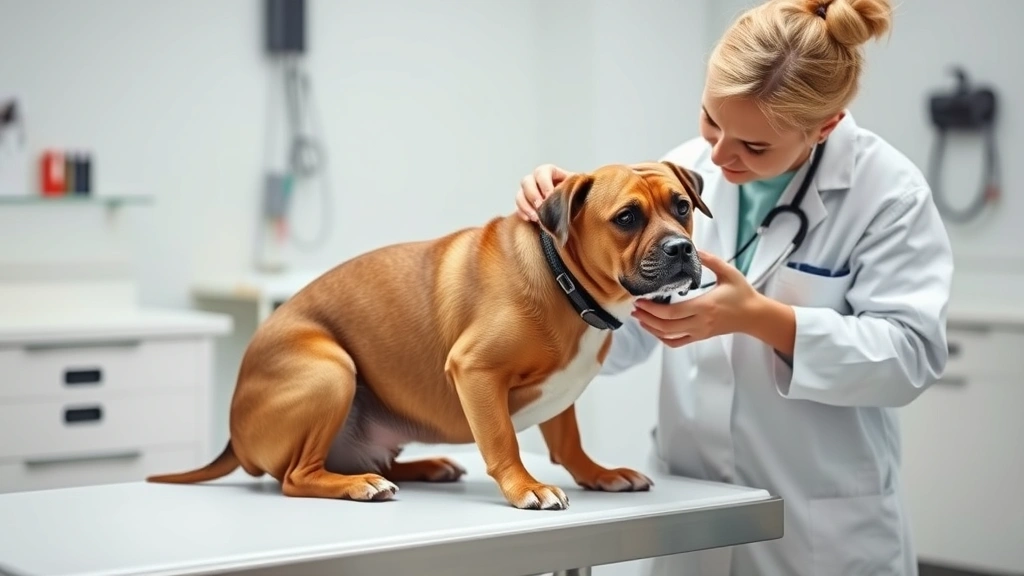
Your vet will likely perform a physical examination, checking your dog’s gums, abdomen, and overall condition. According to the American Kennel Club’s expert guidance, blood tests are often necessary to check for infections, clotting disorders, and organ function. Your vet may also recommend abdominal X-rays or ultrasound to look for foreign objects or internal bleeding.
In some cases, your vet might suggest an endoscopy—a minimally invasive procedure where a camera is inserted down the esophagus to visualize the stomach and upper intestines. This helps identify ulcers, foreign objects, or bleeding sites directly.
Treatment Options
Treatment depends entirely on the underlying cause. Minor cases might resolve with rest and dietary changes. More serious cases might require antibiotics for infections, medications to reduce stomach acid, or in severe cases, hospitalization with IV fluids and blood transfusions. Some conditions require surgery, particularly if there’s a foreign object or severe bleeding source.
Prevention Strategies
While not all cases of bloody vomit are preventable, many are. These strategies can reduce your dog’s risk.
Maintain Dental Health
Regular teeth brushing and professional cleanings help prevent dental disease, which can contribute to bleeding gums and bloody vomit. Schedule annual dental checkups and address any signs of dental disease promptly.
Monitor Your Dog’s Diet
Feed high-quality dog food appropriate for your dog’s age and health status. Avoid sudden diet changes—transition to new foods gradually over 7-10 days. Keep human food and table scraps to a minimum. Be cautious with bones, which can splinter and cause internal injuries. Store all toxic foods safely away from your dog, including chocolate, grapes, raisins, and xylitol-containing products.
Prevent Foreign Body Ingestion
Keep small objects, toys with loose parts, socks, and other choking hazards out of reach. Supervise your dog during playtime and remove toys that are falling apart. If your dog is a known scavenger, use a basket muzzle during outdoor time if necessary.
Regular Veterinary Care
Annual wellness exams catch problems early before they become serious. Keep your dog’s vaccinations current and discuss any concerns with your vet. If your dog is on medications that increase GI bleeding risk, discuss protective measures with your veterinarian.
Manage Stress
Chronic stress can contribute to GI issues. Provide a calm environment, regular exercise appropriate for your dog’s age and health status, and mental stimulation. Consider anxiety management techniques if your dog struggles with stress.
Parasite Prevention
Keep your dog on year-round parasite prevention as recommended by your veterinarian. Parasites can cause bloody vomit and other serious GI issues. According to the ASPCA’s parasite information, regular prevention is far easier than treating an infestation.
Frequently Asked Questions
Is a little bit of blood in dog vomit always serious?
Not necessarily. A small amount of blood, especially if it’s a one-time occurrence and your dog is otherwise acting normally, might be caused by minor irritation or a small cut in the mouth. However, any amount of blood warrants at least a phone consultation with your vet. If the bloody vomiting recurs or is accompanied by other symptoms, it’s definitely serious and requires investigation.
Can I treat bloody vomit at home?
Minor cases with small amounts of blood and an otherwise healthy dog might resolve with rest, dietary management, and monitoring. However, you should always contact your vet for guidance. They can determine whether home care is appropriate or if your dog needs examination. Never assume home care is sufficient without veterinary input—what looks minor might be masking a serious underlying condition.
What’s the difference between vomiting blood and coughing up blood?
This is an important distinction. Coughing up blood (hemoptysis) comes from the respiratory tract and suggests lung or airway issues, which is very different from GI bleeding. If your dog is coughing rather than vomiting, contact your vet immediately—respiratory bleeding can be serious. However, sometimes it’s hard to tell the difference, so describe exactly what you’re observing to your vet.
Could my dog have swallowed something sharp?
Absolutely. Bone fragments, sharp plastic, glass, or other sharp objects can cause cuts in the mouth, throat, or esophagus, leading to bloody vomit. If you suspect this, contact your vet right away. Sometimes blood appears in other ways too, indicating the object has moved further down the digestive tract.
How quickly does a vet need to see my dog?
This depends on the severity. A small amount of blood in one episode with an otherwise healthy dog can usually wait for a same-day appointment. Repeated vomiting with blood, large amounts of blood, or accompanying symptoms like lethargy or pale gums requires immediate attention. When in doubt, call your vet and describe the situation—they can advise you on urgency.
Can stress cause bloody vomit in dogs?
Stress can trigger GI upset and vomiting, but it doesn’t typically cause visible blood in vomit. If your dog is stressed and vomiting blood, there’s likely an underlying medical cause that stress has exacerbated. Your vet needs to investigate the root cause rather than just treating stress.
Is bloody vomit more common in certain dog breeds?
Some breeds are predisposed to certain conditions that can cause bloody vomit. For example, certain breeds are more prone to bleeding disorders or GI sensitivities. Your dog’s breed history should be discussed with your vet, as it can inform diagnostic decisions and treatment plans.
What should I do if my dog vomits blood while I’m waiting for the vet?
Keep your dog calm and comfortable. Don’t offer food or water for a few hours to allow the stomach to settle. Monitor for additional vomiting episodes and document them. If symptoms worsen—if your dog becomes lethargic, shows signs of pain, or vomits multiple times—head to an emergency clinic rather than waiting for your regular vet appointment. According to Washington State University’s veterinary medicine resources, repeated vomiting can quickly lead to dehydration and electrolyte imbalances.
Could medication be causing the bloody vomit?
Yes. Certain medications, particularly NSAIDs and corticosteroids, can increase the risk of ulcers and GI bleeding. If your dog is on any medications and develops bloody vomit, contact your vet immediately. Don’t stop the medication without veterinary guidance, but do inform your vet about all medications your dog is taking. They may need to adjust dosages, switch medications, or add protective medications like proton pump inhibitors.
How is bloody vomit treated?
Treatment depends on the cause. Minor cases might just need rest and dietary management. Infections require antibiotics. Ulcers might need acid-reducing medications. Foreign objects might require surgery. Serious bleeding might require hospitalization with IV fluids, medications to promote clotting, or even blood transfusions. Your vet will recommend the appropriate treatment once they’ve diagnosed the underlying cause.
Bloody vomit in dogs is always worth taking seriously, but it’s not always a sign of imminent catastrophe. By understanding what you’re looking at, knowing when to seek help, and being prepared for your vet visit, you’re already giving your dog the best chance at a quick recovery. Trust your instincts—if something feels wrong, it probably is. Your veterinarian is your best resource, so don’t hesitate to reach out with concerns. After all, you know your dog better than anyone, and that knowledge is invaluable in keeping them healthy and happy.
For additional authoritative information about GI health in dogs, check out the Merck Veterinary Manual’s comprehensive overview of vomiting, which provides detailed clinical information about causes and management strategies.





