

What Does Dog Vomit with Blood Look Like? A Complete Guide
Finding blood in your dog’s vomit is genuinely alarming—and rightfully so. Your pup’s health is precious, and when something looks off, it’s natural to panic. But here’s the thing: understanding what you’re actually looking at can help you respond appropriately and get your furry friend the care they need.
Whether it’s a tiny streak or something more concerning, dog vomit with blood requires attention. The good news? Not every instance means your dog needs emergency surgery. The tricky part? Knowing the difference between “call the vet tomorrow” and “head to the emergency clinic now” situations.
In this guide, we’re breaking down exactly what hemoptysis (vomit containing blood) looks like, what causes it, and when you should genuinely worry. Let’s get your pup feeling better.
What Does Bloody Dog Vomit Actually Look Like?
Okay, let’s get specific because the appearance matters. Bright red blood in dog vomit typically indicates fresh bleeding from the mouth, throat, or upper digestive tract. This blood hasn’t had time to oxidize, so it looks vibrant and obvious. You might see streaks mixed throughout the vomit or distinct clots.
On the flip side, dark red or brown vomit that resembles coffee grounds is actually digested blood. This means the bleeding happened higher up in the digestive system—likely the stomach or upper intestines—and your dog’s stomach acid broke it down before it came back up. It looks almost grainy or chunky rather than liquid.
Some dogs vomit clear or foamy liquid with just a hint of pink or red tint. Others produce bright red vomit with obvious blood clots. The spectrum is pretty wide, which is why getting your vet involved early matters so much.
The reason your dog is throwing up in the first place can vary dramatically, and the appearance of the vomit gives important clues about what’s happening inside.
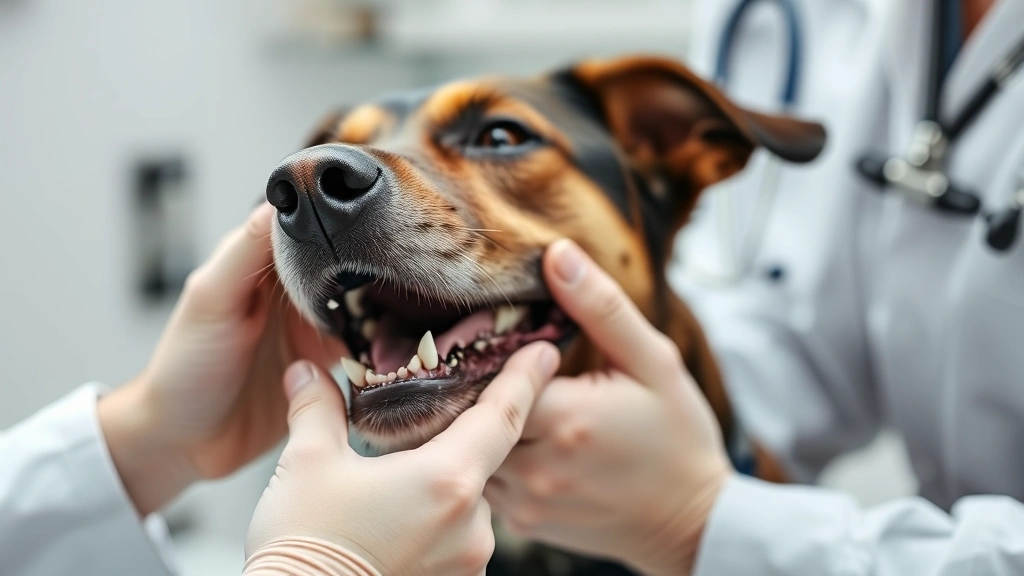
Different Types of Blood in Vomit
Not all bloody vomit is created equal. Understanding these distinctions helps you communicate better with your vet and assess urgency.
- Fresh red blood (hematemesis): Bright, unmistakable red color. Usually indicates active bleeding from the upper GI tract, mouth, or throat. This is what you see when bleeding is recent and hasn’t been exposed to stomach acid yet.
- Coffee ground appearance (melena-like): Dark brown or black specks mixed with vomit. The blood has been partially digested, suggesting the bleeding source is in the stomach or upper small intestine. This typically indicates slower, chronic bleeding rather than acute hemorrhage.
- Streaked vomit: Some food or bile with visible red streaks. Often the least severe presentation, though still worth investigating.
- Clotted blood: Actual blood clots in the vomit indicate significant bleeding. This warrants prompt veterinary attention.
- Pink-tinged vomit: Subtle discoloration that might be easy to miss. Could indicate minor bleeding or old blood.
If your dog is also pooping blood, that’s additional information your vet will want to know, as it suggests a different part of the digestive system might be involved.
Common Causes of Hemoptysis in Dogs
So what actually causes blood in your dog’s vomit? The list is longer than you might think, and many causes are actually quite manageable.
Gastrointestinal irritation and inflammation tops the list. This includes conditions like gastroenteritis (inflammation of the stomach and intestines), often triggered by dietary indiscretion—fancy term for “my dog ate something they shouldn’t have.” Spoiled food, garbage, or rich table scraps can irritate the stomach lining enough to cause bleeding.
Foreign objects are surprisingly common culprits. If your pup swallowed a bone fragment, toy piece, or other object, it might scratch or puncture the digestive tract. This is why understanding what dogs can safely eat matters so much. Sharp or pointed objects are particularly problematic.
Ulcers develop in some dogs, especially those with stress, certain medications, or underlying conditions. These eroded areas bleed when irritated.
Coagulation disorders prevent blood from clotting properly. Conditions like hemophilia or vitamin K deficiency (sometimes from rat poison ingestion) cause bleeding throughout the body, including in the GI tract.
Infections ranging from parasites to bacterial infections can damage the digestive tract lining. Parasites like hookworms are particularly notorious for causing bloody vomit and stool.
Medications like NSAIDs (ibuprofen, naproxen) can irritate the stomach lining and cause bleeding, especially with long-term use.
Severe stress can actually trigger bleeding in some dogs. Stress gastritis is a real condition where emotional distress causes the stomach lining to bleed.
Tumors or growths in the digestive tract can ulcerate and bleed. More common in older dogs, but possible at any age.
Bloat or gastric dilation-volvulus (GDV) is a life-threatening emergency where the stomach twists. This can cause tissue damage and bleeding.

How Serious Is It?
Here’s where context matters enormously. A single episode of vomit with a few red streaks is different from repeated episodes with heavy bleeding. Yet both require investigation.
Mild cases might involve one or two episodes with minimal blood and no other symptoms. Your dog acts normal, eats normally (once you reintroduce food), and seems fine. These often resolve on their own but still deserve a vet check.
Moderate cases include repeated vomiting with blood, lethargy, loss of appetite, or abdominal pain. Your dog might seem uncomfortable, and the episodes aren’t stopping on their own.
Severe cases involve heavy bleeding, significant blood loss signs (pale gums, weakness, collapse), repeated vomiting, or other critical symptoms. These are emergencies.
The color and consistency of vomit alongside other symptoms paint the full picture. Vomiting with diarrhea and blood suggests GI inflammation. Vomiting with lethargy and weakness suggests possible systemic issues.
According to the American Kennel Club’s guidance on bloody vomit, even minor cases warrant veterinary evaluation to rule out serious underlying conditions.
When to Call Your Vet (or Emergency Clinic)
Call your regular vet first thing in the morning if:
- Your dog vomited once with a tiny bit of blood but seems otherwise normal
- The vomiting stopped and they’re acting like themselves
- It happened after eating something questionable, but there are no other symptoms
- You want documentation for your records
Call your vet today (same day) if:
- Your dog has vomited multiple times with blood
- They’re not eating or drinking normally
- They seem lethargic or in pain
- The vomiting continues despite fasting
- You suspect they swallowed something foreign
- They’re on medications that could cause this (like NSAIDs)
Head to the emergency clinic immediately if:
- Your dog is vomiting blood repeatedly and heavily
- They show signs of blood loss (pale gums, rapid breathing, weakness, collapse)
- They have severe abdominal pain
- They’re in obvious distress
- You suspect bloat (distended abdomen, repeated unsuccessful vomiting attempts, restlessness)
- Your dog ingested poison or a known toxin
- They have a bleeding disorder and are showing any bleeding signs
When you contact your vet, describe what you saw as specifically as possible. Mention how many times they vomited, the appearance of the blood, any other symptoms, recent diet changes, and whether they could have eaten something unusual. This information helps your vet triage appropriately.
What You Can Do at Home
While waiting for your vet appointment or to assess whether you need emergency care, there are responsible steps to take.
First, withhold food for 12-24 hours. This gives the digestive tract time to settle. Continuing to feed can aggravate the irritation and trigger more vomiting. Yes, your pup will give you sad eyes, but this is actually helpful.
Offer small amounts of water. Dehydration is a real concern with vomiting. Offer water in small quantities frequently—think a few laps every 20-30 minutes rather than a full bowl. Some dogs do better with ice chips if they’re vomiting frequently.
When you reintroduce food, start with bland, easily digestible options. Plain boiled chicken and white rice, plain pumpkin puree, or a prescription digestive diet if your vet recommends one. Feed small portions frequently rather than one large meal.
Monitor their condition closely. Keep track of how many times they vomit, what it looks like, their energy level, appetite, and any other symptoms. This information is gold for your vet.
Don’t give medications or supplements unless your vet specifically recommends them. Some can actually make things worse.
Keep your dog calm and comfortable. Stress can exacerbate the situation. Provide a quiet space and limit activity.
If your dog also has diarrhea alongside vomiting with blood, the same fasting and bland diet approach applies, though your vet will want to know about both symptoms.
How Vets Diagnose the Problem
When you get to your vet’s office, expect a thorough workup. Your veterinarian will want to identify the bleeding source and underlying cause.
Physical examination: Your vet will check your dog’s vital signs, examine the mouth and throat, palpate the abdomen, and assess overall condition. They’re looking for clues about what’s happening.
Blood work: A complete blood count (CBC) and blood chemistry panel reveal anemia (low red blood cells from blood loss), infection, organ function, and clotting ability. These tests are crucial for understanding the severity and type of problem.
Fecal examination: A stool sample can reveal parasites that might be causing bleeding and GI upset, like hookworms or whipworms.
Imaging: X-rays or ultrasound help visualize the digestive tract. They can reveal foreign objects, tumors, ulcers, or other structural problems. Ultrasound is particularly good for soft tissue visualization.
Endoscopy: In some cases, your vet might recommend endoscopy—a minimally invasive procedure where a camera is passed down the throat to visualize the upper GI tract directly. This allows for biopsies or removal of foreign objects.
Coagulation testing: If bleeding disorder is suspected, your vet might perform specific clotting tests.
The ASPCA provides resources on vomiting in dogs that outline the diagnostic process in more detail.
Based on these findings, your vet will develop a treatment plan. This might range from simple dietary management and rest to medication, surgery, or treatment for underlying conditions.
If your dog is also experiencing diarrhea alongside the bloody vomit, your vet will investigate both issues as they often have interconnected causes.
Frequently Asked Questions
Is a little blood in dog vomit normal?
No, blood in vomit is never completely normal and always warrants investigation. That said, a single episode with minimal blood in an otherwise healthy dog might resolve on its own. However, even this deserves a vet check to rule out problems. Multiple episodes or heavy bleeding definitely require prompt veterinary attention.
Can stress cause my dog to vomit blood?
Yes, severe stress can trigger stress gastritis, where the stomach lining bleeds. Dogs experiencing significant anxiety, major life changes, or traumatic events can develop this condition. However, stress is rarely the only factor—it usually combines with other triggers. Your vet will help identify what’s happening.
What if my dog ate a sharp object?
If you suspect your dog swallowed something sharp like a bone fragment, toy piece, or other pointed object, seek veterinary care immediately. These can perforate the digestive tract, causing internal bleeding and peritonitis (a life-threatening infection). X-rays or ultrasound can confirm the diagnosis, and surgery might be necessary.
How long should I wait before calling the vet?
Don’t wait. Call immediately if there’s heavy bleeding or your dog shows distress signs. For a single episode with minimal blood and no other symptoms, you can typically wait until regular business hours, but still call the same day. When in doubt, call and describe what you observed—your vet can advise whether immediate evaluation is necessary.
Can diet change cause bloody vomit?
Absolutely. Sudden diet changes or eating inappropriate foods can trigger gastroenteritis, causing vomiting and potentially bleeding. Always transition to new food gradually over 7-10 days, mixing increasing amounts of new food with the old. Avoid giving table scraps, especially fatty foods or foods toxic to dogs.
Is hemophilia common in dogs?
Hemophilia is relatively rare in dogs compared to other causes of bloody vomit, but it does occur. Certain breeds are predisposed, including German Shepherds and other large breeds. If your dog has a bleeding disorder, your vet will recommend specific management strategies.
Can parasites cause bloody vomit?
Yes, parasites like hookworms and roundworms can cause bleeding in the GI tract, leading to bloody vomit and stool. Regular parasite prevention and annual fecal exams help catch these before they become serious. Puppies and dogs in high-risk environments are particularly susceptible.
What’s the difference between vomiting and regurgitation?
This matters because regurgitation (undigested food coming back up without the heaving motion of vomiting) has different causes than vomiting. Regurgitation often indicates esophageal or throat issues, while vomiting involves stomach muscles contracting forcefully. Blood in regurgitated material suggests bleeding in the mouth, throat, or esophagus.
The Merck Veterinary Manual offers detailed information on gastritis and ulcers in dogs, providing veterinary-level insight into these conditions.
Can over-the-counter medications help?
Generally, no. In fact, some OTC medications like NSAIDs (ibuprofen, naproxen) can actually cause or worsen bleeding in the GI tract. Never give your dog human medications without explicit veterinary approval. Let your vet diagnose the problem and recommend appropriate treatment.
What’s the prognosis if my dog vomits blood?
The prognosis depends entirely on the underlying cause. Many cases of bloody vomit resolve well with appropriate treatment—dietary management, rest, medication, or in some cases, surgery. Early intervention generally improves outcomes. Severe cases with significant blood loss or life-threatening conditions require emergency care but often respond well to prompt treatment. Your vet will give you a specific prognosis based on your individual dog’s situation.





