
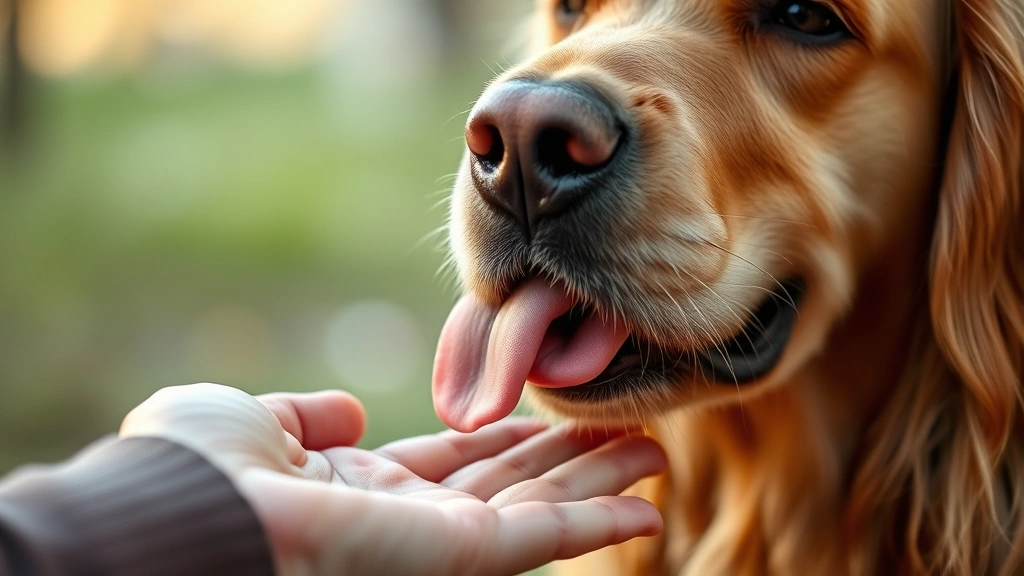
Why Does My Dog Lick My Hand? Understanding the Behavior
If you’re a dog owner, you’ve probably experienced that warm, wet sensation of your furry friend’s tongue on your hand more times than you can count. It’s one of the most common canine behaviors, yet it often leaves us wondering: what exactly is our pup trying to communicate? The answer isn’t as simple as a single explanation—dog hand-licking is a multifaceted behavior rooted in instinct, emotion, and learned associations.
Understanding what it means when a dog licks your hand requires us to put on our detective hats and consider the context, your dog’s body language, and their individual personality. Is it a sign of affection? A request for something? A nervous habit? In this comprehensive guide, we’ll explore the fascinating world of canine communication and help you decode what your dog is really saying when their tongue meets your palm.
Hand-licking is more than just a quirky habit—it’s a window into your dog’s emotional state and their relationship with you. By learning to interpret this behavior correctly, you’ll strengthen your bond with your pet and become a more attentive, responsive owner.
Affection and Bonding
One of the most heartwarming explanations for hand-licking is that your dog is simply showing you love. When dogs lick their owners, they’re often expressing affection and strengthening their emotional bond with you. This behavior has roots in puppyhood—mother dogs lick their puppies to clean them, stimulate them, and show care. As your dog matures, licking becomes a way to replicate that nurturing connection and demonstrate their attachment to you.
Research from animal behaviorists suggests that when dogs lick us, they may be experiencing a release of oxytocin, often called the “bonding hormone.” This neurochemical creates feelings of pleasure and connection, reinforcing the positive association your dog has with you. It’s their way of saying, “You’re important to me, and I feel safe and happy around you.”
The gentle, repetitive nature of hand-licking often occurs during moments of relaxation and closeness. If your dog licks your hand while sitting next to you on the couch or when you first come home, it’s likely a sign of genuine affection and contentment. However, it’s worth noting that not all hand-licking falls into this category—context is crucial.
Seeking Attention and Resources
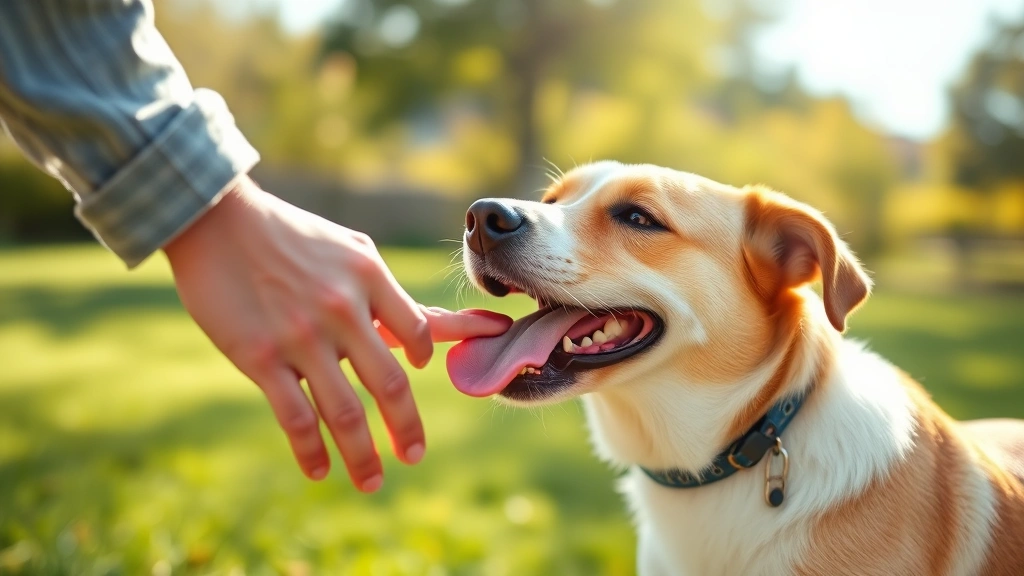
Dogs are remarkably intelligent creatures, and they quickly learn which behaviors get them what they want. If your dog has discovered that licking your hand results in attention, treats, or playtime, they’ll repeat this behavior to achieve those outcomes. This is particularly common with food-motivated dogs who’ve learned that licking your hands might lead to a snack.
When your pup engages in attention-seeking licking, you might notice it happens at specific times—when you’re about to feed them, before a walk, or when they want to play fetch. They’re essentially saying, “Hey! Remember me? I’d like something now, please!” This learned behavior is reinforced every time you respond positively to it, which is why it becomes so persistent.
Understanding the difference between affectionate licking and attention-seeking licking requires observation. Attention-seeking lickers are often more insistent and may escalate their behavior if you initially ignore them. They might also lick your hands more vigorously or repeatedly paw at you while licking. Learning about why your dog licks you in different contexts can help you distinguish between these motivations.
Anxiety, Stress, and Medical Issues
While hand-licking is often endearing, excessive licking can sometimes indicate underlying anxiety or stress. Dogs experiencing nervousness, fear, or uncertainty may lick their owners’ hands as a self-soothing mechanism. It’s similar to how humans might fidget or pace when anxious—the repetitive motion provides comfort.
If your dog suddenly increases their licking behavior after a stressful event (moving to a new home, a loud thunderstorm, or a change in routine), they might be seeking reassurance. In these cases, understanding why dogs lick their paws becomes relevant, as compulsive licking of any kind can signal distress.
Additionally, medical issues can sometimes manifest as increased licking. Skin allergies, parasites, digestive problems, or pain can prompt dogs to lick their owners’ hands more frequently. According to the ASPCA’s guide on licking behavior, if hand-licking is accompanied by other symptoms like excessive scratching, hair loss, or changes in appetite, a veterinary consultation is warranted.
Learned Behavior and Conditioning
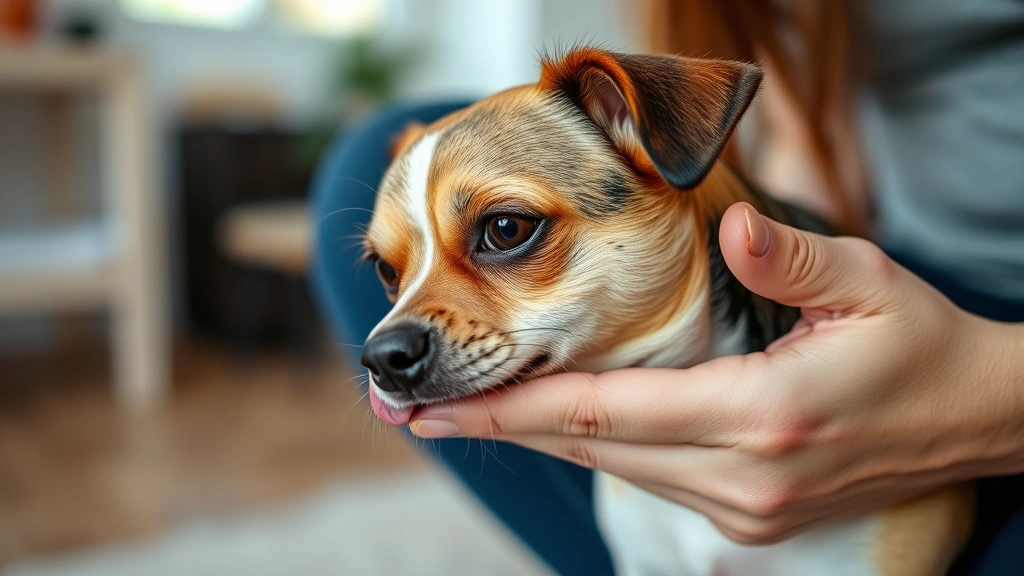
Dogs are master learners, and they quickly pick up on patterns of cause and effect. If you’ve previously reinforced hand-licking by petting your dog, talking to them excitedly, or giving them treats when they lick your hand, you’ve essentially trained them to repeat this behavior. This is classical conditioning in action.
Many dog owners inadvertently encourage hand-licking without realizing it. You might think it’s cute the first few times your puppy licks your hand, so you laugh and pet them. Your dog learns: “Licking hand = positive attention.” They repeat it, and the cycle continues. By the time they’re a full-grown dog, the behavior is deeply ingrained.
The good news is that learned behaviors can be modified with patience and consistent training. If you want to reduce unwanted hand-licking, you’ll need to stop rewarding it and instead redirect your dog’s attention to more appropriate behaviors. This ties into understanding how dogs respond to petting and affection, which can help you find alternative ways to bond with your pet.
Instinctual Origins of Licking
To truly understand hand-licking, we need to look back at your dog’s evolutionary history and pack behavior. In the wild, wolves and wild dogs lick the faces and mouths of pack members, particularly those in leadership positions, as a sign of respect and submission. This behavior also serves a practical purpose—it’s how puppies stimulate their mother to regurgitate food.
When your domesticated dog licks your hand, they’re tapping into these ancient instincts. They see you as a trusted member of their pack, and the licking is a way of acknowledging your importance in their social hierarchy. It’s a deeply ingrained behavior that transcends individual training or conditioning.
The mouth and hands are particularly significant in canine communication. By licking your hand, your dog is engaging with you on a sensory level—they’re gathering information about your scent, your mood, and your overall state. This connects to the broader question of whether your dog knows you love them, because these small gestures contribute to their understanding of your relationship.
When to Worry About Excessive Licking
While occasional hand-licking is normal and often endearing, excessive licking can be problematic. If your dog is constantly licking your hands to the point where it becomes annoying or obsessive, it may indicate a behavioral or medical issue that needs attention.
Excessive licking can stem from several sources:
- Compulsive behavior: Some dogs develop obsessive licking habits, similar to obsessive-compulsive disorder in humans. This is particularly common in certain breeds and can be triggered by stress or boredom.
- Underlying pain or illness: A dog in pain might lick their owner’s hands as a way of communicating discomfort. Skin conditions, ear infections, or gastrointestinal issues can all increase licking behavior.
- Nutritional deficiencies: Rarely, excessive licking can indicate that your dog isn’t getting adequate nutrition. Their body might be craving specific minerals or nutrients.
- Behavioral issues: Anxiety disorders, separation anxiety, or other psychological conditions can manifest as compulsive licking.
According to the American Kennel Club’s expert advice on licking, if your dog’s licking behavior changes suddenly or becomes excessive, it’s time to consult with a veterinarian or certified animal behaviorist. They can rule out medical causes and help address behavioral issues.
Managing and Responding to Hand Licking
If you want to encourage your dog’s affectionate hand-licking while discouraging excessive behavior, here are some strategies:
- Reinforce positive behavior selectively: Only reward hand-licking when it’s gentle and appropriate. If your dog licks your hand while you’re sitting together peacefully, you can acknowledge it with a gentle pet or kind words.
- Redirect excessive licking: If your dog starts licking your hand obsessively, redirect their attention to a toy, puzzle feeder, or other appropriate activity. This teaches them that there are better ways to engage with you.
- Establish boundaries: You can teach your dog that licking is acceptable in certain contexts but not others. For instance, licking during cuddle time on the couch is fine, but not when you’re trying to eat dinner.
- Provide alternative outlets: Ensure your dog has plenty of mental and physical stimulation. A bored dog is more likely to develop compulsive licking behaviors. Learning about why dogs enjoy physical affection like belly rubs can help you find other ways to bond with your pet.
- Stay consistent: Whatever approach you choose, consistency is key. All family members should respond to hand-licking in the same way to avoid confusing your dog.
- Don’t punish: Avoid scolding or punishing your dog for licking, as this can increase anxiety and potentially worsen the behavior.
Remember, the goal isn’t necessarily to eliminate hand-licking entirely—for many owners, gentle licking is a cherished sign of affection. Instead, focus on managing the behavior so it remains a positive part of your relationship with your dog.
Frequently Asked Questions
Is it normal for dogs to lick their owners’ hands?
Absolutely! Hand-licking is one of the most common canine behaviors. It’s a normal form of communication and affection for dogs. Most healthy dogs will lick their owners’ hands at some point, and there’s nothing to worry about unless the behavior becomes excessive or is accompanied by other symptoms.
Does a dog licking your hand mean they love you?
Often, yes! Hand-licking can be a sign of affection and bonding. However, it’s not always a straightforward expression of love. Your dog might be licking your hand for attention, as a learned behavior, or even due to anxiety. Consider the context and your dog’s overall body language to interpret the behavior correctly.
Should I stop my dog from licking my hands?
Not necessarily. If your dog’s hand-licking is gentle and occasional, there’s no need to stop it. Many owners enjoy this form of canine affection. However, if it becomes excessive, obsessive, or bothersome, you can work with your dog to manage the behavior through training and redirection.
What does excessive licking indicate?
Excessive licking can indicate stress, anxiety, boredom, or medical issues. It might also suggest a compulsive behavior disorder. If your dog suddenly increases their licking behavior or licks obsessively, consult with a veterinarian to rule out health problems and with a behaviorist to address any psychological issues.
Can I train my dog to lick less?
Yes! You can manage and reduce excessive licking through consistent training, redirection, and environmental enrichment. The key is to identify the underlying cause of the excessive licking and address it appropriately. Whether it’s attention-seeking, anxiety, or learned behavior, targeted training strategies can help.
Why does my dog lick my hands more than other people’s hands?
Your dog likely licks your hands more because they have a stronger bond with you and spend more time with you. You’re their primary caregiver and the person they’re most attached to. Additionally, if you’ve reinforced hand-licking with attention or treats in the past, your dog has learned that licking your hands specifically results in positive outcomes.
Is dog saliva clean or dirty?
Dog saliva contains some bacteria, but it’s generally not harmful to humans with intact skin. However, if you have cuts or open wounds on your hands, it’s best to prevent your dog from licking them. Additionally, if you’re immunocompromised or have health concerns, consult with your doctor about the safety of dog saliva exposure.





