

What Dog Breed Am I? Fun Personality Quiz to Discover Your Perfect Match
Ever wondered which dog breed matches your personality? Whether you’re a high-energy adventure seeker, a laid-back couch potato, or a loyal companion who values deep connections, there’s definitely a dog breed that mirrors your unique traits. Taking a what dog am I quiz can be surprisingly insightful—and honestly, pretty entertaining!
The beauty of personality-based dog breed quizzes is that they tap into something we all find fascinating: understanding ourselves through the lens of our furry friends. Dogs have distinct personality archetypes, just like humans do. Some are natural leaders, others are comedians, and some are the ultimate nurturers. By exploring these canine personalities, you might just discover something new about yourself.
In this comprehensive guide, we’ll explore how personality quizzes work, what different dog breeds reveal about temperament, and why matching your personality to a breed can be incredibly rewarding. Whether you’re considering getting a dog or simply curious about which breed you’d be, you’re in for a treat!
How Dog Breed Personality Quizzes Work
Dog breed personality quizzes operate on a simple but effective principle: they ask questions about your behavior, preferences, and values, then match your responses to breed characteristics. These quizzes typically examine factors like energy levels, social tendencies, problem-solving approaches, and emotional responses to various situations.
The science behind these quizzes draws from behavioral psychology and canine temperament studies. Researchers have long recognized that dogs, like humans, exhibit consistent personality patterns. According to the American Kennel Club, breed standards include detailed descriptions of ideal temperaments, which form the foundation for most personality-matching quizzes.
Most quizzes present scenarios and ask how you’d respond. For example, “At a party, you typically…” with options ranging from “Work the room and meet everyone” to “Find a quiet corner with close friends.” Your answers are scored and compared against personality profiles of various breeds, generating your personalized match.
The accuracy of these quizzes depends on several factors: the quality of the questions, the comprehensiveness of breed data, and your honest self-assessment. The best quizzes don’t just identify one breed but provide a spectrum of compatible breeds, recognizing that personality exists on a continuum rather than in rigid categories.
Understanding Canine Personality Types
Just as humans have personality types, dogs fall into recognizable behavioral categories. Understanding these archetypes helps explain why certain breeds behave consistently across generations and why matching your personality to a breed matters so much.
The Leader: These dogs are confident, decisive, and naturally take charge. Breeds like German Shepherds, Dobermans, and Australian Cattle Dogs exemplify this personality. Leaders are problem-solvers who thrive on responsibility and structure. If you’re someone who naturally takes initiative and enjoys leading projects, you might identify strongly with this archetype.
The Nurturer: Golden Retrievers, Labrador Retrievers, and Cavalier King Charles Spaniels often embody nurturing personalities. They’re empathetic, patient, and genuinely interested in the wellbeing of others. Nurturers make excellent therapy dogs because they intuitively understand emotions. People who identify as nurturers often find deep satisfaction in helping others and building strong relationships.
The Comedian: Some breeds, like Beagles, Corgis, and Boxers, seem to have a natural sense of humor. They’re playful, mischievous, and keep everyone entertained. Comedians approach life with enthusiasm and rarely take things too seriously. If you’re the person who can lighten the mood and make friends laugh, you’re likely a comedian personality.
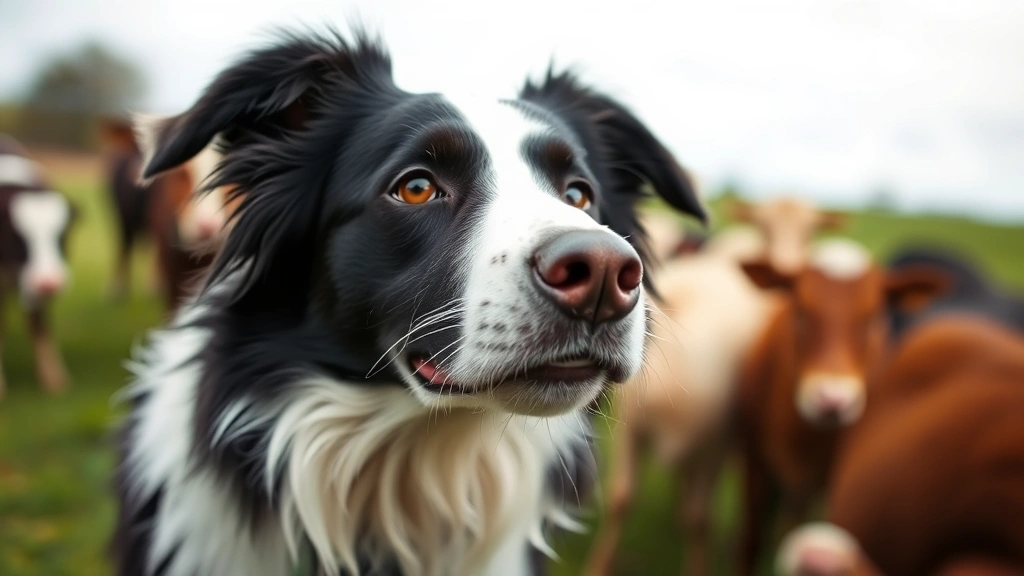
The Scholar: Poodles, Border Collies, and Shetland Sheepdogs are known for their intelligence and love of learning. Scholars thrive on mental stimulation, puzzles, and understanding how things work. They’re analytical and often prefer depth over breadth in their interests. If you’re naturally curious and love solving complex problems, this might be your personality match.
The Adventurer: Siberian Huskies, Weimaraners, and Jack Russell Terriers crave action and new experiences. Adventurers are energetic, fearless, and always ready for the next challenge. They struggle with routine and need constant stimulation. Adventurers among humans are typically thrill-seekers who get bored easily and constantly pursue new experiences.
The Sentinel: Breeds like Rottweilers, Boxers, and Akitas are protective and observant. Sentinels are loyal, cautious with strangers, and deeply committed to their inner circle. They take their responsibilities seriously and don’t make friends quickly, but those friendships run deep. Sentinel personalities are dependable and trustworthy, though sometimes perceived as aloof.

Popular Breeds and Their Personality Traits
Let’s explore some popular breeds and what their personalities might reveal about you if you matched with them:
Golden Retriever: If you matched with this beloved breed, you’re likely friendly, optimistic, and genuinely interested in making others happy. Golden Retrievers are the ultimate team players who thrive in social environments. They’re patient, forgiving, and rarely hold grudges. People who match with Goldens tend to be natural mentors and peacemakers.
German Shepherd: Matching with a German Shepherd suggests you’re intelligent, driven, and natural problem-solvers. You likely excel in leadership roles and have strong work ethics. German Shepherds are versatile and adaptable, suggesting you handle change well and can pivot when situations demand it. These dogs are featured prominently in what dog breed are you quiz results because their balanced personality appeals to many.
French Bulldog: French Bulldog matches indicate you’re affectionate, adaptable, and content with moderate activity levels. You value comfort and companionship over constant stimulation. Frenchies are independent thinkers who enjoy being part of the action without necessarily being the center of attention. If this is your match, you likely prefer quality time with close friends to large social gatherings.
Border Collie: This match suggests you’re exceptionally intelligent, driven, and perhaps a bit intense. Border Collies need constant mental stimulation and purpose. If you matched with this breed, you probably struggle when underutilized and thrive when tackling challenging projects. You’re likely detail-oriented and value precision.
Beagle: Beagle matches indicate you’re curious, enthusiastic, and social. You’re drawn to adventure and exploration, though sometimes your enthusiasm gets you into trouble. Beagles follow their noses and intuition, suggesting you’re guided by your instincts more than rigid planning. You’re loyal to your friends and genuinely enjoy their company.
Dachshund: If you matched with a Dachshund, you’re likely courageous despite your size, clever, and somewhat stubborn. Dachshunds were bred to hunt badgers—animals much larger than themselves—suggesting you don’t back down from challenges. You have a strong sense of self and aren’t easily swayed by others’ opinions.
Understanding the connection between breed characteristics and human personalities helps explain why certain people gravitate toward specific breeds. It’s not random—there’s genuine compatibility at play. For more insights, you might enjoy exploring what type dog am I resources that go deeper into personality matching.
Why Matching Personality Matters When Choosing a Dog
Beyond the fun of discovering your canine personality match, there are practical reasons why personality alignment matters significantly. When you choose a dog whose personality complements yours, you’re setting up a successful long-term relationship.
Energy Level Compatibility: This is perhaps the most critical factor. A high-energy Husky paired with a sedentary person creates frustration on both sides. The dog becomes destructive and anxious from under-stimulation, while the owner becomes frustrated with the dog’s behavior. Conversely, an elderly person with a high-activity lifestyle might find a laid-back Basset Hound boring. Matching energy levels prevents these mismatches.
Lifestyle Alignment: Your daily life should accommodate your dog’s needs. Someone working twelve-hour days shouldn’t adopt a highly social breed that struggles with alone time. Similarly, a person who loves outdoor activities should avoid breeds with breathing difficulties or heat sensitivity. The ASPCA emphasizes that lifestyle compatibility is crucial for successful dog ownership.
Training and Behavioral Expectations: Some personalities are naturally easier to train than others. Eager-to-please breeds like Golden Retrievers and Poodles respond quickly to training. Independent thinkers like Huskies or Terriers require more creative, motivating approaches. Knowing what personality type you’re dealing with sets realistic expectations and helps you employ appropriate training methods.
Social Needs: Some people thrive surrounded by friends and family; others prefer quiet solitude. Dogs have similar social needs. Highly social breeds like Labs need constant companionship and group interaction, while more independent breeds are comfortable spending time alone. Matching these needs prevents both owner and dog from feeling isolated or overwhelmed.
Long-term Satisfaction: When personality alignment exists, both human and dog are happier. You’re more likely to keep your dog for life, maintain consistent training, and truly enjoy your relationship. Personality mismatches often lead to dogs ending up in shelters because the owner didn’t anticipate the dog’s behavioral needs.
Many people find that discovering their personality match through exploring why dogs better than cats becomes a gateway to understanding their own preferences more deeply. The process of self-reflection that quizzes encourage often reveals unexpected insights.
Taking Your Own What Dog Breed Am I Quiz
Ready to discover your canine personality match? Here’s how to get the most out of taking a what dog am I quiz:
Be Honest With Yourself: These quizzes only work if you answer authentically. Don’t answer how you think you should be; answer how you actually are. If you’re introverted, don’t claim to be extroverted because it sounds better. The goal is accurate self-knowledge, not impressing an algorithm.
Consider Your Genuine Preferences: Think about what you actually do, not what you aspire to do. Yes, you might want to be more active, but if you’re currently sedentary, that’s your current reality. Quizzes measure your present personality, not your potential.
Reflect on Your Responses: After getting your results, spend time reflecting on why those breeds matched you. Does the description resonate? Are there elements that surprise you? Sometimes the most valuable insights come from questioning why a particular match resonates or doesn’t.
Explore Multiple Matches: Most good quizzes provide several potential matches rather than just one. Look at the whole spectrum. You might be 60% Golden Retriever and 40% Labrador—and that’s perfectly normal. Personality is nuanced and multifaceted.
Research Beyond the Quiz: Use your quiz results as a starting point. Research the breeds that matched you. Read about their typical behavior patterns, energy requirements, health considerations, and training needs. This research phase helps you understand not just how you match a breed’s personality, but whether you could actually provide appropriate care for that breed.
For a comprehensive experience, try multiple quizzes. Different platforms use different methodologies, and comparing results can provide deeper insights. Check out why dogs like belly rubs and other behavioral articles to better understand canine psychology, which enriches your understanding of breed personalities.
According to Cornell University’s College of Veterinary Medicine, understanding breed temperament is essential for responsible dog ownership. Their research shows that personality-based matching significantly improves long-term owner satisfaction and reduces behavioral problems.
The Science Behind Breed Personality Profiles
You might wonder: how accurate are these personality profiles really? The answer is more nuanced than a simple yes or no.
Dog breeds were developed through selective breeding for specific traits over generations. A Border Collie was bred for herding intelligence; a Bloodhound for tracking ability; a Bulldog for courage and determination. These selective breeding practices created consistent personality tendencies within breeds. Research published through the National Center for Biotechnology Information confirms that breed-specific behavioral traits are measurable and relatively consistent.
However, individual variation exists within breeds. Not every Golden Retriever is outgoing, and not every Husky is hyperactive. Environmental factors, training, socialization, and individual genetics all play roles. Think of breed personality as a tendency or predisposition rather than a guarantee.
This is where personality quizzes become particularly useful. They help people understand not just individual dog personalities but broader behavioral patterns. A quiz result suggesting you match a certain breed means you share core personality traits with that breed’s typical temperament, even if you’re not an exact replica.
Some fascinating research has emerged about canine personality assessment. Studies show that dogs have measurable personality traits including boldness, playfulness, trainability, and sociability. These traits remain relatively consistent throughout a dog’s life and correlate strongly with breed standards.
Practical Applications of Personality Matching
Understanding your dog breed personality match has applications beyond just fun quizzes:
For Prospective Dog Owners: If you’re considering getting a dog, personality matching helps you choose a breed that fits your lifestyle. It prevents impulse decisions based on appearance alone. A breed might be beautiful but completely incompatible with your living situation, work schedule, or activity level.
For Current Dog Owners: If you already have a dog, understanding personality types helps you appreciate their unique traits and adjust your expectations. Your dog isn’t being stubborn or difficult; they’re just expressing their natural personality. This understanding builds compassion and patience.
For Training and Behavior Management: Different personalities require different training approaches. A food-motivated Beagle responds well to treat-based training, while a praise-motivated Golden Retriever might work better with verbal encouragement. Understanding personality helps trainers and owners choose effective techniques.
For Enrichment and Activity Planning: When you understand your dog’s personality type, you can provide appropriate enrichment. A scholar personality needs puzzle toys and training challenges; an adventurer needs running space and varied environments; a nurturer thrives on social interaction.
Interestingly, exploring personality types often leads people to discover complementary information. For instance, learning that your matched breed loves treats might prompt you to explore do dogs have taste buds to understand their sensory experience better.
Frequently Asked Questions
What if my quiz results don’t match my breed expectations?
This is actually quite common and valuable! It suggests either that your breed doesn’t match the standard personality profile (individual variation exists), or that you have different personality traits than you expected. Either way, it’s an opportunity for self-reflection. Take time to understand why the mismatch occurred.
Can mixed breeds have personality matches?
Absolutely! Mixed breeds often exhibit personality traits from their parent breeds. If you have a mixed breed, the quiz might identify traits from multiple breeds within them. Understanding this mix helps you appreciate your dog’s unique personality cocktail.
Do personality quizzes help me choose the right dog breed?
They’re a helpful starting point, but not the only factor to consider. Personality matching is important, but you should also consider: available space, time commitment, exercise capacity, living situation, allergies, and whether you’re prepared for breed-specific health considerations. Use personality quizzes as one tool in a comprehensive decision-making process.
Are personality-based breed matches scientifically valid?
Breed personality tendencies are scientifically documented, so the foundation is solid. However, individual variation means personality matches are general tendencies rather than perfect predictions. Think of them as accurate frameworks rather than absolute certainties.
What if I don’t like my personality match?
That’s okay! Personality quizzes aren’t judgments; they’re mirrors for self-reflection. If you dislike your match, it might prompt interesting questions: Why don’t I like this personality type? What does this reveal about my preferences? Sometimes our dislikes are as informative as our likes.
Can I take the quiz multiple times and get different results?
Possibly, if your answers change. However, this might indicate you’re not answering consistently or honestly. If you’re genuinely uncertain about some answers, that’s worth exploring. Your personality is relatively stable, so consistent results across multiple attempts suggest accuracy.
How do personality quizzes compare to professional personality assessments?
Dog breed personality quizzes are entertainment-focused and simplified compared to professional psychological assessments. They’re based on breed characteristics rather than comprehensive personality frameworks. However, they can still be surprisingly insightful because dogs genuinely do embody distinct personality patterns that humans recognize and relate to.
Ultimately, the real value in discovering what dog breed are you quiz results lies in the self-reflection it encourages. Whether you’re spot-on with your match or completely surprised, you’ve engaged in meaningful introspection about your own personality, preferences, and needs. And that’s something worth celebrating!





