
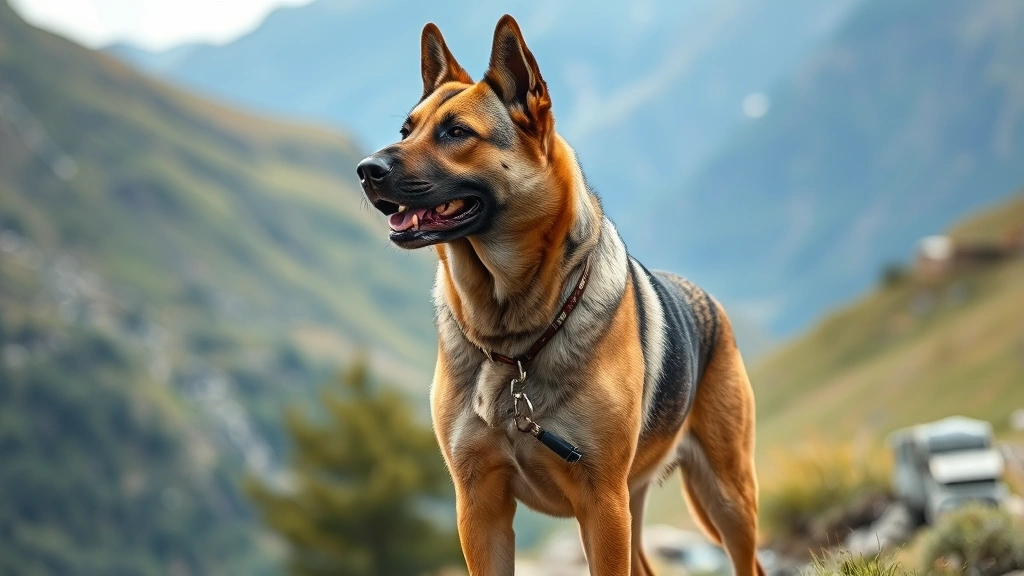
Which Dogs Have the Strongest Bite? Discover the Top Breeds
Ever wondered which dog breeds pack the most powerful punch with their jaws? It’s a fascinating question that goes beyond just raw numbers—understanding canine bite force tells us a lot about breed history, physical capabilities, and why certain dogs were originally bred for specific tasks. Whether you’re a dog enthusiast, a potential owner, or simply curious about our four-legged friends, knowing what dogs have the strongest bite can help you appreciate these incredible animals and their unique abilities.
Bite force is measured in pounds per square inch (PSI), and the results might surprise you. Some of the most powerful biters aren’t the breeds you’d expect, and many of our beloved companions have jaws that would make you think twice about playtime. The science behind bite force involves muscle mass, jaw structure, and evolutionary adaptations that have been refined over centuries of selective breeding.
In this comprehensive guide, we’ll explore the top contenders for strongest-biting dogs, examine what makes their jaws so powerful, and discuss the importance of responsible ownership. Spoiler alert: it’s not always about size!
Understanding Canine Bite Force
Bite force isn’t just about raw power—it’s a complex measurement that considers several factors. Scientists measure PSI by placing a special device in a dog’s mouth and recording the pressure exerted when they bite down. The American Veterinary Medical Association recognizes that bite force varies significantly based on the individual dog’s age, health, training, and emotional state.
Interestingly, bite force doesn’t always correlate with aggression or danger. A dog with an incredibly powerful bite can be gentle and well-behaved, while a smaller dog with a weaker bite might be more prone to snapping. This distinction is crucial when discussing what is the most dangerous dog breed, as danger involves multiple factors beyond just bite strength.
The variation in bite force measurements across different studies can be significant. Some research suggests certain breeds can bite with forces exceeding 700 PSI, while other studies show more conservative numbers. This variation occurs because testing conditions, dog temperament during testing, and measurement methodology can all affect results.
Top Dog Breeds with the Strongest Bites
Kangal
Often cited as having the strongest bite force of any dog breed, the Kangal—a Turkish livestock guardian dog—can exert up to 743 PSI according to some studies. These massive dogs were bred to protect sheep from predators like wolves and bears, so their powerful jaws were essential for survival. Kangals are known for their loyalty and protective nature, though they require experienced owners and proper socialization.
The Kangal’s bite force is a direct result of their evolutionary history. Living in harsh Turkish mountains, these dogs needed to be formidable enough to deter dangerous predators while remaining trustworthy with their human families. Today, they’re recognized by the Turkish government as a national treasure.
Bandog
The Bandog, a crossbreed typically involving Mastiffs and Pit Bulls, can deliver bite forces between 700-730 PSI. These dogs were historically created for protection work and hunting dangerous game. Their incredible jaw strength combined with their size makes them formidable animals that demand respect and expert handling.
Cane Corso
This Italian Mastiff breed boasts a bite force around 700 PSI. Bred originally for hunting large game and protecting property, the Cane Corso is an imposing dog with a muscular build and powerful jaw structure. Despite their strength, many Cane Corsos are gentle family companions when properly trained and socialized.
Dogo Argentino
Developed in Argentina for big game hunting, the Dogo Argentino can bite with a force of approximately 690 PSI. These white, muscular dogs were created by breeding multiple large and powerful breeds together. Their bite force reflects their original purpose of hunting wild boar and puma in challenging terrain.
Rottweiler
Rottweilers consistently rank among the strongest biters, with bite forces around 650-700 PSI. Originally bred as herding and guard dogs, Rottweilers have a robust jaw structure that’s perfectly suited to their historical roles. When properly trained, these intelligent dogs make loyal and protective family members.
Mastiff Breeds
Various Mastiff breeds, including the English Mastiff, Bullmastiff, and Neapolitan Mastiff, all possess impressive bite forces ranging from 550-700 PSI depending on the specific breed. These giant dogs were bred for guarding estates and hunting large game, and their jaw strength reflects these demanding purposes.
Boxer
Don’t let their playful demeanor fool you—Boxers can bite with a force around 650 PSI. These energetic dogs were originally bred for hunting and dog fighting (a practice now illegal and condemned), and their powerful jaws are a testament to that history.
Husky and Malamute
Northern working breeds like Huskies and Alaskan Malamutes have bite forces around 400-500 PSI. While lower than some other large breeds, this is still quite substantial and reflects their history as sled dogs and hunters in arctic conditions.

The Anatomy Behind the Power
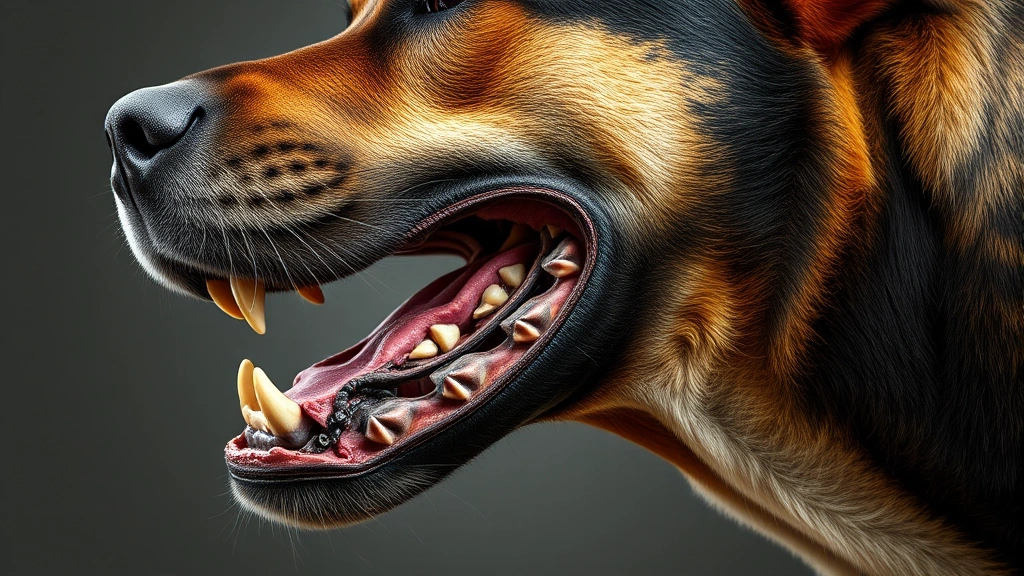
What makes certain dogs capable of such powerful bites? The answer lies in their anatomy. Bite force depends on several interconnected factors: muscle mass, particularly in the masseter and temporalis muscles; jaw structure and leverage; tooth size and shape; and overall body mass.
Dogs with the strongest jaw structure typically have broader skulls, stronger jaw hinges, and more robust muscle attachments. The shape of their skull allows for more efficient force distribution when biting. Selective breeding over centuries has accentuated these traits in certain breeds.
The position of a dog’s bite also matters. Dogs can exert more force at the back molars than at the front teeth, similar to how humans have more biting power with our back teeth. This is why a dog’s bite can be more damaging than the tooth marks might initially suggest.
According to research from the American Animal Hospital Association, bite force measurements should always be considered alongside other behavioral and contextual factors when assessing a dog’s potential for causing harm.
Training and Bite Prevention
Regardless of a dog’s bite force potential, proper training and socialization are essential for all breeds. A well-trained dog with a powerful bite is far safer than an untrained dog with a weaker bite. This is where responsible ownership becomes critical.
Start with early socialization, exposing puppies to various people, animals, and environments. This helps them develop confidence and appropriate social behaviors. Obedience training should emphasize bite inhibition—teaching dogs to control the force of their bite and when not to bite at all.
Professional trainers recommend teaching commands like “leave it” and “drop it,” which can prevent dangerous situations from escalating. Positive reinforcement methods work best, as they build trust between dog and owner while establishing clear behavioral boundaries.
Understanding your dog’s body language is equally important. Dogs typically give warning signs before biting: growling, showing teeth, stiff posture, and backing away. Learning to recognize these signals allows you to intervene before a bite occurs.
Common Myths About Bite Force
Myth: Bigger dogs always bite harder
False. While size contributes to bite force, it’s not the only factor. A well-muscled medium-sized dog might have a stronger bite than a larger but less muscular dog. Breed-specific traits and individual variation matter significantly.
Myth: Certain breeds are inherently dangerous
This oversimplification ignores the complexity of dog behavior. Environment, training, socialization, and individual temperament play enormous roles in whether a dog becomes dangerous. According to the American Animal Hospital Association, no breed is inherently vicious.
Myth: A dog’s bite force determines its danger level
Bite force is just one variable. A dog’s likelihood of biting, the context in which it might bite, and the severity of injury are all separate considerations. Some gentle dogs have powerful bites, while some aggressive dogs have weaker bites.
Myth: Pit Bulls have the strongest bite
Pit Bulls are often cited in bite force discussions, but scientific evidence shows their bite force (around 235 PSI) is actually moderate compared to many other breeds. This myth persists due to media coverage and misconceptions about the breed.
Responsible Ownership
Owning a dog with a powerful bite comes with significant responsibility. Here’s what every owner of a strong-biting breed should know:
- Secure containment: Ensure your yard is properly fenced and your home is secure. A powerful dog that escapes could cause serious harm.
- Liability insurance: Consider homeowner’s or renter’s insurance that covers dog-related incidents. Some policies specifically address strong-biting breeds.
- Proper identification: Microchips and ID tags help ensure your dog is returned if lost.
- Professional training: Invest in quality obedience training from certified professionals.
- Regular veterinary care: Keep your dog healthy and up-to-date on vaccinations.
- Supervision: Always supervise interactions between your dog and children or other pets.
It’s also worth noting that learning how to discipline a dog properly is crucial for all owners, but especially for those with powerful breeds. Effective discipline focuses on redirection and positive reinforcement rather than punishment.
The American Veterinary Society of Animal Behavior emphasizes that prevention through proper training and socialization is far more effective than reactive measures after a bite has occurred.
Additionally, understanding your dog’s individual personality matters more than breed generalizations. Some individual dogs within powerful-biting breeds are naturally gentle, while others require more careful management. Pay attention to your specific dog’s temperament and needs.
Frequently Asked Questions
What is the PSI of a human bite?
A human bite typically exerts between 120-160 PSI. This is significantly less than most large dog breeds, which is why dog bites can cause more severe injuries than human bites despite being less common in daily life.
Do stronger bite forces mean more dangerous dogs?
Not necessarily. Bite force is just one factor in assessing danger. A dog’s likelihood of biting, training, socialization, and temperament are equally or more important. Many powerful-biting breeds are gentle and well-behaved when properly raised.
Are there any small breeds with surprisingly strong bites?
Yes! The Chihuahua, despite its tiny size, has a bite force around 100 PSI. The Dachshund can bite with about 250 PSI. While these are lower than giant breeds, they’re still significant and show that bite force doesn’t always correlate with size.
Can bite force be measured accurately?
Measuring bite force accurately is challenging because it varies based on the dog’s age, health, emotional state, and the specific testing methodology used. Most measurements should be considered estimates rather than precise figures. Research from the ASPCA notes that published bite force measurements can vary considerably across different studies.
Should I avoid owning a dog with a strong bite?
Not at all. Many dogs with powerful bites make wonderful, safe family companions. The key is choosing a breed that fits your lifestyle, committing to proper training and socialization, and being a responsible owner. It’s less about the dog’s bite force and more about the owner’s commitment.
How can I tell if my dog might bite?
Watch for warning signs including stiff body posture, raised hackles, bared teeth, growling, and backing away. A dog that’s trying to avoid confrontation by backing up is actually showing good bite inhibition. Dogs that escalate quickly without warning signs are more concerning.
Are there breed-specific bite statistics?
Bite statistics are often unreliable because they depend on breed identification accuracy and reporting practices. According to ASPCA bite prevention resources, factors like owner responsibility and dog training are better predictors of serious incidents than breed alone.
What should I do if a dog bites me?
Wash the wound thoroughly with soap and water, apply antibiotic ointment, and seek medical attention, especially for deep wounds. Report the bite to local animal control. If the biting dog’s vaccination status is unknown, rabies prophylaxis may be necessary.





