
What Is the Most Aggressive Dog Breed? Expert Insights
When it comes to dog aggression, the conversation gets complicated fast. Everyone has an opinion, and those opinions often clash with actual data. You’ve probably heard heated debates about which breeds are “naturally aggressive,” but the truth is far more nuanced than simple breed stereotypes. The question of what is the most aggressive dog breed isn’t just about genetics—it’s about environment, training, socialization, and individual temperament.
Many people assume that certain breeds are inherently violent, but behavioral experts consistently point to a different culprit: how dogs are raised and treated. A poorly socialized golden retriever can be just as dangerous as any other breed, while a well-trained pit bull can be a gentle family companion. That said, some breeds do show statistical tendencies in bite reports and aggression incidents, and understanding these patterns is crucial for responsible dog ownership and public safety.
In this comprehensive guide, we’ll explore the science behind canine aggression, examine which breeds appear most frequently in incident reports, and discuss the factors that actually determine whether a dog becomes aggressive. By the end, you’ll have a clearer picture of what really influences dog behavior and why breed alone isn’t the whole story.
Defining Canine Aggression
Before we can discuss which breeds are most aggressive, we need to understand what aggression actually means in dogs. Canine aggression isn’t a single behavior—it’s a spectrum of actions ranging from growling and showing teeth to biting and attacking. Some dogs display resource guarding (protecting food or toys), while others show territorial aggression, fear-based aggression, or dominance-related behaviors.
According to the American Animal Hospital Association, aggression is “the most common and significant behavior problem in dogs.” It’s also one of the most misunderstood. A dog that snaps at a stranger isn’t necessarily “aggressive by nature”—they might be scared, protecting their family, or responding to poor socialization. Context matters enormously.
Professional behaviorists recognize several types of aggression: predatory aggression (hunting instinct), territorial aggression (defending space), possessive aggression (guarding resources), fear-based aggression (defensive response), social aggression (dominance within groups), and redirected aggression (when a dog can’t reach their target and bites someone else instead). Understanding these distinctions helps us recognize that a dog showing one type of aggression might be perfectly safe in other contexts.
When we talk about breed aggression statistics, we’re usually looking at bite incidents reported to hospitals and animal control. However, these statistics have significant limitations. Breed misidentification is rampant—studies show that shelter workers and witnesses incorrectly identify dog breeds up to 25% of the time. Additionally, more popular breeds will naturally have higher absolute numbers of incidents simply because there are more of them in the population.
Breed Statistics and Incident Reports
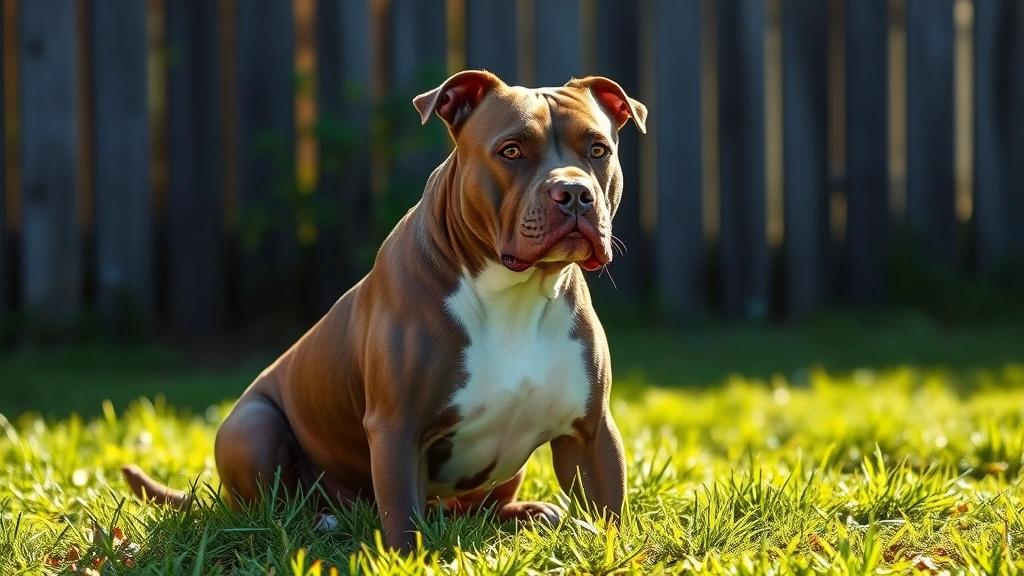
Pit bulls consistently appear at the top of bite statistics in the United States, often accounting for 20-30% of reported serious bites. However, this statistic requires important context. Pit bulls aren’t actually a single breed—the term encompasses American Pit Bull Terriers, American Staffordshire Terriers, Staffordshire Bull Terriers, and various mixed breeds with similar appearances. This breed confusion alone skews statistics significantly.
According to research published by the ASPCA, pit bulls are often owned by people seeking them specifically for fighting, guarding, or intimidation purposes. These environmental factors dramatically influence behavior. Studies comparing pit bulls raised in responsible homes versus those in abusive situations show vastly different behavioral outcomes. The breed’s strong, muscular build means that when aggression does occur, the damage tends to be more severe—which contributes to their overrepresentation in serious bite statistics.
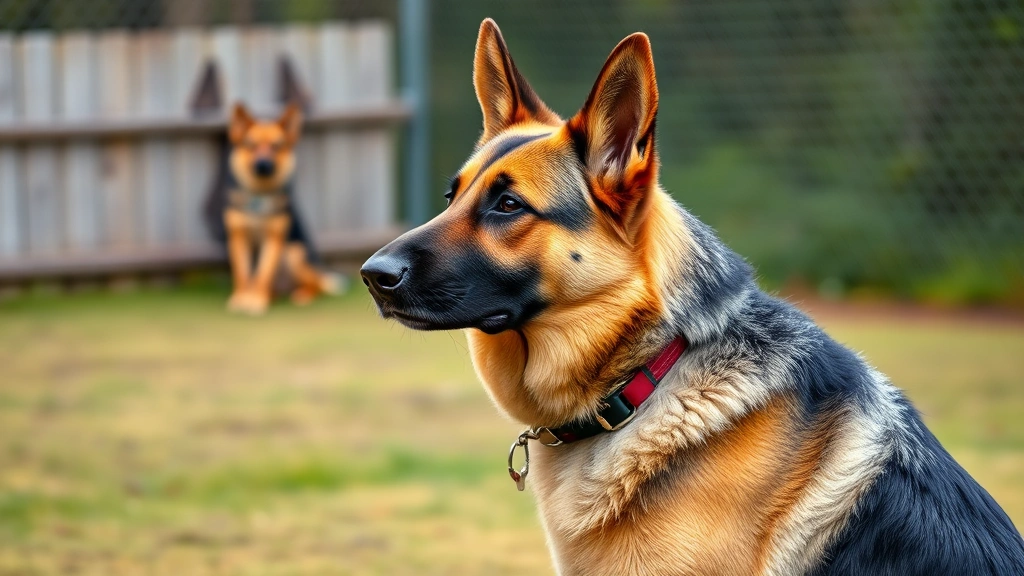
German Shepherds, Rottweilers, and Chihuahuas also appear frequently in bite reports. Interestingly, Chihuahuas actually bite proportionally more often than many “dangerous” breeds, but their small size means their bites rarely require medical attention. This highlights how statistics can be misleading—a Chihuahua bite might not be reported while a similar incident with a larger dog gets documented.
The American Kennel Club emphasizes that “any dog can bite.” Their research indicates that individual temperament, training, socialization, and circumstances matter far more than breed genetics alone. Breeds with higher bite statistics are often those that are either more popular in general or more likely to be owned by people who don’t prioritize training and socialization.
Nature vs. Nurture: What Really Matters
Here’s where the science gets really interesting. Behavioral geneticists have found that while certain breeds may have predispositions toward particular behaviors, these predispositions are far from destiny. A dog’s genetics might make them more likely to chase moving objects (herding breeds) or dig (terriers), but this doesn’t predetermine aggression.
Environmental factors are enormous. Dogs raised in homes with domestic violence, inconsistent discipline, or abuse show dramatically higher aggression rates regardless of breed. Conversely, dogs of “aggressive” breeds raised with proper socialization, positive reinforcement training, and stable home environments typically show excellent temperament. Research from veterinary behaviorists consistently shows that training and socialization are the strongest predictors of aggression—not genetics.
A fascinating study published in Applied Animal Behaviour Science examined hundreds of dogs across multiple breeds. The researchers found that factors like owner education level, previous training, and household stability predicted aggression better than any breed characteristic. Dogs whose owners had received formal training in canine behavior showed significantly fewer aggression incidents, regardless of breed.
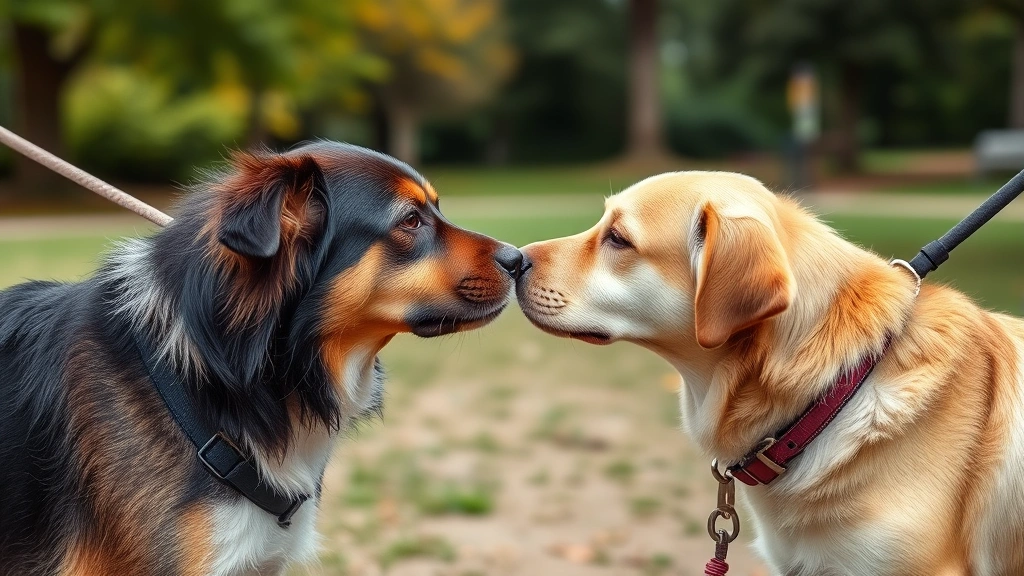
Early socialization is critical. Puppies that are exposed to various people, animals, environments, and experiences between 3-14 weeks of age develop better social skills and lower aggression rates. This window of opportunity matters more than breed genetics. A well-socialized pit bull is statistically safer than an unsocialized golden retriever.
Breeds Often Listed as High-Risk
While we’ve established that breed alone doesn’t determine aggression, certain breeds do appear more frequently in incident reports. Understanding why these breeds are overrepresented helps us move beyond stereotype to actual risk assessment.
Pit Bull-Type Dogs: These muscular, powerful dogs were originally bred for bull-baiting and later dog fighting. This heritage created dogs with high prey drive and physical strength. However, modern pit bulls raised in loving homes typically have excellent temperaments. The breed’s appearance and cultural reputation as a “tough” dog means they’re more likely to be owned by people seeking that image—which often correlates with poor training and socialization.
Rottweilers: Bred as herding and guard dogs, Rottweilers are intelligent, loyal, and naturally protective. In responsible hands, they’re gentle family dogs. Their size and protective instincts mean aggression incidents tend to be serious, contributing to their overrepresentation in statistics. Many Rottweiler owners fail to provide adequate socialization, compounding behavioral issues.
German Shepherds: Originally bred for herding and protection work, German Shepherds are intelligent and trainable. They’re extremely popular, which means higher absolute numbers of incidents simply due to population size. Poor breeding practices prioritizing appearance over temperament have also contributed to behavioral issues in some lines.
You might find it surprising to learn why Boxers are the worst dogs for some owners—often related to their high energy and need for training rather than inherent aggression. Similarly, understanding the challenges with why Beagles are the worst dogs for certain situations helps us see that breed challenges vary widely.
Akitas and Chow Chows: These breeds can be territorial and aloof with strangers. Their independent nature means they respond poorly to inconsistent training. Without proper socialization, they may show aggression toward unfamiliar people or animals.
Dalmatians: Often portrayed as friendly family dogs, Dalmatians actually have high energy, strong prey drive, and can be stubborn. Poorly trained Dalmatians show significant aggression problems. Their popularity spike after certain movies led to irresponsible breeding and inadequate owner preparation.
Warning Signs of Aggression
Recognizing early warning signs of aggression allows intervention before serious incidents occur. Most dogs don’t suddenly become aggressive—they escalate through predictable stages.
Early Warning Signs Include:
- Stiff body posture and raised hackles
- Direct, hard staring
- Growling or showing teeth
- Lunging at people or other animals
- Resource guarding (standing over food or toys)
- Snapping at the air
- Excessive barking or alarm responses
- Avoidance followed by sudden aggression
Many aggressive incidents happen because people miss these warning signs. A dog that growls is actually communicating—they’re giving a warning before escalating to biting. Punishing growling teaches dogs to skip the warning and go straight to biting, which is far more dangerous.
Fear-based aggression often shows different signals than dominance-based aggression. A scared dog might have tucked ears, lowered body position, and show aggression only when they feel cornered. Understanding the motivation behind aggression is crucial for proper treatment.
If you’re concerned about aggressive tendencies in your dog, consulting a certified professional animal behaviorist is essential. They can assess your specific situation and recommend appropriate interventions. It’s worth noting that what is the most dangerous dog in one context might be perfectly safe in another—professional assessment considers individual circumstances.
Prevention and Management Strategies
The good news: aggression is highly preventable and manageable through proper ownership practices. Here’s what actually works.
Early Socialization: Expose puppies to various people, animals, environments, and experiences during their critical socialization window (3-14 weeks). This builds confidence and reduces fear-based aggression later in life. Properly socialized dogs are significantly less likely to show aggression.
Positive Reinforcement Training: Reward-based training builds trust and creates positive associations. Punishment-based methods increase anxiety and aggression. Professional trainers using science-based methods can address behavioral issues effectively. Training isn’t just about obedience—it’s about communication and relationship-building.
Exercise and Mental Stimulation: Many aggression problems stem from boredom and excess energy. Dogs need appropriate physical exercise and mental enrichment. A tired dog is far less likely to develop behavioral problems. The amount needed varies by breed—some breeds require significantly more activity than others.
Secure Environment: Prevent situations that trigger aggression. If your dog shows territorial aggression, manage their access to windows and doors. If they show resource guarding, feed them separately. Environmental management prevents rehearsal of aggressive behaviors.
Veterinary Care: Some aggression has medical causes—pain, hormonal imbalances, or neurological issues can trigger behavioral changes. Spaying and neutering reduces some types of aggression, particularly territorial and sexual aggression. Regular veterinary check-ups can rule out health-related causes.
Consistent Leadership: Dogs need clear, consistent boundaries and expectations. Inconsistency creates anxiety and can trigger aggression. All family members should enforce the same rules using the same methods.
Interestingly, understanding what dog has the strongest bite helps us appreciate why proper training is so critical. Even dogs with less powerful bites can cause serious injury without training, but dogs with powerful bites absolutely require responsible ownership.
If you have questions about your dog’s behavior or concerns about aggression, don’t wait. Early intervention is far more effective than trying to manage serious aggression later. Professional help is always worth the investment.
Frequently Asked Questions
Is pit bull aggression genetic?
While pit bulls were historically bred for certain physical traits and behaviors, modern pit bulls’ aggression isn’t predetermined by genetics. Individual temperament varies widely within the breed. Environmental factors—how the dog is raised, trained, and treated—are far more predictive of aggression than genetics alone. Many pit bulls are gentle, loving family pets.
Can aggressive dogs be rehabilitated?
Many aggressive dogs can improve significantly with proper training and management. The success depends on the aggression type, severity, dog’s age, and owner commitment. Fear-based aggression often responds well to desensitization and counter-conditioning. Severe aggression or aggression with a long history may be more challenging. A certified professional behaviorist can assess your specific situation.
Are small dogs less aggressive than large dogs?
Small dogs actually bite proportionally as often or more often than large dogs. However, their bites cause less visible damage, so incidents often go unreported. “Aggressive” behavior in small dogs is frequently tolerated or even encouraged by owners who wouldn’t accept the same behavior from large dogs. This creates a skewed perception of aggression by size.
What’s the difference between aggression and protectiveness?
Protective behavior is controlled and contextual—a protective dog responds to specific threats and stops when the threat is eliminated. True aggression is often unpredictable, excessive for the situation, and can escalate unprovoked. A well-trained protective dog can distinguish between normal situations and genuine threats. An aggressive dog may react to harmless stimuli.
Does spaying/neutering reduce aggression?
Spaying and neutering can reduce certain types of aggression, particularly territorial and sexual aggression. However, it doesn’t eliminate aggression caused by fear, poor socialization, or lack of training. Spaying/neutering is generally recommended for overall health and behavioral benefits, but it’s not a complete solution to aggression problems.
How do I know if my dog is dangerous?
Signs of potential danger include unprovoked lunging or biting, aggression that’s increasing in frequency or severity, lack of bite inhibition (inability to control bite force), and aggression toward family members. However, any dog showing consistent warning signs should be evaluated by a professional behaviorist. Your veterinarian can refer you to qualified professionals.
Are certain breeds banned because they’re more aggressive?
Breed-specific legislation exists in some areas, but it’s highly controversial among behaviorists and veterinarians. Research shows that breed isn’t a reliable predictor of dangerousness. Many experts argue that legislation targeting individual dog behavior and irresponsible ownership would be more effective than breed bans. Several studies show breed bans don’t significantly reduce bite incidents.
Understanding canine aggression requires moving beyond simplistic breed stereotypes. While certain breeds appear more frequently in bite statistics, this reflects complex factors including popularity, ownership patterns, breeding practices, and socialization rather than inherent breed aggression. Any dog—regardless of breed—can become aggressive without proper training, socialization, and care. Conversely, responsible ownership can prevent aggression in any breed.
The most important takeaway: individual dog temperament matters far more than breed. A well-trained, socialized dog of any breed is safer than a poorly trained dog of any breed. If you’re considering getting a dog, focus on finding a reputable breeder or rescue organization that can match you with an individual dog whose temperament suits your lifestyle. If you already have a dog showing aggression signs, seek professional help immediately. Responsible ownership is the real answer to aggression, not breed selection alone.





