
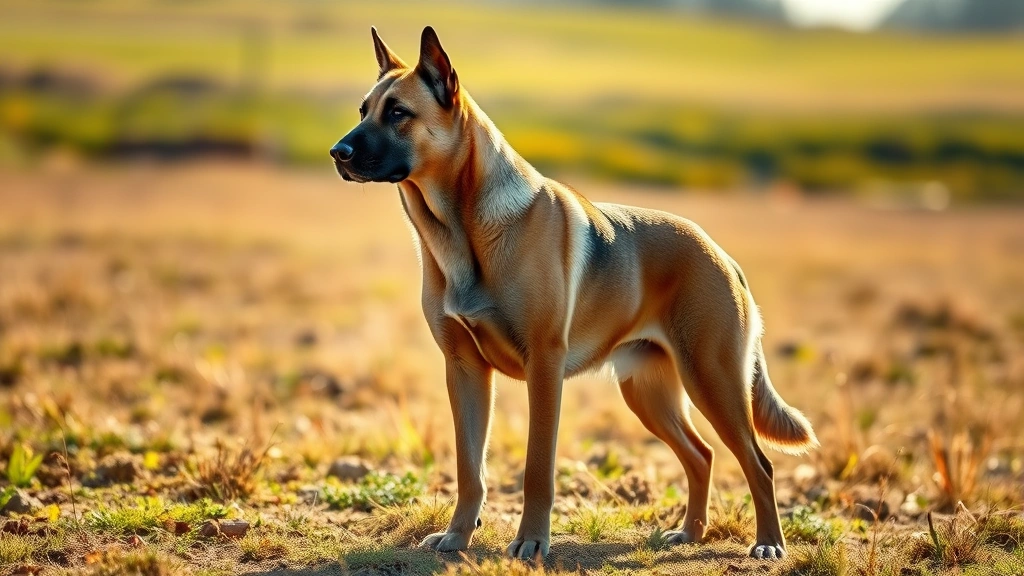
What Is the Strongest Dog Breed? Find Out Here
When it comes to canine power, strength isn’t just about size—it’s a fascinating combination of muscle mass, bite force, temperament, and breeding history. Whether you’re curious about which pup could win an arm-wrestling match (if they had arms!) or you’re genuinely interested in understanding canine physiology, the answer to “what is the strongest dog” is more nuanced than you might think.
Dog breeds have been selectively bred for thousands of years for specific purposes, from herding livestock to protecting property to competing in shows. This selective breeding has created some truly impressive specimens of canine strength and power. But here’s the thing: strength manifests differently depending on what you’re measuring. Are we talking about raw bite force? Pulling power? Overall muscle density? Or perhaps the ability to take down large prey? Let’s dig into this meaty topic and discover which breeds truly reign supreme in the strength department.
In this guide, we’ll explore the strongest dog breeds from multiple angles, examine what makes them so powerful, and help you understand whether a “strong” dog is the right fit for your household. Because let’s face it, owning a powerhouse pup comes with significant responsibility!
The Strongest Dog Breeds
When discussing the strongest dog breeds, several names consistently rise to the top. The Kangal Shepherd Dog from Turkey often claims the crown, with a bite force that can reach an astounding 743 PSI (pounds per square inch). This breed was originally developed to protect livestock from predators like lions and bears, so their incredible power comes from genuine working heritage.
The Mastiff family deserves serious consideration as well. English Mastiffs can weigh up to 230 pounds and possess remarkable strength despite their seemingly lazy demeanor. Their ancestors were used in ancient Rome for warfare and hunting, which explains their formidable build.
The Saint Bernard, originally bred for Alpine rescue operations, combines impressive size with surprising agility. These gentle giants can weigh 260 pounds and possess the strength to pull people from avalanche debris.
Other contenders include the Rottweiler, Pit Bull Terrier, Siberian Husky, and German Shepherd. If you’re curious about what dog has the strongest bite, you’ll find that ranking shifts depending on whether you’re examining actual measured bite force or theoretical estimates.
The Cane Corso, an Italian mastiff breed, represents another heavyweight champion. These dogs were historically used as guard dogs and hunters, and they retain that protective, powerful nature today. Their bite force is estimated at around 700 PSI, making them one of the most powerful biters in the canine world.
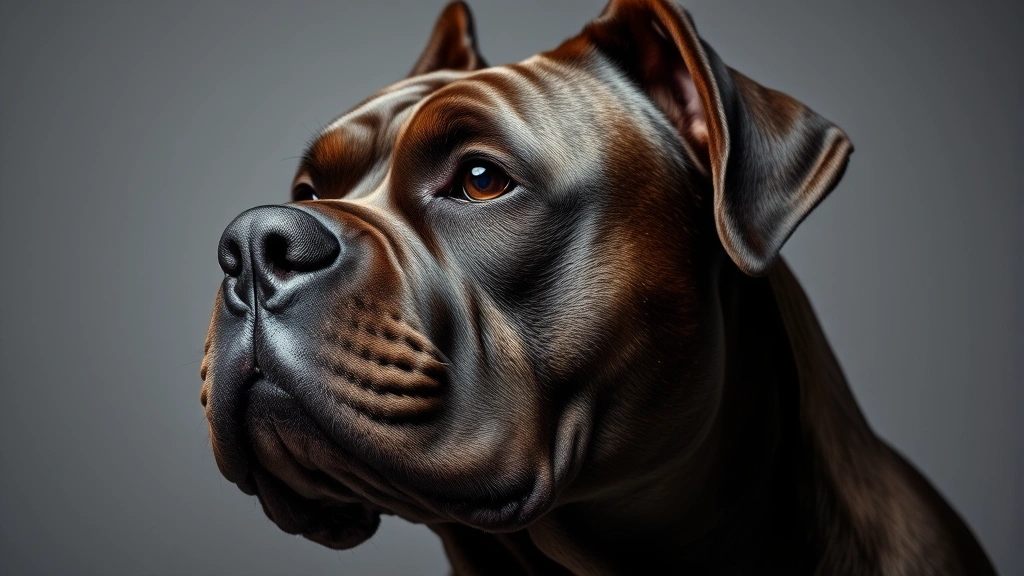
Bite Force: The Ultimate Measure of Strength
Bite force is often the metric people use when comparing dog strength, and it’s a legitimate measurement. According to research from the American Kennel Club, bite force is measured in PSI and varies significantly among breeds.
Here’s where it gets interesting: a dog’s bite force doesn’t necessarily correlate with aggression or danger. A breed with a powerful bite might be incredibly gentle, while a smaller dog might be more prone to biting. The Kangal’s 743 PSI bite force is designed for one purpose—protecting flocks against large predators—not for attacking humans.
The Bandog, a crossbreed specifically developed for maximum protective capability, can bite with a force of approximately 730 PSI. Similarly, what dogs have strongest bite often includes breeds like the Boerboel, another African guardian breed with a bite force around 700 PSI.
For those interested in which dog has the strongest bite force, it’s important to note that these measurements can vary based on methodology and individual dogs. Factors like jaw structure, muscle mass, and even emotional state can affect bite force readings.
The ASPCA emphasizes that bite force statistics should never be used to stereotype breeds. Instead, individual temperament, training, and socialization matter far more when determining how a dog will behave.

Muscle and Physical Power
Beyond bite force, physical strength encompasses pulling power, jumping ability, and overall muscle development. The Siberian Husky might not have the highest bite force, but these dogs possess extraordinary pulling power. Bred to pull sleds across frozen tundras, a single husky can pull several times its own body weight.
The Alaskan Malamute takes this even further. These massive sled dogs can pull loads weighing hundreds of pounds. They’re built for endurance and raw pulling strength, with a muscular frame that’s almost entirely functional.
Greyhounds and other sighthounds, while not “strong” in the traditional sense, possess incredible explosive power for their size. They can accelerate from 0 to 45 mph in just a few strides, demonstrating strength in a different form.
The Rottweiler combines bite force with impressive muscle development. These dogs have a naturally muscular build and were historically used for herding cattle and pulling carts. Their strength is multidimensional—they possess both powerful jaws and significant pulling capacity.
When considering physical power, the Newfoundland deserves mention. These aquatic rescue dogs have webbed paws and a powerful build designed for water work. They can weigh up to 150 pounds and possess remarkable strength when swimming or rescuing people from water.
Why Certain Breeds Are Stronger
Understanding why certain breeds are stronger requires examining their breeding history. Most powerful dog breeds were developed for specific working purposes: protection, hunting, herding, or rescue work.
The Kangal, for instance, was bred over centuries to protect Turkish livestock from predators. This selective breeding for protective capability resulted in a dog with exceptional strength, courage, and bite force. Similarly, the Mastiff family was developed by ancient civilizations to serve as war dogs and hunters, resulting in their impressive size and power.
Breeds used for bull-baiting or dogfighting (a cruel and illegal practice) were unfortunately selected for aggression and strength, which is why some powerful breeds carry unfair negative stereotypes. It’s crucial to understand that a dog’s breeding purpose doesn’t determine its personality or suitability as a pet—proper training and socialization matter infinitely more.
Modern breeding practices increasingly focus on health and temperament rather than extreme strength or size. Many breed clubs have moved away from breeding for maximum power toward breeding for the health and wellbeing of the dogs.
If you want to explore more about the dangers associated with certain powerful breeds, you might be interested in learning about what is the most dangerous dog and what is the most dangerous dog in the world. These topics explore how breed reputation, training, and environment intersect.
Owning a Strong Dog Breed
Owning one of the strongest dog breeds comes with unique responsibilities. These dogs require experienced owners who understand how to manage their power and provide appropriate outlets for their energy and instincts.
Physical Management: Strong dogs need secure fencing, sturdy leashes, and harnesses designed for their size and pulling power. A Kangal or Cane Corso could easily drag an unprepared person, so proper equipment is non-negotiable. Gates should be reinforced, and leashes should be rated for their weight and strength.
Mental Stimulation: Most powerful breeds were developed for work, meaning they need mental engagement and purpose. A bored Rottweiler or Mastiff can develop behavioral problems. These dogs thrive with jobs to do—whether that’s advanced obedience training, agility competitions, or legitimate protection work.
Socialization: Early, consistent socialization is absolutely critical for powerful breeds. Puppies should be exposed to various people, animals, and environments so they learn appropriate behavior. A 200-pound dog that’s never been properly socialized is a liability, regardless of breed temperament.
Veterinary Care: Large and giant breeds often have specific health concerns. Hip dysplasia, heart issues, and joint problems are common in powerful breeds. Regular veterinary check-ups and appropriate exercise are essential for maintaining their health.
The Orthopedic Foundation for Animals maintains databases of health screening results for various breeds, which can help prospective owners understand breed-specific health considerations.
Training and Socialization for Powerful Dogs
Training a strong dog breed requires consistency, patience, and often professional guidance. These dogs are intelligent and capable of learning complex commands, but they also need to understand boundaries and respect their owners’ authority.
Start Early: Puppies should begin training immediately. Teaching a 20-pound puppy to not jump on people is manageable; teaching a 150-pound adult is considerably more difficult. Early training prevents bad habits from becoming entrenched.
Use Positive Reinforcement: Strong breeds respond well to positive reinforcement-based training. Reward desired behaviors with treats, praise, and play. Harsh corrections can damage your relationship with your dog and potentially make them more aggressive.
Establish Clear Boundaries: These dogs need to understand what behaviors are acceptable. Jumping, pulling on leash, and resource guarding should be addressed immediately. Consistency from all family members is crucial.
Professional Help: Consider working with a professional dog trainer experienced with powerful breeds. They can provide guidance on managing your dog’s strength and addressing any behavioral concerns before they become serious.
Continued Socialization: Socialization shouldn’t end after puppyhood. Ongoing exposure to new people, places, and experiences helps maintain a well-adjusted adult dog. Many behavioral problems stem from fear or unfamiliarity, not inherent aggression.
The American Veterinary Society of Animal Behavior provides evidence-based recommendations for training and behavior modification that can be invaluable for owners of powerful breeds.
Frequently Asked Questions
What is the strongest dog breed by bite force?
The Kangal Shepherd Dog holds the record for the strongest bite force at approximately 743 PSI. However, it’s important to remember that bite force doesn’t indicate aggression or danger. Kangals are actually gentle, loyal family dogs when properly socialized and trained.
Are the strongest dog breeds dangerous?
Not inherently. A dog’s behavior depends far more on training, socialization, and individual temperament than on breed or strength. Many powerful breeds are gentle and loving family pets. Proper ownership and training are what matter most.
Can I own a strong dog breed as a first-time dog owner?
It’s not recommended. First-time owners should start with breeds that are more forgiving of training mistakes. Powerful breeds require experienced hands that understand how to manage their strength and provide appropriate structure and training.
Do strong dog breeds need special food or supplements?
Large and giant breed dogs benefit from specially formulated diets designed for their size and growth rate. Consult your veterinarian about appropriate nutrition. Some dogs may benefit from joint supplements as they age, but this should be discussed with your vet.
How much exercise do strong dog breeds need?
Most powerful breeds need significant daily exercise—typically 1-2 hours or more, depending on the breed. This can include walks, running, swimming, or training sessions. Exercise needs should be considered carefully before committing to one of these breeds.
Are strong dog breeds legal everywhere?
Some jurisdictions have breed-specific legislation that restricts or bans certain powerful breeds. Before getting a strong dog, check your local laws and homeowner’s insurance policies. Some insurers charge higher premiums for certain breeds.
What’s the difference between strength and aggression in dogs?
Strength is a physical characteristic; aggression is a behavioral choice. A dog can be physically powerful but gentle and non-aggressive. Conversely, a small dog can be aggressive. Training, socialization, and individual temperament determine behavior far more than physical strength does.





