
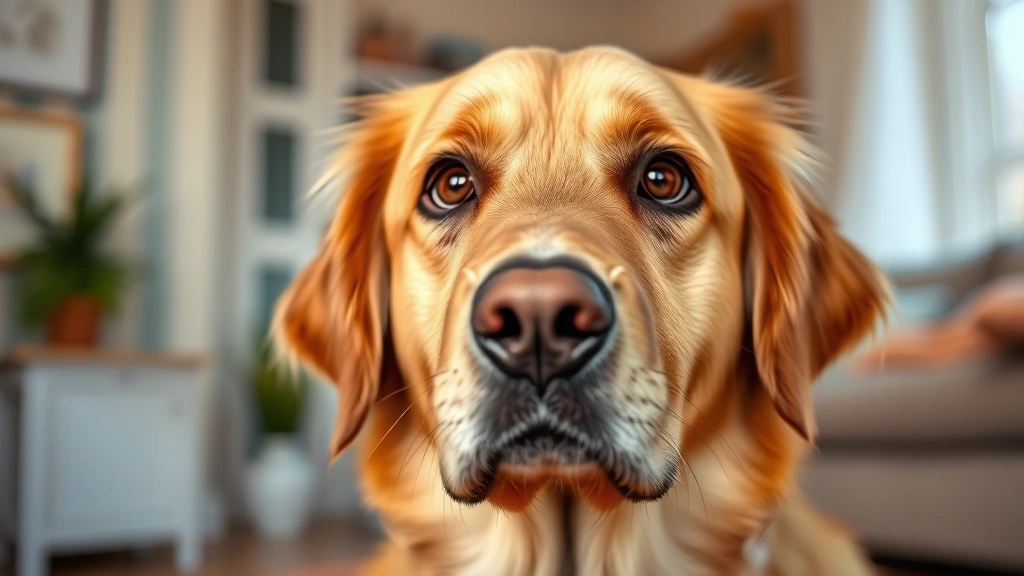
What to Do for Dog Diarrhea: Expert Tips to Get Your Pup Back on Track
Nobody likes dealing with diarrhea—especially when it’s your beloved furry friend experiencing it. One moment your dog is their happy, tail-wagging self, and the next thing you know, you’re frantically searching for cleaning supplies and questioning every treat you’ve given them in the past week. While dog diarrhea is undoubtedly unpleasant, the good news is that most cases are manageable at home with the right approach and a little patience.
Diarrhea in dogs is incredibly common and can stem from numerous causes—some minor, some more serious. Whether your pup ate something they shouldn’t have, experienced a sudden diet change, or picked up a pesky intestinal bug, understanding how to respond can make all the difference in their recovery. This comprehensive guide will walk you through everything you need to know about managing your dog’s digestive distress, from identifying warning signs to implementing effective home remedies.
Let’s dive into the nitty-gritty of canine diarrhea and get your four-legged companion feeling better in no time.
Understanding Dog Diarrhea: Causes and Symptoms
Before you can effectively address your dog’s diarrhea, it’s crucial to understand what’s causing it. Canine diarrhea isn’t a disease itself—it’s a symptom of an underlying issue. The causes can range from incredibly benign to more serious health concerns.
Common causes include:
- Dietary indiscretion: Your pup raiding the trash, eating human food, or consuming something toxic
- Food sensitivities: Allergies or intolerances to specific ingredients in their regular diet
- Sudden diet changes: Switching dog food too quickly without a gradual transition period
- Parasites: Intestinal worms, giardia, or other parasitic infections
- Bacterial or viral infections: Salmonella, E. coli, parvovirus, or coronavirus
- Stress: Anxiety from travel, loud noises, or household changes
- Medications: Antibiotics or other medications can disrupt gut flora
- Underlying health conditions: Inflammatory bowel disease, pancreatitis, or other chronic issues
Recognizing the symptoms accompanying diarrhea can help you assess severity. Most dogs with simple diarrhea will show loose or watery stools, increased frequency of bowel movements, and perhaps some urgency. However, if your dog’s diarrhea is accompanied by lethargy, vomiting, loss of appetite, blood in stool, or signs of severe abdominal pain, it’s time to contact your veterinarian immediately.
When to Call the Vet
Not every case of dog diarrhea requires a veterinary visit, but certain situations definitely warrant professional attention. Knowing the difference can save you time, money, and unnecessary stress—while also ensuring your pup gets the care they need when it matters most.
Seek immediate veterinary care if your dog:
- Has diarrhea lasting more than 48 hours
- Shows signs of severe dehydration (dry gums, lethargy, sunken eyes)
- Is experiencing severe abdominal pain or distension
- Has bloody or black, tarry stools
- Is vomiting repeatedly or simultaneously with diarrhea
- Is a puppy, senior dog, or has a compromised immune system
- Has been exposed to toxins or eaten foreign objects
- Shows signs of systemic illness (fever, weakness, trembling)
According to the American Kennel Club, acute diarrhea in otherwise healthy adult dogs is often self-limiting and can frequently be managed at home. However, chronic diarrhea or diarrhea with additional symptoms warrants professional evaluation to rule out serious underlying conditions.
Immediate Steps to Take
When you first notice your dog has diarrhea, resist the urge to panic. Instead, take these practical steps to help your furry friend feel better and prevent complications.
Step 1: Assess Hydration Status
Diarrhea causes fluid loss, which can lead to dehydration—the primary concern with loose stools. Check your dog’s hydration by gently pulling up the skin on their neck; it should snap back immediately. If it returns slowly, your dog may be dehydrated. Ensure fresh water is always available, and consider offering water-rich foods like unsalted bone broth (cooled) or plain pumpkin puree to maintain hydration while being gentle on the stomach.
Step 2: Implement a Fasting Period
While counterintuitive, giving your dog’s digestive system a break often helps. For mild diarrhea, withhold food for 12-24 hours (puppies shouldn’t fast longer than 6-8 hours). Continue offering small amounts of water throughout the fasting period. This gives the intestines time to heal and reset.
Step 3: Monitor Symptoms
Keep detailed notes about your dog’s bathroom habits, appetite, energy level, and any other symptoms. This information will be invaluable if you need to contact your vet. Track how many times they have diarrhea, the consistency, color, and any other notable changes.
Step 4: Maintain Cleanliness
Frequent, thorough cleanup prevents bacterial growth and protects your household. Use enzymatic cleaners specifically designed for pet messes, as they break down organic matter more effectively than standard cleaners.

Dietary Management and Recovery
Nutrition plays a pivotal role in recovering from diarrhea. Once the initial fasting period concludes, reintroducing food gradually and strategically can help restore digestive health.
The Bland Diet Approach
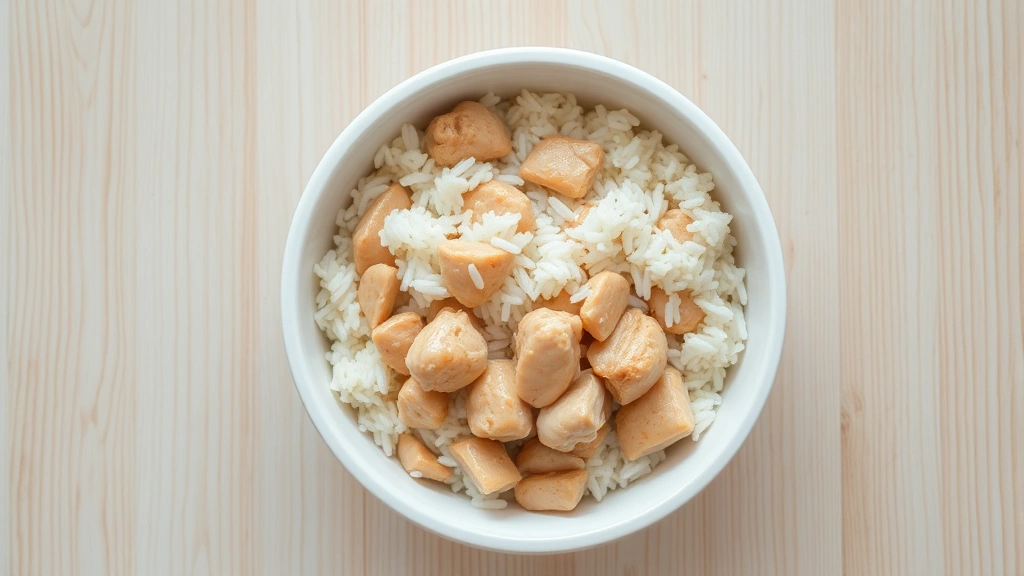
After fasting, start with bland, easily digestible foods. The classic combination involves plain white rice paired with lean, boiled chicken (no skin, bones, or seasoning). This gentle combination provides essential nutrients while being kind to upset stomachs. Introduce this mixture in small portions—about one-quarter of their normal meal size—and gradually increase portions over several days as their stools normalize.
Alternatively, pumpkin for dogs is a fantastic natural remedy. Plain, canned pumpkin (not pie filling) contains soluble fiber that helps regulate bowel movements. A tablespoon mixed into their bland diet can work wonders for both diarrhea and constipation.
Gradual Diet Transition
Once your dog’s stools are firm and normal for 2-3 days, begin transitioning back to their regular diet. Mix increasing amounts of their normal food with the bland diet over 7-10 days. This gradual transition prevents a relapse and allows the gut to readjust to their regular food.
Long-Term Dietary Considerations
If your dog experienced diarrhea due to food sensitivity, you may need to adjust their regular diet permanently. Consult your vet about what to feed a dog with diarrhea long-term, as they may recommend limited ingredient diets or prescription food formulated for sensitive digestive systems.
For dogs prone to weight gain, understanding how much food to feed your dog during recovery is important. Your vet can provide specific portion recommendations based on your dog’s age, size, and health status.
Home Remedies That Actually Work
Beyond dietary adjustments, several evidence-based home remedies can support your dog’s recovery from diarrhea.
Probiotics
Probiotics are beneficial bacteria that support gut health and can help restore the natural balance disrupted by diarrhea. Veterinary-grade probiotics specifically formulated for dogs are more effective than human versions. Products containing Lactobacillus or Enterococcus strains are particularly beneficial. According to research published in veterinary journals, probiotics can reduce diarrhea duration and severity, especially when combined with dietary management.
Bone Broth
Unsalted, cooled bone broth provides hydration, collagen, and amino acids that support gut lining integrity. Offer small amounts as a supplement to their water or mixed with bland food. Ensure it contains no onions, garlic, or other toxic ingredients.
Slippery Elm
This herbal supplement contains mucilage that coats and soothes the digestive tract. Mix powdered slippery elm with water to create a slurry before adding to food. Dosing depends on your dog’s size, so consult your vet for appropriate amounts.
Digestive Enzymes
If your dog’s diarrhea stems from difficulty digesting food, digestive enzymes may help. These supplements contain protease, amylase, and lipase—enzymes that break down proteins, carbohydrates, and fats. Sprinkling them on food can improve nutrient absorption and reduce digestive stress.
The ASPCA emphasizes that while home remedies can support recovery, they shouldn’t replace professional veterinary care when needed. Always consult your vet before introducing supplements, especially if your dog takes medications.
Prevention Strategies
The best approach to dog diarrhea is prevention. While you can’t eliminate all risks, implementing smart strategies significantly reduces occurrence.
Maintain Consistent Nutrition
Avoid frequent diet changes, and when switching foods is necessary, do so gradually over 7-10 days. Consistency in what your dog eats supports stable gut bacteria and reduces digestive upset.
Control Treat Consumption
Human food is a leading cause of diarrhea in dogs. Establish clear household rules about feeding table scraps and keep trash secured. Stick to dog-approved treats in appropriate quantities.
Parasite Prevention
Regular parasite prevention is crucial. Most vets recommend monthly heartworm and flea prevention year-round, plus annual fecal exams to screen for intestinal parasites. This proactive approach prevents many diarrhea-causing infections before they start.
Stress Management
Since stress can trigger diarrhea, create a calm environment for your dog. Maintain consistent routines, provide adequate exercise, and consider anxiety-reducing strategies during stressful periods like thunderstorms or travel.
Regular Vet Check-ups
Annual wellness exams allow your vet to catch underlying issues before they manifest as diarrhea. For senior dogs or those with health concerns, more frequent visits ensure optimal digestive health.
Understanding how to stop diarrhea in dogs involves both immediate response and long-term prevention. If your dog experiences vomiting alongside diarrhea, this could indicate a more serious issue requiring prompt veterinary attention.
Frequently Asked Questions
How long does dog diarrhea typically last?
Acute diarrhea in healthy dogs usually resolves within 24-72 hours with appropriate management. However, chronic diarrhea lasting more than three weeks warrants veterinary evaluation to identify underlying causes like food allergies, inflammatory bowel disease, or parasites.
Is it safe to give my dog over-the-counter anti-diarrheal medications?
Some over-the-counter medications like bismuth subsalicylate (Pepto-Bismol) may provide temporary relief, but they’re not recommended without veterinary guidance. Certain types of diarrhea—particularly those caused by bacterial infections—can worsen with these medications. Always consult your vet before administering any medication, including over-the-counter options.
Can I give my dog yogurt for diarrhea?
Plain, unsweetened yogurt with active cultures can provide beneficial probiotics, but it’s not ideal for all dogs. Some dogs are lactose intolerant, which could worsen diarrhea. Veterinary-grade probiotics are more reliable and specifically formulated for canine digestive health.
What’s the difference between acute and chronic diarrhea?
Acute diarrhea develops suddenly and typically lasts less than three weeks, often resolving with supportive care. Chronic diarrhea persists for more than three weeks and usually indicates an underlying condition requiring investigation and long-term management. Chronic cases require veterinary diagnosis and may need dietary changes, medications, or supplements.
Should I continue giving my dog their regular food while they have diarrhea?
No. During active diarrhea, switch to bland, easily digestible foods like boiled chicken and rice. Once stools normalize for 2-3 days, gradually reintroduce regular food over 7-10 days. Abruptly returning to normal diet can trigger a relapse.
How can I tell if my dog is dehydrated from diarrhea?
Signs of dehydration include dry gums, lethargy, sunken eyes, loss of skin elasticity (skin tenting when pulled up), and decreased urination. Severe dehydration requires immediate veterinary care, as it can become life-threatening, particularly in puppies and senior dogs.
Are certain dog breeds more prone to diarrhea?
Some breeds, particularly German Shepherds and other large breeds, are more susceptible to inflammatory bowel disease and chronic diarrhea. However, any dog can experience diarrhea. Breed-specific dietary considerations may help manage predisposition to digestive issues.
When should I worry about blood in my dog’s stool?
Bright red blood (hematochezia) or black, tarry stools (melena) warrant immediate veterinary attention. Blood in stool indicates potential serious issues ranging from intestinal parasites to more severe conditions like colitis or internal bleeding. Don’t wait to see if it resolves on its own.





