
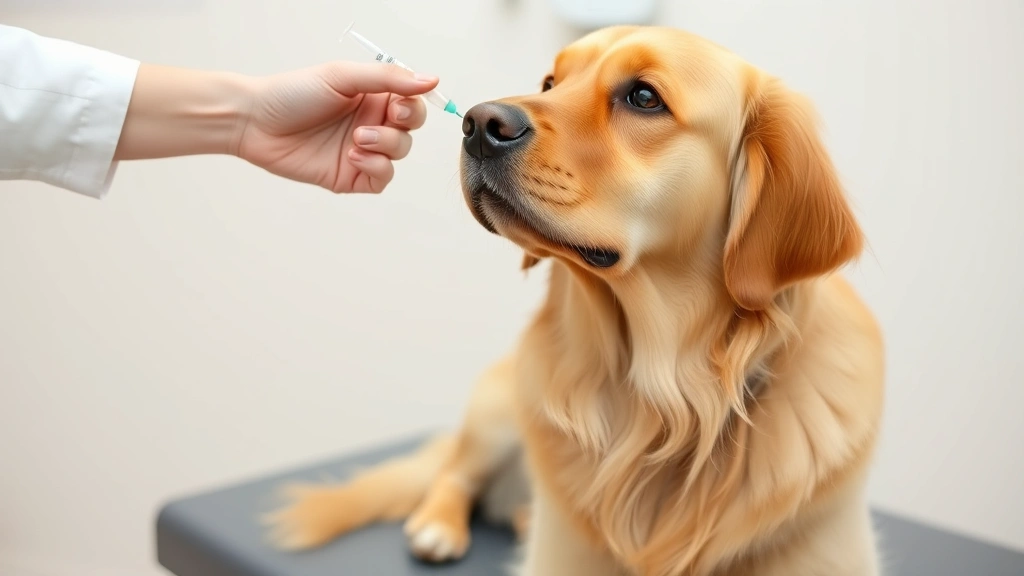
What Vaccines Do Dogs Need Yearly? Vet-Approved Guide
If you’re a dog parent, you’ve probably wondered at some point: what vaccines do dogs need yearly? It’s one of those questions that can feel overwhelming, especially with all the conflicting information floating around online. But here’s the thing—understanding your dog’s vaccination schedule is absolutely crucial for keeping your furry best friend healthy and protected from serious, potentially life-threatening diseases.
Vaccines are one of the most important preventive health measures you can provide for your pup. They’re not just a recommendation from your vet; they’re a scientifically-backed way to ensure your dog lives a long, healthy life. Whether you have a bouncy golden retriever, a tiny chihuahua, or a rescue mixed breed, knowing which vaccines your dog needs and when they need them is essential pet parent knowledge.
In this comprehensive guide, we’ll break down everything you need to know about canine vaccines, from core vaccines that every dog needs to lifestyle-based vaccines your vet might recommend. Let’s dig into the details so you can make informed decisions about your dog’s health.
Core Vaccines Every Dog Needs
When your veterinarian talks about core vaccines, they’re referring to the immunizations that every single dog should receive, regardless of their lifestyle, location, or size. These vaccines protect against diseases that are widespread, highly contagious, and potentially fatal. The American Animal Hospital Association (AAHA) defines core vaccines as those that protect against diseases that pose a significant risk to the general canine population.
The core vaccines for dogs include protection against rabies, distemper, parvovirus, and adenovirus. These aren’t optional—they’re the foundation of your dog’s health protection. Think of them as the non-negotiable basics, like wearing a seatbelt in a car. Your dog might never get in an accident, but you wouldn’t dream of driving without that protection.
What makes these vaccines so critical is that the diseases they protect against can be devastating. Rabies, for instance, is almost always fatal once symptoms appear. Parvovirus can cause severe dehydration and organ failure in puppies. Distemper affects multiple body systems and has a high mortality rate, especially in young or unvaccinated dogs. These aren’t hypothetical threats—they’re real diseases that still exist in our communities.
The Rabies Vaccine: Legal and Essential
Let’s talk about rabies because it deserves special attention. The rabies vaccine isn’t just recommended—it’s legally mandated in most states and municipalities. This isn’t bureaucratic overreach; it’s a public health measure because rabies can spread to humans through dog bites. If your dog bites someone and doesn’t have current rabies vaccination documentation, the consequences can be severe—for you and your pup.
Understanding how often dogs require rabies shots is essential. Puppies typically receive their first rabies vaccination at 12-16 weeks of age, then get a booster one year later. After that, rabies boosters are given every 1-3 years, depending on the vaccine type and your local regulations. Some rabies vaccines are labeled for 1-year protection, while others provide 3-year immunity. Your vet will help you understand which type your dog receives and when the next booster is due.
The rabies vaccine is highly effective, with efficacy rates exceeding 99% when administered properly. It’s also one of the safest vaccines available, with serious adverse reactions being extremely rare. How often dogs get rabies shots ultimately depends on your local laws and the specific vaccine your veterinarian uses, so it’s important to follow your vet’s recommendations and keep detailed vaccination records.

Understanding the DHPP Vaccine
You’ve probably heard your vet mention “DHPP” or seen it on your dog’s vaccination record. This acronym stands for Distemper, Hepatitis, Parvovirus, and Parainfluenza—four separate diseases that this combination vaccine protects against. It’s remarkably efficient: one shot protects against four serious canine diseases.
Let’s break down what the DHPP vaccine for dogs actually does. Distemper is a viral disease that affects the respiratory, gastrointestinal, and nervous systems. It’s highly contagious and can cause neurological damage or death. Hepatitis (caused by adenovirus type 1) affects the liver and can cause severe organ damage. Parvovirus is particularly dangerous for puppies and causes severe vomiting, diarrhea, and potentially fatal dehydration. Parainfluenza is one of the viruses responsible for “kennel cough.”
The DHPP vaccine is considered a core vaccine, meaning every dog should receive it. Puppies typically get a series of DHPP shots starting at 6-8 weeks of age, with boosters every 3-4 weeks until 16-20 weeks old. Adult dogs receive boosters every 1-3 years, depending on the vaccine formulation and your veterinarian’s recommendations. The protection provided by DHPP is excellent, with studies showing immunity rates of 95% or higher for all four components.
One important note: there’s a difference between the DHPP vaccine and other combination vaccines. Some vaccines include additional protection (like leptospirosis), which would be noted as DHPPL or similar. Always ask your vet exactly what’s included in your dog’s vaccination.
Non-Core Vaccines: When Your Dog Might Need Them
Beyond the core vaccines, there are several non-core vaccines that your veterinarian might recommend based on your dog’s lifestyle, geographic location, and individual risk factors. These aren’t given to every dog, but they can be incredibly valuable for specific situations.
Leptospirosis Vaccine: This vaccine protects against a bacterial infection that can cause serious kidney and liver disease. Dogs are at higher risk if they spend time outdoors, near water sources, or in areas where wildlife is present. Leptospirosis can also spread to humans, making it a public health concern.
Bordetella (Kennel Cough) Vaccine: If your dog frequents dog parks, boarding facilities, or dog shows, the Bordetella vaccine is highly recommended. Kennel cough is highly contagious in group settings and can lead to secondary infections. This vaccine can be given as an injection or nasal spray.
Lyme Disease Vaccine: In areas where Lyme disease is prevalent and tick exposure is common, your vet might recommend this vaccine. Lyme disease is transmitted by infected ticks and can cause joint pain, fever, and kidney disease in dogs.
Coronavirus Vaccine: This vaccine protects against canine coronavirus (not to be confused with COVID-19). It’s typically recommended for dogs that have frequent contact with other dogs or live in kennel environments.
Your veterinarian will assess your dog’s specific risk factors and recommend non-core vaccines accordingly. This is where what shots dogs need becomes more individualized and tailored to your pet’s unique circumstances.
Puppy Vaccination Schedule
Puppies require a specific vaccination schedule to build immunity while accounting for maternal antibodies that can interfere with vaccine effectiveness. A typical puppy vaccination schedule looks like this:
- 6-8 weeks: First DHPP and leptospirosis vaccines (if recommended)
- 9-11 weeks: Second DHPP and leptospirosis boosters
- 12-16 weeks: Third DHPP booster, first rabies vaccine, and Bordetella (if recommended)
- 16-20 weeks: Final DHPP booster and rabies booster (some protocols)
This schedule ensures that your puppy develops strong immunity as maternal antibodies wane. It’s crucial to follow your veterinarian’s specific recommendations because the exact timing can vary based on the vaccines used and your puppy’s individual health status.
During this critical period, it’s also important to know how to tell if a dog has a fever, as this could indicate a reaction or underlying issue. While mild fever can occur after vaccination, high fever or other concerning symptoms warrant a call to your vet.
Adult Dog Vaccination Schedule
Once your dog reaches adulthood (after the initial puppy series), vaccination schedules become more straightforward. Most adult dogs need booster vaccines annually or every three years, depending on the specific vaccine and your veterinarian’s recommendations.
For rabies, how much dog vaccines cost and how often they’re needed often depends on the vaccine type and local regulations. Some rabies vaccines provide 1-year immunity, while others provide 3-year protection. Your veterinarian will determine the appropriate schedule for your dog.
Core vaccines (DHPP) are typically given annually in the first year after the puppy series, then every 1-3 years thereafter. Some veterinarians use titers (blood tests that measure antibody levels) to determine if a dog actually needs boosters, rather than vaccinating on a fixed schedule. This approach is becoming more common and can reduce unnecessary vaccinations while still maintaining immunity.
Non-core vaccines are typically given annually if your dog is at ongoing risk. For example, if your dog regularly visits dog parks, they should receive annual Bordetella boosters. If you live in a Lyme disease area and your dog spends time outdoors, annual Lyme disease boosters are recommended.
Vaccine Side Effects and What to Expect
Vaccines are generally very safe, but like any medical intervention, they can cause side effects. Understanding what’s normal and what warrants a call to your vet is important.
Common, mild side effects include:
- Mild lethargy or tiredness for 24 hours
- Decreased appetite for a day or two
- Low-grade fever
- Mild swelling at the injection site
- Slight lameness if the vaccine was given in a leg
These mild reactions typically resolve within 24-48 hours and don’t require treatment. You can help your dog feel more comfortable by providing extra rest and access to fresh water.
Serious side effects (rare but require immediate veterinary attention):
- Severe allergic reactions (facial swelling, difficulty breathing, collapse)
- Hives or extensive rash
- Vomiting or severe diarrhea
- Difficulty walking or severe lameness
- Seizures
While serious side effects are uncommon, they’re important to know about. If your dog exhibits any of these symptoms after vaccination, contact your veterinarian immediately or visit an emergency clinic if it’s after hours. Most veterinarians recommend keeping your dog at the clinic for 15-30 minutes after vaccination so they can monitor for immediate reactions.
The ASPCA notes that serious vaccine reactions occur in fewer than 1 in 10,000 dogs, making vaccines incredibly safe overall. The risks of the diseases they prevent far outweigh the minimal risk of vaccine side effects.
Timing and Frequency of Boosters
One of the most common questions pet parents have is about booster timing. The answer isn’t always a simple “once per year” because it depends on several factors.
For rabies vaccination, timing is often regulated by law. Many states require annual rabies boosters, while others allow 3-year intervals if you use a 3-year vaccine. Your veterinarian will be familiar with your local requirements.
For DHPP and other core vaccines, the traditional recommendation has been annual boosters. However, recent research has shown that immunity from DHPP vaccines can last 3 years or longer in most dogs. Many veterinarians now recommend boosters every 3 years for adult dogs with a complete initial series. However, some still recommend annual boosters, particularly for dogs that are frequently exposed to other dogs or live in high-risk environments.
The American Association of Feline Practitioners and AAHA have issued guidelines suggesting that booster frequency can be extended beyond annual for dogs with documented immunity. Titers (antibody blood tests) can help determine if your dog still has adequate immunity, potentially reducing unnecessary vaccinations.
For non-core vaccines like Bordetella and Leptospirosis, annual boosters are typically recommended if your dog is at ongoing risk. If your dog’s risk factors change (for example, if they no longer attend dog parks), you can discuss with your vet whether these boosters are still necessary.
Frequently Asked Questions
Can I give my dog vaccines myself at home?
No, you should not attempt to vaccinate your dog at home. Vaccines must be stored at specific temperatures and administered correctly to be effective. Additionally, vaccines need to be prescribed by a licensed veterinarian who can assess your dog’s health status and ensure they’re appropriate for your individual dog. Your vet also maintains official vaccination records, which are often required for boarding, dog parks, and travel.
What if my dog missed a booster vaccination?
If your dog has missed a booster vaccination, don’t panic. Contact your veterinarian and schedule an appointment. Depending on how long it’s been since the last vaccine, your vet might recommend a booster immediately or might suggest titers to check your dog’s immunity level. Your dog isn’t instantly unprotected just because a booster is overdue, but you shouldn’t delay scheduling an appointment.
Are there risks associated with over-vaccinating my dog?
This is a legitimate concern that many pet parents have. While it’s theoretically possible to over-vaccinate a dog, the practical risk is minimal for most dogs following standard vaccination protocols. Veterinarians are trained to avoid unnecessary vaccinations. If you’re concerned about over-vaccination, discuss titers with your vet—this blood test can determine if your dog actually needs a booster or if they still have adequate immunity from previous vaccinations.
Do senior dogs need different vaccines?
Senior dogs (typically 7+ years old) generally follow the same vaccination schedule as adult dogs. However, your veterinarian might adjust recommendations based on your senior dog’s overall health status. Dogs with certain health conditions might need modified vaccination protocols. Always discuss your senior dog’s specific health needs with your veterinarian.
Can vaccines cause cancer in dogs?
There is no scientific evidence that properly administered vaccines cause cancer in dogs. Vaccine-associated sarcomas (tumors that very rarely develop at injection sites) occur in fewer than 1 in 10,000 vaccinated dogs and are not the same as cancer caused by vaccines. The benefits of vaccination far outweigh this extremely rare risk. The American Kennel Club provides comprehensive information on vaccine safety supported by extensive research.
Is there a difference between vaccines from different manufacturers?
While different manufacturers make vaccines, they’re all required to meet the same safety and efficacy standards set by the USDA. Your veterinarian will choose vaccines based on their experience and what they believe is best for their patients. If you have concerns about a specific vaccine manufacturer, discuss this with your vet.
Can my dog have an allergic reaction to vaccines?
True allergic reactions to vaccines are rare but can occur. Mild allergic reactions might include itching or mild swelling. Severe allergic reactions (anaphylaxis) are extremely uncommon and would occur within minutes of vaccination. This is why veterinarians recommend staying at the clinic for 15-30 minutes after vaccination. If your dog has had a previous allergic reaction to a vaccine, inform your veterinarian so they can take appropriate precautions with future vaccinations.
Should I vaccinate my indoor-only dog?
Yes, absolutely. Even indoor-only dogs should receive core vaccinations like rabies and DHPP. Rabies is required by law in most areas regardless of lifestyle. Distemper and parvovirus can be brought into your home on your clothing or shoes. Additionally, indoor-only dogs can accidentally escape, and you’ll want them protected in that scenario. Your veterinarian can help you determine which vaccines are most important for your indoor-only dog’s lifestyle.
When can puppies go to the dog park after vaccination?
Most veterinarians recommend waiting until puppies have completed their initial vaccination series (typically around 16-20 weeks of age) before taking them to dog parks or other areas where they’ll have contact with unfamiliar dogs. Even then, it’s wise to introduce them gradually and monitor for signs of illness. The risk of exposure to serious diseases is highest before full immunity is established.
What should I do if my dog shows signs of illness after vaccination?
Mild symptoms like lethargy, decreased appetite, or mild fever for 24-48 hours are normal. However, if your dog shows signs of serious illness—severe vomiting, difficulty breathing, collapse, or seizures—contact your veterinarian immediately. Provide them with the vaccination details so they can determine if the symptoms are related to the vaccine or indicate another issue. It’s always better to err on the side of caution and have your dog evaluated.





