

Why Do Dogs Bark in Their Sleep? The Science Behind Those Adorable Dream Barks
If you’ve ever watched your furry best friend twitch, paddle their paws, and let out those precious little barks while sleeping, you’ve witnessed one of dog ownership’s most endearing moments. But have you ever wondered what’s actually happening in that fuzzy little head? Is Fido chasing rabbits through dreamland, or is something else going on entirely?
The truth is, your dog’s nighttime vocalizations are a fascinating window into their sleeping brain. Dogs bark in their sleep for many of the same reasons humans talk, mumble, or cry out during slumber—and the science behind it is way more interesting than you might think. From REM sleep cycles to emotional processing, there’s a lot happening beneath those closed eyelids.
Whether your pup is a frequent sleep-barker or you’ve only caught it a handful of times, understanding this behavior can help you appreciate just how complex your dog’s mind truly is. Let’s dig into the science and uncover what all that dream-time yapping really means.
Understanding Canine Sleep Cycles
Before we can understand why dogs bark in their sleep, we need to talk about how dogs actually sleep. Unlike humans who typically consolidate their sleep into one long nighttime block, dogs are polyphasic sleepers. This means they sleep multiple times throughout the day and night, often in shorter bursts.
A dog’s sleep cycle is remarkably similar to ours in structure, though it operates on a much faster timeline. While a human sleep cycle lasts about 90 minutes, a dog’s cycle is significantly shorter—typically between 15 to 30 minutes. This means your pup cycles through different sleep stages much more frequently than you do.
Dogs spend approximately 44% of their day sleeping, which is significantly more than humans. If you’ve ever wondered why do dogs sleep so much, it’s partly because their sleep cycles are less efficient than ours, requiring more total sleep time to get adequate rest. Their shorter cycles also mean they’re more easily awakened, which makes evolutionary sense—in the wild, a dog needs to be alert to potential threats.
Each canine sleep cycle consists of two main stages: non-REM (NREM) sleep and REM (rapid eye movement) sleep. The non-REM stage is when your dog’s body relaxes, breathing becomes slower, and their heart rate decreases. This is restorative sleep that helps their body recover from physical activity.
REM Sleep and Dream Activity
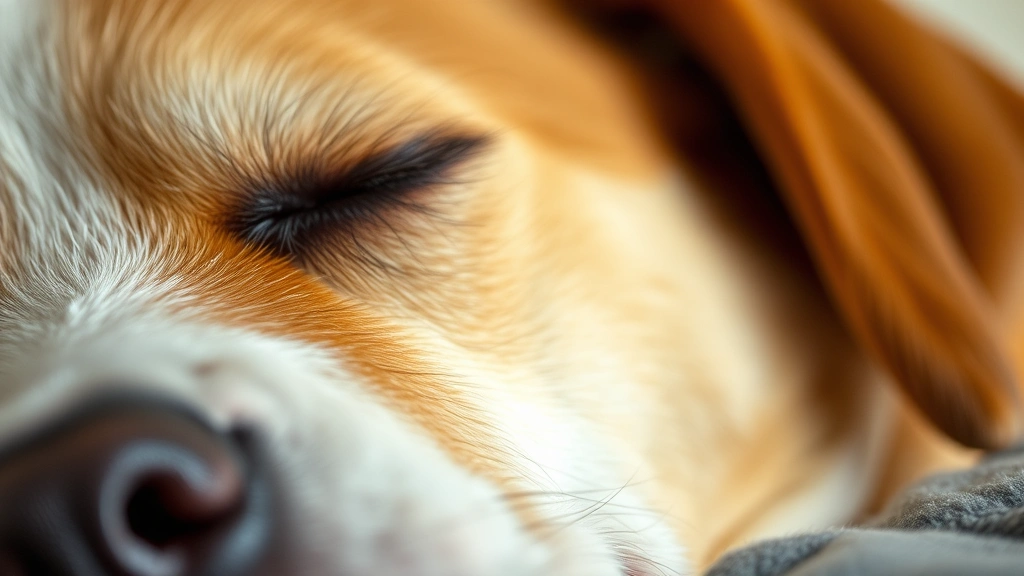
Here’s where things get really interesting. REM sleep is the stage where dreams occur, and it’s during this phase that your dog is most likely to bark, twitch, paddle their legs, and make other vocalizations. REM stands for rapid eye movement, and you might actually notice your dog’s eyes moving rapidly beneath their closed eyelids during this stage—it’s a telltale sign they’re dreaming.
During REM sleep, the brain is highly active while the body remains relatively paralyzed (except for the eyes and diaphragm). This is actually a protective mechanism—it prevents your dog from physically acting out their dreams and potentially hurting themselves. However, some muscle twitching and involuntary movements still occur, which is why you see those adorable paw kicks and hear those little barks.
Research has shown that dogs experience REM sleep similarly to humans, and the duration of REM sleep in dogs is actually quite substantial. Dogs spend roughly 10-15% of their total sleep time in REM sleep, which is comparable to humans. For a dog sleeping 16 hours a day, that means they’re spending about 2-3 hours in the REM stage where dreams are most vivid.
The brain activity during REM sleep is fascinating. Studies using EEG (electroencephalogram) recordings have shown that a dog’s brain during REM sleep shows similar patterns to their waking brain activity. This suggests that dogs aren’t just having random neural firing—they’re actually processing information and having genuine dreams.
Scientists have also observed that why do dogs dream relates to memory consolidation and emotional processing. Just like humans, dogs use dream time to sort through experiences, strengthen memories, and process emotions from their day.
Why Dogs Bark During Sleep
Now we get to the million-dollar question: why do dogs bark in their sleep? The answer is multifaceted and involves several different factors working together.
Dreams and Emotional Expression
The most straightforward explanation is that your dog is expressing emotions or reactions from their dreams. If your pup is dreaming about playing fetch, chasing squirrels, or interacting with other dogs, they might vocalize in response to these dream scenarios. The barks, growls, whimpers, and yips are essentially your dog’s dream-self responding to imaginary stimuli.
This is why you might notice different types of vocalizations during sleep. An excited dream might produce happy barks or playful growls, while a stressful dream might result in whimpers or distressed barking. Some researchers believe these vocalizations help dogs process their emotional experiences, similar to how humans might talk through their feelings.
Neural Activity and Motor Control
Another significant factor is the nature of REM sleep itself. During REM, your dog’s motor cortex (the brain region controlling movement) is quite active. The barking might not always be a direct response to dream content but rather an involuntary vocalization resulting from this heightened neural activity.
Think of it like this: when your dog’s brain is actively firing in the motor regions during REM sleep, the vocal cords might engage even without any specific dream stimulus. It’s similar to how humans might mumble or groan during sleep—it’s not necessarily meaningful, just a byproduct of brain activity.

Memory Consolidation
Research suggests that do dogs have nightmares and that sleep is crucial for consolidating memories. When your dog barks during sleep, they might be replaying and reinforcing important memories from their day—interactions with their human family, play sessions, training exercises, or encounters with other dogs.
This vocalization during sleep might actually serve a functional purpose in helping your dog’s brain organize and store these experiences. It’s like their brain is rehearsing the day’s events, and the barking is an incidental output of this process.
What Are They Dreaming About?
While we can’t know exactly what our dogs dream about, research gives us some pretty good clues. Studies conducted by animal behaviorists and neuroscientists suggest that dogs likely dream about their daily experiences, much like humans do.
The most common dream scenarios for dogs probably involve:
- Play and Exercise: Your dog likely dreams about chasing toys, playing with other dogs, or running through the park. These are significant daily experiences that would naturally appear in their dreams.
- Interactions with Family: Dogs are social creatures deeply bonded to their humans. They probably dream about interactions with you—being petted, playing games, or even just hanging out together.
- Hunting and Chasing: Even domesticated dogs retain instinctive hunting behaviors. Chasing squirrels, birds, or rabbits might feature prominently in their dreams.
- Eating and Food: A dog’s strong association with mealtimes means food-related dreams are likely common.
- Territorial or Social Encounters: Interactions with other dogs or unfamiliar people might also appear in their dreams, especially if these were significant or emotionally charged experiences.
The fact that dogs often bark, growl, or whimper during these dreams suggests they’re having genuine emotional responses to the dream content. A dog dreaming about playing fetch might produce happy barks, while one dreaming about a confrontation with another dog might growl or snap in their sleep.
Interestingly, the type of barking can sometimes give you a hint about the dream’s content. High-pitched, excited barks often accompany happy dreams, while lower-pitched growls or distressed whimpers might indicate more negative dream content.
Normal Sleep Barking vs. Concerning Behavior
Most sleep barking is completely normal and nothing to worry about. However, as a responsible pet owner, it’s important to know the difference between typical dream vocalizations and behavior that might warrant veterinary attention.
Normal Sleep Barking Characteristics
Healthy sleep barking typically includes:
- Brief, occasional vocalizations (not constant barking throughout sleep)
- Muscle twitches and paw paddling that correspond with the barking
- Clear signs of REM sleep (rapid eye movement, muscle relaxation)
- Your dog remaining asleep throughout the episode
- Normal behavior immediately upon waking
- Occurring during regular sleep periods
These episodes are usually brief, lasting anywhere from a few seconds to a minute or two. Your dog should appear completely normal when they wake up, with no signs of distress or confusion.
When to Worry
You should contact your veterinarian if you notice:
- Excessive Barking: If your dog barks constantly during sleep or has extended episodes that seem abnormal for them, it could indicate a sleep disorder or neurological issue.
- Violent Movements: Some dogs have a condition called REM Sleep Behavior Disorder, where the paralysis that normally accompanies REM sleep doesn’t function properly. This can cause them to actually act out their dreams with potentially dangerous movements.
- Distress Signs: If your dog seems panicked, disoriented, or distressed when they wake up, they might be having genuine nightmares that are causing them stress.
- Changes in Behavior: If sleep barking is a new development or has increased significantly, it could indicate pain, anxiety, or another health issue.
- Daytime Sleepiness: If the sleep barking is accompanied by excessive daytime sleepiness or other sleep problems, your vet should evaluate your dog.
- Seizure-Like Activity: If the movements during sleep seem seizure-like rather than dream-related, seek immediate veterinary evaluation.
Most sleep barking is harmless and endearing, but your dog’s overall sleep quality and behavior are important indicators of their health. If you’re ever unsure whether something is normal, your veterinarian is the best resource for peace of mind.
It’s also worth noting that some sleep issues can be related to why is my dog shaking or other physical conditions, so any significant changes in your dog’s sleep patterns should be discussed with your vet.
Additionally, dogs that why do dogs snore might also experience other sleep vocalizations. Snoring and sleep barking can sometimes occur together, particularly in certain breeds prone to respiratory issues.
Some people also wonder about do dogs sleep with their eyes open, which is another fascinating aspect of canine sleep behavior. Dogs can actually sleep with their eyes partially open due to a third eyelid, which is another evolutionary adaptation that helps them stay alert.
Frequently Asked Questions
Is it normal for dogs to bark in their sleep?
Yes, absolutely! Sleep barking is a completely normal behavior in healthy dogs. Most dogs bark, whimper, twitch, or paddle their paws during sleep at some point. It’s a sign that they’re experiencing REM sleep and likely dreaming. If the episodes are brief and your dog seems fine when they wake up, there’s nothing to worry about.
How often do dogs have dreams?
Dogs have REM sleep multiple times throughout the day and night. Given that dogs sleep 12-18 hours daily and spend about 10-15% of that time in REM sleep, they’re likely dreaming several times throughout their 24-hour cycle. This means your pup could be having dreams multiple times during their various naps.
Can dogs have nightmares?
Research suggests that dogs can indeed experience negative dreams or nightmares. If your dog whimpers, cries out, or seems distressed during sleep, they might be having a bad dream. While occasional nightmare-like episodes are normal, frequent distressed sleep episodes might warrant a veterinary check-up to rule out anxiety or other issues.
Should I wake my dog if they’re barking in their sleep?
Generally, it’s best to let your dog sleep through these episodes unless they seem to be in genuine distress or having a seizure-like episode. Waking them suddenly could startle them and cause confusion or anxiety. If the barking is brief and your dog is otherwise fine, let them continue their sleep cycle naturally.
Does sleep barking mean my dog isn’t getting good sleep?
Not necessarily. Sleep barking during REM sleep is actually a sign that your dog is getting proper sleep and cycling through all necessary sleep stages. The barking itself is usually just an incidental vocalization and doesn’t indicate poor sleep quality. However, if your dog seems excessively tired during the day or has other sleep issues, that might indicate a problem.
Why does my dog bark more in their sleep sometimes?
The frequency of sleep barking can vary based on several factors including your dog’s age, activity level, emotional state, and what they experienced that day. A dog who had an exciting, active day might have more vivid dreams and more sleep vocalizations. Stress, anxiety, or changes in routine can also affect sleep patterns and dream activity.
Are certain dog breeds more likely to bark in their sleep?
While any dog can bark in their sleep, breeds with higher prey drive or more vocal tendencies might vocalize more frequently during sleep. Additionally, breeds prone to sleep disorders or respiratory issues might have different sleep patterns. However, sleep barking itself is pretty universal across all dog breeds.
Can medication affect my dog’s sleep barking?
Some medications can affect sleep patterns and REM sleep duration, which could potentially influence sleep barking frequency. If you notice changes in your dog’s sleep behavior after starting a new medication, discuss it with your veterinarian. They can help determine if the medication is affecting sleep quality.





