

Why Do Dogs Like Bones? The Science Explained
If you’ve ever watched your furry best friend’s eyes light up at the sight of a bone, you’ve witnessed one of the most primal and delightful dog behaviors known to humankind. That tail-wagging enthusiasm isn’t random—it’s deeply rooted in canine biology, psychology, and thousands of years of evolutionary history. But what exactly makes bones so irresistibly appealing to our four-legged companions? The answer is far more fascinating than you might think, involving everything from nutritional needs to ancient ancestral instincts.
Dogs don’t just enjoy bones because they taste good (though that’s certainly part of it). The attraction runs deeper, touching on their natural hunting instincts, dental health, mental stimulation needs, and even their emotional well-being. Understanding why dogs like bones can help you make better decisions about what chews to offer your pup and how to keep them safe while satisfying their natural cravings.
In this comprehensive guide, we’ll explore the science behind your dog’s bone obsession, examine the different types of bones available, discuss safety considerations, and help you understand whether bones are truly beneficial for your canine companion or if there are better alternatives to consider.
Evolutionary Instincts and Ancestral Behavior
To understand modern dogs’ bone obsession, we need to travel back in time to their wild ancestors. Dogs descended from wolves, and wolves are carnivores that rely on hunting for survival. When a wolf pack brings down prey, one of the first things they do is crack open bones to access the nutrient-rich marrow inside. This behavior has been hardwired into canine DNA for millennia, and it hasn’t disappeared just because your pup now enjoys kibble from a bag.
Even though your domesticated dog doesn’t need to hunt for survival, the instinct to seek out and gnaw on bones remains strong. This is called a prey drive, and it’s completely natural. When your dog encounters a bone, their brain lights up with the same excitement their wolf ancestors experienced when hunting. The act of working on a bone taps into these ancient survival mechanisms, providing psychological satisfaction that goes beyond mere nutrition.
Interestingly, research from veterinary behaviorists shows that dogs who engage in natural chewing behaviors experience reduced stress and anxiety. The repetitive motion of gnawing is calming and meditative for dogs, similar to how humans find knitting or coloring soothing. This explains why your dog might seek out bones when they’re feeling anxious or bored—they’re literally self-medicating through their natural instincts.
The pack mentality also plays a role. In the wild, wolves guard their bones fiercely because they represent precious resources. Your dog’s possessiveness over their bone isn’t misbehavior; it’s evolutionary programming telling them to protect something valuable. Understanding this context can help you manage bone-related behaviors more compassionately and effectively.
Nutritional Factors and Mineral Content
Beyond instinct, bones offer genuine nutritional benefits that attract dogs on a biological level. Bones are packed with minerals that support canine health, particularly calcium and phosphorus, which are essential for strong skeletal development and maintenance. When dogs chew on bones, they’re not just enjoying the activity—they’re also extracting valuable nutrients, especially from the marrow.
Raw bone marrow is particularly nutrient-dense, containing fat, protein, and minerals that are highly digestible and beneficial for your dog’s coat, joints, and overall health. Some proponents of raw diets argue that the nutritional profile of raw bones makes them superior to cooked alternatives. However, it’s important to note that this doesn’t necessarily mean all dogs need bone supplementation if they’re already eating a balanced, complete diet.
The mineral content in bones also explains why dogs seem almost obsessed with them. Dogs can taste minerals in their food, and their bodies have an innate ability to seek out nutrients they might be lacking. If your dog is particularly obsessed with bones, it might indicate a nutritional deficiency, though this is relatively rare in dogs eating quality commercial or home-prepared diets. When in doubt, consult with your veterinarian about whether your dog needs additional mineral supplementation.
Phosphorus and calcium work together in maintaining proper pH balance in your dog’s body and supporting nerve function, muscle contraction, and heart health. The ratio of calcium to phosphorus is particularly important, and bones generally provide this in appropriate proportions. However, if your dog is already receiving these minerals from their regular diet, additional bone consumption might not be necessary.

Dental Health Benefits
One of the most commonly cited reasons for encouraging dogs to chew on bones is the dental health benefit. The mechanical action of gnawing on a bone helps remove plaque and tartar buildup from teeth, similar to how brushing works for humans. The friction created during chewing stimulates blood flow to the gums and promotes overall oral health.
Regular chewing also encourages the production of saliva, which contains natural enzymes that help prevent bacterial growth in the mouth. Dogs with access to appropriate chewing materials tend to have better dental health outcomes than those without, which is why veterinarians often recommend safe chewing options as part of a comprehensive oral care routine.
However, it’s crucial to understand that while bones can contribute to dental health, they shouldn’t be your dog’s only oral care strategy. Professional dental cleanings, regular brushing, and dental-specific treats are all important components of maintaining your dog’s oral hygiene. Bones are a helpful supplement to these practices, not a replacement.
The size and type of bone matter significantly when considering dental benefits. Bones that are too hard can actually damage teeth, causing fractures or excessive wear. This is why understanding which bones are safe becomes so important—you want the benefits of chewing without the risks of dental injury. Why dogs eat bones goes beyond just dental care, but it’s certainly one important factor in the equation.
Mental Stimulation and Enrichment
Dogs are intelligent creatures that require mental stimulation to maintain psychological well-being. A bone isn’t just a snack; it’s an enrichment activity that keeps your dog’s brain engaged and occupied. The process of working on a bone—figuring out how to position it, where to gnaw most effectively, and how to access the marrow—provides cognitive stimulation that helps prevent boredom and destructive behaviors.
When dogs don’t have adequate mental stimulation, they often develop behavioral problems like excessive barking, destructive chewing of furniture, or anxiety-related issues. Providing appropriate chewing outlets, like bones or other safe chew toys, can significantly reduce these unwanted behaviors. In this sense, bones serve as both entertainment and therapy for your canine companion.
The satisfaction of working on a bone for extended periods also contributes to your dog’s overall contentment. Dogs can spend hours contentedly gnawing on a bone, and this focused activity has been shown to reduce cortisol levels (the stress hormone) in their systems. If you’re looking for ways to help your dog relax or manage anxiety, bones can be a valuable tool.
This enrichment aspect is particularly important for high-energy breeds or dogs who spend significant time alone. Leaving your dog with an appropriate bone to work on can transform a potentially stressful situation into a positive, engaging experience. It’s far better than having them resort to destructive behaviors born from boredom and stress.
Types of Bones: What’s Safe and What’s Not
Not all bones are created equal, and understanding the differences is crucial for your dog’s safety. The main categories are raw bones, cooked bones, recreational bones, and edible bones, each with distinct characteristics and safety profiles.
Raw Bones: Raw meaty bones from beef, lamb, or poultry are generally considered safer than cooked bones because they retain flexibility and are less likely to splinter. Many veterinarians who support raw feeding recommend raw bones as part of a balanced diet. However, raw bones do carry a risk of bacterial contamination, particularly E. coli and Salmonella, which can affect both dogs and humans in the household.
Cooked Bones: Cooking fundamentally changes bone structure, making it more brittle and prone to splintering. This is why veterinarians almost universally recommend against cooked bones. When cooked, bones can break into sharp fragments that pose serious risks of internal injury, blockages, or perforations. This includes bones from chicken, turkey, and other poultry, as well as beef and pork bones that have been cooked.
Recreational Bones: These are large, meaty bones intended for chewing rather than consumption. Beef marrow bones and knuckle bones fall into this category. They’re designed to be worked on over time, providing extended enrichment without the intention of being fully consumed. These can be appropriate for many dogs when supervised, though safety considerations still apply.
Edible Bones: Some bones are soft enough to be fully consumed, like those found in canned fish or certain prepared raw diets. These are generally considered safer because they’re designed to be digestible, though they should still be introduced gradually.
Understanding whether dogs can eat chicken bones specifically is important because poultry bones are particularly problematic. The structure of chicken bones makes them especially prone to splintering when cooked, which is why veterinarians strongly advise against offering your dog any cooked chicken bones. Chicken bones being bad for dogs is one of the most consistent pieces of advice in veterinary medicine.
Safety Concerns and Risk Factors
While bones have legitimate appeal and benefits for dogs, they also present genuine safety risks that responsible pet owners must understand. Choking is the most obvious concern, particularly for dogs who try to swallow large pieces without proper chewing. Puppies and senior dogs with dental issues are at higher risk, as are enthusiastic eaters who don’t take time to properly work on their bones.
Gastrointestinal blockages represent another serious risk. When dogs consume bone fragments, these pieces might not digest properly and can accumulate in the intestines, requiring emergency surgical intervention. Symptoms of blockage include vomiting, loss of appetite, abdominal pain, and constipation. This is a life-threatening emergency that demands immediate veterinary attention.
Bone fragments can also perforate or puncture the digestive tract, causing internal bleeding and peritonitis (abdomination inflammation). This is an extremely serious condition with potentially fatal consequences if not treated immediately. Even small perforations can lead to severe complications.
Dental fractures are a common consequence of aggressive chewing on overly hard bones. Dogs can crack or break their teeth, which is painful and often requires expensive veterinary treatment. Fractured teeth can become infected, leading to tooth loss or abscess formation.
Pancreatitis is another concern associated with fatty bones, particularly in dogs with sensitive digestive systems or predisposition to pancreatic issues. The high fat content in bone marrow can trigger inflammation of the pancreas, causing vomiting, abdominal pain, and potentially serious complications.
Bacterial contamination is a valid concern with raw bones. While dogs have more acidic stomachs than humans and can tolerate some bacterial exposure better than we can, they’re not immune to food poisoning. Salmonella and E. coli can affect dogs and can be transmitted to humans through contact with contaminated bones or your dog’s saliva.
Age and health status matter significantly. Puppies whose digestive systems are still developing, senior dogs with compromised immune systems or dental issues, and dogs with certain health conditions should have their bone consumption carefully monitored or potentially avoided altogether. Always consult with your veterinarian about whether bones are appropriate for your specific dog.
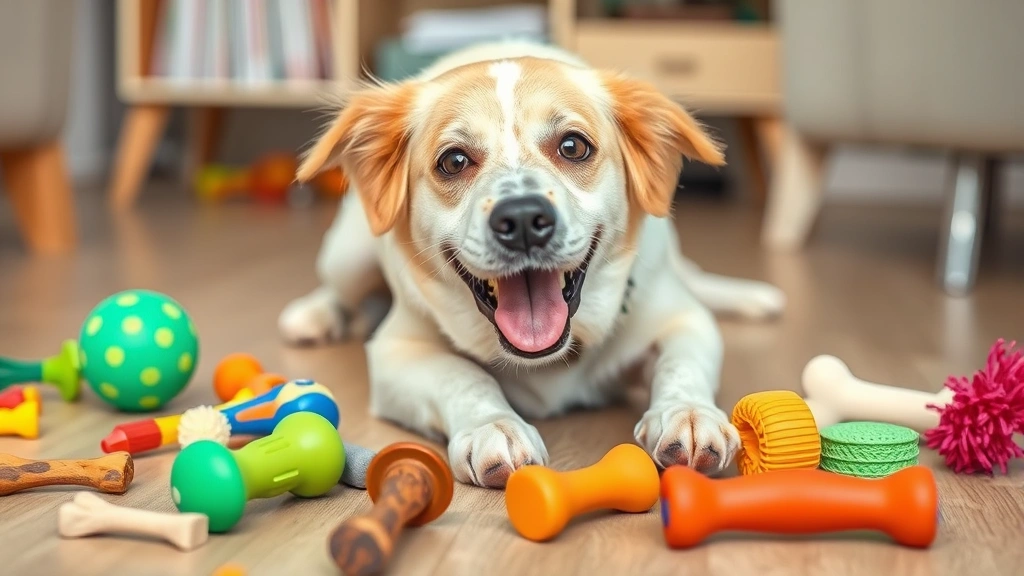
Safer Alternatives to Traditional Bones
If you want to provide your dog with enrichment and satisfy their natural chewing instincts without the risks associated with bones, numerous safe alternatives exist. Understanding these options can help you make the best choice for your individual dog’s needs and risk profile.
Rubber Chew Toys: Durable rubber toys designed specifically for dogs provide safe chewing satisfaction without the risks of bone fragments. Brands like Kong make toys that can be filled with treats or peanut butter, extending engagement time and providing mental stimulation. These toys are designed to be chew-resistant and won’t splinter or cause blockages.
Dental Chews: Specifically formulated dental chews are designed to clean teeth while being completely safe to consume. These are often made with ingredients that naturally reduce plaque and tartar while providing the satisfaction of chewing. Many are endorsed by veterinary dental organizations and represent a safer alternative to bones for dogs concerned about dental health.
Bully Sticks and Similar Products: Bully sticks, pizzles, and other dried meat products provide the satisfaction of chewing without the risks of bone splinters or blockages. These products are fully digestible and break down naturally in the stomach. They’re longer-lasting than rawhide and don’t splinter like bones can.
Antlers and Horns: Shed antlers and horns provide long-lasting chewing opportunities with minimal splintering risk. However, they’re still quite hard and can cause dental fractures in some dogs, so they should be monitored carefully. They’re best suited for dogs with strong, healthy teeth.
Rope Toys: Rope toys designed for dogs provide interactive play and chewing satisfaction. They’re particularly useful for games of tug-of-war and can help satisfy the natural desire to gnaw. Make sure to supervise use to prevent accidental ingestion of rope fibers.
The relationship between why dogs like squeaky toys and their bone obsession is interesting—both tap into predatory instincts and provide sensory stimulation. Squeaky toys can provide an alternative form of enrichment that satisfies some of the same psychological needs as bones without the associated risks.
For dogs who chew excessively or seem particularly anxious, exploring why dogs chew on their feet might reveal underlying issues that need addressing. Sometimes excessive chewing indicates anxiety, allergies, or other health concerns that should be discussed with your veterinarian.
Frequently Asked Questions
Are raw bones safer than cooked bones for dogs?
Yes, raw bones are generally considered safer than cooked bones because they retain their flexibility and are less likely to splinter. However, raw bones still carry risks of bacterial contamination and should be handled with food safety practices in mind. Cooked bones become brittle and prone to dangerous splintering, making them inappropriate for dogs. If you choose to offer raw bones, source them from reputable suppliers, handle them with proper food safety protocols, and supervise your dog while they’re chewing. Always remove bones after 15-20 minutes to prevent overconsumption.
How often can I give my dog bones?
The frequency depends on your individual dog’s health, age, and digestive system. Most veterinarians suggest limiting bone treats to 2-3 times per week rather than daily. This allows you to monitor your dog’s digestive response while providing enrichment benefits. Some dogs tolerate bones daily without issues, while others develop digestive upset from frequent bone consumption. Start conservatively and adjust based on how your dog responds. Always remove uneaten portions after 15-20 minutes to prevent bacterial growth.
What size bone is appropriate for my dog?
The bone should be larger than your dog’s mouth to prevent choking. A good rule of thumb is selecting a bone that’s at least the size of your dog’s head. The bone should be appropriate to your dog’s size—large dogs can handle larger bones, while small dogs need proportionally smaller options. Recreational bones like beef marrow bones work well for medium to large dogs, while small breeds should have smaller options or avoid bones altogether if they’re prone to choking or gulping food without proper chewing.
Can puppies have bones?
Puppies can have bones, but with significant caution. Puppies’ digestive systems are still developing and more sensitive than adult dogs’. Their milk teeth are also more fragile than adult teeth. If you offer bones to puppies, choose soft, raw options and supervise very closely. Many veterinarians recommend waiting until puppies are at least 4-6 months old before introducing bones, and even then, recreational bones (not edible ones) are preferable. Consult with your veterinarian about what’s appropriate for your specific puppy’s age and breed.
What should I do if my dog swallows a bone fragment?
Monitor your dog closely for signs of distress, including vomiting, loss of appetite, abdominal pain, constipation, or lethargy. If you notice any of these symptoms, contact your veterinarian immediately. Don’t induce vomiting or try home remedies—bone fragments require professional evaluation. In some cases, the fragment will pass naturally, but in others, imaging and potential surgery may be necessary. When in doubt, it’s better to err on the side of caution and seek veterinary advice.
Are bones beneficial for senior dogs?
Senior dogs should approach bones with caution. Their teeth are often more fragile, their digestive systems less efficient, and they may have underlying health conditions that make bones risky. Senior dogs with dental disease, digestive sensitivities, or other health issues should probably avoid bones altogether. If your senior dog has healthy teeth and a robust digestive system, soft raw bones might be appropriate under veterinary guidance, but generally, safer alternatives are preferable for aging dogs.
Can I give my dog bones from my dinner table?
Table bones, particularly cooked ones, should be avoided. Cooked bones from your dinner—whether chicken, pork, beef, or lamb—are brittle and prone to splintering. They also often have seasoning that might upset your dog’s stomach. Even if you have raw bones from your meal, they may not be appropriately sized for your dog or may come from sources you can’t verify for quality. It’s best to source bones specifically for your dog from reputable suppliers rather than using leftovers from human meals.
How do I know if my dog has a bone allergy or sensitivity?
Some dogs develop digestive upset from bones, even when they’re safe and appropriate. Signs of sensitivity include vomiting, diarrhea, constipation, gas, or reduced appetite in the days following bone consumption. If you notice these patterns, your dog may have a sensitivity to bones or to the specific type of bone you’re offering. Discontinue bones and try alternatives instead. If the digestive issues persist after stopping bones, consult your veterinarian to rule out underlying conditions.





