
Why Do Dogs Love Belly Rubs? The Science Explained
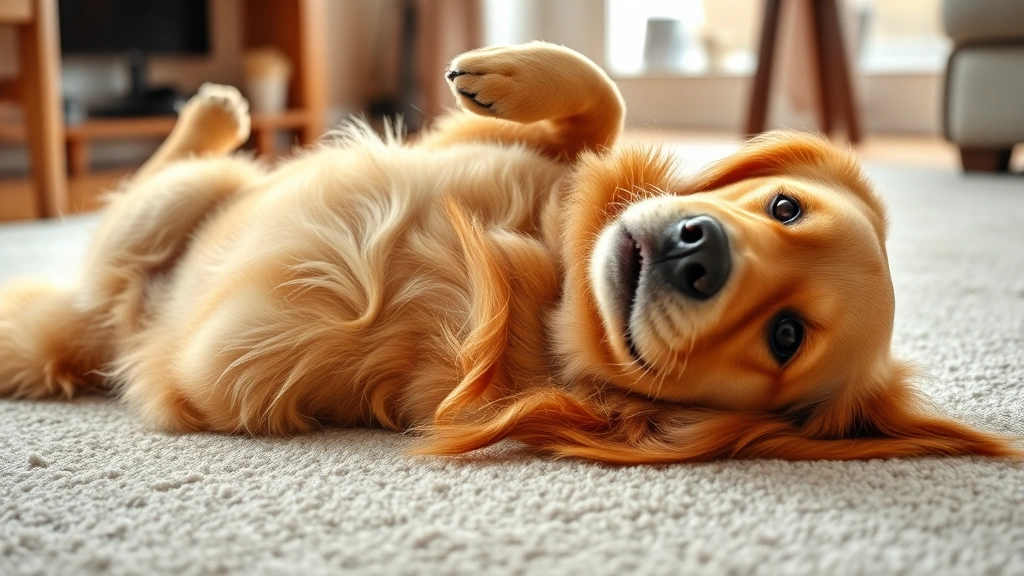
If you’ve ever watched a dog flop onto their back and wiggle with pure joy while you scratch their belly, you’ve witnessed one of the most endearing moments in the pet-owner relationship. But have you ever wondered why dogs absolutely lose their minds over belly rubs? It turns out there’s far more science behind this beloved behavior than simple preference—it’s rooted in canine biology, psychology, and the deep bond between humans and their furry companions.
Belly rubs aren’t just a random quirk or a sign of submission. They represent a complex interplay of sensory pleasure, trust, and communication that reveals how dogs experience affection and comfort. Understanding why your pup goes crazy for those magical belly scratches can deepen your appreciation for their unique way of showing love and help you strengthen your bond with your four-legged friend.
In this comprehensive guide, we’ll explore the fascinating science behind why dogs crave belly rubs, what it really means when your dog exposes their vulnerable underside, and how to read the subtle signals that tell you whether your pup is genuinely enjoying the experience or just tolerating it. Let’s dig into the belly of this mystery!
The Sensory Pleasure Factor
Dogs experience the world through their senses in ways that are both similar to and distinctly different from humans. When it comes to touch, their skin is incredibly sensitive and responsive to stimulation. The belly, in particular, is one of the most nerve-rich areas of a dog’s body, making it an exceptionally pleasurable region to have stimulated.
Think about how you feel when someone scratches an itch you’ve been unable to reach—that satisfying sensation of relief and pleasure. Dogs experience something similar, but often more intensely. Their belly rarely gets direct stimulation during everyday activities, which means when you do provide that touch, it’s novel and exciting. This novelty factor contributes significantly to why dogs seem to go absolutely wild for belly rubs.
The pleasure response isn’t just psychological—it’s deeply rooted in your dog’s physiology. When you scratch or rub your dog’s belly, you’re activating specialized nerve endings that send pleasurable signals directly to their brain. This is why many dogs will kick their hind legs involuntarily during a good belly rub session. That involuntary leg kick, often called the “scratch reflex,” is an automatic response to the stimulation, similar to how your leg kicks when a doctor taps your knee with a reflex hammer.
Beyond the immediate physical pleasure, belly rubs also provide mental stimulation for your dog. The experience engages their sensory processing centers, offering a form of enrichment that keeps their mind active and engaged. For dogs that spend time alone or have limited environmental stimulation, belly rubs become a highlight of their day—a moment of focused, pleasurable interaction with their favorite human.
Trust and Vulnerability Explained
Perhaps one of the most significant aspects of why dogs love belly rubs relates to the profound trust they’re displaying when they expose their belly. In the canine world, the belly is the most vulnerable part of a dog’s body. It’s where vital organs are located, and in the wild, an exposed belly during combat would be a critical weakness. When your dog rolls over and presents their belly to you, they’re essentially saying, “I trust you completely with my most vulnerable self.”
This behavior is deeply connected to why dogs like to sit on you and other forms of close physical contact. It’s a manifestation of the secure attachment your dog has formed with you. Unlike wild dogs or feral canines, domesticated dogs have evolved to seek out human companionship and to view their owners as sources of safety and comfort. When your dog trusts you enough to expose their belly, they’re reinforcing that bond and acknowledging you as a protector rather than a threat.
Interestingly, this behavior also relates to does my dog know I love him—the answer is a resounding yes, and belly-exposing behavior is one of the ways they demonstrate that mutual affection. Your dog isn’t just enjoying the physical sensation; they’re engaging in a ritual of intimacy and bonding that strengthens your relationship with each passing belly rub session.
The vulnerability displayed during belly rubs also connects to pack dynamics and social hierarchy. In a dog’s mind, showing their belly is a submissive gesture that acknowledges your role as a trusted leader. This doesn’t mean your dog sees you as a harsh authority figure—rather, they view you as a benevolent protector who has earned their complete confidence. The belly rub becomes a moment where they can fully relax and be completely themselves without any defensive mechanisms engaged.
Sensitive Nerve Endings and Touch Receptors
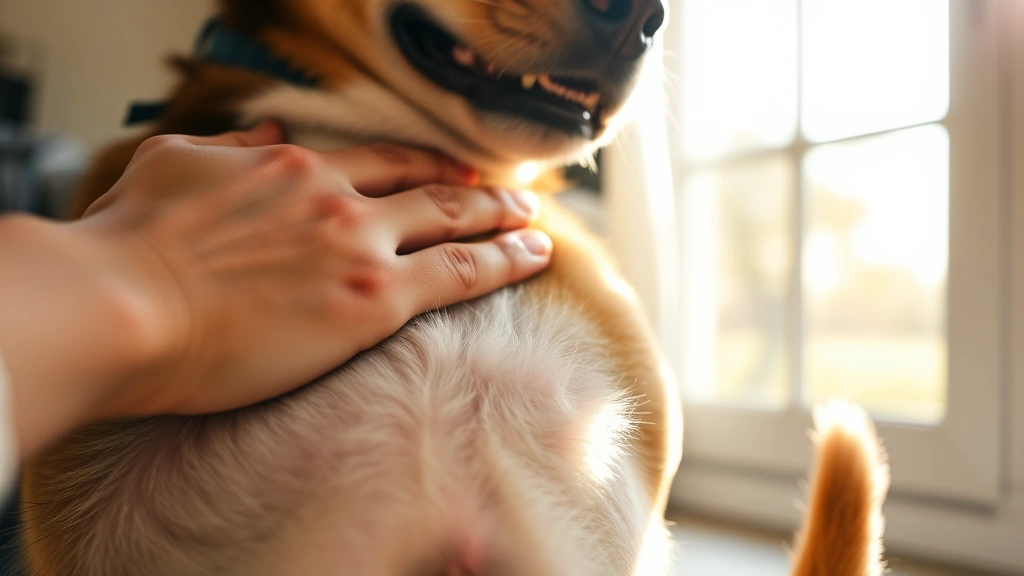
To truly understand why belly rubs feel so good to dogs, we need to delve into the anatomy of canine skin. A dog’s skin is thinner than human skin and contains a higher concentration of nerve endings in certain areas. The belly is one of these sensitive zones, packed with touch receptors that are exquisitely attuned to pressure, temperature, and texture.
According to research from veterinary dermatology, dogs have specialized sensory receptors called mechanoreceptors throughout their skin. These receptors detect pressure, vibration, and touch, and they’re particularly dense in areas like the belly, paws, and face. When you perform a belly rub, you’re directly stimulating thousands of these receptors simultaneously, creating a cascade of pleasurable sensations that flood your dog’s nervous system.
Different types of touch activate different receptors. Light, gentle stroking activates one set of receptors, while firmer pressure and circular motions activate others. This is why some dogs prefer gentle, soothing belly rubs while others go absolutely bonkers for vigorous scratching and kneading. Understanding your individual dog’s preferences requires paying attention to their reactions and learning what types of touch produce the most enthusiastic response.
The belly also lacks the thick fur that covers much of a dog’s body, meaning the touch receptors in this area have less insulation between them and the external stimulation. This makes the belly inherently more sensitive than other body parts. While this sensitivity might seem like it could be uncomfortable, dogs have evolved to appreciate this heightened sensation when it comes from a trusted source. The sensation of a belly rub triggers what veterinarians call the “pleasure response”—an involuntary physiological reaction that indicates genuine enjoyment.
The Chemical Release: Oxytocin and Dopamine
When you give your dog a belly rub, you’re not just providing physical pleasure—you’re triggering a cascade of chemical reactions in their brain that create genuine happiness and bonding. The primary chemicals involved in this process are oxytocin and dopamine, often called the “love hormone” and the “pleasure chemical,” respectively.
Oxytocin is released in both you and your dog when you engage in physical touch. This hormone is responsible for creating feelings of attachment, trust, and love. When you scratch your dog’s belly and they experience pleasure, oxytocin floods their system, reinforcing the bond between you. Studies have shown that both humans and dogs experience increased oxytocin levels during positive physical interactions, creating a neurochemical feedback loop that strengthens your relationship with every belly rub.
Dopamine, on the other hand, is the neurotransmitter associated with pleasure and reward. When your dog receives a belly rub they enjoy, dopamine is released in their brain, creating a sensation of pleasure and satisfaction. This is the same chemical that makes eating a delicious meal or playing fetch feel rewarding. Over time, your dog begins to associate belly rubs with dopamine release, which is why they’ll actively seek out these interactions from you. Your pup has literally learned that belly rubs equal happiness.
Beyond oxytocin and dopamine, belly rubs also trigger the release of endorphins—your dog’s natural pain-relieving and mood-enhancing chemicals. This is particularly beneficial for older dogs or those experiencing mild discomfort, as a good belly rub session can actually provide relief and improve their overall sense of well-being. This is one reason why many dogs will seek out belly rubs when they’re feeling anxious or unwell; they’re instinctively seeking the neurochemical benefits that come with the experience.
The chemical response to belly rubs also explains why dogs can become somewhat addicted to the experience. Once their brain has learned that belly rubs produce these pleasurable chemicals, they’ll actively seek out the behavior. This is why your dog might flop onto their back in front of you repeatedly—they’re essentially asking for another hit of that oxytocin and dopamine. It’s a healthy form of addiction that strengthens your bond and contributes to your dog’s overall happiness and well-being.

Do All Dogs Like Belly Rubs? Breed Differences
While most dogs enjoy belly rubs, it’s important to recognize that not every dog shares the same enthusiasm for this particular form of affection. Breed, individual personality, and early socialization all play significant roles in determining whether a dog will eagerly present their belly for rubs or prefer other forms of touch.
Certain breeds are known for being more physically affectionate and belly-rub-friendly than others. Labradors, Golden Retrievers, and Cavalier King Charles Spaniels tend to be enthusiastic belly-rub recipients, often actively seeking out this type of interaction. These breeds were historically bred to work closely with humans and have developed strong drives for physical contact and companionship. Their love of belly rubs is partly genetic, wired into their behavioral DNA through generations of selective breeding.
Conversely, some breeds have a more reserved temperament when it comes to physical touch. Certain sighthound breeds, like Whippets and Afghan Hounds, may be more selective about who touches their belly and when. Some working breeds, particularly those bred for independence and self-reliance, might tolerate belly rubs but not seek them out with the same enthusiasm as more people-oriented breeds.
It’s crucial to understand that breed tendencies are just that—tendencies, not absolutes. Individual personality plays an enormous role. Some Labs might be touch-averse while some Whippets might be belly-rub fanatics. Early socialization and positive experiences with touch during puppyhood also significantly influence whether a dog will enjoy belly rubs as an adult. Dogs that were handled gently and frequently as puppies tend to be more comfortable with physical affection in all forms.
Additionally, past experiences shape a dog’s relationship with belly rubs. A dog that was never handled roughly as a puppy and has only positive associations with human touch will likely be more enthusiastic about belly rubs than a dog with a history of rough handling or abuse. Rescue dogs with unknown backgrounds might need time to build trust before they’re comfortable exposing their vulnerable belly to you.
Reading Your Dog’s Body Language
While belly rubs are generally enjoyable for most dogs, it’s essential to understand how to read your dog’s body language to ensure they’re genuinely enjoying the experience rather than tolerating it out of politeness or confusion. Dogs communicate their comfort levels through a variety of subtle signals, and learning to interpret these signals is crucial for being a responsive and caring pet owner.
A dog that’s truly enjoying belly rubs will display several telltale signs of pleasure. Their tail will typically wag, often in a relaxed, loose manner. Their eyes may appear soft and slightly closed, or they might look directly at you with what’s often described as a “smile”—a relaxed facial expression with slightly parted lips. Their body will be loose and wiggly, with no tension in their muscles. They might even lean into your touch, pushing their belly closer to your hands to encourage more contact. Some dogs will “make biscuits” with their paws, a kneading motion that indicates contentment.
Conversely, there are clear signals that your dog is uncomfortable with belly rubs or that you should stop the interaction. If your dog’s tail stops wagging or tucks between their legs, this is a sign of anxiety or discomfort. If their ears flatten against their head, their eyes widen, or their mouth becomes tense, these are all indicators that they’re stressed rather than enjoying the experience. Some dogs might also show signs of stiffness or attempt to move away from your touch. If your dog suddenly gets up and walks away, they’re clearly communicating that the belly rub session is over.
One common misconception is that a dog lying on their back with an exposed belly always wants belly rubs. Sometimes, a dog will lie on their back as a way to cool off, to stretch, or simply because it’s a comfortable position. Just because your dog’s belly is accessible doesn’t mean they want you to touch it. Always pay attention to their overall body language and their response when you initiate contact. If they seem relaxed and welcoming, go ahead. If they seem tense or try to move away, respect their boundaries.
It’s also important to recognize that your dog’s preferences might change over time. A dog that loved belly rubs as a young pup might become less enthusiastic as they age, particularly if they develop arthritis or other age-related discomfort. Conversely, a dog that was initially shy about belly rubs might become more comfortable with them as they build trust with you. Regularly checking in with your dog about their preferences and adjusting your behavior accordingly is a sign of a healthy, attentive pet-owner relationship.
Best Practices for Giving Belly Rubs
Now that we understand why dogs love belly rubs and how to read their signals, let’s discuss the best practices for actually giving them. Providing quality belly rubs that your dog will genuinely love requires attention to technique, timing, and your dog’s individual preferences.
First, create the right environment. Choose a time when your dog is relaxed and not overstimulated. After a good play session or walk, when your dog is naturally winding down, is often an ideal time for belly rubs. Make sure the environment is comfortable—a cool room or a soft surface can enhance the experience. Some dogs prefer belly rubs when they’re on their back, while others might enjoy them when lying on their side. Let your dog find their preferred position.
When it comes to technique, there’s no one-size-fits-all approach. Some dogs love gentle, circular motions with an open hand, while others prefer firmer pressure and more vigorous scratching. Pay attention to your dog’s reactions to different types of touch and adjust accordingly. Many dogs enjoy a combination of techniques—perhaps some gentle stroking followed by more vigorous scratching. The key is to be responsive to your dog’s feedback and to vary your technique to keep the experience interesting.
Hand placement matters too. Most dogs enjoy belly rubs across the entire belly area, but some have particular preferences. Some dogs love attention on their lower belly, while others prefer the upper chest area. Your dog will likely communicate their preferences through their body language and by moving closer to or away from your hands in certain areas. Experiment and learn what your individual dog loves most.
Duration is another important consideration. Some dogs could have belly rubs all day long, while others prefer shorter sessions. Watch for signs of overstimulation or fatigue. If your dog starts to seem restless, nips at your hand, or attempts to move away, it’s time to wrap up the session. It’s better to leave your dog wanting more belly rubs than to continue past the point where they’re enjoying the experience.
Temperature can also affect your dog’s enjoyment of belly rubs. On hot days, your dog might appreciate the cooling effect of your hands on their belly. In winter, they might prefer the warmth and comfort of a belly rub session. Some dogs enjoy having their belly rubs followed by a cool drink of water or a quick play session. Pay attention to what your dog seems to enjoy most in different seasons and conditions.
Finally, be aware of any medical conditions your dog might have. Dogs with skin sensitivities, allergies, or certain medical conditions might find belly rubs uncomfortable or even painful in certain areas. If your dog has recently undergone surgery or has any injuries, consult with your veterinarian before engaging in belly rubs. For older dogs or those with arthritis, gentle belly rubs can be therapeutic, but avoid any areas where they might be experiencing pain.
Understanding why your dog loves belly rubs and how to provide them properly is just one aspect of being a great pet owner. Learning more about why dogs like to be pet in general can help you understand the broader context of canine affection. Similarly, exploring do dogs like being pet will give you even more insights into your dog’s preferences and needs. And if you’ve ever wondered about the deeper emotional connection, why dogs lick me can provide additional context for understanding your dog’s affectionate behaviors.
Frequently Asked Questions
Is it true that belly rubs mean a dog is submissive?
Not necessarily. While belly exposure can indicate submission in certain contexts, in the context of belly rubs with a trusted owner, it primarily indicates trust and comfort. Your dog is exposing their vulnerable belly because they trust you completely, not because they’re fearful or submitting to dominance. The key difference is the overall body language and context. A relaxed, happy dog enjoying belly rubs is showing trust, while a dog showing submissive behavior typically displays additional signs of anxiety like tucked tail, flattened ears, and tense body posture.
My dog snaps or bites during belly rubs. What does this mean?
This behavior could indicate several things. Your dog might be overstimulated and signaling that the belly rub session needs to end. Some dogs have sensitive bellies and experience discomfort during touch. Others might be playing and nipping as part of their interactive style. If your dog is genuinely biting rather than gentle nipping, consult with a veterinary behaviorist to rule out pain or anxiety issues. Additionally, consider whether your dog was properly socialized to handle touch during puppyhood. In any case, respect your dog’s boundaries and stop the belly rubs if they’re showing signs of discomfort or aggression.
Can belly rubs help with anxiety in dogs?
Yes, belly rubs can be helpful for anxious dogs. The release of oxytocin and endorphins during a positive belly rub session can have a calming effect. However, it’s important to note that not all anxious dogs will find belly rubs comforting. Some might actually find physical touch stressful when they’re anxious. Pay attention to your individual dog’s response. For dogs that do enjoy belly rubs, incorporating them into your routine can be a wonderful way to help them relax. However, belly rubs should be part of a comprehensive anxiety management plan that might include training, exercise, and professional help if needed.
Why does my dog kick their leg during belly rubs?
The leg-kicking response during belly rubs is called the scratch reflex or the pedal reflex. It’s an involuntary neurological response to stimulation of certain areas of the belly. When you scratch or rub your dog’s belly in just the right spot, you trigger nerve endings that cause the hind leg on that side to kick or paddle. This is a completely normal and healthy response that indicates your dog is experiencing pleasure. It’s similar to the reflex that causes your leg to kick when a doctor taps your knee. The intensity of the kicking can vary from dog to dog, but it’s generally a sign that your pup is really enjoying the experience.
Is there a difference between belly rubs and belly scratches?
Yes, there’s a subtle difference. Belly rubs typically involve using your open hand in circular or linear motions across the belly, often with moderate pressure. Belly scratches usually involve using your fingernails or fingers in a scratching motion. Most dogs enjoy both, but their preference for one over the other varies. Some dogs go crazy for scratches because the sensation is more intense and targeted, while others prefer the broader, gentler sensation of a rub with an open hand. Many dogs enjoy a combination of both techniques. Pay attention to which technique seems to produce the most enthusiastic response from your dog and adjust accordingly.
Can puppies enjoy belly rubs?
Absolutely! Puppies can enjoy belly rubs, and introducing them to positive physical touch early in life is beneficial for their development. Puppies that are handled gently and frequently during their first few months of life tend to be more comfortable with physical affection as adults. Starting belly rubs early helps your puppy learn to trust you and builds a strong bond. However, be gentle with puppies, as their skin is even more delicate than adult dogs’. Also, be aware that very young puppies might be more interested in playing or exploring than in settling down for belly rubs. As they mature and learn to relax, they’ll likely become more enthusiastic about the experience.
Should I avoid belly rubs if my dog has a sensitive stomach?
If your dog has a genuinely sensitive or painful stomach due to medical conditions, you should consult with your veterinarian before giving belly rubs. However, most dogs with sensitive stomachs can still enjoy gentle belly rubs, particularly in areas away from the most sensitive regions. Your vet can advise you on which areas are safe to touch and which to avoid. For dogs with digestive issues or gastric sensitivity, gentle belly rubs might actually be soothing. The key is communication with your veterinarian and paying close attention to your dog’s reactions to determine what’s comfortable for them.





