
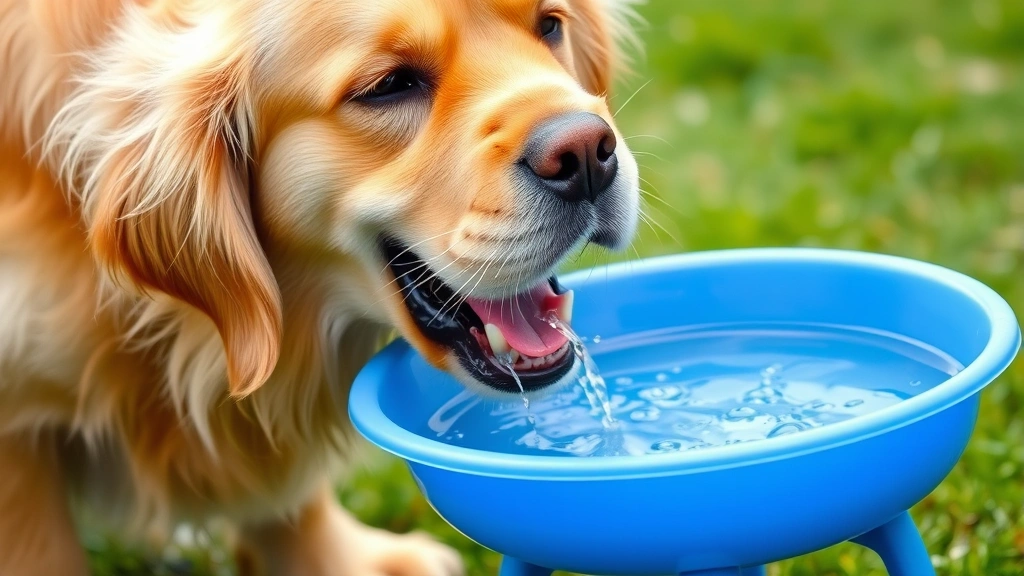
Why Does My Dog Cough After Drinking Water?
If you’ve noticed your furry best friend breaking into a coughing fit right after lapping up water, you’re definitely not alone. This quirky behavior confuses many dog parents and raises legitimate health concerns. The good news? In most cases, it’s completely harmless and totally explainable. Let’s dive into the fascinating reasons behind this watery situation and help you understand what’s happening with your pup.
Dogs cough after drinking water for several reasons, ranging from the adorably silly to the occasionally serious. Whether it’s a simple case of water going down the wrong pipe or something requiring veterinary attention, understanding the root cause is essential for your dog’s wellbeing. We’ll explore everything you need to know to keep your four-legged friend healthy and hydrated.
The most common culprit? Your dog is simply drinking too fast and getting a little water in their windpipe. But there are other possibilities too, and knowing the difference between normal and concerning can save you stress and potentially serious health issues down the road.
Normal Reasons Why Dogs Cough After Drinking
The most innocent explanation for post-drinking coughs is that your dog is simply drinking with enthusiasm. Dogs don’t exactly sip water delicately like humans do. They plunge their snouts into bowls and gulp rapidly, which can cause water to splash into their nasal passages or create a sensation that triggers a protective cough reflex. Think of it as your dog’s version of choking on a sip of juice—completely normal and usually harmless.
This type of cough is typically brief, lasting just a few seconds, and your dog bounces back to normal immediately afterward. You might notice it happens more frequently when your pup is particularly thirsty or has just finished playing and is eager to rehydrate. Some dogs are simply more prone to this than others, often depending on their breed and the shape of their snout.
Another benign reason involves your dog’s gag reflex being extra sensitive. Just like humans, dogs have varying levels of sensitivity in their throats. Some dogs seem to cough at the slightest irritation, while others barely react to significant triggers. If your dog is generally healthy and the coughing stops quickly, this is usually nothing to worry about.
Water temperature can also play a role. Some dogs seem bothered by cold water straight from the fridge and cough more frequently when drinking chilled water. If you suspect this is your dog’s issue, try leaving their water at room temperature and see if the coughing decreases. This simple adjustment has helped many dog owners resolve the mystery.

When Water Goes Down the Wrong Pipe
While most post-drinking coughs are harmless, there’s a condition called aspiration that’s worth understanding. Aspiration occurs when liquid or food enters the lungs instead of going down the esophagus to the stomach. This is actually more common than many dog owners realize, and understanding the signs can help you catch problems early.
When water aspiration happens, your dog might cough immediately, but the real concern is what happens afterward. If water reaches the lungs, it can cause inflammation and potentially lead to aspiration pneumonia, a serious condition that requires veterinary treatment. This is why paying attention to patterns is so important—occasional coughing is usually fine, but recurring or worsening coughs warrant professional evaluation.
Certain dogs are at higher risk for aspiration issues. Puppies, senior dogs, and breeds with flat faces (like Bulldogs and Pugs) tend to be more susceptible. If you have a dog in one of these categories, it’s worth being extra vigilant about their drinking habits. Dogs with underlying coughing issues are also more prone to aspiration complications.
You might notice that your dog seems to cough more when drinking from certain bowl types or positions. Some dogs do better with elevated water bowls, which allow them to drink at a more natural angle. Others benefit from slower-drinking bowls designed to prevent rapid gulping. These simple modifications can significantly reduce aspiration risks.
If you’re concerned about aspiration, your veterinarian can perform diagnostic tests like X-rays or ultrasounds to check for fluid in the lungs. Early detection is crucial, so don’t hesitate to seek professional advice if you notice persistent coughing patterns.
Underlying Health Conditions to Consider
Sometimes post-drinking coughs signal something more serious lurking beneath the surface. Several health conditions can cause or contribute to coughing after water consumption. Understanding these possibilities helps you recognize when it’s time to visit your vet.
Laryngeal paralysis is one such condition, particularly common in senior large-breed dogs. This occurs when the muscles controlling the larynx weaken, making it difficult for dogs to swallow properly. Dogs with this condition often cough when drinking, eating, or exercising. If your dog is older and the coughing seems to be getting worse over time, laryngeal paralysis might be worth investigating with your veterinarian.
Megaesophagus is another condition where the esophagus becomes enlarged and loses its ability to move food and water properly toward the stomach. Dogs with this condition frequently cough after drinking because water pools in the enlarged esophagus and can be aspirated into the lungs. This is a serious condition requiring ongoing management and dietary adjustments.
Gastroesophageal reflux disease (GERD) can also cause coughing related to drinking. When stomach acid backs up into the esophagus, it irritates the throat and triggers coughing. Dogs with GERD might cough more after drinking water, especially cold water, because it stimulates additional acid production. Your vet can help manage this with dietary changes and medication if necessary.
Kennel cough and other respiratory infections can make coughing worse overall, including post-drinking coughs. If your dog has recently been around other dogs or is showing other signs of illness like lethargy or loss of appetite, a respiratory infection might be the culprit. The American Kennel Club provides resources on dog health conditions that can help you learn more.

How to Prevent Post-Drinking Coughs
If your dog’s post-drinking coughs are becoming bothersome or you want to minimize the risk of more serious issues, several practical strategies can help. These preventive measures are easy to implement and often make a noticeable difference.
First, consider changing your dog’s drinking setup. Elevated water bowls are fantastic for preventing rapid gulping and allowing more natural swallowing positions. Stainless steel bowls are ideal because they’re easier to keep clean and less likely to harbor bacteria. If your dog is particularly enthusiastic about water, slow-feeder bowls with built-in obstacles force them to drink more gradually, reducing the likelihood of water entering the windpipe.
Encourage your dog to drink water throughout the day rather than guzzling large amounts at once. You can do this by refilling their bowl more frequently or offering water at regular intervals. This approach also helps with hydration management and can prevent other water-related issues.
Monitor water temperature and consider offering room-temperature or slightly warm water if your dog seems bothered by cold water. Some dogs genuinely prefer warmer water and drink more calmly when it’s not ice-cold. You might be surprised at how much this simple change helps with persistent coughing patterns.
Position matters too. If your dog drinks while lying down or in awkward positions, they’re more likely to aspirate water. Encourage them to drink in a standing or sitting position where gravity can do its job properly. Some dogs benefit from being gently guided to a better drinking position, especially after exercise when they’re most eager to drink.
Regular veterinary checkups are crucial for catching underlying health issues early. During these visits, mention any post-drinking coughing you’ve noticed, even if it seems minor. Your vet can listen to your dog’s lungs and throat and identify potential problems before they become serious.
If your dog is drinking significantly more water than usual, this could indicate diabetes, kidney disease, or other conditions that need evaluation. Excessive drinking combined with post-drinking coughs warrants professional investigation.
When Should You Call the Vet?
Knowing the difference between normal post-drinking coughs and concerning ones is essential for your dog’s health. Most post-drinking coughs are harmless and don’t require veterinary intervention, but certain red flags demand professional attention.
Call your vet immediately if your dog shows any of these warning signs: persistent coughing that doesn’t resolve within a few seconds, coughing that worsens over time, coughing accompanied by difficulty breathing, wheezing, or labored breathing. Additionally, if your dog seems lethargic, has lost appetite, or is running a fever alongside coughing, seek professional care promptly.
Watch for signs of aspiration pneumonia, which can develop after water accidentally enters the lungs. Symptoms include persistent cough, fever, decreased appetite, lethargy, and sometimes a crackling sound when breathing. If you notice any combination of these symptoms, contact your veterinarian right away. The ASPCA provides detailed information about dog health problems that might help you recognize concerning symptoms.
If your dog is coughing after drinking and also having trouble drinking water normally, this could indicate throat or esophageal problems requiring evaluation. Some dogs with swallowing difficulties need special water delivery methods or dietary adjustments.
Senior dogs and those with pre-existing respiratory conditions deserve extra attention. If your older pup’s coughing after drinking is new or worsening, don’t hesitate to schedule a vet visit. Early intervention can prevent complications and keep your senior comfortable.
Consider keeping a log of when coughing occurs, how long it lasts, and any patterns you notice. This information is invaluable for your veterinarian and can help them reach a diagnosis more quickly. Note whether coughing happens with all water sources, specific bowl types, or particular times of day.
Your veterinarian might recommend diagnostic tests like chest X-rays or a fluoroscopic swallow study to evaluate your dog’s swallowing mechanics. These tests can reveal aspiration issues or other underlying problems that aren’t apparent from a physical exam alone. While these procedures might seem extensive, they provide crucial information for your dog’s health management.
Frequently Asked Questions
Is it normal for dogs to cough after drinking water?
Yes, occasional coughing after drinking is completely normal for many dogs. The most common cause is water splashing into the nasal passages or the gag reflex being triggered. However, if the coughing is persistent, worsening, or accompanied by other symptoms, it warrants veterinary evaluation to rule out aspiration or underlying health conditions.
Can aspiration pneumonia develop from a single coughing incident after drinking?
While a single coughing episode is unlikely to cause aspiration pneumonia, repeated aspiration incidents increase the risk. The condition develops gradually as water repeatedly enters the lungs, causing inflammation. This is why monitoring patterns is important and addressing recurring post-drinking coughs with your vet is wise.
What’s the best way to help a dog drink water without coughing?
Elevated bowls, slow-feeder bowls, and room-temperature water all help reduce post-drinking coughs. Encouraging your dog to drink in a standing position, offering water more frequently in smaller amounts, and monitoring their drinking position can make significant differences. If coughing persists despite these changes, consult your veterinarian.
Are certain dog breeds more prone to coughing after drinking?
Yes, flat-faced breeds like Bulldogs, Pugs, and Boston Terriers are more susceptible to coughing and aspiration issues due to their anatomy. Senior dogs and puppies are also at higher risk. Large breeds can develop conditions like laryngeal paralysis that increase post-drinking coughing. Knowing your dog’s breed-specific risks helps you stay vigilant.
Should I limit my dog’s water intake if they cough after drinking?
No, you should never limit water intake without veterinary guidance. Proper hydration is essential for your dog’s health. Instead, focus on how they drink rather than how much. Offer water more frequently in smaller amounts, use appropriate bowl types, and ensure proper drinking positions. If coughing is severe, consult your vet about management strategies.
Can alternative beverages besides water cause less coughing?
While some dogs might cough less with certain liquids, water is the best choice for your dog’s health. If your dog consistently coughs with water but not other liquids, this is worth discussing with your vet, as it might indicate a specific swallowing issue. Your veterinarian can recommend appropriate alternatives if necessary.
How can I tell if my dog’s cough is serious?
Serious coughs typically persist longer than a few seconds, worsen over time, or are accompanied by other symptoms like difficulty breathing, lethargy, or fever. If your dog coughs occasionally after drinking and immediately returns to normal, it’s likely harmless. However, if the coughing pattern changes or new symptoms develop, professional evaluation is warranted.
What diagnostic tests might my vet recommend?
Your veterinarian might recommend chest X-rays to check for fluid in the lungs, a fluoroscopic swallow study to evaluate swallowing mechanics, or bloodwork to rule out underlying conditions. These tests help identify aspiration, megaesophagus, laryngeal paralysis, or other health issues contributing to post-drinking coughs.





