
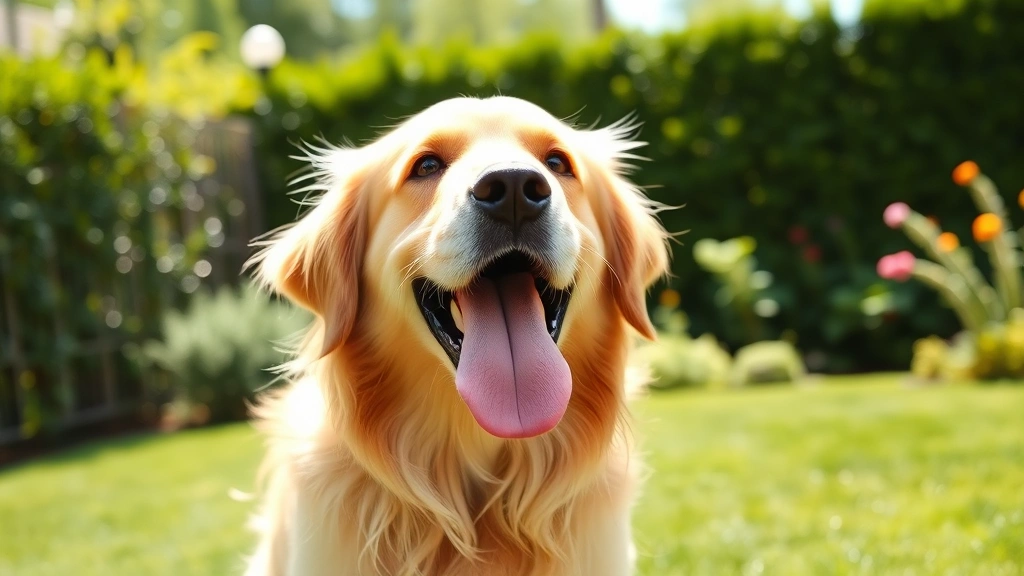
Why Does My Dog Keep Panting? Expert Insights
If you’ve noticed your furry friend constantly panting, you’re not alone in wondering what’s going on. Panting is a completely normal behavior for dogs, but excessive panting can sometimes signal that something needs your attention. As a dog owner, understanding the difference between normal and concerning panting is crucial for your pet’s wellbeing.
Your dog’s panting might be as simple as cooling down after playtime, or it could indicate an underlying health issue that deserves veterinary care. The good news? Most causes of excessive panting are manageable once you know what to look for. In this comprehensive guide, we’ll explore the various reasons behind your dog’s panting and help you determine when it’s time to call the vet.
Whether your pup is a heavy breather by nature or you’ve recently noticed a change in their breathing patterns, this article will give you the knowledge you need to be a more informed and attentive pet parent.
Normal Panting vs. Excessive Panting
Before you panic, let’s establish what constitutes normal panting. Dogs pant for various legitimate reasons, and it’s one of their primary cooling mechanisms. A healthy dog might pant after exercise, during warm weather, or when excited about going to the park. This type of panting is rhythmic, controlled, and usually stops once your dog has rested or cooled down.
Excessive panting, on the other hand, is persistent, rapid, and often accompanied by other symptoms. Your dog might be breathing fast even at rest, or the panting might seem more intense than usual. If your dog is panting heavily without any obvious reason—no exercise, normal temperature, and a calm environment—this could warrant investigation.
The key difference lies in context and duration. Normal panting has a clear trigger and resolves relatively quickly. Excessive panting continues even when the trigger should have passed. Pay attention to whether your dog’s panting is accompanied by other behavioral changes, loss of appetite, or lethargy, as these can indicate something more serious.
Temperature Regulation and Heat
The most common reason dogs pant is to regulate their body temperature. Unlike humans, who cool down primarily through sweating, dogs lack functional sweat glands across most of their bodies. Instead, they rely on panting as their main thermoregulation tool. When your dog breathes rapidly and shallowly, moisture evaporates from their mouth and tongue, helping dissipate heat.
During hot weather or after vigorous exercise, your dog will naturally pant more. This is completely normal and healthy. However, if your home is temperature-controlled and your dog is still panting excessively, it might indicate they’re struggling to cool down effectively.
Certain breeds are more susceptible to heat-related issues. Brachycephalic breeds—those with flat, pushed-in faces like Bulldogs, Pugs, and Boston Terriers—struggle more with temperature regulation because their respiratory passages are compromised. If you own one of these breeds, you’ll need to be extra vigilant about keeping them cool and monitoring their panting patterns.
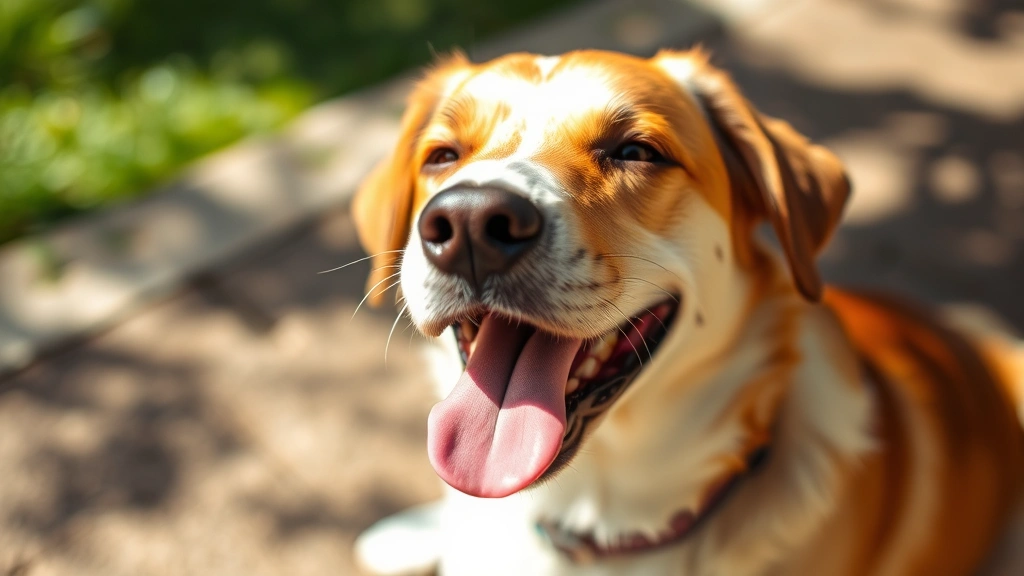
Puppies and senior dogs also have more difficulty regulating temperature. Young puppies haven’t fully developed their thermoregulation systems, while older dogs may have compromised respiratory or cardiovascular function. If you notice your senior dog panting so much more than before, this could be an age-related concern worth discussing with your veterinarian.
Anxiety, Stress, and Excitement
Dogs, like humans, respond to emotional stimuli with physical manifestations. When your dog is anxious, stressed, or overly excited, they’ll often pant. This is their body’s way of responding to adrenaline and heightened emotions. A dog anticipating a car ride, meeting new people, or hearing fireworks might start panting heavily.
Stress-related panting is usually situational. Once the stressful event passes or your dog calms down, the panting should subside. However, if your dog has chronic anxiety, they might pant persistently throughout the day. This is where recognizing patterns becomes important.
If you suspect anxiety is driving your dog’s excessive panting, consider what triggers it. Is it always during storms? When you leave for work? During vet visits? Once you identify the trigger, you can work with your veterinarian or a certified dog trainer to develop coping strategies. Some dogs benefit from calming supplements, anxiety wraps, or behavioral training.
It’s worth noting that excessive panting combined with other signs like acting weird or withdrawn might indicate deeper anxiety issues that require professional intervention.
Medical Conditions Behind Panting
When panting becomes excessive without an obvious environmental or emotional trigger, medical issues might be at play. Several health conditions can cause abnormal panting in dogs, ranging from minor to serious.
Respiratory Infections: Pneumonia, bronchitis, and other respiratory infections cause dogs to work harder to breathe, resulting in increased panting. These infections often come with coughing, lethargy, and sometimes fever. Checking if your dog has a fever can help you determine if infection is involved.
Heart Disease: One of the more serious causes of excessive panting is heart disease. When the heart isn’t pumping efficiently, the body compensates by increasing breathing rate. Dogs with heart problems might pant excessively, especially during or after light activity. According to the American Kennel Club’s guide on canine heart disease, panting combined with reluctance to exercise can be a red flag.
Hormonal Imbalances: Conditions like Cushing’s disease and hyperthyroidism can cause excessive panting. These endocrine disorders affect your dog’s metabolism and body regulation systems. If your dog is also experiencing weight changes, increased thirst, or changes in appetite, hormonal issues might be involved.
Pain and Discomfort: Dogs in pain often pant as a stress response. Arthritis, injuries, or internal pain can trigger excessive panting. If your dog is shaking or showing other pain indicators, this could be the culprit.
Obesity: Overweight dogs work harder to breathe and regulate temperature, leading to more frequent panting. Weight management is crucial for your dog’s overall health and can significantly reduce excessive panting.
The ASPCA recommends regular veterinary check-ups to catch these conditions early before they become serious.
Age and Breed Factors
Your dog’s age and breed significantly influence their panting behavior. Understanding these factors helps you establish what’s normal for your individual pet.
Puppies: Young puppies often pant more frequently because they’re more active and haven’t fully developed efficient cooling mechanisms. Their metabolism runs high, and they tire easily, leading to increased breathing rates during play.
Senior Dogs: As dogs age, their respiratory and cardiovascular systems become less efficient. Senior dogs might pant more during normal activities that never bothered them before. This increased panting is often accompanied by heavy breathing and reduced exercise tolerance.
Breed Predispositions: Certain breeds are naturally heavier panters. Working breeds and active dogs like Border Collies, Siberian Huskies, and Labrador Retrievers tend to pant more than toy breeds. Additionally, brachycephalic breeds (flat-faced dogs) struggle with breathing efficiency and will pant more readily.
Small breeds often have faster metabolic rates and might pant more frequently than larger dogs. Giant breeds, conversely, have different cardiovascular demands and might show different panting patterns.
Understanding your dog’s breed-specific traits helps you distinguish between normal behavior and concerning changes. If your usually calm Bulldog suddenly starts panting excessively, that’s more noteworthy than a Border Collie panting after a run.
When to Worry and Contact Your Vet
Knowing when to seek veterinary attention is crucial for your dog’s health. While occasional panting is normal, certain situations demand professional evaluation.
Contact your vet if your dog exhibits:
- Continuous panting without relief, especially at rest
- Panting accompanied by coughing or wheezing
- Difficulty breathing or labored breathing patterns
- Pale or blue-tinged gums
- Excessive drooling along with panting
- Lethargy or reluctance to move
- Loss of appetite or sudden weight changes
- Panting that’s significantly different from your dog’s normal pattern
- Panting lasting more than a few hours without an obvious cause
Seek emergency care if:
- Your dog is panting and collapsed or unresponsive
- Severe difficulty breathing or gasping for air
- Your dog is overheating (excessive panting with disorientation or staggering)
- Panting accompanied by obvious pain or distress
- Your dog has been exposed to toxins or medications
Your veterinarian can perform a thorough physical examination, listen to your dog’s heart and lungs, and potentially run diagnostic tests like bloodwork or imaging if needed. Early detection of underlying conditions often leads to better outcomes.
Keep a record of when your dog pants, what seems to trigger it, and any accompanying symptoms. This information is invaluable for your vet and helps them make an accurate diagnosis. Don’t hesitate to mention even small changes you’ve noticed—sometimes the details matter most.
Frequently Asked Questions
Is panting after exercise normal for dogs?
Absolutely! Panting after exercise is completely normal and expected. Your dog is cooling down and recovering from physical activity. This type of panting should subside within 15-30 minutes as your dog rests. If panting continues long after exercise has stopped, or if your dog seems distressed, that warrants attention.
How can I help my dog cool down when they’re panting excessively?
Provide fresh water, move them to a cooler area with good airflow, and allow them to rest. You can also offer a cool (not cold) bath or let them lie on a cool tile floor. Avoid ice water or ice baths, as these can shock their system. For dogs prone to overheating, keep them indoors during peak heat hours and avoid strenuous exercise in hot weather.
Can medication cause excessive panting in dogs?
Yes, certain medications can increase panting as a side effect. Steroids, stimulants, and some pain medications might cause this reaction. If you’ve recently started your dog on medication and noticed increased panting, discuss this with your veterinarian. They might adjust the dosage or switch to an alternative medication.
Why does my dog pant at night?
Nighttime panting can result from several factors: your bedroom is warmer than your dog prefers, they’re anxious about sleeping alone, or they’re experiencing pain that’s more noticeable when they’re trying to rest. Some senior dogs also experience increased nighttime panting due to cognitive dysfunction or other age-related issues. If nighttime panting is new or excessive, consult your vet.
Does breed size affect panting frequency?
Absolutely. Smaller dogs generally have faster metabolic rates and might pant more frequently than larger dogs. Additionally, breed characteristics play a huge role. Brachycephalic breeds pant significantly more due to their respiratory anatomy. Working and sporting breeds also tend to be heavier panters than companion breeds.
Can anxiety medication help with panting caused by stress?
In some cases, yes. Your veterinarian might recommend anti-anxiety medication for dogs with chronic stress-related panting, especially if behavioral training alone isn’t sufficient. However, medication should be combined with environmental management and training for best results. Always consult your vet before starting any medication.
What’s the normal respiratory rate for dogs?
At rest, healthy dogs typically breathe 10-30 times per minute, though some variation exists. You can count your dog’s breaths by watching their chest rise and fall. If your resting dog consistently breathes faster than 40 times per minute, this could indicate excessive panting worth investigating. The American Animal Hospital Association provides guidelines on normal vital signs for dogs.
Is excessive panting a sign of pain?
It can be. Dogs experiencing pain often pant as a stress response. If your dog suddenly starts panting more and you notice other pain indicators like limping, reluctance to move, or behavioral changes, pain might be the cause. Your veterinarian can help identify the source of discomfort and recommend appropriate treatment.





