
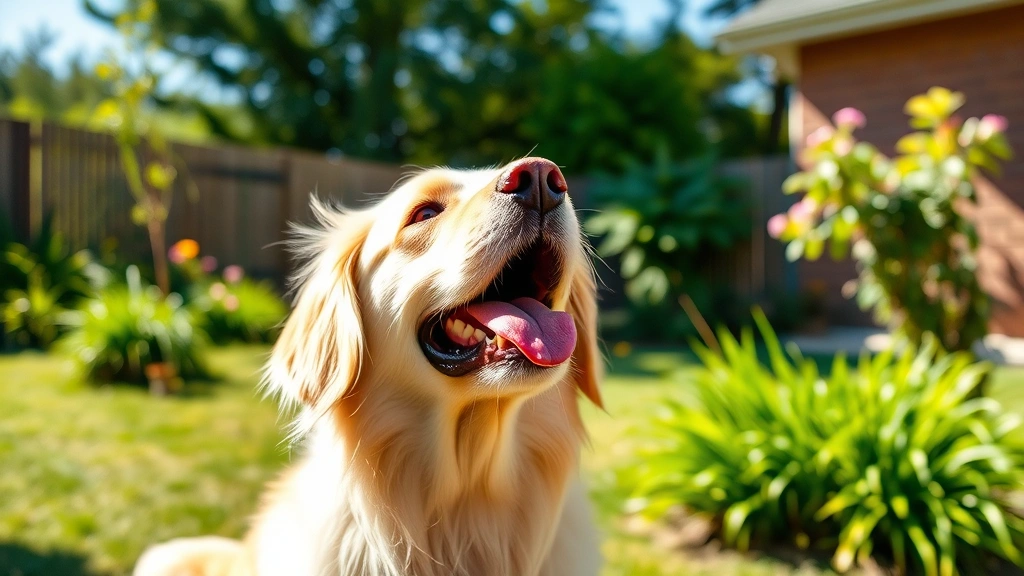
Why Does My Dog Lick the Air? Understanding the Behavior
If you’ve ever caught your furry friend standing in the middle of the room, tongue flicking out at seemingly nothing, you’re not alone. Air licking is one of those quirky dog behaviors that leaves pet parents scratching their heads and wondering, “What on earth is my pup doing?” The good news? This behavior is usually completely harmless and often has some pretty interesting explanations behind it.
Dogs communicate through a complex language of body signals, vocalizations, and yes—even air licking. While it might look silly or concerning at first glance, understanding why your dog licks the air can help you better understand your canine companion. Whether it’s a sign of contentment, a neurological thing, or just your dog being their quirky self, we’re here to break down everything you need to know about this peculiar habit.
In this comprehensive guide, we’ll explore the various reasons behind air licking, when it might be cause for concern, and how to respond if your pup seems to be doing it excessively. Let’s dive in!
Normal Reasons Your Dog Licks the Air
Most of the time, when your dog licks the air, it’s completely normal behavior that requires no intervention whatsoever. Dogs are naturally curious creatures who explore their world through their senses, and licking is one of their primary tools for investigation and communication.
Scent Detection and Exploration
One of the most common reasons dogs lick the air is to better capture and process scents. Dogs have an incredible sense of smell—about 10,000 to 100,000 times more sensitive than humans—and they use their tongues as part of their scent detection system. When your dog licks the air, they might be picking up on interesting smells you can’t even detect. That whiff of a neighbor’s cooking, a distant animal, or even changes in atmospheric pressure can trigger this behavior.
The roof of your dog’s mouth contains specialized sensory receptors that work in conjunction with their nose to create a comprehensive smell experience. By licking the air, your pup is essentially “tasting” the scents around them, gathering information about their environment.
Anticipation and Excitement
Does your dog lick the air right before mealtime? That’s probably anticipation! Many dogs engage in air licking when they’re expecting something good to happen. Whether it’s dinner time, a walk, or playtime, this behavior often indicates your dog is excited and eager. It’s similar to how humans might lick their lips in anticipation of a delicious meal.
Affection and Bonding
Sometimes, air licking is just your dog’s way of showing affection. If you notice your dog doing this while looking at you or near you, they might be expressing love and contentment. This is particularly common in dogs that enjoy licking their owners as a sign of affection, but sometimes they direct this behavior toward the air instead.
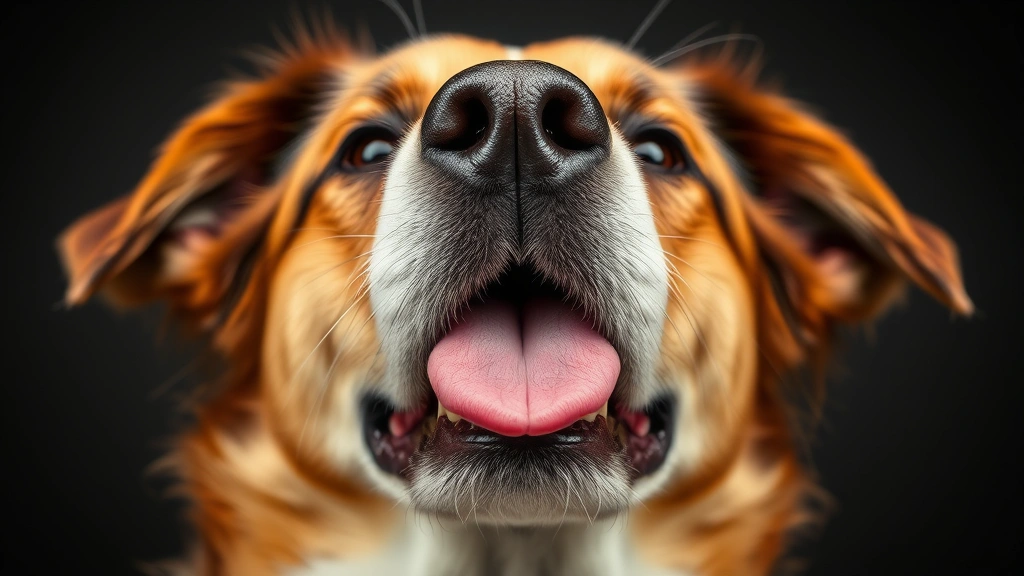
Sensory Factors and Environmental Triggers
Your dog’s environment plays a significant role in their licking behavior. Understanding these sensory triggers can help you recognize what your dog is responding to.
Weather and Atmospheric Changes
Have you noticed your dog licking the air more frequently before a storm? This isn’t a coincidence. Dogs can sense changes in barometric pressure, humidity, and atmospheric composition. These environmental shifts trigger their sensory systems, and air licking is one way they process these changes. Some dogs are particularly sensitive to these fluctuations and might engage in more frequent air licking during certain weather patterns.
Food-Related Triggers
If someone in your household is cooking, your dog’s nose is working overtime. The aroma of food particles and volatile compounds floating through the air can trigger enthusiastic air licking. Your dog isn’t being rude—they’re just experiencing the sensory equivalent of seeing a billboard advertisement for their favorite restaurant!
Seasonal Changes
Spring and fall often bring increased air licking in dogs. During these seasons, pollen counts rise, and various scents become more prevalent. Your dog might be licking the air more frequently simply because there’s more interesting stuff to smell. Additionally, seasonal changes can affect your dog’s mood and energy levels, influencing their overall behavior patterns.
Medical Concerns and When to Worry
While most air licking is harmless, there are some medical situations where this behavior warrants veterinary attention. It’s important to distinguish between normal quirky behavior and potential health issues.
Neurological Issues
In some cases, excessive air licking can be associated with neurological problems. Conditions affecting the brain or nervous system might manifest as repetitive licking behaviors. If your dog’s air licking seems compulsive, uncontrollable, or accompanied by other unusual behaviors, it’s time to contact your veterinarian. According to the American Kennel Club, any sudden changes in your dog’s behavior should be evaluated by a professional.
Seizure Activity
Occasionally, air licking can be a precursor to seizures or part of a seizure episode itself. If your dog engages in frenzied air licking followed by other symptoms like confusion, loss of consciousness, or muscle rigidity, they might be experiencing seizure activity. Learn more about whether dogs can have seizures and what to watch for. This is definitely something to discuss with your vet immediately.
Gastrointestinal Issues
Dogs experiencing nausea or digestive discomfort sometimes lick the air more frequently. This behavior might indicate your dog’s stomach is upset or they’re experiencing reflux. If air licking is accompanied by vomiting, diarrhea, loss of appetite, or other digestive symptoms, contact your veterinarian. The ASPCA recommends monitoring your dog’s overall health patterns to catch potential issues early.
Oral or Dental Problems
Sometimes dogs with mouth pain, dental disease, or oral injuries lick the air more frequently. They might be trying to soothe discomfort or manage pain in their mouth. If your dog’s air licking is accompanied by bad breath, drooling, difficulty eating, or visible mouth abnormalities, a dental check-up is in order.
Respiratory Issues
In rare cases, dogs with breathing problems or respiratory infections might engage in more frequent air licking. If you notice excessive panting or labored breathing along with air licking, these could indicate a respiratory issue requiring veterinary attention.
Behavioral Issues and Anxiety
Beyond medical concerns, behavioral and psychological factors can influence air licking frequency.
Anxiety and Stress
Dogs experiencing anxiety or stress sometimes engage in repetitive behaviors as a coping mechanism. Air licking can be a self-soothing behavior, similar to how humans might bite their nails when nervous. If your dog licks the air more frequently during stressful situations—like thunderstorms, fireworks, or when you’re leaving the house—anxiety might be the culprit.
Compulsive Behavior
Some dogs develop compulsive licking habits, which can include air licking. This is more common in certain breeds and can be triggered by boredom, lack of exercise, or underlying anxiety. If your dog’s air licking seems obsessive and interferes with their normal activities, discussing behavioral modification strategies with your vet or a certified dog behaviorist is worthwhile.
Attention-Seeking
Let’s be honest—sometimes dogs figure out that certain behaviors get our attention. If you’ve laughed or reacted strongly to your dog’s air licking in the past, they might repeat it to engage you. Dogs are smart cookies and know how to work their humans!
Breed Tendencies and Individual Quirks
Some dog breeds are more prone to air licking than others, and individual personality plays a huge role too.
Scent Hounds and Hunting Breeds
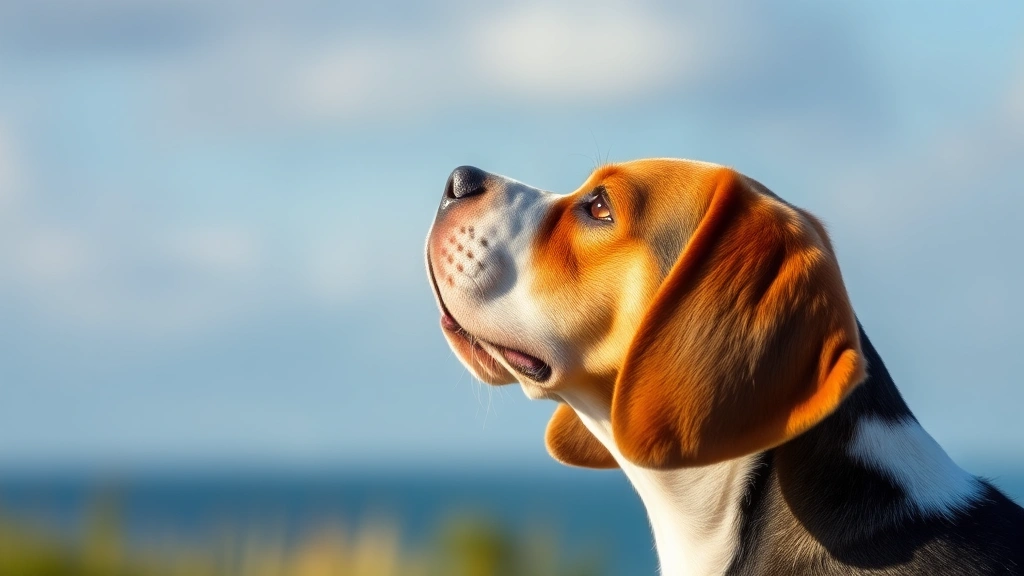
Breeds originally developed for hunting and tracking—like Beagles, Bloodhounds, and Pointers—tend to engage in more air licking simply because they have such powerful scent detection abilities. Their heightened olfactory senses mean they’re constantly processing environmental scents, and air licking is part of that process.
Anxious or Sensitive Breeds
Some breeds are genetically predisposed to anxiety and nervousness. These dogs might engage in more frequent air licking as a stress-management behavior. Breeds like Chihuahuas, Italian Greyhounds, and some toy breeds sometimes fall into this category, though individual temperament varies greatly.
Personal Quirks and Habits
Just like humans, dogs have individual personalities and habits. Some dogs are simply more licky than others, and that’s perfectly normal. Your dog might be licking everything including the air as part of their natural exploratory personality.
What to Do If Your Dog Licks the Air Excessively
Monitor and Document
If you’re concerned about your dog’s air licking, start by keeping detailed observations. Note when the behavior occurs, how frequently it happens, what triggers it, and what your dog is doing before and after. This information will be invaluable when discussing the behavior with your veterinarian. Look for patterns—does it happen at specific times, in particular locations, or in response to certain stimuli?
Rule Out Medical Issues
Schedule a veterinary check-up to ensure there are no underlying health problems. Your vet can perform a physical examination, review your dog’s health history, and potentially run diagnostic tests if necessary. According to VCA Animal Hospitals, behavioral changes warrant professional evaluation to rule out medical causes.
Provide Environmental Enrichment
Ensure your dog gets adequate physical exercise and mental stimulation. Boredom can exacerbate repetitive behaviors. Daily walks, playtime, puzzle toys, and training sessions can help keep your dog’s mind and body engaged, potentially reducing excessive air licking.
Manage Stress and Anxiety
If anxiety seems to be driving the behavior, work on stress management. This might include creating a safe space during stressful events, using calming supplements, practicing desensitization techniques, or consulting with a certified dog behaviorist. Some dogs benefit from anxiety medication prescribed by their veterinarian.
Don’t Reinforce the Behavior Unintentionally
If your dog is air licking for attention, avoid rewarding the behavior with excessive attention or treats. Instead, redirect their focus to appropriate activities and reward those instead. This helps break the attention-seeking cycle.
Consider Your Dog’s Licking Patterns
If your dog engages in frequent licking across multiple contexts, consider exploring our comprehensive guide on why dogs lick their paws and other surfaces. Understanding your dog’s overall licking tendencies can provide valuable insights into their health and behavior.
Frequently Asked Questions
Is it normal for dogs to lick the air?
Yes, air licking is a completely normal behavior in dogs. Most of the time, it’s harmless and simply reflects your dog’s natural curiosity, scent detection abilities, or emotional state. However, if the behavior becomes excessive or is accompanied by other concerning symptoms, it’s worth discussing with your veterinarian.
Could air licking be a sign of a seizure?
In rare cases, yes. While most air licking is benign, it can occasionally be associated with seizure activity or other neurological conditions. If the air licking appears compulsive, frenzied, or is accompanied by other unusual symptoms like confusion or loss of consciousness, seek veterinary care immediately.
What’s the difference between normal air licking and compulsive air licking?
Normal air licking is occasional, context-appropriate, and doesn’t interfere with your dog’s daily activities. Compulsive air licking happens frequently, seems uncontrollable, and might prevent your dog from engaging in normal behaviors. Compulsive air licking warrants veterinary evaluation.
Does air licking indicate that my dog is anxious?
Air licking can be a sign of anxiety, especially if it occurs during stressful situations or is accompanied by other anxiety symptoms like panting, pacing, or trembling. However, not all air licking is anxiety-related. Consider the context and your dog’s overall behavior pattern.
Should I be worried if my dog licks the air before storms?
Not necessarily. Many dogs lick the air more frequently before storms because they can sense atmospheric pressure changes. This is a natural response to environmental shifts and typically isn’t cause for concern unless your dog shows other signs of distress.
Can air licking indicate a digestive problem?
Yes, it can. Dogs experiencing nausea, reflux, or other gastrointestinal issues sometimes lick the air more frequently. If air licking is accompanied by vomiting, diarrhea, loss of appetite, or other digestive symptoms, contact your veterinarian.
How can I tell if my dog’s air licking is a health concern versus normal behavior?
Consider the frequency, context, and accompanying symptoms. Normal air licking is occasional and doesn’t interfere with your dog’s life. If the behavior is excessive, seems compulsive, or is paired with other unusual symptoms like behavioral changes, appetite loss, or physical symptoms, consult your veterinarian.
Is there a specific breed that licks the air more than others?
Scent hounds and hunting breeds tend to engage in more air licking due to their heightened olfactory abilities. However, individual personality matters more than breed, and any dog might engage in occasional air licking regardless of their breed.





