

Why Does My Dog Nibble on Me? A Complete Guide to Understanding Your Pup’s Behavior
If you’ve ever wondered why does my dog nibble on me, you’re not alone. That gentle gnawing on your hands, arms, or fingers is one of the most common behaviors dog owners experience, and it can mean several different things depending on the context. From playful affection to anxiety relief, dog nibbling is a fascinating window into your furry friend’s emotional world and communication style.
The truth is, there’s rarely anything sinister about a nibbling dog. In fact, most of the time it’s a sign that your pup adores you and feels comfortable expressing themselves around you. However, understanding the why behind the behavior can help you respond appropriately and strengthen your bond even further. Let’s dig into this adorable (and sometimes slightly annoying) habit and decode what your dog is really trying to tell you.
Whether your dog is a gentle nibbler or an enthusiastic chomper, this guide will help you understand the motivations behind this behavior and give you practical strategies for managing it effectively.
Affection and Bonding: The Love Nibble
One of the most heartwarming reasons your dog nibbles on you is simply because they love you. When dogs engage in gentle nibbling, they’re often expressing deep affection and trust. This behavior is rooted in their evolutionary history—mother dogs gently nibble their puppies as part of grooming and bonding, and adult dogs carry this behavior forward into their social relationships throughout their lives.
If you’ve noticed that your dog licks you, nibbling is often just a variation on that same theme. The soft, gentle gnawing is your dog’s way of saying “I care about you” and reinforcing your bond. Dogs who nibble their owners are typically secure, well-socialized pups who view you as part of their pack and want to show you affection in their own unique way.
This type of nibbling is usually non-aggressive and doesn’t leave marks or cause discomfort. Your dog will likely be relaxed, with soft eyes and a wagging tail. They might do it while sitting on your lap, cuddling next to you on the couch, or during your regular petting sessions. It’s their way of reciprocating the love and attention you give them.
Playfulness and Excitement
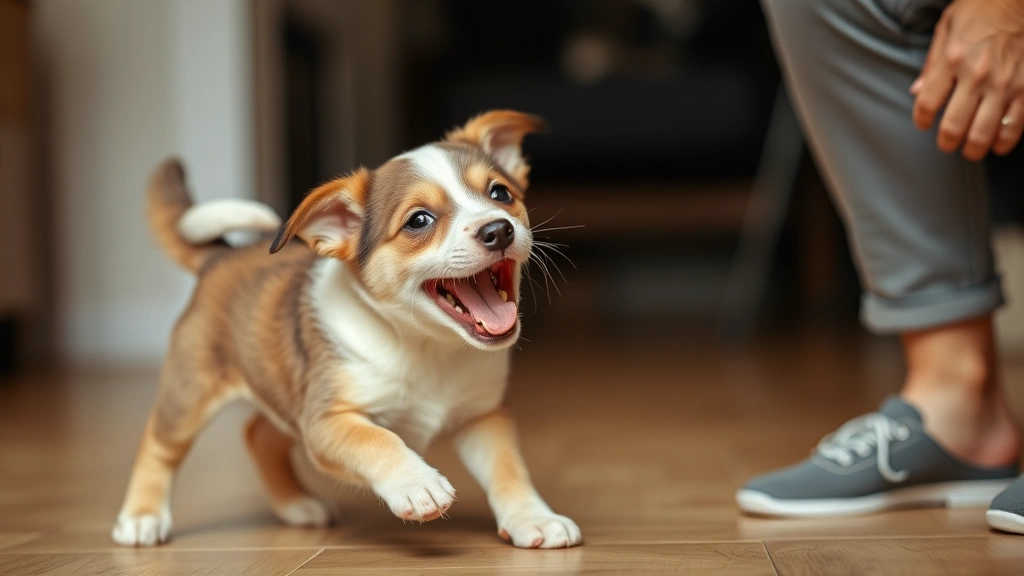
Dogs are naturally playful creatures, and nibbling is often just part of their play repertoire. When your dog is excited to see you, wants to engage in a game, or is feeling particularly energetic, they might express this enthusiasm through gentle nibbling. This is especially common in younger dogs and breeds with higher energy levels.
During playtime, nibbling serves as a way for dogs to interact with you while they’re in a fun, excited state of mind. It’s their version of playful wrestling—something they’d do with littermates or other dogs at the dog park. If your pup is nibbling while jumping around, play bowing, or engaging in other playful behaviors, they’re likely just trying to involve you in the fun.
The key difference between playful nibbling and other types is the overall body language. A playful dog will have loose, bouncy movements, a relaxed mouth, and an engaged expression. They’re not trying to cause harm; they’re trying to invite you into their joy and excitement. Understanding that dogs show affection through physical interaction helps us appreciate these playful moments for what they are: invitations to bond and have fun together.
Teething in Puppies: A Developmental Phase
If you have a puppy, excessive nibbling might be due to teething. Puppies begin losing their baby teeth around three to four months of age, and this process can be uncomfortable and itchy. Nibbling on your hands, fingers, and arms helps relieve the discomfort and pressure in their gums as their adult teeth come in.
During this phase, which typically lasts until six months of age, puppies need appropriate outlets for their chewing urges. Providing them with teething toys, frozen washcloths, or specially designed teething rings can help redirect this behavior while keeping your hands and arms intact. The American Kennel Club recommends offering a variety of textures and temperatures to help soothe sore gums.
Puppy nibbling during teething is usually more intense and frequent than affectionate nibbling in adult dogs. If your puppy is constantly gnawing on everything in sight, you’re likely dealing with a teething issue. This is a completely normal developmental phase, and with patience and proper management, it will pass. Just remember that redirecting to appropriate chew toys is far more effective than punishment.
Anxiety and Stress Relief
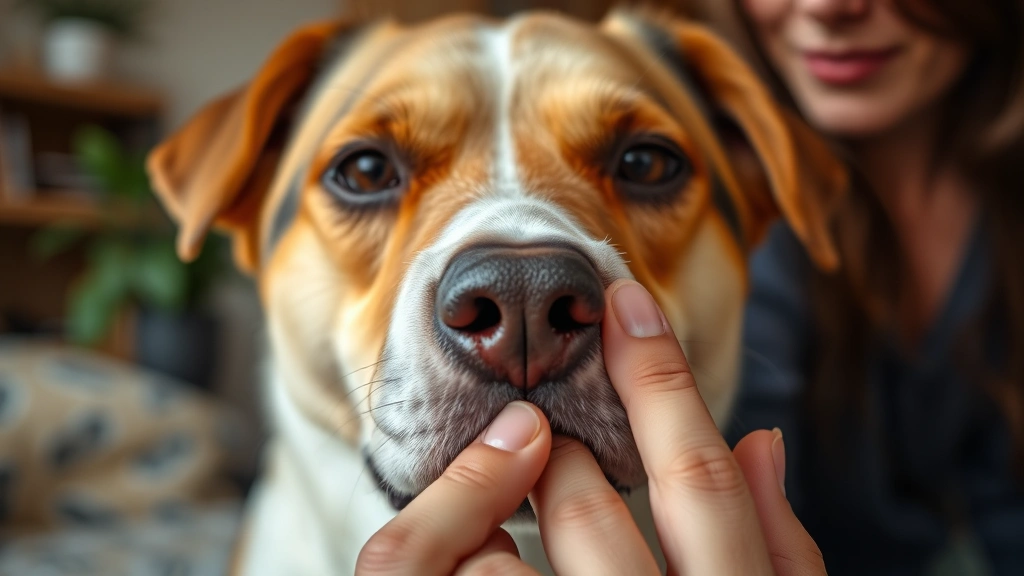
Sometimes, nibbling can be a self-soothing behavior that helps dogs manage anxiety or stress. Just as humans might bite their nails or fidget when nervous, dogs might nibble on their owners or themselves as a coping mechanism. This type of nibbling is often rhythmic and repetitive, and the dog might seem less engaged or present than they would during playful or affectionate nibbling.
If your dog nibbles on you when you’re about to leave the house, during thunderstorms, or in other stressful situations, anxiety might be the culprit. Some dogs also engage in excessive licking or paw licking as part of their anxiety response, and nibbling can be part of this same stress-management pattern.
To help an anxious dog, focus on identifying and reducing stressors when possible. Creating a safe, calm space, maintaining a consistent routine, and consulting with a veterinary behaviorist can all help address underlying anxiety. In some cases, calming supplements or prescribed medications might be appropriate—always discuss this with your veterinarian first.
Attention-Seeking Behavior
Dogs are smart cookies, and they quickly learn what gets your attention. If your dog has discovered that nibbling on you reliably gets a reaction—whether that’s petting, talking, or playing—they’ll likely repeat the behavior. This is especially true if they’re not getting enough mental or physical stimulation throughout the day.
Attention-seeking nibbling is a sign that your dog wants more interaction and engagement with you. Rather than viewing this as a problem behavior, consider it feedback about your dog’s needs. Does your pup need more playtime? More walks? More training sessions or puzzle toys? Addressing the underlying need for attention often resolves the nibbling issue naturally.
The best approach is to ensure your dog gets adequate exercise and mental stimulation daily, and to be intentional about when you reward nibbling with attention. If your dog nibbles and you respond enthusiastically, you’re reinforcing the behavior. Instead, try redirecting to appropriate activities and rewarding calm behavior instead.
Medical Issues and Skin Conditions
While most nibbling is behavioral, it’s important to rule out medical causes, especially if the behavior is new or excessive. Dogs with allergies, parasites, dry skin, or other dermatological conditions might nibble as a way to scratch an itch. Similarly, if your dog is licking your hands excessively, they might be seeking comfort for physical discomfort.
According to the ASPCA, common dog skin problems include allergies, parasites, and infections. If your dog’s nibbling is accompanied by hair loss, redness, excessive scratching, or other signs of skin irritation, a veterinary visit is warranted. Your vet can conduct a thorough examination and recommend appropriate treatment.
Additionally, some medical conditions like pain, neurological issues, or cognitive dysfunction in senior dogs can manifest as unusual nibbling behavior. If your dog’s nibbling seems compulsive, obsessive, or is a sudden change in behavior, definitely consult your veterinarian to rule out underlying health issues.
How to Manage Excessive Nibbling
Now that we’ve explored the various reasons why does my dog nibble on me, let’s talk about practical management strategies. If the nibbling is excessive, uncomfortable, or unwanted, there are several evidence-based approaches you can try.
Redirect to Appropriate Toys
One of the most effective strategies is redirecting the nibbling behavior to appropriate chew toys. Keep several engaging toys nearby and, when your dog starts nibbling on you, immediately redirect them to a toy. Praise and reward them enthusiastically when they engage with the toy instead of your skin. This teaches them that toys are the appropriate outlet for their nibbling urges.
Use the “Trade” Command
Teaching your dog to “trade” is incredibly useful. When they nibble on your hand, offer them a treat or toy in exchange. This teaches them that they can get something even better by stopping the nibbling behavior. Over time, this becomes a reliable way to redirect without creating a negative association with the behavior.
Provide Adequate Exercise and Stimulation
Many behavioral issues, including excessive nibbling, improve dramatically with adequate physical exercise and mental stimulation. Ensure your dog is getting enough walks, playtime, and training sessions. Mental enrichment through puzzle toys, training games, and interactive play can be just as important as physical exercise in tiring out your pup.
Practice Positive Reinforcement
Reward calm behavior consistently. When your dog is relaxing near you without nibbling, offer praise, treats, or gentle petting. This reinforces the idea that calm behavior gets positive attention, which is often more rewarding than the attention that comes from nibbling.
Establish Boundaries Gently
If the nibbling is uncomfortable or you want to reduce it, you can establish gentle boundaries. When your dog nibbles, you might yelp softly (mimicking how puppies communicate during play), remove your hand, and redirect to a toy. This mimics natural canine communication and helps them understand that biting people during play isn’t acceptable.
Avoid Punishment
Punishing your dog for nibbling is counterproductive and can damage your relationship. Punishment doesn’t teach them what you want them to do; it only creates fear and anxiety. Positive reinforcement and redirection are far more effective and humane approaches.
Consider Professional Help
If the nibbling is truly excessive, compulsive, or accompanied by other concerning behaviors, consulting with a certified professional dog trainer or veterinary behaviorist is worthwhile. They can assess your specific situation and create a customized management plan.
Remember that understanding how your dog shows love and affection is key to appreciating their unique personality. What might seem like annoying nibbling is often your dog’s way of expressing deep attachment and trust.
Frequently Asked Questions
Is it normal for dogs to nibble on their owners?
Yes, absolutely. Nibbling is a completely normal canine behavior that can indicate affection, playfulness, teething (in puppies), or excitement. Most dog owners experience this behavior at some point. It’s only concerning if it becomes excessive, painful, or is accompanied by signs of aggression.
How can I tell if my dog’s nibbling is playful or aggressive?
Playful and affectionate nibbling typically occurs in a relaxed context with soft body language, wagging tail, and gentle pressure. Aggressive nibbling, by contrast, is usually accompanied by stiff body posture, growling, raised hackles, or intense pressure that breaks the skin. If you’re ever concerned about aggression, consult with a professional dog trainer or behaviorist.
Should I be worried if my adult dog suddenly starts nibbling excessively?
A sudden change in behavior warrants attention. It could indicate stress, anxiety, a medical issue, or a change in your dog’s environment. If your dog suddenly starts excessive nibbling, schedule a veterinary checkup to rule out health issues, and observe any recent changes in their life that might be causing stress.
What’s the best way to stop my dog from nibbling?
The most effective approach is redirection combined with positive reinforcement. Redirect nibbling to appropriate toys, reward calm behavior, ensure adequate exercise and mental stimulation, and avoid punishment. Consistency is key—everyone in your household should respond to nibbling the same way.
Is there a difference between nibbling and biting?
Yes. Nibbling involves gentle, repeated small contact with the teeth, while biting involves more forceful contact and pressure. Nibbling is typically affectionate or playful, while biting can indicate aggression or fear. Understanding this distinction helps you respond appropriately to your dog’s behavior.
Can teething puppies be trained not to nibble?
Teething is a developmental phase, so you can’t completely prevent it, but you can redirect it effectively. Provide appropriate teething toys, offer frozen washcloths, and redirect nibbling away from your hands and toward suitable outlets. Punishment is ineffective and unnecessary—the phase will pass naturally.
What if my dog nibbles on me but not other people?
This typically indicates a strong bond and comfort level with you specifically. Your dog feels safe and affectionate with you. While flattering, if you want to reduce the behavior, consistent redirection and boundary-setting will help your dog understand your preferences.





