
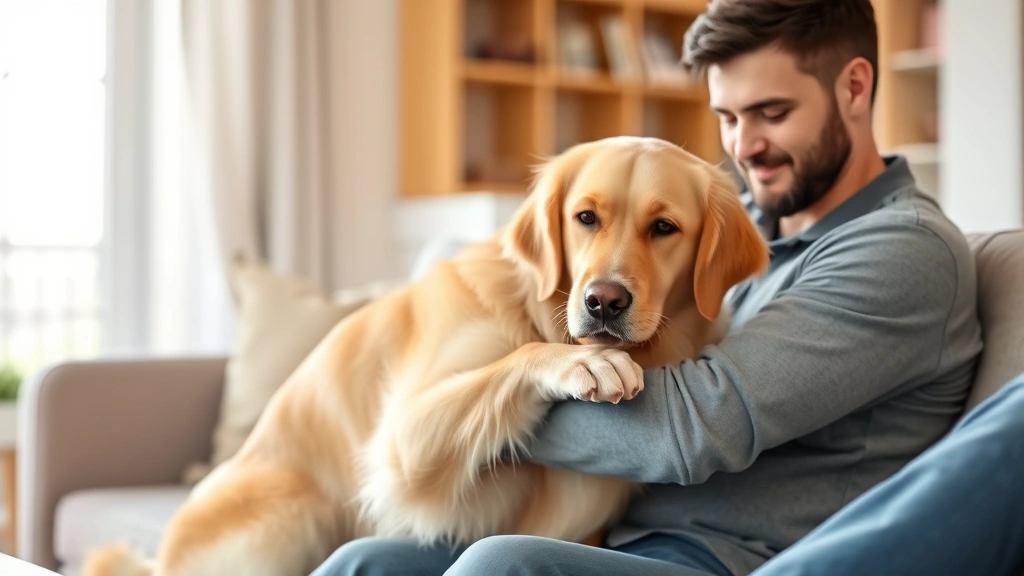
Why Does My Dog Put His Paw on Me? Explained
If you’re a dog owner, you’ve probably experienced that gentle (or sometimes not-so-gentle) tap of a paw on your lap, arm, or leg. It’s one of those adorable canine behaviors that makes us melt, but have you ever wondered what your furry friend is actually trying to communicate? That paw placement isn’t random—it’s a form of communication packed with meaning, emotion, and intent. Understanding this behavior can deepen your bond with your pup and help you respond to their needs more effectively.
Dogs are incredibly expressive creatures, and while they can’t speak our language, they’ve developed sophisticated ways to interact with us. The paw-on-you gesture is one of the most common and endearing signals in a dog’s behavioral repertoire. Whether your dog is seeking attention, showing affection, or asking for something specific, that little paw tap is their way of saying something important. In this comprehensive guide, we’ll explore the various reasons behind this behavior and what it means for your relationship with your canine companion.
By the end of this article, you’ll understand not just the “why” behind your dog’s paw-placing habits, but also how to interpret different contexts and respond appropriately. Let’s dive into the fascinating world of dog communication and uncover the secrets behind one of their most charming behaviors.
The Science Behind the Paw Gesture
Dogs didn’t just randomly develop the habit of putting their paws on humans. This behavior has deep evolutionary and neurological roots that scientists have been studying for years. When your dog places a paw on you, they’re engaging in what behaviorists call “solicitation behavior,” which is essentially a learned communication technique that works because it gets results.
Research from various canine behavior studies has shown that dogs are remarkably adept at reading human responses and modifying their behavior accordingly. A study published in the journal Animal Cognition found that dogs learn which behaviors elicit positive responses from their owners and repeat those behaviors more frequently. The paw placement is particularly effective because it’s gentle enough not to be annoying, yet noticeable enough to get our attention. It’s like your dog has figured out the perfect way to say “hey, look at me” without being aggressive or overly demanding.
The neurological aspect is equally fascinating. When dogs engage in affectionate behaviors like pawing, their brains release oxytocin—the same bonding hormone that humans experience when we’re with loved ones. This creates a positive feedback loop: your dog puts their paw on you, you respond with affection, both of your brains release oxytocin, and your bond strengthens. It’s a beautiful example of how evolution has wired dogs to be our perfect companions.
Understanding that this behavior is rooted in both learned communication and biological reward systems helps us appreciate just how sophisticated our dogs really are. They’re not just randomly touching us; they’re engaging in a calculated social strategy that has been refined through generations of living alongside humans.
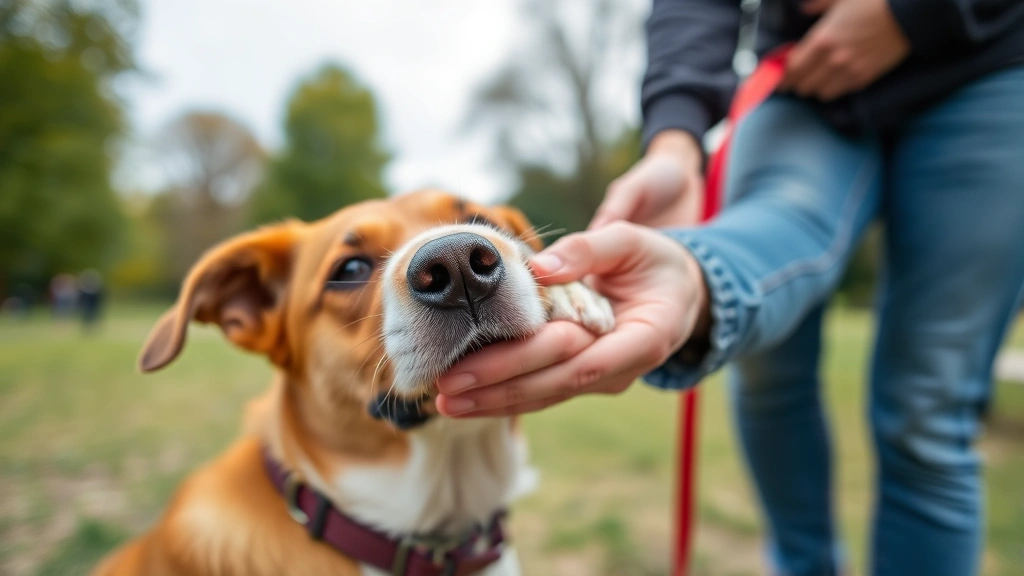
Seeking Attention and Affection
One of the most common reasons your dog puts a paw on you is simply because they want your attention. Dogs are social animals, and they crave interaction with their pack members—that’s you and your family. When your pup places a paw on your arm while you’re working on your laptop or watching television, they’re essentially saying, “Hey, I’m here, and I’d love some interaction.”
This attention-seeking behavior often intensifies when your dog notices you’ve been focused on something other than them for an extended period. It’s their way of gently redirecting your focus back to them. Unlike some behaviors that might be considered rude or demanding, the paw placement is remarkably polite. Your dog could jump on you, bark persistently, or engage in destructive behavior, but instead, they’ve chosen a soft, non-threatening way to get your attention.
The affection aspect is equally important. Many dogs use paw placement as a gesture of love and bonding. When your dog rests their paw on your lap or leg while sitting beside you, they might simply be expressing contentment and a desire to be close to you. This is particularly common in dogs that have strong attachment bonds with their owners. If you’ve ever wondered whether your dog knows you love him, behaviors like paw placement are a clear indicator of that mutual affection and connection.
The key to distinguishing attention-seeking from other motivations is context. If your dog places their paw on you when you’re actively ignoring them or when they haven’t had recent interaction, it’s almost certainly an attention-seeking behavior. Respond by giving them the interaction they’re requesting—whether that’s a few minutes of play, a walk, or simply some quality petting time.
Asking for Something Specific
Beyond general attention, dogs often use paw placement as a way to request something specific. This could be food, a walk, access to a toy, or pretty much anything else in their doggy world that they want. The paw placement in these contexts is often more insistent and persistent than the gentle affection-seeking paw tap.
If your dog puts their paw on you and then immediately looks toward the door, they’re asking for a walk. If they paw at you and then glance at their empty food bowl, they’re reminding you it’s dinner time. Dogs are incredibly good at combining body language signals to communicate their needs. They’ve learned that humans respond better to this multi-signal approach than to any single behavior.
This is where your dog’s intelligence really shines. They’re not just randomly pawing at you; they’re engaging in what’s called “intentional communication,” which requires cognitive understanding that you can fulfill their needs. Your dog has to understand that you control access to these things and that getting your attention is the first step to getting what they want. It’s a sophisticated chain of reasoning that demonstrates just how smart our canine companions really are.
When your dog uses pawing to request something, it’s important to recognize what they’re asking for. If they’re asking for a walk and it’s been a while since their last outing, responding positively reinforces this communication style. If they’re asking for food and it’s not mealtime, you might want to offer an alternative, like playtime or a puzzle toy. This kind of responsive interaction actually strengthens your bond and teaches your dog that communication with you is effective and rewarding.
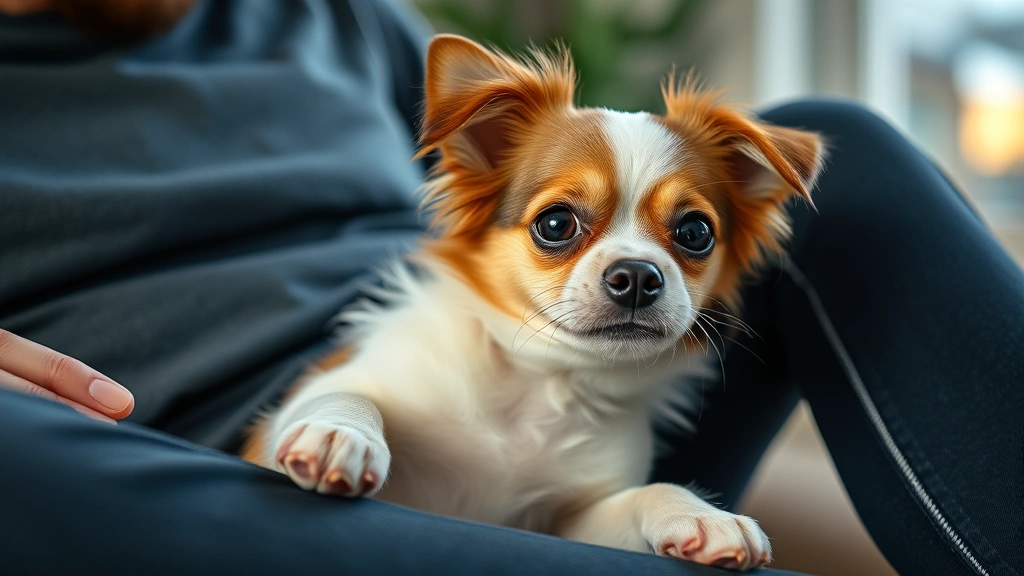
Showing Dominance or Anxiety
While most paw placement is friendly and affectionate, context matters significantly. In some cases, a dog placing their paw on you can indicate other emotional states, including dominance-related behaviors or anxiety. Understanding these nuances is crucial for responding appropriately to your dog’s needs.
Dominance-related pawing typically occurs in specific contexts and is often accompanied by other body language signals. If your dog places their paw on you while stiffening their body, making direct eye contact, or displaying other assertive postures, they might be trying to establish dominance or control. This is less common than affectionate pawing, but it’s important to recognize. In these cases, it’s generally better to calmly redirect the behavior rather than rewarding it with attention or play.
On the other end of the spectrum, anxiety-related pawing can occur when your dog is stressed, fearful, or unsure about a situation. An anxious dog might repeatedly paw at you, seeking reassurance and comfort. This type of pawing is often accompanied by whining, panting, or attempts to climb into your lap. Unlike attention-seeking pawing, anxiety-related pawing often feels more urgent and frantic. If you suspect your dog is pawing due to anxiety, providing calm reassurance and identifying the source of their stress is important.
The distinction between these different types of pawing comes down to context and accompanying body language. A relaxed dog with soft eyes and a wagging tail is seeking affection. A stiff dog with tense muscles and direct staring might be showing dominance. A trembling, whining dog might be expressing anxiety. By learning to read these signals, you become better equipped to respond to your dog’s actual emotional needs rather than just the surface behavior.
The Role of Breed and Individual Personality
It’s worth noting that the frequency and style of paw placement can vary significantly based on breed and individual personality. Some dog breeds are naturally more tactile and affectionate than others, and these tendencies can influence how often they use pawing as a communication method.
Breeds that were historically bred for close human companionship, like Cavalier King Charles Spaniels and Golden Retrievers, tend to be more prone to paw placement and other affectionate physical contact. Working breeds like Border Collies might use pawing more as a way to direct your attention toward tasks or activities. Independent breeds might rarely use this behavior at all.
Beyond breed tendencies, individual personality plays an enormous role. Some dogs are naturally more physically affectionate than others, and this personality trait often manifests in frequent paw placement. A dog with an outgoing, social personality is more likely to seek physical contact through pawing than a more reserved or aloof dog. Similarly, dogs that have been socialized well and have had positive interactions with humans throughout their lives tend to use pawing as a communication tool more frequently.
Your dog’s age also influences this behavior. Puppies often paw more frequently as they’re learning to interact with their environment and the humans in it. As dogs mature, their communication style often becomes more refined and less frequent unless they’ve learned that pawing consistently gets them what they want. Senior dogs might paw less frequently due to arthritis or other age-related issues, but when they do, it often carries extra significance—they’re putting in the effort because they really want something.
How to Respond to Your Dog’s Pawing
Now that you understand why your dog puts their paw on you, the question becomes: how should you respond? The answer depends on the context and what your dog is trying to communicate, but there are some general guidelines that apply in most situations.
For attention-seeking pawing, respond with the interaction your dog is requesting. This could be as simple as a few minutes of petting, a quick play session, or a walk around the block. The key is to respond promptly and positively. When you reward attention-seeking pawing with the attention your dog craves, you’re reinforcing that this is an effective communication method. This is actually desirable because you’re encouraging your dog to use polite, gentle communication rather than more disruptive behaviors.
If your dog is pawing to request something specific, first determine what they’re asking for. Once you’ve identified the request, decide whether it’s appropriate to fulfill it. If your dog paws at you for a walk and it’s been hours since their last outing, absolutely take them for a walk. If they’re pawing for a treat and it’s not a scheduled treat time, you might offer an alternative like playtime or a puzzle toy. This teaches your dog that pawing works for communication, but not for every request.
When responding to anxiety-related pawing, calm reassurance is key. Don’t reward the anxiety by going overboard with comfort, but do provide a sense of safety and security. Identify what’s causing the anxiety and work to address it. If your dog is anxious about thunderstorms, for example, you might create a safe space where they can retreat. Understanding what activities help your dog feel comfortable can be invaluable in managing anxiety-related behaviors.
It’s important to establish consistent boundaries around pawing behavior. If you don’t want your dog pawing at you on the couch, for instance, you need to be consistent about redirecting this behavior every single time. Inconsistency teaches your dog that pawing sometimes works and sometimes doesn’t, which can actually increase the frequency of the behavior as they try harder to figure out the rules.
Consider how pawing relates to bonding with your dog. Many instances of pawing are opportunities to strengthen your relationship. When your dog gently paws at you and you respond with affection and attention, you’re reinforcing a positive communication channel between you and your pet. This mutual understanding and responsiveness is at the heart of a strong human-dog bond.
If you’re interested in understanding other ways your dog communicates affection, exploring behaviors like why your dog licks you and why they lick your hands specifically can provide additional insights into your pup’s emotional world. Additionally, learning why dogs enjoy being petted helps you understand the full spectrum of physical affection in the dog world.
According to the American Kennel Club’s expert advice section, understanding canine body language and communication is essential for responsible dog ownership. The ASPCA also provides comprehensive guidance on dog behavior and care, emphasizing that pawing is a normal and healthy form of canine communication.
If you’re dealing with excessive pawing or if the behavior seems problematic, consulting with a certified professional dog trainer or veterinary behaviorist can be incredibly helpful. They can assess your specific situation and provide tailored advice for managing the behavior. Research published in peer-reviewed journals on canine behavior consistently shows that positive reinforcement and understanding of canine communication leads to better outcomes than punishment-based approaches.
Frequently Asked Questions
Is it bad if my dog puts their paw on me?
Not at all! Paw placement is a normal, healthy form of canine communication. It’s actually preferable to more disruptive behaviors like jumping or barking. The only time it might be problematic is if it’s excessive, aggressive, or part of a pattern of dominance-related behavior. In most cases, it’s simply your dog’s polite way of interacting with you.
What does it mean when my dog puts their paw on my face?
When a dog places their paw on your face, it’s often a sign of affection and a desire for close contact. Dogs that do this are typically very bonded to their owners and comfortable being intimate with them. However, always ensure your dog isn’t doing this out of anxiety or as a dominance-related behavior by considering the context and other body language signals.
Why does my dog paw at me when I’m petting them?
This behavior often means your dog is enjoying the affection and wants more of it. They might also be trying to guide your hand to a specific spot they want petted or simply expressing contentment. Some dogs also paw while being petted as a way of reciprocating affection.
Should I ignore my dog’s pawing behavior?
It depends on the context. If your dog is pawing for attention and you’re busy, you might choose to ignore it initially and then reward the behavior with attention later when you have time. However, completely ignoring all pawing might lead to your dog developing more disruptive attention-seeking behaviors. A balanced approach—responding positively to appropriate pawing while redirecting excessive or inappropriate pawing—typically works best.
How can I tell if my dog’s pawing is a sign of a medical issue?
If your dog’s pawing behavior suddenly increases or changes significantly, it could indicate pain, discomfort, or a medical issue. Similarly, if your dog seems distressed while pawing or if the behavior is accompanied by other concerning symptoms, consult your veterinarian. They can rule out underlying health issues and provide appropriate treatment if needed.
Does pawing behavior mean my dog has anxiety?
Not necessarily. While anxiety can cause pawing, so can attention-seeking, affection, and requests for specific things. To determine if your dog’s pawing is anxiety-related, look for accompanying symptoms like trembling, whining, panting, or attempts to hide. If you suspect anxiety, consult with your veterinarian or a certified animal behaviorist for proper assessment and guidance.
Can I train my dog to paw on command?
Absolutely! Many dogs naturally paw, and this behavior can be shaped into a trained command. Using positive reinforcement, you can teach your dog to paw on cue, which can be a fun trick and a controlled way to direct this natural behavior. Many dog trainers incorporate paw-based tricks into their training programs.





