
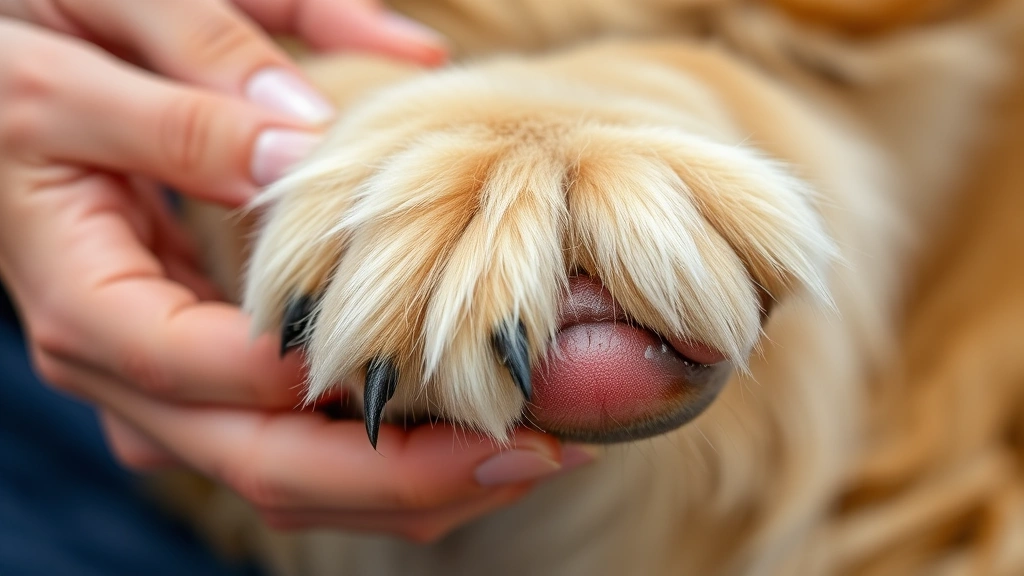
Why Is My Dog Chewing Her Paws? Causes and Solutions
If you’ve noticed your furry best friend constantly gnawing at her paws, you’re not alone—and honestly, it’s one of the most common concerns dog parents bring up. That persistent chewing behavior can range from an occasional nibble to an all-consuming habit that leaves your pup’s paws red, raw, and uncomfortable. But here’s the thing: paw chewing isn’t just a quirky habit. It’s your dog’s way of communicating that something’s not quite right, whether it’s physical discomfort, emotional stress, or an underlying health issue.
The good news? Understanding why your dog is chewing her paws is the first step toward helping her feel better. In this comprehensive guide, we’ll explore the most common culprits behind this behavior, help you identify which one might be affecting your pup, and share practical solutions that actually work. Whether it’s allergies, anxiety, infections, or something else entirely, we’ve got the answers you need to get your dog back to her happy, healthy self.
Let’s dive into this pawsome mystery and get to the bottom of what’s bothering your beloved companion.
Allergies: The Most Common Culprit
When it comes to paw chewing, allergies are often the prime suspect. Just like humans, dogs can develop allergies to food, environmental factors, or contact allergens. The difference is that while humans might get a runny nose or itchy eyes, dogs tend to show their allergic reactions through their skin—and the paws are a favorite target.
Food allergies are particularly notorious for causing paw chewing behavior. Common culprits include chicken, beef, wheat, corn, and soy. When your dog consumes an allergen, her immune system overreacts, leading to inflammation and intense itching. You’ll often notice that the chewing gets worse after meals or is consistent throughout the day if she’s eating the offending ingredient regularly.
Environmental allergies, sometimes called atopy, are equally problematic. Pollen, dust mites, mold spores, and grass can all trigger allergic responses in susceptible dogs. Interestingly, seasonal patterns often emerge with environmental allergies—you might notice your dog chewing more during spring and fall when pollen counts spike. The American Kennel Club provides detailed information about breed-specific allergy predispositions that might help you understand your dog’s situation better.
Contact allergies occur when your dog’s paws come into direct contact with irritating substances. This could be cleaning products you use on your floors, certain types of grass, or even the materials in her bedding. If the chewing is localized primarily to the paws and not other body parts, contact allergies deserve consideration.
The tricky part about allergies is that they’re often accompanied by secondary issues. Constant chewing can break the skin barrier, making your pup’s paws vulnerable to bacterial or yeast infections that compound the original problem.
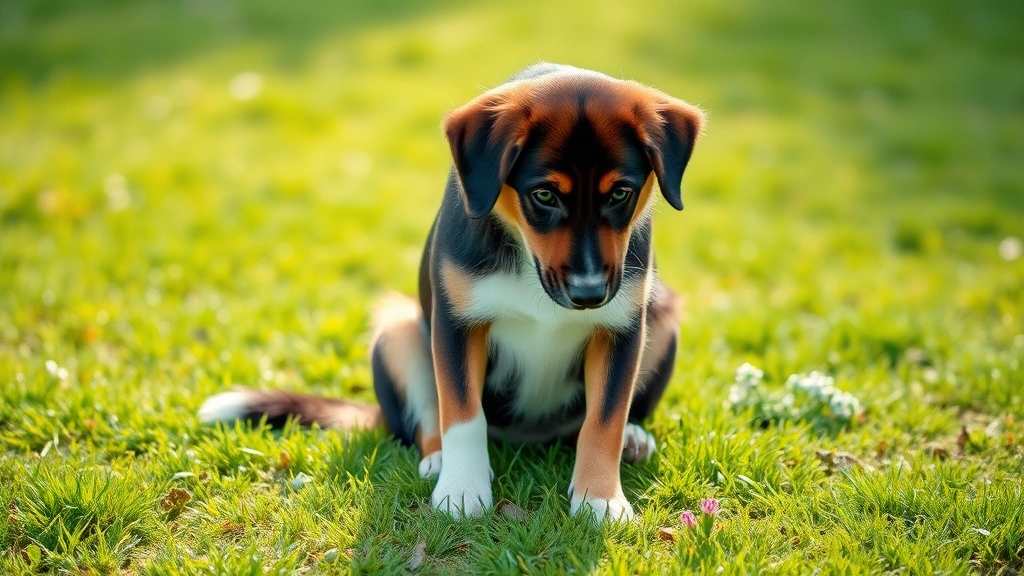
Infections and Parasites
Beyond allergies, infections represent another major reason your dog might be chewing her paws obsessively. Bacterial infections, yeast infections, and parasitic infestations can all cause intense itching that drives dogs to chew.
Yeast infections are surprisingly common on dog paws. The warm, moist environment between the toes creates a perfect breeding ground for yeast, especially if your dog spends time outdoors in damp conditions or if she has floppy ears that trap moisture. You’ll typically notice a distinctive musty odor and possibly some discoloration of the skin or fur. A dog with a yeast infection might also have chronic paw chewing issues that seem resistant to simple home treatments.
Bacterial infections can develop as a secondary problem when constant chewing breaks the skin. However, they can also occur independently, especially if your dog has a cut or wound on her paw. These infections often require antibiotic treatment from your veterinarian.
Parasites like fleas and mites are classic paw-chewing triggers. Even if you don’t see visible fleas, a single flea bite can cause intense itching in sensitive dogs. Mange mites, which burrow into the skin, create particularly unbearable itching sensations. The ASPCA offers comprehensive guidance on parasite prevention and treatment options that can help eliminate this problem at its source.
If you suspect an infection, look for signs like redness, swelling, discharge, or that distinctive yeasty smell. These warrant a veterinary visit to get the appropriate treatment started.
Anxiety and Stress-Related Chewing
Not all paw chewing is physical—sometimes it’s psychological. Dogs experiencing anxiety or stress often develop self-soothing behaviors, and paw chewing is one of the most common ones. This is similar to how humans might bite their nails when nervous.
Separation anxiety is a frequent culprit. If your dog only (or primarily) chews her paws when you leave the house, anxiety is likely playing a role. Other signs include destructive behavior, excessive barking, or accidents in the house. The chewing serves as a calming mechanism while your pup deals with the stress of your absence.
General anxiety can stem from various sources: loud noises, changes in routine, new environments, or even interactions with other pets. Some dogs are naturally more anxious than others, and certain breeds are predisposed to anxiety disorders. If your dog is also displaying other nervous behaviors like panting, pacing, or hiding, anxiety deserves serious consideration.
Boredom and under-stimulation can also manifest as paw chewing. Dogs need mental and physical exercise to stay balanced. When they don’t get enough activity, they might resort to self-directed behaviors like excessive paw chewing. This is particularly common in high-energy breeds that aren’t getting adequate outlet for their energy.
The challenge with anxiety-related chewing is that it can quickly become a habit, even after the original stressor is removed. Breaking the cycle requires patience, environmental management, and sometimes professional help.

Skin Conditions and Dermatitis
Beyond allergies and infections, several other skin conditions can trigger paw chewing. Contact dermatitis, seborrhea, and dry skin are all possibilities worth exploring.
Dry skin is particularly common in winter months or in dry climates. When your dog’s skin lacks adequate moisture, it becomes itchy and irritated. She’ll naturally try to relieve this discomfort by chewing. You might notice flaky skin, dull coat, or general irritation beyond just the paws.
Seborrhea is a condition where the skin produces too much oil, creating an ideal environment for bacterial and yeast growth. This leads to inflammation, itching, and the characteristic musty odor. Dogs with seborrhea often have oily or flaky skin and may chew more in certain seasons.
Autoimmune skin conditions, while less common, can also cause paw chewing. These require professional diagnosis and specialized treatment. If you suspect something more serious than simple allergies, your veterinarian can run specific tests to identify the underlying cause. Understanding what causes hot spots on dogs can also provide insight into secondary skin issues that develop from constant chewing.
Pain and Injury
Sometimes paw chewing is your dog’s way of addressing pain or discomfort. A thorn, splinter, or small cut might be causing localized pain that she’s trying to manage by chewing. More serious injuries like fractures, ligament damage, or arthritis can also trigger paw-chewing behavior.
Arthritis is particularly common in senior dogs. As joints deteriorate, dogs experience pain and stiffness, especially in the morning or after rest. Some dogs will chew their paws as a way to cope with this chronic discomfort. If your older dog has suddenly started chewing her paws more frequently, pain management should be discussed with your vet.
Nail issues can also be problematic. Overgrown nails, broken nails, or ingrown nails cause discomfort that drives chewing behavior. Regular nail maintenance is an often-overlooked preventative measure that can eliminate this particular cause.
If the paw chewing is localized to one paw and accompanied by limping, swelling, or reluctance to put weight on that paw, injury or pain is almost certainly the issue. This requires prompt veterinary attention to prevent complications.
Practical Solutions and Home Remedies
Once you’ve identified the likely cause of your dog’s paw chewing, it’s time to implement solutions. Here are practical strategies for different scenarios:
For Allergy-Related Chewing: Start by examining your dog’s diet. Consider switching to a limited-ingredient diet or novel protein formula to rule out food allergies. Many dog parents find that home remedies for stopping dogs from licking their paws include dietary adjustments combined with environmental controls. Omega-3 supplements can help reduce inflammation and support skin health. For environmental allergies, regular paw soaking in cool water can provide relief and wash away allergens. Some veterinarians recommend antihistamines or prescription anti-itch medications for severe cases.
For Infections: Yeast infections often respond well to topical treatments like medicated shampoos or antifungal sprays. However, if the infection is severe or widespread, oral medications might be necessary. Bacterial infections typically require antibiotics prescribed by your veterinarian. Keep the affected paws clean and dry, and consider using protective booties to prevent further contamination.
For Anxiety-Related Chewing: Increase exercise and mental stimulation. Puzzle toys, training sessions, and regular playtime can significantly reduce anxiety-driven behaviors. Calming supplements containing L-theanine or CBD (where legal) might help. In severe cases, anti-anxiety medications prescribed by your veterinarian can provide relief while you work on behavioral modification. Creating a safe, comfortable space where your dog feels secure can also help reduce stress-related chewing.
For Dry Skin: Increase humidity in your home during dry months. Switch to a moisturizing dog shampoo and consider adding fish oil supplements to your dog’s diet. Limit baths to once or twice weekly to avoid stripping natural oils from the skin. Veterinary teaching hospitals often provide excellent resources on skin health management.
General Prevention Strategies: Keep your dog’s nails trimmed short to reduce the temptation to chew. Maintain a regular grooming schedule to monitor skin health. Use dog-safe cleaning products in your home. Ensure your dog is on appropriate flea and tick prevention year-round. Regular exercise and mental stimulation help prevent both anxiety-related chewing and boredom-driven behaviors.
Protective Measures: Consider using dog booties or bandages to prevent your dog from accessing her paws while healing occurs. This can break the chewing cycle and allow the skin to recover. Elizabethan collars (the infamous cone) work as a last resort but should only be used temporarily while addressing the underlying cause.
When to See Your Veterinarian
While many cases of paw chewing can be managed at home, certain situations absolutely warrant professional veterinary attention. You should schedule a vet visit if:
- The chewing has persisted for more than a week despite home care efforts
- You notice signs of infection like redness, swelling, discharge, or odor
- Your dog is limping or showing signs of pain
- The paws appear raw, bleeding, or severely damaged
- Your dog is chewing so intensely that she’s causing injury to herself
- The behavior is accompanied by other symptoms like hair loss, skin lesions, or behavioral changes
- Your dog seems uncomfortable or in pain
- You suspect your dog might have ingested something harmful
Your veterinarian can perform diagnostic tests to identify the underlying cause. This might include skin scrapings, fungal cultures, allergy testing, or bloodwork. Armed with a specific diagnosis, your vet can recommend targeted treatment that actually addresses the root problem rather than just managing symptoms.
Don’t hesitate to reach out to your vet if you’re uncertain. It’s always better to err on the side of caution when it comes to your dog’s health and comfort. Many veterinary clinics now offer phone consultations, which can help you determine whether an in-person visit is necessary.
Frequently Asked Questions
Is paw chewing normal for dogs?
Some occasional licking and mild chewing of paws is normal grooming behavior. However, excessive or persistent chewing is not normal and indicates an underlying issue that needs attention. If your dog is spending significant time chewing her paws or if the behavior is new, it warrants investigation.
How can I tell if my dog’s paw chewing is allergies versus anxiety?
Allergies typically cause consistent chewing throughout the day and might be worse at certain times of year. You’ll often see signs of inflammation or skin irritation. Anxiety-related chewing is often situational—occurring when you leave or during stressful events—and might be accompanied by other nervous behaviors. That said, these aren’t mutually exclusive; a dog can have both allergies and anxiety. Understanding why dogs lick their paws can help you differentiate between normal grooming and problematic behavior.
What’s the difference between paw licking and paw chewing?
While related, licking and chewing are slightly different behaviors. Licking is gentler and more of a grooming or soothing behavior, while chewing is more intense and can cause damage. However, both can indicate underlying issues. The intensity and frequency matter more than the specific behavior.
Can diet alone fix paw chewing problems?
Diet can help if food allergies are the culprit, but it won’t solve all paw-chewing issues. If the problem is anxiety, infection, or environmental allergies, dietary changes alone won’t fix it. A comprehensive approach addressing the specific cause is most effective.
Are certain dog breeds more prone to paw chewing?
Yes, some breeds are predisposed to allergies and skin issues. Breeds like Bulldogs, Retrievers, Terriers, and Setters tend to have higher rates of allergic reactions. However, any dog can develop paw-chewing issues regardless of breed.
How long does it take to resolve paw chewing problems?
This depends entirely on the underlying cause and how quickly it’s addressed. Parasitic infections might resolve in a few weeks with proper treatment. Allergies might take months of dietary adjustment to improve. Anxiety-related issues might require ongoing management. The key is identifying the cause and being patient with the treatment process.
Should I use a cone to stop my dog from chewing her paws?
A cone (Elizabethan collar) can prevent your dog from accessing her paws while they heal, but it doesn’t address the underlying cause. Use it as a temporary measure while you work on solving the actual problem. Leaving a cone on long-term without addressing the root issue will only frustrate your dog.
Can paw chewing lead to serious complications?
Yes, absolutely. Constant chewing can break the skin barrier, allowing bacteria and yeast to invade. This leads to infections that become increasingly difficult to treat. Additionally, if your dog is chewing due to pain from an underlying condition like arthritis, the longer it goes untreated, the worse the condition becomes. That’s another reason why knowing how to tell if a dog has a fever and other signs of infection is valuable for early intervention.
What’s the connection between paw chewing and hot spots?
Hot spots (acute moist dermatitis) often develop as a secondary complication of paw chewing. The constant moisture from saliva, combined with broken skin, creates an ideal environment for bacterial growth. Understanding what causes hot spots on dogs can help you prevent this painful complication from developing.
Can I give my dog human medications to stop the itching?
No, absolutely not. Never give your dog medications intended for humans without explicit veterinary guidance. Many human medications are toxic to dogs or require different dosing. Always consult your veterinarian before giving any medication, including over-the-counter options.





