
Why Is My Dog Not Drinking Water? Tips from Vets
There’s nothing quite like the panic that sets in when you notice your furry best friend isn’t touching their water bowl. Water is essential for your dog’s survival—it regulates body temperature, aids digestion, and keeps their organs functioning properly. So when Fido suddenly loses interest in hydration, it’s natural to worry. The good news? There are usually logical explanations, and many are easily fixable.
Whether your dog is being picky about their water source, dealing with a minor health issue, or experiencing something more serious, understanding the root cause is the first step toward getting them back on track. We’ve consulted with veterinary experts to bring you the most comprehensive guide on this common concern.
Let’s dive into what might be causing your pup’s sudden water strike and what you can do about it.
Common Reasons Dogs Stop Drinking Water
Dogs typically drink water throughout the day, with most healthy adults consuming between half an ounce to one ounce per pound of body weight daily. When this pattern changes dramatically, it’s worth investigating. The reasons can range from trivial to serious, so let’s explore the most common culprits.
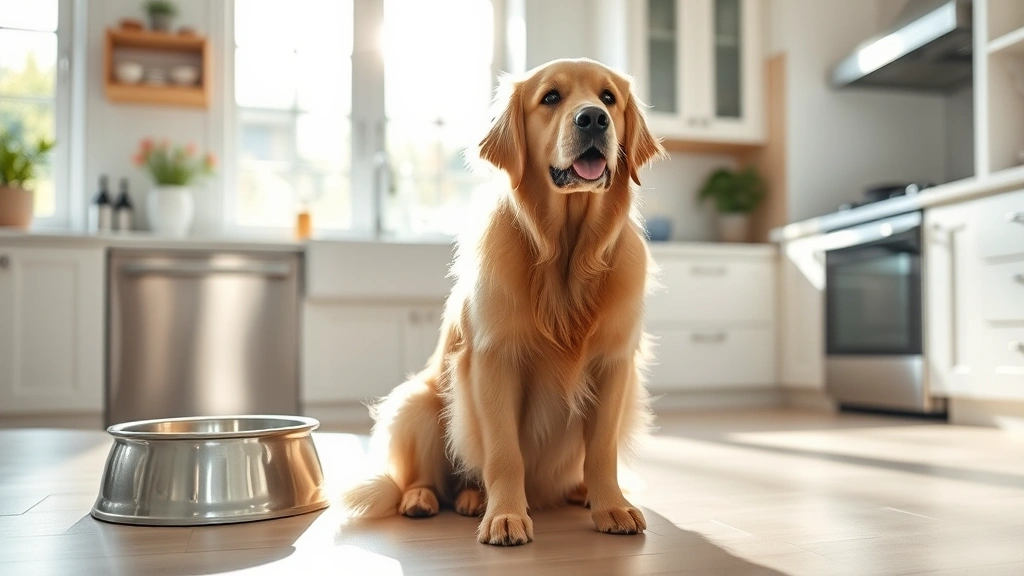
Water Bowl Issues might seem obvious, but you’d be surprised how often this is the problem. Some dogs are sensitive to the material their bowl is made from—plastic bowls can retain odors and flavors that turn picky pups away. Metal and ceramic bowls are often better alternatives. Additionally, a dirty bowl or one that hasn’t been cleaned recently can make water unappetizing. Bacteria and algae buildup can create an unpleasant taste or smell.
The location of the water bowl also matters. Dogs prefer privacy and calm environments for drinking, just like we do. If the bowl is positioned near their litter box (for cats in the home), in a high-traffic area, or somewhere they feel threatened, they might avoid it entirely. Try moving the bowl to a quieter, more accessible spot.
Recent Changes in your dog’s routine can also impact water consumption. A new home, a change in water source, or even a different brand of bottled water can be enough to make some dogs hesitant. If you’ve recently moved or changed your water supplier, this could explain the sudden reluctance.
Medical Causes to Consider
When behavioral and environmental factors aren’t the issue, health problems could be at play. Several medical conditions can cause decreased water intake in dogs, and some require immediate attention.
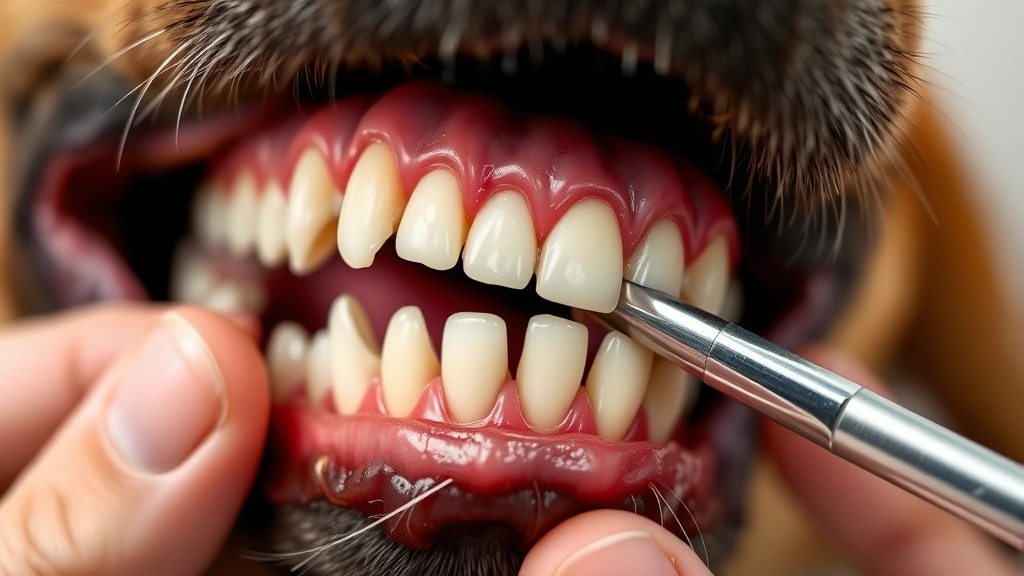
Oral Problems are surprisingly common. Dental disease, mouth infections, or tooth pain can make drinking uncomfortable or painful. If your dog is experiencing dental issues, they might avoid water altogether. A fever or infection might also make them feel too unwell to drink normally. Check your dog’s mouth for red, swollen gums, loose teeth, or unusual odors.
Gastrointestinal Issues like nausea, vomiting, or diarrhea can suppress a dog’s desire to drink. Conditions such as gastroenteritis, pancreatitis, or inflammatory bowel disease often cause decreased water intake as the body tries to settle the digestive system. If your dog is also showing signs of vomiting or loose stools, this could be the culprit.
Kidney Disease is a serious condition that paradoxically can cause both increased and decreased water intake depending on the stage. Early kidney disease might cause increased thirst, but advanced stages can actually reduce water consumption. Senior dogs and certain breeds are at higher risk.
Diabetes and Urinary Tract Infections (UTIs) typically cause increased thirst, but when dogs feel pain while urinating, they may avoid water altogether. A UTI can make the experience of drinking and subsequent urination painful, leading to avoidance behavior.
Neurological Issues and certain medications can also affect thirst regulation. Some dogs on specific medications might experience reduced appetite for water as a side effect. Always review medication information with your vet if your dog’s drinking habits change after starting a new prescription.
According to the American Kennel Club, sudden changes in water consumption should never be ignored, as they can indicate underlying health conditions requiring professional evaluation.
Behavioral and Environmental Factors
Not every case of reduced water intake is medical. Sometimes it’s simply about preferences, stress, or changes in your dog’s environment.
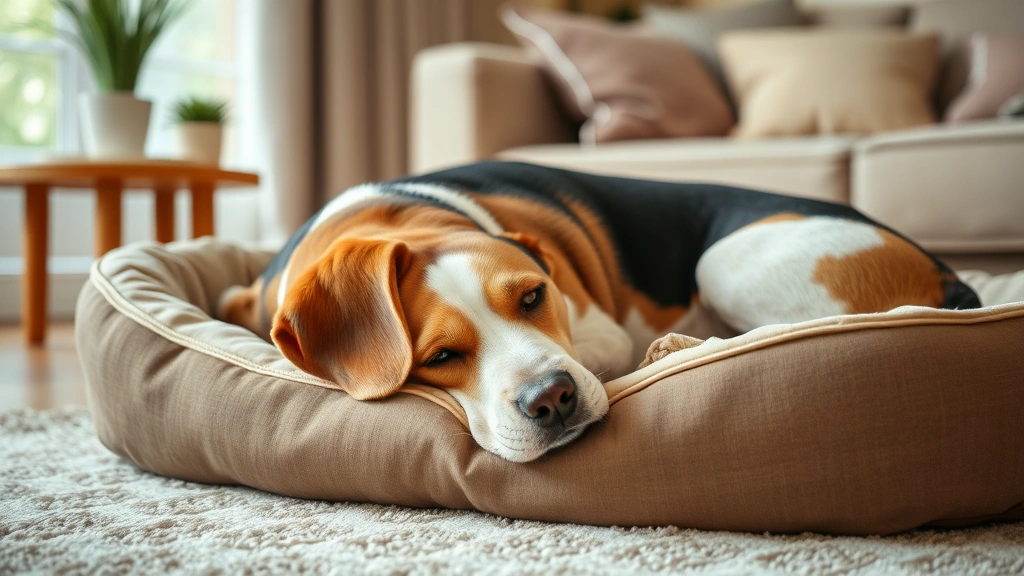
Stress and Anxiety can significantly impact a dog’s water consumption. If your household has experienced changes—a new pet, a family member moving out, construction noise, or even changes in your daily routine—your dog might be too anxious to eat or drink normally. Stressed dogs often exhibit behavioral changes that include avoiding their food and water bowls.
Temperature Changes play a role too. Dogs naturally drink less water during cooler months and more during hot weather. If it’s winter and your dog’s activity level has decreased, they might simply not need as much water. However, you should still ensure they’re drinking adequate amounts even in colder seasons.
Diet Composition affects water needs. If you’ve switched your dog to a diet with higher moisture content—like wet food or fresh food diets—they’re getting more water from their meals and might drink less from their bowl. This isn’t necessarily a problem, as long as their total water intake remains adequate.
Aging can dull a dog’s thirst mechanism. Senior dogs sometimes forget to drink or simply have reduced sensations of thirst. This is why it’s important to monitor older dogs’ water intake more closely and encourage them to drink throughout the day.
Understanding the difference between why your dog is drinking so much water versus not drinking enough can help you identify patterns and potential health issues.
Practical Solutions to Encourage Drinking
Once you’ve ruled out serious medical issues, there are several strategies to encourage your dog to drink more water.
Upgrade the Water Bowl. Invest in a stainless steel or ceramic bowl if your dog uses plastic. Some dogs prefer running water—a dog water fountain can be incredibly effective. The movement and sound often appeal to dogs’ natural instincts, making them more likely to drink. Clean the bowl daily and refill it with fresh water at least once or twice daily.
Change the Location. Move the water bowl away from food, litter boxes, and high-traffic areas. Place it somewhere quiet and easily accessible. Some dogs like having multiple water stations around the home, so consider placing bowls in different rooms.
Flavor the Water. While plain water is best, you can make it more appealing by adding a small amount of low-sodium broth or a splash of dog-safe juice. Some vets recommend adding ice cubes, which can make water more interesting and help with hydration during warm months.
Increase Moisture in Food. Incorporating ways to get your dog to drink more water includes adding wet food to their diet. You can also add water or broth to dry kibble to increase overall water intake through meals.
Monitor Activity Levels. Increase your dog’s exercise, especially during cooler months when they might not naturally drink as much. Active dogs need more water, and exercise often reminds them to hydrate.
Establish a Routine. Some dogs respond well to scheduled water breaks, similar to bathroom breaks. Gently encourage your dog to drink at specific times throughout the day.
The ASPCA recommends keeping water fresh and available at all times, ensuring your dog always has access to hydration.
When to Call Your Veterinarian
Knowing when to seek professional help is crucial. While some cases of reduced water intake resolve on their own, others require veterinary attention.
Call your vet immediately if:
- Your dog hasn’t drunk water for more than 24 hours
- Decreased water intake is accompanied by vomiting, diarrhea, or lethargy
- Your dog shows signs of dehydration (dry gums, excessive panting, sunken eyes)
- The change in drinking habits is sudden and dramatic
- Your senior dog suddenly stops drinking
- Your dog appears to be in pain or distress
- You notice other behavioral changes alongside reduced water intake
It’s important to understand how long a dog can go without water to appreciate the urgency. Dogs can only survive a few days without water, making this a serious concern if prolonged.
During your vet visit, be prepared to discuss:
- When you first noticed the change
- Your dog’s normal water intake
- Any recent changes in diet, medication, or environment
- Other symptoms or behavioral changes
- Your dog’s age and medical history
- Whether your dog is eating normally
Your veterinarian might perform blood work, urinalysis, or imaging studies to identify underlying health issues. Early diagnosis of conditions like kidney disease or diabetes can significantly improve outcomes.
According to the VCA Animal Hospitals, dehydration in dogs can lead to serious complications, so addressing reduced water intake promptly is essential.
Frequently Asked Questions
How much water should my dog drink daily?
The general rule is that dogs should drink between half an ounce to one ounce of water per pound of body weight daily. So a 50-pound dog should ideally drink 25-50 ounces (about 3-6 cups) of water per day. However, this varies based on activity level, diet, age, and climate. Dogs eating wet food will naturally drink less from their bowl since they’re getting moisture from their meals.
Can stress cause a dog to stop drinking water?
Absolutely. Stress and anxiety can suppress a dog’s appetite for both food and water. If your dog has experienced recent changes—a new pet, moving homes, or household disruptions—they might be too anxious to maintain normal drinking habits. Once the stressor is removed or your dog adjusts, their water intake typically returns to normal.
Is it normal for dogs to drink less in winter?
Yes, it’s quite normal. Dogs naturally drink less during cooler months when they’re less active and their bodies aren’t working as hard to regulate temperature. However, you should still monitor their intake to ensure they’re drinking adequate amounts. Encourage them to drink regularly even if they seem less interested.
What’s the difference between panting and dehydration?
Panting is a normal cooling mechanism and can be caused by heat, exercise, or excitement. Dehydration, however, is a medical concern indicated by excessive panting combined with dry gums, sunken eyes, and lethargy. If your dog is panting excessively and showing other signs of distress, contact your vet.
Can I give my dog tap water, or should I use bottled water?
In most cases, tap water is perfectly safe for dogs. However, if your tap water is heavily chlorinated or you’re concerned about water quality, bottled water is a fine alternative. Learn more about whether dogs can drink distilled water and other water options for your pet. Avoid distilled water as a primary source since it lacks beneficial minerals.
Should I be concerned if my dog hasn’t drunk water for a few hours?
A few hours isn’t typically concerning, especially if your dog is resting indoors or it’s cooler outside. However, if your dog goes longer than 8-12 hours without drinking or shows other signs of illness, contact your veterinarian. Consistent patterns of low water intake over several days warrant professional evaluation.
Can certain medications affect my dog’s water intake?
Yes, some medications can affect thirst or appetite. If your dog’s water consumption changed after starting a new medication, discuss this with your vet. They might adjust the medication, timing, or dosage to minimize this side effect.
Is it ever okay if my dog isn’t drinking much?
It depends on the context. If your dog is eating wet food, getting moisture from treats, and showing no signs of illness or dehydration, a slightly lower water intake might be acceptable. However, if the reduction is sudden or accompanied by other symptoms, it’s worth investigating. When in doubt, contact your veterinarian for guidance.





