
Why Is My Dog Throwing Up Food? Understanding Causes and Solutions
There’s nothing quite like the panic that sets in when your beloved pup suddenly starts regurgitating their meals. One moment Fido is enthusiastically devouring his kibble, and the next you’re cleaning up partially digested food from your kitchen floor. If you’ve found yourself asking “why is my dog throwing up his food?” you’re definitely not alone. This is one of the most common concerns pet parents bring to their veterinarians, and fortunately, there are many identifiable causes and effective solutions.
The good news? Most cases of dogs throwing up food are manageable once you understand what’s triggering the behavior. Whether it’s something as simple as eating too quickly or something requiring veterinary attention, we’re here to help you decode what’s happening with your furry friend. Let’s dive into the various reasons your dog might be regurgitating their meals and what you can do about it.
Before we explore the specifics, it’s worth noting that vomiting and regurgitation are actually two different things, though pet parents often use the terms interchangeably. Understanding this distinction can help you communicate more effectively with your vet and identify the root cause more quickly.
Eating Too Fast: The Most Common Culprit
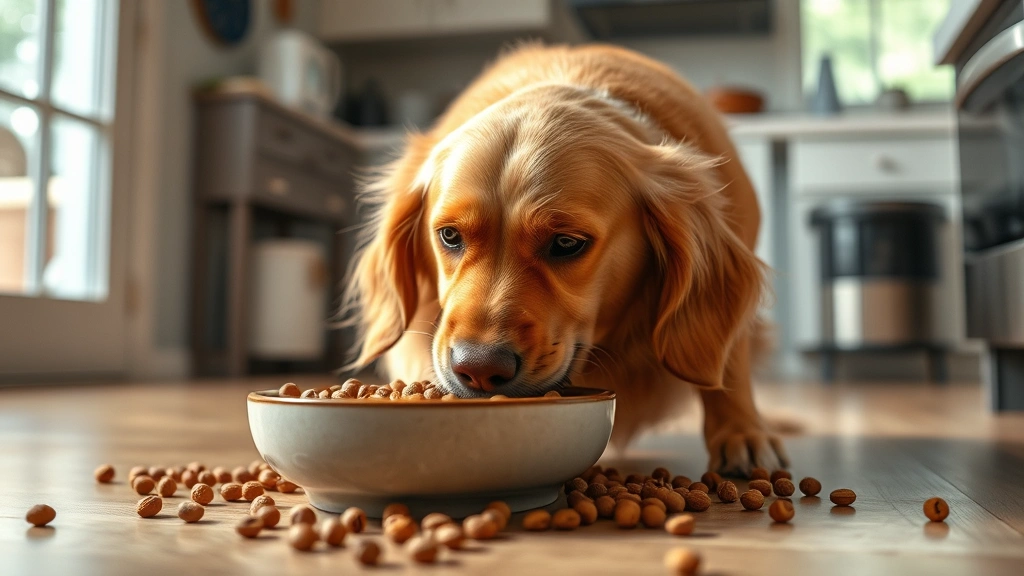
If your dog is throwing up undigested or only slightly digested food shortly after eating, there’s a strong chance they’re simply eating too quickly. Many dogs, especially those who grew up in multi-dog households or came from rescue situations, develop a “scarf and barf” mentality where they inhale their food as if it might disappear at any moment.
When dogs eat too rapidly, they don’t allow their stomach muscles to work properly, and food doesn’t get adequately mixed with digestive juices. This can lead to the stomach becoming overly distended, which triggers a regurgitation reflex. It’s similar to when humans eat too quickly and experience discomfort or indigestion, except dogs’ bodies respond by expelling the food.
The American Kennel Club notes that rapid eating is particularly common in certain breeds and individual dogs with competitive eating behaviors. If you notice your pup is consistently finishing their meal in under a minute, this is likely your culprit. determining the right portion sizes for your dog is only half the battle—how they eat matters just as much as how much they eat.
Food Sensitivities and Allergies
Another significant reason your dog might be throwing up food relates to what’s actually in that food. Food sensitivities and allergies are increasingly common in dogs, and they can manifest in various ways, including vomiting. Unlike true allergies (which involve the immune system), sensitivities cause digestive upset and inflammation in the gastrointestinal tract.
Common culprits include chicken, beef, dairy, wheat, and corn. If your dog has recently switched foods or you’ve noticed the vomiting coinciding with a dietary change, food sensitivity could be the answer. Some dogs develop sensitivities to ingredients they’ve eaten for years, so it’s not always about a new food causing problems.
The symptoms of food sensitivities often include vomiting shortly after meals, chronic diarrhea, and itchy skin. If you’re dealing with feeding a dog with diarrhea alongside vomiting, you’ll want to work with your vet to identify the problematic ingredient. An elimination diet—where you systematically remove potential allergens—can help pinpoint exactly what’s bothering your pup’s digestive system.
Digestive Issues and Disorders
Beyond sensitivities, various digestive disorders can cause your dog to throw up food. These range from mild inflammation to more serious conditions affecting how the gastrointestinal tract functions. Understanding how long it takes a dog to digest food can help you recognize when something’s off with the normal digestive timeline.
Gastritis is inflammation of the stomach lining and can occur acutely (suddenly) or chronically. Acute gastritis might result from eating something inappropriate, while chronic gastritis can stem from ongoing irritation or stress. Inflammatory bowel disease (IBD) is a more serious condition where the intestinal lining becomes chronically inflamed, leading to vomiting, diarrhea, and weight loss.
Pancreatitis, inflammation of the pancreas, is another condition that frequently causes vomiting. This is particularly common in dogs who’ve eaten fatty foods or have certain metabolic issues. According to the ASPCA, pancreatitis requires prompt veterinary attention as it can become life-threatening if left untreated.

Serious Medical Conditions
While we don’t want to alarm you, it’s important to recognize that persistent vomiting can indicate serious underlying health issues. Conditions ranging from intestinal blockages to organ dysfunction can present with vomiting as a primary symptom.
Megaesophagus is a condition where the esophagus becomes enlarged and loses its ability to move food properly into the stomach. Dogs with this condition typically regurgitate undigested food, often shortly after eating. It can be congenital (present from birth) or acquired later in life.
Bloat (gastric dilatation-volvulus) is a life-threatening emergency where the stomach fills with gas and potentially twists. While not always accompanied by vomiting initially, bloat requires immediate veterinary intervention. Certain breeds, particularly large and giant breeds with deep chests, are at higher risk.
Other serious conditions include various causes of vomiting that require professional diagnosis, kidney disease, liver disease, and metabolic disorders. The American Kennel Club’s expert advice emphasizes that any persistent vomiting warrants professional evaluation.
Feeding Schedule and Meal Timing
The timing and frequency of meals can significantly impact whether your dog throws up food. Dogs who eat once daily, especially large meals, are more prone to regurgitation than those fed multiple smaller meals. Additionally, if your dog exercises vigorously immediately after eating, this can trigger vomiting.
Many veterinarians recommend feeding adult dogs twice daily rather than once daily. This approach helps regulate blood sugar, aids digestion, and reduces the likelihood of gastric upset. Puppies and senior dogs often benefit from even more frequent, smaller meals.
The interval between meals also matters. If your dog goes too long without eating, stomach acid can build up and cause irritation. Conversely, feeding too frequently might overwhelm the digestive system. Finding the right schedule for your individual dog often requires some experimentation and observation.
Practical Solutions and Prevention
Now that we’ve explored the causes, let’s talk about what you can actually do. The solutions vary depending on the underlying cause, but here are practical strategies that help in many situations.
Slow down the eating process: If rapid eating is your dog’s issue, several tools can help. Slow feeder bowls with obstacles force your dog to eat around barriers, naturally slowing consumption. Alternatively, you can place a large ball or smooth stone in the bowl to achieve a similar effect. Some pet parents have success hand-feeding portions or using puzzle feeders that make eating more time-consuming.
Adjust meal frequency: Try switching from one large daily meal to two or three smaller meals. This distributes the food load across your dog’s digestive system and can dramatically reduce vomiting in many cases.
Elevate the food bowl: Raised feeders can help with digestion, particularly for large breeds. The elevated position allows food to move more naturally through the esophagus and into the stomach.
Monitor post-meal activity: Avoid vigorous exercise for at least 30-60 minutes after eating. Keep things calm during and after mealtimes to allow proper digestion.
Dietary adjustments: If you suspect food sensitivity, work with your veterinarian on an elimination diet or switch to a limited-ingredient food. helping your dog with diarrhea often involves dietary changes that can also help with vomiting.
Quality of food: Ensure you’re feeding a high-quality diet appropriate for your dog’s age, size, and health status. Lower-quality foods with fillers and artificial ingredients can trigger digestive upset.
When to Call Your Veterinarian
While occasional vomiting might resolve with home management, certain situations absolutely require professional veterinary evaluation. Contact your vet immediately if:
- Your dog vomits repeatedly over several hours or days
- The vomit contains blood or appears black and tarry
- Your dog shows signs of abdominal pain (hunched posture, whining, reluctance to move)
- Your dog is lethargic or showing other signs of illness
- Your dog is unable to keep any food down
- There’s weight loss accompanying the vomiting
- Your puppy is vomiting (puppies are more vulnerable to serious conditions)
- Your senior dog suddenly starts vomiting when they haven’t before
Your veterinarian can perform diagnostic tests including bloodwork, imaging, and endoscopy if needed to identify the underlying cause. Understanding why your dog is throwing up undigested food specifically might require professional investigation, as this symptom can point to several different conditions.
According to VCA Animal Hospitals, the duration and frequency of vomiting are important indicators of severity. Chronic vomiting that occurs regularly over weeks or months needs veterinary attention even if it seems mild.
Frequently Asked Questions
Is it normal for dogs to throw up after eating?
Occasional vomiting might happen, but it’s not “normal” in the sense that it shouldn’t be ignored. If your dog frequently throws up food, there’s usually an identifiable cause worth investigating. Regular vomiting after meals suggests either a behavioral issue (eating too fast) or an underlying health concern.
What’s the difference between vomiting and regurgitation?
This distinction matters for diagnosis. Regurgitation is passive—food comes back up without the forceful contractions associated with vomiting. Regurgitated food is typically undigested and appears in a tubular shape. Regurgitation often indicates esophageal issues or megaesophagus, while vomiting suggests stomach or intestinal problems. Your vet will want to know which is occurring.
Can stress cause my dog to throw up food?
Absolutely. Stress and anxiety can trigger digestive upset in dogs just as they do in humans. Changes in environment, new pets, loud noises, or separation anxiety can all cause stress-related vomiting. If you notice vomiting correlates with stressful events, addressing the underlying anxiety through training, environmental modification, or medication might help.
How long should I wait before feeding my dog again after vomiting?
Generally, wait 6-8 hours after vomiting before offering food. When you do feed, offer a bland, easily digestible meal in small portions. Plain cooked chicken and rice or a veterinary bland diet work well. Gradually reintroduce normal food over several days. If vomiting persists after reintroduction, contact your vet.
Could my dog’s breed predispose them to throwing up?
Yes, certain breeds are more prone to specific conditions that cause vomiting. Large and giant breeds are susceptible to bloat, while brachycephalic breeds (flat-faced dogs) often have esophageal issues. Some breeds have genetic predispositions to conditions like megaesophagus. If your breed has known digestive vulnerabilities, discuss preventive strategies with your vet.
Is homemade dog food safer if my dog keeps throwing up?
Not necessarily. While some dogs do better on homemade diets, they must be nutritionally complete and balanced. Improperly formulated homemade diets can actually cause digestive issues and nutritional deficiencies. If you’re considering homemade food, work with a veterinary nutritionist to ensure it meets your dog’s needs. Your vet can help determine if this is appropriate for your dog’s specific situation.





