
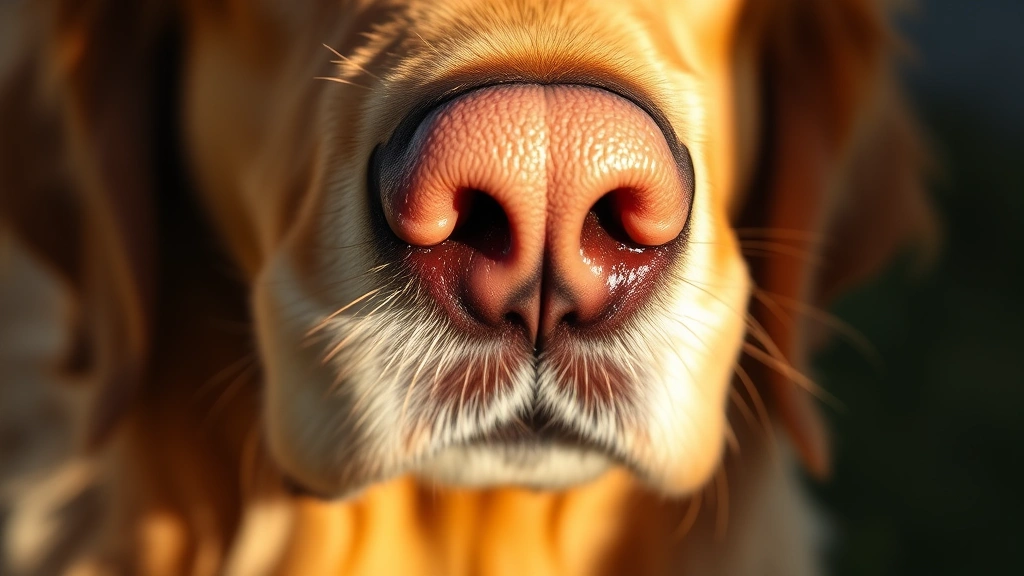
Why Is My Dog’s Nose Dry and Cracked? Causes & Care
If you’ve noticed your furry best friend’s nose looking more like a raisin than a shiny button, you’re not alone in this concern. A dog’s nose is often considered a window into their overall health, and when it becomes dry and cracked, it can definitely raise some eyebrows (and worry lines) on any pet parent’s face. The good news? While a dry, cracked nose can sometimes indicate an underlying issue, it’s often manageable with the right knowledge and care.
Many dog owners assume that a wet nose is always the sign of a healthy pup, but the reality is far more nuanced. Your dog’s nasal health can fluctuate based on numerous factors—from environmental conditions to dietary choices, and yes, sometimes from medical conditions that deserve professional attention. Understanding what’s causing your dog’s dry nose is the first step toward helping them feel more comfortable and ensuring their overall wellness.
Let’s dive into the world of canine nasal health and explore everything you need to know about keeping your pup’s nose in tip-top shape.
Common Causes of Dry and Cracked Dog Noses
A dry and cracked nose isn’t always a sign of something serious, but it’s definitely worth investigating. The causes can range from benign environmental issues to more significant health concerns. Understanding these causes helps you determine whether your pup needs a trip to the vet or just some extra TLC at home.
One of the most common culprits behind dry dog noses is simply dehydration. Just like humans, dogs need adequate water intake to maintain healthy skin, including the delicate tissue on their nose. If your dog isn’t drinking enough water throughout the day, their nasal tissue can become dry and flaky. This is especially true during warmer months or in homes with low humidity levels.
Another frequent cause is excessive sun exposure. Many dog owners don’t realize that their pup’s nose can get sunburned, especially in breeds with lighter-colored or thinner nasal tissue. Chronic sun exposure can lead to dryness, cracking, and in severe cases, even skin cancer. Dogs who spend a lot of time outdoors without protection are particularly vulnerable to this issue.
Allergies also play a significant role in nasal dryness. If your dog suffers from seasonal or environmental allergies, their body’s inflammatory response can affect nasal tissue health. You might notice that what you can give your dog for allergies often addresses not just itching and sneezing, but also dry skin manifestations, including a parched nose.
Environmental Factors
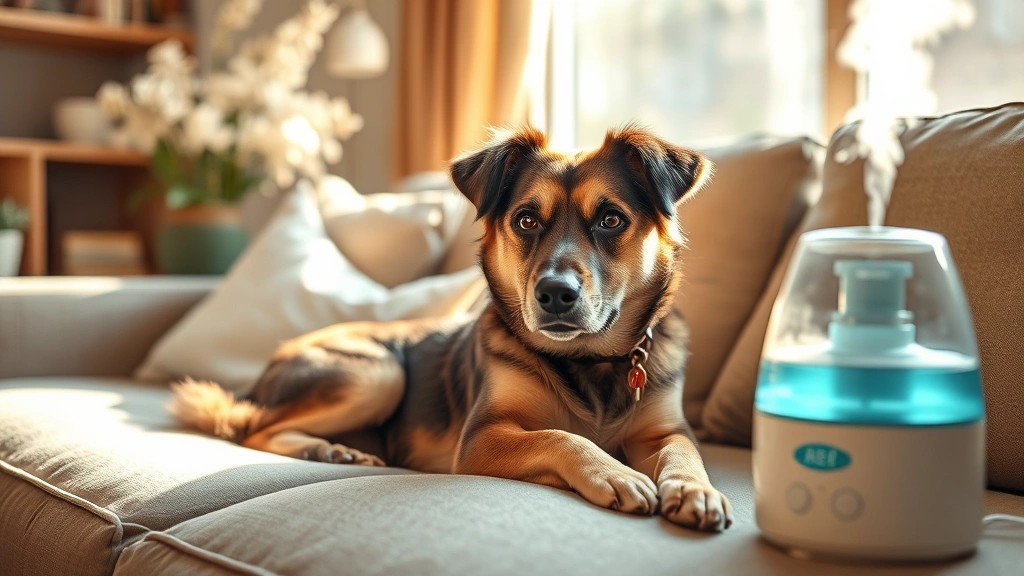
Your home environment plays a surprisingly significant role in your dog’s nasal health. Central heating systems, air conditioning, and low humidity levels can all contribute to dryness—not just in the air, but on your pup’s skin and nose too. During winter months when heating runs constantly, indoor humidity can drop dramatically, creating an arid environment that’s tough on your dog’s sensitive nasal tissue.
Similarly, air conditioning during summer can have the same drying effect. If your dog spends most of their time in a climate-controlled environment, their nose might struggle to stay naturally moisturized. The constant temperature and humidity fluctuations can stress the delicate skin on their nose.
Weather changes also impact nasal moisture. Cold, dry winters are particularly harsh on dog noses, while humid summer environments are generally gentler. If you notice your dog’s nose is drier during certain seasons, environmental factors are likely the primary culprit.
Smoke exposure—whether from cigarettes, fireplaces, or outdoor fires—can irritate and dry out nasal tissues. Dogs with respiratory sensitivities may be especially prone to nose dryness when exposed to smoke regularly.
Medical Conditions to Consider
While environmental and lifestyle factors account for most cases of dry dog noses, certain medical conditions can also cause this symptom. Knowing the difference between benign dryness and something more serious is crucial for your dog’s health.
Autoimmune diseases like pemphigus and lupus can cause nasal tissue damage and dryness. These conditions affect the immune system’s ability to protect healthy skin cells, leading to erosion and cracking of the nasal surface. If your dog has a dry nose accompanied by other skin issues or systemic symptoms, an autoimmune condition might be worth investigating.
Hyperkeratosis is another medical condition where the nose develops a thickened, crusty appearance. This can occur in older dogs or as a symptom of certain systemic diseases. The condition causes the nasal tissue to become abnormally thick and dry, sometimes resembling a callus.
Fungal infections like nasal aspergillosis can cause dryness along with other nasal symptoms such as discharge or bleeding. These infections are more common in certain dog breeds and climates, particularly in areas with high mold spores.
If you’re concerned about whether your dog might have a fever or other systemic illness, it’s worth learning how to tell if a dog has a fever, as fever can contribute to dry nasal tissue. Additionally, conditions that cause why your dog is panting excessively can also lead to increased nasal dryness due to rapid moisture loss.
Dermatological conditions like seborrhea or other skin disorders can manifest in the nasal area, causing dryness and flaking. These conditions often require specific treatment from your veterinarian.
How to Care for Your Dog’s Dry Nose
Once you’ve identified that your dog has a dry nose, the next step is figuring out the best care approach. The good news is that most cases of dry dog noses respond well to home care and environmental adjustments.
Increase hydration: The first line of defense is ensuring your dog drinks plenty of water. Make sure fresh water is always available, and consider using a dog water fountain—many pups find running water more appealing and drink more frequently from fountains than from static bowls.
Use a humidifier: If dry air is the culprit, adding a humidifier to your home can work wonders. Even a small bedroom humidifier can significantly increase moisture levels in your dog’s environment. Aim for humidity levels between 40-60%, which is comfortable for both humans and dogs.
Apply protective balms: Dog-safe nose balms and moisturizers can provide immediate relief. Products specifically formulated for canine noses are ideal, though many pet parents wonder about products like whether Aquaphor is safe for dogs. When in doubt, ask your vet for product recommendations.
Limit sun exposure: If your dog spends significant time outdoors, consider applying dog-safe sunscreen to their nose or keeping them in shaded areas during peak sun hours. This is especially important for dogs with light-colored noses.
Adjust diet: A diet rich in omega-3 and omega-6 fatty acids supports skin health, including nasal tissue. Consider adding fish oil supplements or foods rich in these nutrients to your dog’s diet—always under veterinary guidance.
Avoid irritants: Keep your dog away from smoke, harsh chemicals, and other environmental irritants that can dry out nasal tissue.
Prevention Tips
Prevention is always easier than treatment when it comes to your dog’s health. By implementing a few simple strategies, you can help keep your pup’s nose healthy and moist year-round.
- Maintain consistent hydration by providing fresh water throughout the day and encouraging regular drinking
- Use a humidifier during dry seasons to maintain optimal indoor humidity levels
- Protect your dog from excessive sun exposure with shade and dog-safe sunscreen when necessary
- Provide a balanced diet with adequate omega fatty acids to support skin health
- Avoid exposing your dog to smoke, chemicals, and other respiratory irritants
- Keep your dog’s living space at a comfortable temperature without excessive heating or cooling
- Schedule regular veterinary check-ups to catch potential health issues early
- Monitor your dog’s nose regularly so you can catch changes quickly
Related skin health concerns like why your dog has dandruff often share similar prevention strategies, so implementing these tips benefits your pup’s overall dermatological health.
When to Contact Your Veterinarian
While many cases of dry dog noses resolve with home care, certain situations warrant professional veterinary attention. Knowing when to call your vet is essential for your dog’s wellbeing.
Contact your veterinarian if your dog’s dry nose is accompanied by:
- Nasal discharge or bleeding
- Excessive sneezing or coughing
- Difficulty breathing or wheezing
- Loss of appetite or lethargy
- Swelling or deformity of the nose
- Open sores or deep cracks that don’t improve with home care
- Signs of pain or discomfort when touching the nose
- Changes in behavior or overall health
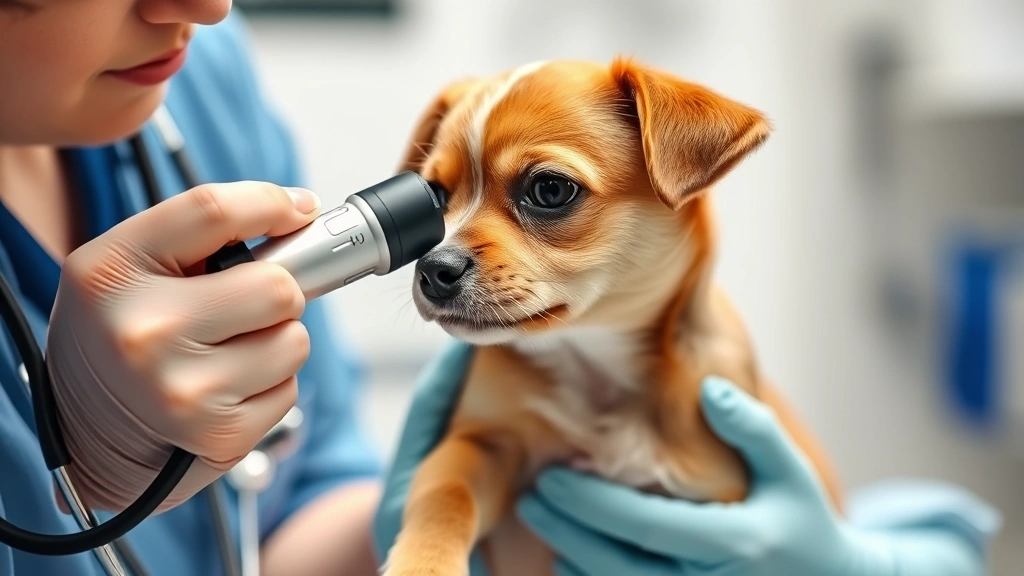
If the dryness persists for more than a few weeks despite your home care efforts, or if it worsens over time, schedule a veterinary appointment. Your vet can perform a thorough examination, possibly including skin scrapings or cultures, to determine if an underlying medical condition is responsible.
For more comprehensive information about your dog’s overall health, check out our detailed guide on why your dog’s nose is dry for additional insights and professional recommendations.
According to the American Kennel Club’s health guidance, monitoring physical changes in your dog is crucial for early detection of health issues. Additionally, the ASPCA provides comprehensive information about common dog skin problems that can help you better understand your pup’s condition.
Frequently Asked Questions
Is a dry nose always a sign that something is wrong with my dog?
Not necessarily. While a wet nose is often associated with health, a dry nose doesn’t automatically indicate illness. Many healthy dogs have dry noses at various times, especially after sleeping, during dry weather, or after outdoor activities. However, if your dog’s nose is consistently dry and cracked, or if it’s accompanied by other symptoms, it’s worth investigating.
Can I use human moisturizers on my dog’s nose?
It’s best to avoid human moisturizers on your dog’s nose. Dogs lick their noses frequently, and ingesting products meant for human use could cause digestive upset. Stick to products specifically formulated for dogs, or consult your veterinarian for safe alternatives. Some vets may recommend specific products, but always ask before applying anything new to your dog’s nose.
How often should I check my dog’s nose?
Make nose checks part of your regular grooming and bonding routine. A quick daily inspection when petting your dog helps you notice changes early. If you already check for other health indicators, adding a nose check takes just seconds and can help catch problems before they become serious.
Does breed matter when it comes to dry noses?
Yes, breed can play a role. Breeds with lighter-colored noses are more susceptible to sun damage and may be more prone to dryness. Additionally, breeds with shorter muzzles or unique nasal structures might have different moisture patterns. If you’re concerned about your specific breed’s nasal health, discuss breed-specific considerations with your veterinarian.
What’s the best way to apply nose balm to my dog?
Apply nose balm gently with your finger or a soft cloth. Most dogs will lick it off relatively quickly, which is fine—that’s part of the healing process. Apply balm once or twice daily, or as directed on the product packaging. If your dog seems uncomfortable with the application, try doing it after playtime when they’re tired and more relaxed.
Can allergies cause a dry nose?
Absolutely. Allergies can cause nasal dryness and irritation as part of the inflammatory response. If you suspect allergies are causing your dog’s dry nose, exploring what you can give your dog for allergies with your vet might help address both the allergies and the resulting nasal symptoms.
Is a cracked nose painful for dogs?
It can be. Depending on the severity of the cracks, your dog might experience discomfort or pain, especially if the cracks are deep or bleeding. This is another reason why addressing dry noses promptly is important. If your dog seems to be in pain or excessively licking their nose, contact your veterinarian.
For additional professional guidance on canine health, the VCA Animal Hospitals provide detailed information on skin problems in dogs, and Merck Veterinary Manual offers comprehensive resources on canine skin disorders.





