
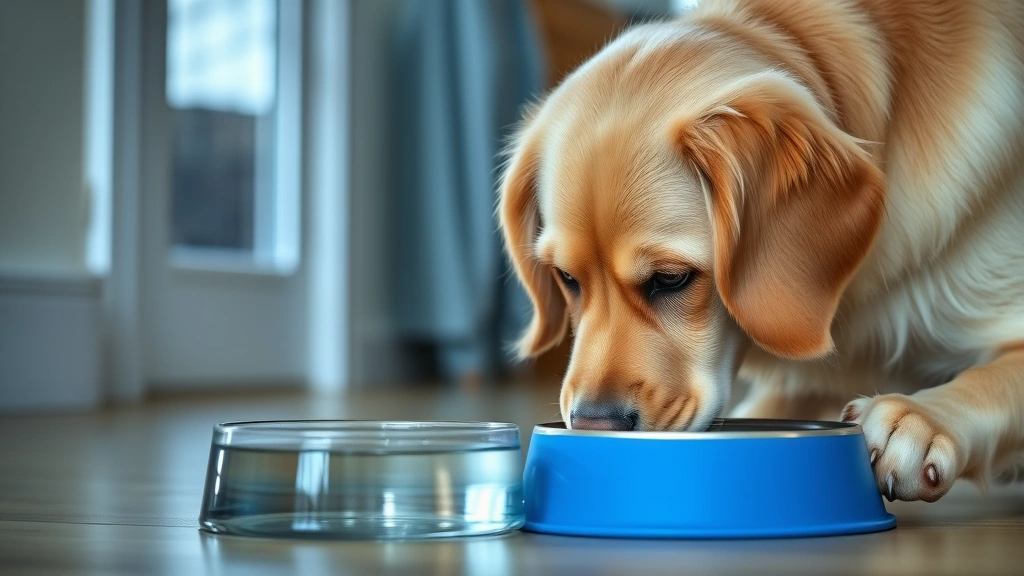
Why Won’t My Dog Drink Water? Tips and Solutions
Is your furry friend suddenly turning their nose up at the water bowl? If you’re wondering “why won’t my dog drink water,” you’re not alone. Dehydration in dogs is a serious concern that can sneak up on pet parents when we least expect it. Whether your pup is being picky about their hydration or there’s a deeper health issue at play, understanding the reasons behind this behavior is crucial for keeping your canine companion healthy and happy.
Water is absolutely essential for your dog’s survival and wellbeing. It regulates body temperature, aids digestion, supports organ function, and helps flush out toxins. When a dog refuses to drink adequate amounts of water, it can quickly become a medical emergency. The good news? Most cases of water avoidance are manageable once you identify the underlying cause.
In this comprehensive guide, we’ll explore the common reasons your dog might be avoiding water, help you distinguish between normal behavior and genuine health concerns, and provide you with practical solutions to get your pup back on track. Let’s dive in!
Medical Reasons Your Dog Won’t Drink Water
Several health conditions can cause dogs to reduce their water intake or avoid drinking altogether. Understanding these medical issues is the first step in addressing the problem. According to the American Kennel Club, unexplained changes in drinking habits warrant veterinary attention.
Kidney Disease and Urinary Tract Issues: Dogs with kidney problems often experience nausea, which makes drinking water unappealing. Similarly, UTIs can make urination painful, causing your dog to associate drinking with discomfort. These conditions require professional diagnosis and treatment.
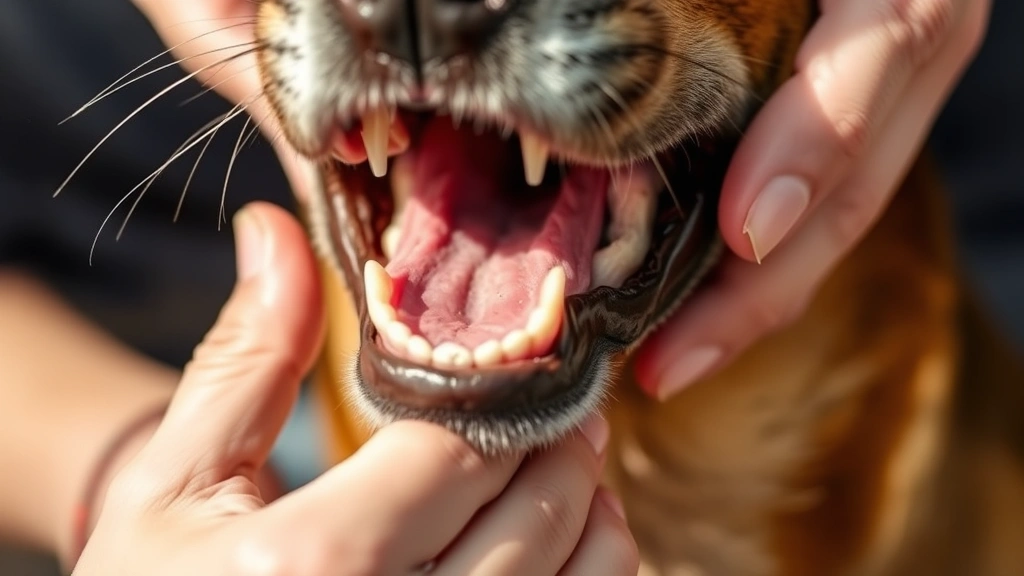
Dental Problems: Painful teeth, gum disease, or oral infections make the act of drinking uncomfortable. Your dog may want to drink but finds it painful to do so. A thorough dental exam from your vet can identify these issues.
Nausea and Gastrointestinal Issues: Dogs experiencing stomach upset, pancreatitis, or other GI problems often lose interest in water. This is their body’s way of protecting itself, but prolonged refusal to drink can become dangerous.
Fever and Infection: Ironically, dogs with fevers sometimes drink less despite needing more fluids. Infections, absesses, and other inflammatory conditions can suppress drinking behavior.
Medication Side Effects: Certain medications can affect your dog’s appetite and thirst drive. If your dog recently started a new medication and stopped drinking water, inform your veterinarian immediately.
Environmental and Behavioral Factors
Not every case of water avoidance stems from illness. Sometimes it’s simpler than that. Environmental changes and behavioral factors play significant roles in your dog’s hydration habits.
Temperature Changes: Dogs naturally drink less water in cooler weather and more during hot months. If you’ve noticed your pup drinks less during winter, this is typically normal behavior.
Stress and Anxiety: Major life changes—moving to a new home, introducing new pets, or changes in routine—can suppress your dog’s thirst drive. Anxious dogs often eat and drink less until they adjust.
Changes in Routine: Dogs are creatures of habit. If you’ve altered their schedule, moved their water bowl, or changed their feeding times, they might respond by drinking less initially.
Age-Related Changes: Senior dogs sometimes drink less water as their sense of thirst diminishes. This is concerning because older dogs are more prone to dehydration.
Breed Predisposition: Some breeds are simply less enthusiastic drinkers than others. Certain small breeds and brachycephalic dogs may drink less water naturally.
Water Quality and Bowl Issues
Here’s something many pet parents overlook: the water itself and the bowl it’s served in matter tremendously. Your dog’s pickiness about water might be entirely legitimate.
Stale or Contaminated Water: Dogs have sensitive noses and can detect subtle changes in water quality. If the water has been sitting in the bowl for hours, it may have absorbed odors or bacteria that turn your dog away. Fresh, clean water is essential. Change your dog’s water at least twice daily, more often in warm weather.
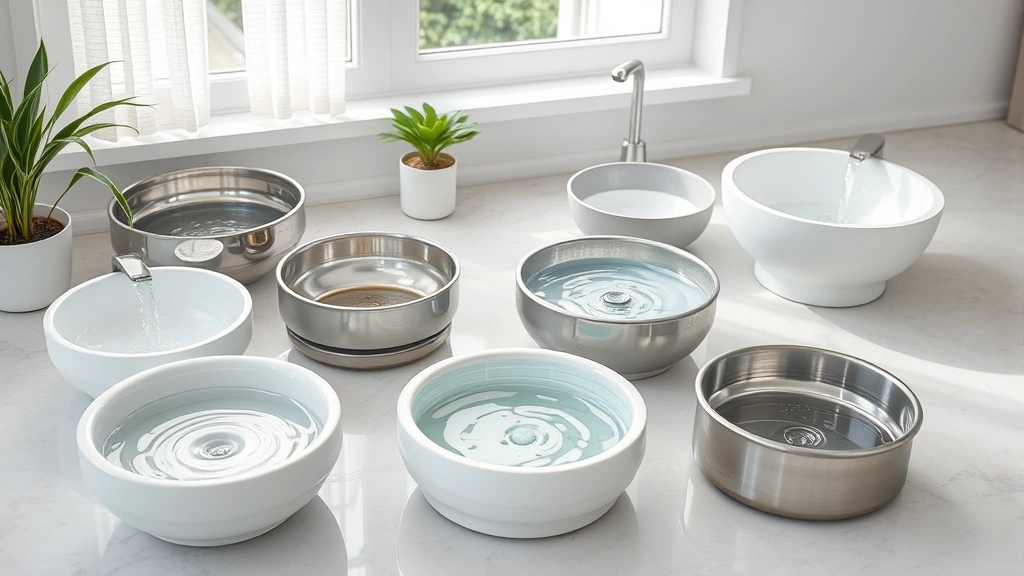
Bowl Material and Cleanliness: Plastic bowls can retain odors and flavors that dogs find off-putting. Metal or ceramic bowls are often better choices. Additionally, a dirty bowl is a major turnoff. Wash your dog’s water bowl daily with hot, soapy water.
Water Temperature: Some dogs prefer room temperature water, while others like it slightly cool. Experiment to see if your dog has a preference. Cold water straight from the fridge might be unappealing to some pups.
Chlorine and Additives: If your tap water is heavily chlorinated, your dog might reject it. Consider using filtered water or a water bowl filter to improve taste and smell. Your dog’s refined palate might appreciate the upgrade!
The location of the water bowl also matters. Dogs prefer their water bowl away from their food and litter box areas. Understanding how long dogs can survive without water underscores why bowl placement and water freshness are critical.
Signs of Dehydration in Dogs
Recognizing dehydration early can prevent serious complications. Here are the key signs to watch for:
- Dry Mouth and Gums: Gently lift your dog’s lip and check their gums. They should be moist and pink. If they’re dry and sticky, dehydration is likely.
- Loss of Skin Elasticity: Gently pull the skin on your dog’s neck or shoulder. It should snap back immediately. If it returns slowly, your dog is dehydrated.
- Sunken Eyes: Dehydrated dogs often have noticeably sunken eyes.
- Lethargy: A dehydrated dog will be unusually tired and unresponsive.
- Reduced Urination: Fewer bathroom breaks or dark-colored urine indicates dehydration.
- Panting and Breathing Changes: Excessive panting without exertion can signal dehydration.
- Loss of Appetite: Dehydrated dogs often refuse food as well as water.
According to the ASPCA, severe dehydration is a veterinary emergency requiring immediate treatment. Don’t wait if you observe multiple dehydration signs.
Practical Solutions to Encourage Drinking
Once you’ve ruled out serious medical issues, it’s time to get creative. Here are proven strategies to encourage your dog to drink more water.
Upgrade the Water Bowl: Switch to a ceramic or stainless steel bowl if you’re currently using plastic. Some dogs respond enthusiastically to water fountains that keep water circulating and aerated. The movement and sound can be enticing to pups who enjoy interactive experiences.
Offer Multiple Water Stations: Place water bowls in different rooms throughout your home. Dogs are more likely to drink if water is conveniently located. This is especially helpful for senior dogs or those with mobility issues.
Try Different Water Sources: If your dog won’t drink tap water, try filtered water, bottled water, or even distilled water. Some dogs are genuinely picky about their water source. You might discover your pup prefers one type over another.
Add Flavor (Safely): While you want to encourage water drinking, avoid sugary drinks or anything harmful. A tiny bit of low-sodium beef or chicken broth can entice reluctant drinkers. Exploring what dogs can drink besides water opens up some safe hydration alternatives.
Make It a Game: Some dogs respond to playful encouragement. Try offering water in a special cup or at specific times that become part of your routine together. Positive reinforcement works wonders.
Increase Moisture in Food: If your dog eats dry kibble, consider mixing in some wet food or adding water/broth to their meals. This increases overall fluid intake even if they’re not drinking from the bowl directly.
Ensure Proper Temperature: Experiment with water temperature. Some dogs prefer cool water, while others like it at room temperature. Keep trying until you find your dog’s preference.
Clean Bowls Frequently: Wash the water bowl multiple times daily. This ensures the water always tastes fresh and clean—exactly what your dog needs.
Check for Stress Factors: If environmental stress is the culprit, work on creating a calm, secure environment. Reduce loud noises, provide a safe space, and maintain consistent routines. Getting your dog to drink water sometimes means addressing underlying anxiety first.
When to Contact Your Veterinarian
Knowing when professional help is needed is crucial. Contact your veterinarian immediately if:
- Your dog hasn’t drunk water for more than 24 hours
- You observe signs of severe dehydration
- Water refusal is accompanied by vomiting, diarrhea, or lethargy
- Your dog’s behavior has changed suddenly and dramatically
- Water avoidance persists despite trying multiple solutions
- Your dog is elderly or has pre-existing health conditions
- You suspect medication side effects
Your veterinarian can perform blood work, urinalysis, and physical exams to identify underlying health issues. According to VCA Animal Hospitals, early intervention prevents serious complications. Don’t hesitate to seek professional advice—your dog’s health depends on it.
If your dog is drinking too much water, this is equally concerning and warrants veterinary evaluation. Excessive thirst can indicate diabetes, kidney disease, or other serious conditions.
Frequently Asked Questions
How much water should my dog drink daily?
Generally, dogs should drink approximately one ounce of water per pound of body weight daily. A 50-pound dog should drink about 50 ounces (roughly 1.5 liters) daily. However, this varies based on activity level, diet, weather, and individual metabolism. Puppies and senior dogs may have different requirements.
Can I force my dog to drink water?
Never force water down your dog’s throat, as this can cause aspiration or increase stress. Instead, use encouraging techniques like offering water frequently, using water fountains, or adding broth to food. If your dog refuses water for extended periods, seek veterinary care immediately.
Is it normal for dogs to drink less in winter?
Yes, this is completely normal. Dogs naturally drink less water in cooler weather because they lose less moisture through panting. However, ensure they still drink adequate amounts. Dehydration can occur even in winter, especially with indoor heating drying out the air.
What if my dog only drinks water at certain times?
Dogs often have drinking preferences tied to their routines. If your dog drinks water primarily after meals or during playtime, this is usually normal. What matters is that they’re consuming adequate daily amounts. Monitor their overall hydration status.
Can changing dog food affect water intake?
Absolutely. Switching from wet food to dry kibble or vice versa significantly affects water needs. Dry kibble requires more water for digestion, so dogs eating kibble typically drink more. When changing foods, monitor your dog’s water intake closely.
Are some dog breeds prone to drinking less?
Yes, certain breeds tend to drink less. Small breeds, brachycephalic breeds (flat-faced dogs), and some toy breeds are sometimes less enthusiastic drinkers. If you own one of these breeds, be extra vigilant about monitoring hydration.
What should I do if my dog’s water bowl gets dirty?
Clean the water bowl immediately and refill with fresh water. A dirty bowl is a major reason dogs refuse water. Wash bowls daily with hot water and mild soap, and change the water at least twice daily, more often in hot weather.
Can stress really affect my dog’s water intake?
Definitely. Stressed, anxious, or frightened dogs often eat and drink less. Major changes like moving, introducing new pets, or loud noises can suppress thirst drive. Creating a calm environment helps restore normal drinking behavior.





