

Are Antlers Safe for Dogs? What Experts Say
If you’ve ever walked down the pet supply aisle, you’ve probably seen those mysterious antler chews sitting on the shelf, looking like they belong in a medieval castle rather than your dog’s toy basket. They’re trendy, they’re natural, and they promise hours of chewing satisfaction. But here’s the million-dollar question: are antlers good for dogs, or are we just giving our furry friends an expensive dental nightmare waiting to happen?
The short answer? It’s complicated. Like many things in the pet world, antlers come with both enthusiastic supporters and cautious skeptics. Some veterinarians swear by them, while others warn about potential risks. The truth lies somewhere in between, and understanding the full picture will help you make the best decision for your four-legged friend.
Let’s dig into what experts actually say about antlers, how they compare to other chew options, and most importantly, how to keep your pup safe if you decide to go the antler route.
What Are Antlers for Dogs?
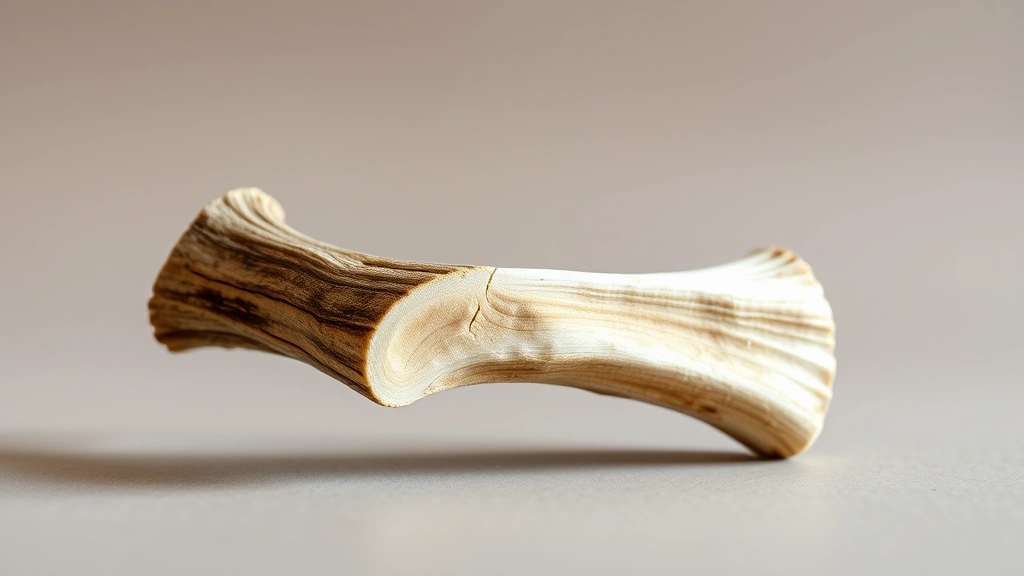
Antlers for dogs are typically shed antlers from deer, elk, or moose that have been cleaned, sometimes split, and packaged as chew toys. They’re a completely natural product—no processing, no chemicals, just pure antler material. Pet manufacturers argue this makes them superior to synthetic chews because they’re unprocessed and long-lasting.
The appeal is obvious: antlers are incredibly hard, they don’t splinter like some bones do, and they can keep dogs entertained for extended periods. They’re also odorless (mostly), won’t stain your carpet, and won’t leave greasy residue on your furniture like some other chews.
You’ll find them sold in various forms: whole antlers, split antlers, and even powdered antler supplements. The whole antlers are the most common, marketed as the ultimate long-lasting chew. But that durability? Well, that’s where things get interesting.
The Potential Benefits of Antler Chews
Before we get into the scary stuff, let’s acknowledge what makes antlers appealing to dog owners in the first place. There are legitimate reasons people choose them:
- Natural enrichment: Chewing is a natural, stress-relieving behavior for dogs. Antlers provide an outlet for this instinct, potentially reducing anxiety and destructive behavior.
- Long-lasting: Unlike softer chews that disappear in minutes, quality antlers can last weeks or even months, making them a more economical choice for aggressive chewers.
- No artificial ingredients: If you’re committed to natural pet products, antlers are genuinely free from additives, preservatives, and artificial flavors.
- Dental benefits: Some veterinarians suggest that the mechanical action of chewing antlers can help reduce plaque and tartar buildup, though this benefit is debated.
- No mess: Unlike bully sticks that leave greasy residue, antlers won’t stain your furniture or leave your hands smelling like a farm.
These benefits explain why antlers have become such a popular choice among dog owners looking for premium, natural chewing options.
The Real Risks and Concerns
Now here’s where we need to have an honest conversation. Despite their popularity, antlers come with genuine health risks that every responsible dog owner should understand.
Broken Teeth: The Primary Concern
The biggest issue veterinarians worry about is dental damage. Antlers are incredibly hard—harder than many dogs’ teeth can handle. According to the American Veterinary Medical Association, fractured teeth are one of the most common dental injuries seen in dogs who chew on hard objects like antlers.
When a dog’s tooth cracks or fractures, it’s not just cosmetic. It can expose the pulp chamber, leading to painful infections and requiring expensive root canal therapy or tooth extraction. We’re talking $500 to $3,000+ per tooth in veterinary bills. A simple chew toy just became a financial and medical headache.
Certain breeds are more susceptible to this problem. Dogs with naturally weaker tooth enamel or smaller mouths (think Chihuahuas and toy breeds) are at higher risk than large breed dogs with more robust dental structure.
Digestive Blockages
While antlers don’t splinter like bones can, they can still cause serious problems if swallowed in large chunks. If your dog manages to break off a piece—and aggressive chewers absolutely can—that chunk could create a blockage in the intestinal tract. Signs include vomiting, constipation, lethargy, and loss of appetite.
Intestinal blockages are emergencies requiring surgery, which can cost $2,000 to $5,000 or more. Not to mention the stress on your dog and the recovery period required.
Mouth and Gum Injuries
Beyond teeth, antlers can cause lacerations inside the mouth, on the gums, or the roof of the mouth. These injuries can become infected and are painful for your pup.
Individual Variation
Here’s the frustrating part: not every dog will have problems with antlers. Some dogs chew them for months without incident, while others crack a tooth within days. This unpredictability makes it impossible to give a blanket “safe” or “unsafe” verdict.
How Antlers Compare to Other Chews
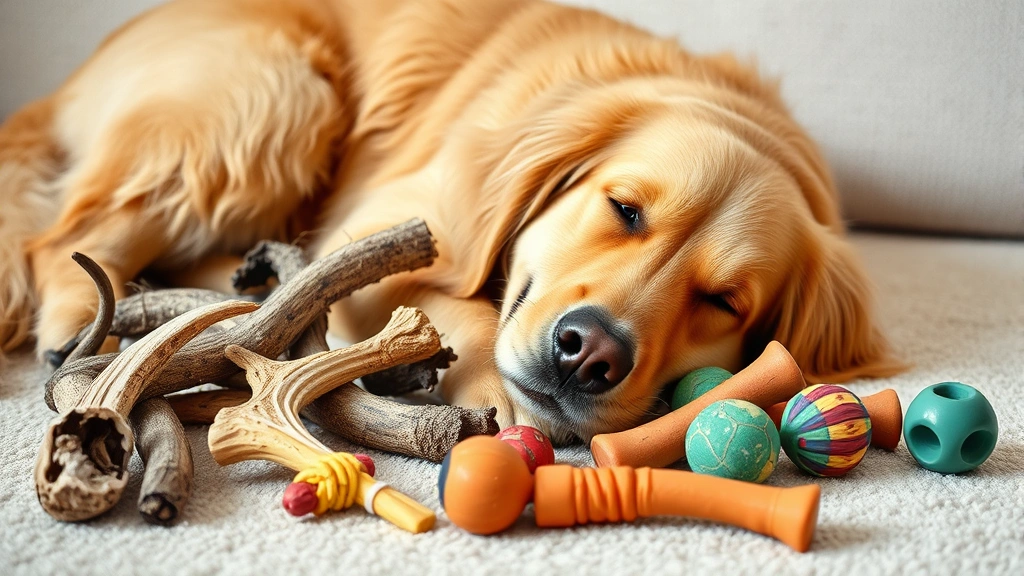
Understanding where antlers stand in the chew hierarchy helps put the risk into perspective. Let’s compare them to other popular options:
Antlers vs. Rawhide: Rawhide gets a lot of bad press, and rightfully so—it can cause blockages and digestive upset. Antlers are harder but at least won’t dissolve into a gummy mess in your dog’s stomach. However, rawhide is softer, so it’s less likely to cause dental damage.
Antlers vs. Bully Sticks: Bully sticks are generally considered safer because they’re digestible and softer. The tradeoff is they disappear quickly and leave residue.
Antlers vs. Nylon Chews: Synthetic nylon chews are softer and won’t break teeth as easily, but they’re not digestible and can cause blockages if swallowed in chunks.
Antlers vs. Natural Bones: Bones can splinter and cause blockages, making them riskier than antlers in some ways, but they’re softer and less likely to fracture teeth.
The consensus among veterinarians seems to be that antlers aren’t the safest option available, but they’re not the worst either. They occupy a middle ground with specific risks you need to manage.
Safety Tips for Giving Your Dog Antlers
If you’ve decided that antlers are right for your dog, here’s how to minimize the risks:
- Choose the right size: Select antlers appropriate for your dog’s size. A small chew for a large dog will be consumed too quickly; a large chew for a small dog is harder to manage.
- Monitor chewing: Never leave your dog alone with an antler, especially initially. Watch for signs of aggressive chewing or attempts to break off chunks.
- Limit chewing time: Don’t let your dog chew for hours on end. Set reasonable time limits—perhaps 15-30 minutes at a time.
- Rotate chews: Don’t give antlers every single day. Mix them with softer options like other chew types dogs enjoy.
- Inspect regularly: Check the antler for cracks or sharp edges. If it becomes damaged, remove it immediately.
- Consider your dog’s teeth: If your dog already has dental issues, weak teeth, or a history of tooth problems, skip antlers entirely.
- Watch for signs of problems: Monitor for broken teeth, decreased appetite, drooling, or signs of mouth pain. If your dog is choking or showing signs of distress, seek emergency veterinary care immediately.
- Avoid split antlers for aggressive chewers: Split antlers have sharp edges and are more likely to cause mouth injuries. Whole antlers are actually safer for powerful chewers.
Better Alternatives to Consider
If antlers seem too risky for your pup, plenty of safer alternatives can provide enrichment and satisfy chewing instincts:
- Rubber toys: Kong toys and similar rubber chews are softer, won’t damage teeth, and are designed to be safe for aggressive chewers.
- Rope toys: Supervised rope toys can provide satisfying chewing and are digestible in small amounts.
- Bully sticks: As mentioned, bully sticks are digestible and softer than antlers, though they disappear faster.
- Yak cheese chews: These Himalayan dog chews are hard but less likely to cause dental damage than antlers, and the remainder can be microwaved into a crispy snack.
- Dental chews: Specifically designed to promote dental health, these are softer and formulated to be safe.
- Raw meaty bones: Some experts advocate for raw bones, which are softer than cooked bones and may be safer than antlers.
- Interactive puzzle toys: Toys that require problem-solving provide mental enrichment without the physical risks of hard chews.
Frequently Asked Questions
Are antlers safe for puppies?
Antlers are generally not recommended for puppies. Their baby teeth are temporary and softer, and puppies are less experienced at controlling their chewing force. Wait until your dog is at least a year old and has fully developed adult teeth before considering antlers.
Can antlers cause blockages?
Yes, if your dog breaks off and swallows large chunks. While antlers don’t splinter like some bones, they can still create dangerous intestinal blockages. This is why supervision is critical.
How long do antlers last?
Quality antlers can last weeks or even months, depending on your dog’s chewing intensity. More aggressive chewers will wear through them faster. This longevity is part of their appeal, but it also means your dog is spending extended time with a very hard object in their mouth.
What should I do if my dog breaks a tooth on an antler?
Contact your veterinarian immediately. Broken teeth can become infected and cause serious pain. Your vet can assess whether the tooth needs extraction or if a root canal is possible. The sooner you address it, the better the outcome.
Are shed antlers better than farmed antlers?
Most antler chews are made from naturally shed antlers, which is better than harvesting them from live animals. However, there’s no significant difference in safety between shed and farmed antlers—the risks remain the same.
Can antlers help clean my dog’s teeth?
While the mechanical action of chewing might help somewhat, the ASPCA recommends regular brushing as the most effective way to maintain dental health. Antlers shouldn’t be considered a substitute for proper dental care.
What’s the best age to give antlers?
If you do decide to offer antlers, wait until your dog is at least 12-18 months old with fully mature adult teeth. Even then, assess your individual dog’s chewing habits and dental health.
Are there any dog breeds that shouldn’t have antlers?
Toy breeds, small breeds, and dogs with known dental issues should avoid antlers. Breeds with powerful jaws like Pit Bulls and Rottweilers might be able to handle them better than delicate breeds, but individual variation matters more than breed.
How do I know if an antler is too hard for my dog?
A simple test: if you can easily scratch the antler with your fingernail, it’s soft enough. If it’s impossible to mark, it’s probably too hard. Additionally, if your dog shows signs of discomfort while chewing or seems to be making little progress, it might be too challenging.
Should I soak antlers to soften them?
Some people soak antlers in water or bone broth to soften them slightly. This might reduce the risk of dental damage, but it also increases the risk of bacterial growth and mold if not handled properly. If you go this route, only soak for short periods and dry thoroughly before giving to your dog.





