
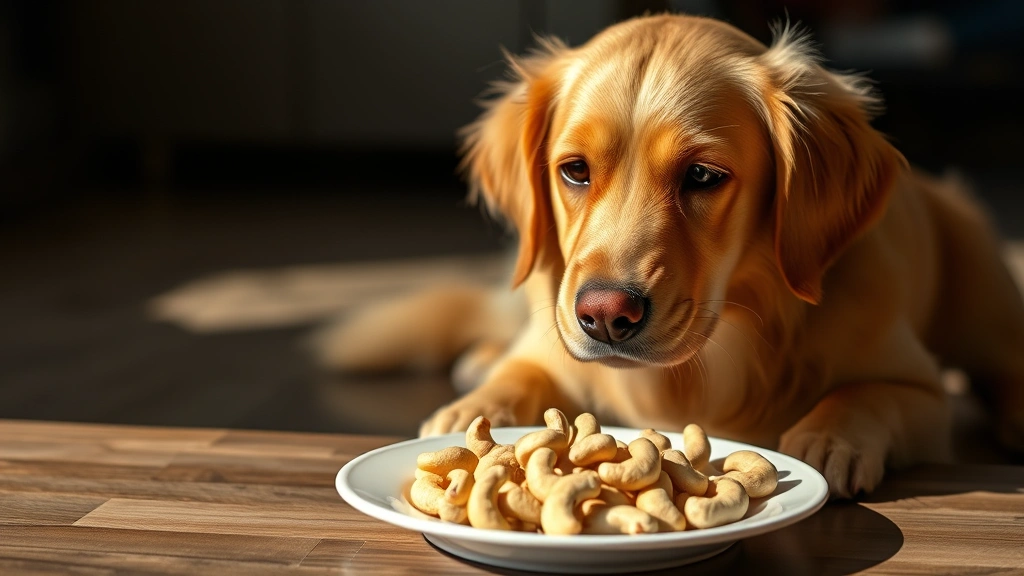
Are Cashews Dangerous for Dogs? Safety Insights
Picture this: you’re enjoying a handful of cashews on the couch when your furry best friend gives you those irresistible puppy dog eyes. Before you toss one their way, hold on! The question of whether cashews are dangerous for dogs deserves a thorough answer, and spoiler alert—it’s more nuanced than a simple yes or no.
As a responsible dog owner, you want to know exactly what foods are safe for your pup and which ones could cause problems. Cashews occupy an interesting middle ground in the dog nutrition world. Unlike some foods that are outright toxic, cashews present a mixed bag of considerations that every dog parent should understand. We’re here to break down the facts so you can make informed decisions about treating your four-legged companion.
Whether you’re wondering if your dog accidentally snagged a cashew from your snack bowl or you’re thinking about incorporating them into your pup’s diet, this comprehensive guide will help you navigate the cashew question with confidence and clarity.
Are Cashews Safe for Dogs?
The short answer is: plain, unsalted cashews in small quantities are generally safe for most dogs, but they come with important caveats. Unlike foods that are absolutely toxic to canines—think grapes, avocados, or xylitol-containing products—cashews won’t poison your dog. However, they’re far from an ideal treat, and there are several reasons why caution is warranted.
According to the American Kennel Club, while cashews aren’t on the official toxic foods list, they’re not recommended as a regular treat. The key issue isn’t toxicity but rather the combination of high fat content, potential choking hazard, and the risk of digestive upset. If your dog has eaten a cashew or two that fell on the floor, don’t panic—one cashew is unlikely to cause serious problems in most healthy adult dogs.
The safety of cashews for your specific dog depends on several factors: their size, age, overall health status, and any existing dietary sensitivities. A Great Dane might handle a cashew without issue, while a Chihuahua faces greater risks. Similarly, puppies and senior dogs require extra caution.
Nutritional Content and Concerns
To understand why cashews warrant careful consideration, let’s examine their nutritional profile. Cashews are nutrient-dense little powerhouses that contain protein, fiber, and various minerals beneficial to humans. However, what works for human nutrition doesn’t always translate to canine health.
A one-ounce serving of raw cashews contains approximately:
- Calories: 155
- Fat: 12 grams (mostly unsaturated)
- Protein: 5 grams
- Carbohydrates: 9 grams
- Fiber: 1 gram
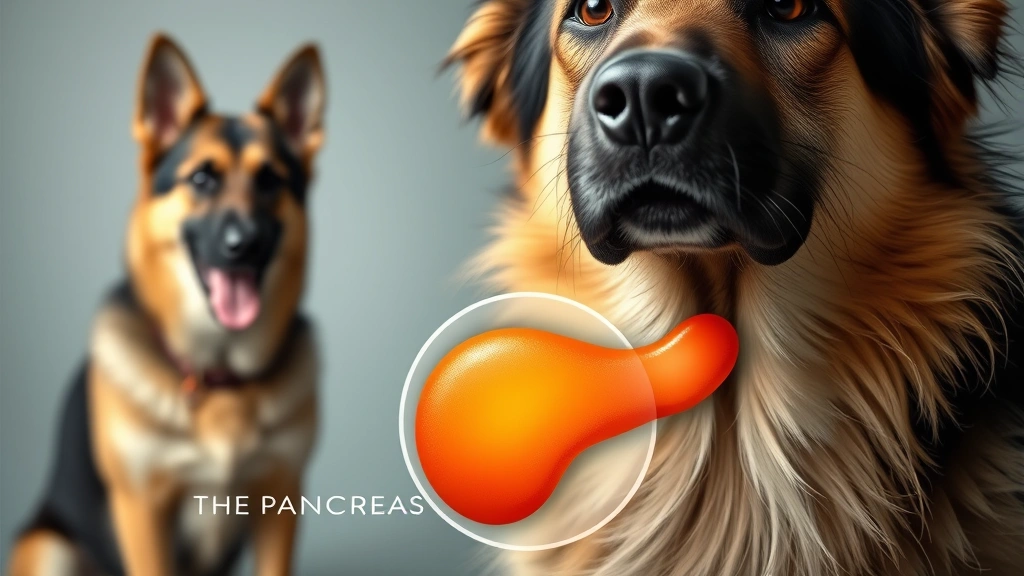
The high fat content is the primary concern for dogs. While dogs need fat in their diet, excessive fat intake can lead to pancreatitis—inflammation of the pancreas—which is painful and potentially serious. Dogs with a genetic predisposition to pancreatitis or those who are overweight face increased risk. Additionally, the fat in cashews can contribute to obesity when given too frequently, which leads to a cascade of health problems.
When considering what nuts can dogs eat, it’s important to compare options. Some nuts are far safer than others, and cashews fall somewhere in the middle of the safety spectrum.
Cashews also contain compounds like phytic acid and tannins, which can interfere with mineral absorption in some animals. While the amounts in cashews aren’t typically problematic for occasional consumption, they’re worth noting for dogs with mineral deficiencies or absorption issues.
Potential Risks and Hazards
Beyond nutritional concerns, several specific risks come with feeding cashews to dogs:
Choking Hazard: Cashews are relatively hard and can pose a choking risk, especially for dogs who gulp their food without proper chewing. Small breed dogs and enthusiastic eaters are particularly vulnerable. The oval shape and size of whole cashews make them potential airway obstruction hazards.
Processed Varieties Are Worse: Roasted, salted, or flavored cashews dramatically increase the danger level. Salt can lead to sodium ion poisoning, while seasoning blends often contain garlic, onion, or other toxic ingredients. Never give your dog anything other than plain, unsalted, raw cashews if you’re going to offer them at all.
Digestive Upset: The high fat content can trigger vomiting, diarrhea, or upset stomach, especially in dogs with sensitive digestive systems. Some dogs may experience constipation instead. These symptoms might appear within hours or develop over a day or two.
Pancreatitis Risk: This is the serious concern that veterinarians emphasize. Acute pancreatitis can develop suddenly after consuming high-fat foods and requires emergency veterinary care. Signs include severe abdominal pain, vomiting, lethargy, and loss of appetite.
Allergic Reactions: While tree nut allergies are less common in dogs than in humans, they do occur. A dog with a cashew allergy might experience itching, hives, facial swelling, or difficulty breathing.
If you’re concerned about your dog’s overall diet and nutrition, understanding how much food you should feed your dog is equally important. Proper portion control prevents many health issues, including those that could be exacerbated by treats like cashews.
Safe Serving Guidelines
If you’ve decided that you want to offer your dog a cashew despite the concerns, here are the guidelines to minimize risk:
- Choose Plain Only: Use raw, unsalted, unflavored cashews with absolutely nothing added. No salt, no sugar, no seasoning whatsoever.
- Limit Quantity: For a medium-sized dog (25-50 pounds), one to three cashews as an occasional treat is the maximum. Smaller dogs should get no more than one. Large breed dogs might tolerate three to five, but only rarely.
- Frequency: Offer cashews no more than once or twice per month, not weekly or daily.
- Supervise: Always watch your dog when they have a cashew. Don’t give them one and walk away.
- Consider Crushing: For small dogs or those prone to gulping, crush the cashew into smaller pieces to reduce choking risk.
- Healthy Weight Check: Only give cashews to dogs at a healthy weight. Overweight or obese dogs should avoid them entirely.
- Health Status: Dogs with pancreatitis history, gastrointestinal issues, or fat malabsorption should never have cashews.
Remember that treats should comprise no more than 10% of your dog’s daily caloric intake. For a 50-pound dog eating about 1,000 calories daily, that’s only 100 calories for treats. A single ounce of cashews (about 10-12 nuts) contains 155 calories, already exceeding the daily treat allowance for many dogs.
Better Nut and Snack Alternatives
Rather than cashews, consider these safer alternatives that provide treats without the same level of risk:
Dog-Safe Nuts: While exploring whether dogs can have cashews, you might also wonder about other options. Peanuts (technically legumes, not tree nuts) in moderation are generally safer because they’re lower in fat. However, ensure they’re unsalted and check that peanut butter doesn’t contain xylitol, a deadly sweetener. Learn more about whether dogs can have peanut butter for proper guidelines.
Fruits and Vegetables: Apple slices (without seeds), carrots, blueberries, and watermelon make excellent low-calorie treats. They provide fiber and hydration without excessive fat.
Carrots are particularly beneficial because they’re crunchy and help clean teeth while being virtually fat-free.
Protein-Based Treats: Plain, cooked chicken breast, turkey, or lean beef provide protein without the problematic fat levels of cashews. Boiled eggs are another excellent protein option.
Commercial Dog Treats: Look for high-quality treats specifically formulated for dogs, designed to be nutritionally balanced and portion-controlled. Many brands now offer limited-ingredient options for dogs with sensitivities.
If you’re interested in exploring nut butters, learning about almond butter for dogs provides another comparison point, though almond butter also carries similar cautions about fat content.
When to Call the Vet
Knowing when to seek veterinary help is crucial for any pet owner. While a single cashew is unlikely to cause an emergency, certain situations warrant immediate attention:
Immediate Vet Visit Required If:
- Your dog shows signs of choking or airway obstruction (gasping, difficulty breathing, inability to swallow)
- They consumed a large quantity of cashews (more than a handful for small dogs)
- They ate salted, roasted, or seasoned cashews
- Severe vomiting or diarrhea develops within hours
- Your dog shows signs of acute pancreatitis: severe abdominal pain (hunched posture, whining), persistent vomiting, lethargy, or loss of appetite
- They have difficulty defecating or signs of constipation lasting more than 24 hours
- Allergic symptoms appear: facial swelling, hives, difficulty breathing, or excessive itching
Call Your Vet For Advice If:
- Your dog has a history of pancreatitis and consumed any amount of cashews
- Mild vomiting or diarrhea persists beyond a few hours
- Your dog seems uncomfortable or in pain
- You’re unsure whether what they ate was truly plain cashews
According to the ASPCA Animal Poison Control Center, while cashews aren’t toxic, the complications they can cause sometimes require professional treatment. When in doubt, contact your veterinarian rather than waiting to see if symptoms develop.
Frequently Asked Questions
Can dogs eat roasted cashews?
Roasted cashews are less safe than raw ones because roasting often involves adding salt and oil. The additional sodium increases the risk of digestive upset and salt poisoning. If your dog accidentally ate a roasted salted cashew, one or two likely won’t cause serious problems, but they should never be intentionally given as treats.
What if my dog ate a whole bag of cashews?
This is a situation requiring veterinary attention. A large quantity of cashews could cause pancreatitis, severe gastrointestinal upset, or blockage. Contact your vet or an emergency veterinary clinic immediately. They may recommend inducing vomiting or other treatments depending on the amount consumed and your dog’s size.
Are cashews better or worse than other nuts for dogs?
Cashews are moderately risky compared to other nuts. Macadamia nuts are far worse and genuinely toxic to dogs. Walnuts can cause tremors and neurological issues. Pecans are high in fat and can cause pancreatitis. Peanuts are generally safer than cashews due to lower fat content, but all nuts should be given sparingly if at all.
Can puppies have cashews?
Puppies should definitely avoid cashews. Their digestive systems are still developing and more sensitive to dietary changes. The choking risk is also higher for puppies who tend to swallow without proper chewing. Stick to puppy-appropriate treats formulated for their developmental stage.
What about cashew butter?
Cashew butter concentrates the fat and calories of regular cashews, making it even more problematic. Never give your dog cashew butter. The same caution applies to any nut butters unless they’re specifically formulated and approved for dogs.
My dog has eaten cashews before without problems. Is it safe to continue?
Just because your dog hasn’t experienced obvious symptoms doesn’t mean cashews are safe long-term. Pancreatitis can develop cumulatively with repeated high-fat treats. Some dogs are more susceptible than others, and damage can occur without obvious signs until a serious incident happens. It’s best to discontinue the practice and choose safer alternatives.
Are there any health benefits to giving dogs cashews?
While cashews contain some beneficial nutrients like copper, magnesium, and antioxidants, dogs can obtain these nutrients from their regular diet and safer treats. The risks associated with cashews outweigh any potential nutritional benefits, especially since commercial dog foods are already balanced for canine nutritional needs.
What should I do if my dog is allergic to cashews?
If you suspect a cashew allergy, avoid them completely and inform your veterinarian. They can help identify the allergen and recommend appropriate testing if necessary. Many allergic reactions in dogs manifest as skin issues, so if your dog develops itching, rashes, or ear infections after cashew exposure, discuss this with your vet.





