

Are Cranberries Safe for Dogs? Vet-Approved Insights
If you’re a dog parent who loves sharing your favorite foods with your furry best friend, you’ve probably wondered about cranberries at some point. These tart little berries are packed with nutrients that humans adore, but when it comes to our canine companions, the answer isn’t always straightforward. The good news? Cranberries aren’t toxic to dogs, but there’s definitely more to the story than a simple yes or no.
Your pup’s digestive system works differently from yours, and what’s healthy for you might need some modification for them. Understanding which fruits and vegetables are safe—and in what quantities—is part of responsible pet ownership. Let’s dive into the cranberry question and explore what veterinarians recommend for keeping your dog happy and healthy.
Whether you’re thinking about tossing a few fresh cranberries as a treat or you’re curious about cranberry supplements for urinary health, we’ve got the comprehensive guide you need. Read on to discover everything a conscientious dog owner should know about cranberries and canine nutrition.
Are Cranberries Toxic to Dogs?
The straightforward answer is: no, cranberries are not poisonous to dogs. Unlike some fruits that pose serious health risks to our canine companions, cranberries don’t contain any inherently toxic compounds that would cause poisoning. This is one of the reasons veterinarians generally consider them safe when given appropriately.
However, “safe” doesn’t automatically mean “ideal” or “recommended in large quantities.” Cranberries are quite acidic and tart, which means they can cause digestive upset in some dogs, particularly those with sensitive stomachs. The key to safely incorporating cranberries into your dog’s diet is understanding proper portions and preparation methods.
According to the American Kennel Club, while cranberries aren’t toxic, they should be treated as an occasional treat rather than a dietary staple. This distinction is important for dog owners who want to offer variety in their pet’s diet without compromising their health.

Nutritional Benefits of Cranberries
Cranberries pack an impressive nutritional punch, which explains why they’ve become a superfood for humans. These berries are rich in vitamin C, fiber, and powerful antioxidants called proanthocyanidins. For dogs, these nutrients can offer several potential benefits when cranberries are consumed in moderation.
The antioxidants found in cranberries may help support your dog’s immune system and reduce inflammation. Vitamin C, though dogs produce their own, can still provide additional support during times of stress or illness. The fiber content aids digestive health, promoting regular bowel movements and gut health.
One particularly interesting aspect of cranberries is their reputation for supporting urinary tract health. Many veterinarians recommend cranberry supplements for dogs prone to urinary tract infections. The proanthocyanidins in cranberries work by preventing bacteria from adhering to the urinary tract walls, which can help reduce infection risk. This is why you’ll find cranberry extract in many commercial dog foods and supplements designed for urinary health.
It’s worth noting that fresh cranberries offer more nutritional value than processed versions. When comparing dietary options for your pup, consider how dogs should avoid raisins due to toxicity, while cranberries remain a safer berry choice. Similarly, if you’re exploring other berry options, blackberries can be a nutritious treat in moderation.
Safe Preparation Methods
How you prepare cranberries for your dog makes a significant difference in their safety and digestibility. Let’s explore the various ways to offer this tart berry to your furry friend.
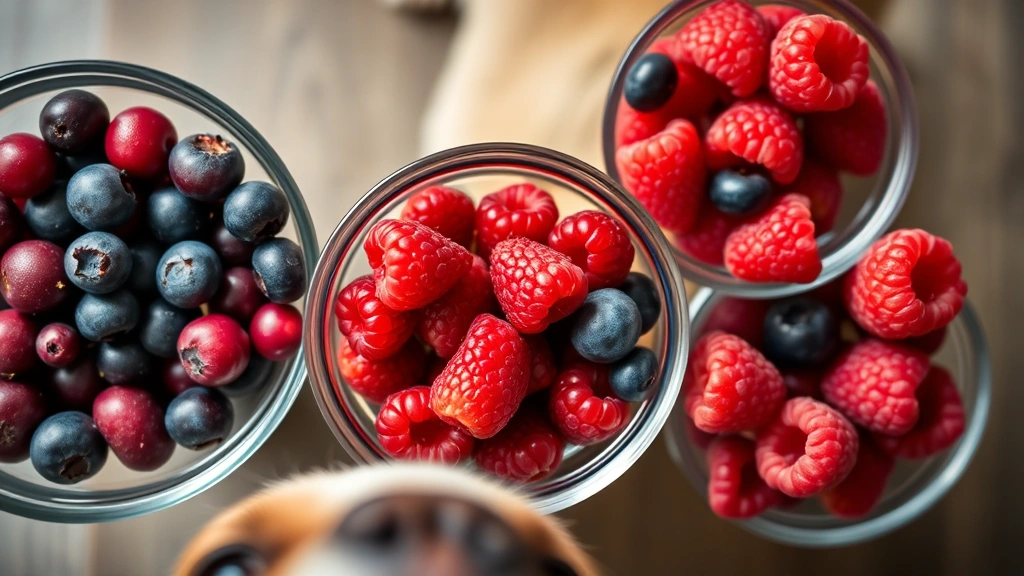
Fresh Cranberries: Plain, fresh cranberries are the safest option. Wash them thoroughly under running water to remove any pesticides or debris. You can offer them whole, though some dogs might find them too tart and spit them out. If your dog tolerates them, fresh cranberries are an excellent low-calorie treat.
Frozen Cranberries: Frozen cranberries can be a refreshing treat, especially during warm months. They’re essentially the same as fresh but with a different texture that some dogs enjoy. The freezing process doesn’t diminish their nutritional value significantly.
Cooked Cranberries: Cooking cranberries can make them slightly less tart and easier to digest. You can cook them plain without added sugar or spices. Never add sugar, artificial sweeteners (particularly xylitol, which is toxic to dogs), cinnamon, or other seasonings.
Cranberry Juice: While pure cranberry juice isn’t toxic, it’s highly concentrated and acidic. Most commercial cranberry juice products contain added sugars, making them unsuitable for dogs. If you want to offer cranberry juice, dilute it significantly with water, and only offer small amounts occasionally.
Dried Cranberries: Avoid dried cranberries intended for human consumption, as they typically contain added sugars and sometimes contain raisins, which are toxic to dogs. Some commercial dog treats use cranberry powder instead, which is a safer alternative.
Recommended Portion Sizes
Determining the right amount of cranberries for your dog depends on several factors, including their size, age, and overall health status. The general rule for treats is that they should comprise no more than 10% of your dog’s daily caloric intake.
Small Dogs (Under 25 lbs): Limit cranberries to 2-4 whole berries per day. This small portion ensures they’re getting the potential benefits without overwhelming their digestive system.
Medium Dogs (25-50 lbs): Medium-sized dogs can handle 5-10 cranberries daily as an occasional treat. Space them out rather than offering them all at once.
Large Dogs (Over 50 lbs): Larger dogs can safely consume up to 15 cranberries daily, though this should still be an occasional treat rather than a daily habit.
Remember that these portions assume your dog is otherwise healthy. If your dog has existing health conditions, especially those related to digestion or urinary health, consult your veterinarian before introducing cranberries.
When introducing any new food, including cranberries, start with a very small amount and observe your dog for 24-48 hours. Watch for any signs of digestive upset, vomiting, or changes in bathroom habits. If your dog tolerates the small amount well, you can gradually increase to the recommended portion.
Potential Health Concerns
While cranberries are generally safe, there are several scenarios where caution is warranted.
Digestive Sensitivity: The high acidity of cranberries can trigger digestive upset in dogs with sensitive stomachs. Signs include vomiting, diarrhea, or abdominal discomfort. If your dog experiences these symptoms, discontinue cranberries and consult your vet.
Sugar Content: Fresh cranberries are relatively low in sugar, but processed cranberry products often contain significant added sugars. Always check labels and avoid anything with artificial sweeteners, especially xylitol. According to the ASPCA, xylitol is highly toxic to dogs and can cause severe hypoglycemia and liver damage.
Urinary Issues: While cranberries are often recommended for urinary health, the acidity can sometimes irritate dogs with existing urinary tract problems. Dogs with a history of kidney stones or certain urinary conditions may need to avoid cranberries. Consult your veterinarian if your dog has had urinary issues.
Medication Interactions: Cranberries can interact with certain medications, particularly blood thinners. If your dog is on any medications, discuss cranberry introduction with your vet first.
Choking Hazard: Whole cranberries could potentially pose a choking hazard for very small dogs or those who don’t chew thoroughly. Consider cutting larger berries in half for tiny breeds.
Comparing Cranberries to Other Berries
If you’re exploring berry options for your dog, it’s helpful to understand how cranberries stack up against other options. Dogs can have cranberries in moderation, but let’s see how they compare.
Blueberries: Blueberries are often considered the gold standard of dog-safe berries. They’re sweeter than cranberries, less acidic, and packed with antioxidants. Most dogs enjoy them more readily than cranberries. If you’re wondering about processed versions, blueberry muffins aren’t ideal for dogs due to added sugars and other ingredients.
Raspberries: Raspberries offer similar nutritional benefits to cranberries, with a sweeter taste that most dogs prefer. They’re also safe when given in moderation, though they contain small amounts of naturally occurring xylitol (not enough to cause harm in normal quantities).
Blackberries: Blackberries are another excellent berry option that dogs generally tolerate well. They offer antioxidants and fiber similar to cranberries but with better palatability.
Strawberries: These berries are safe for dogs and tend to be more appealing due to their natural sweetness. They’re lower in acid than cranberries and easier on sensitive stomachs.
The key difference is that cranberries are uniquely beneficial for urinary tract health, making them particularly valuable for dogs prone to UTIs. However, for general nutrition and treat purposes, sweeter berries might be better received by your pup.
Commercial Cranberry Products for Dogs
The pet industry has capitalized on cranberries’ reputation for urinary health, resulting in numerous commercial products designed specifically for dogs. Understanding these options helps you make informed choices.
Cranberry Supplements: These concentrated formulas contain cranberry extract, often combined with other ingredients like D-mannose or probiotics. They’re specifically designed for dogs with urinary tract health concerns. Quality varies significantly between brands, so look for products from reputable manufacturers and check for third-party testing.
Cranberry-Infused Dog Foods: Some premium dog food brands incorporate cranberry into their formulas. These provide a more diluted amount of cranberry than supplements but offer consistent dosing with regular meals.
Cranberry Treats: Commercial dog treats featuring cranberry are available in various forms. Always read ingredient lists carefully, as many contain excessive sugars or other additives. Look for treats with minimal ingredients and no artificial sweeteners.
Cranberry Powder: Pure cranberry powder can be sprinkled on your dog’s regular food. This gives you control over portions and allows you to monitor your dog’s response. Ensure the powder contains no added ingredients.
According to Veterinary Partner, when choosing any cranberry product for your dog, quality and purity are paramount. Look for products that have been tested for contaminants and follow good manufacturing practices.
Before starting any commercial cranberry product, especially supplements, consult your veterinarian. They can recommend products appropriate for your dog’s specific health needs and ensure there won’t be interactions with existing medications or conditions.
Frequently Asked Questions
Can puppies eat cranberries?
Puppies have more sensitive digestive systems than adult dogs. While cranberries aren’t toxic to puppies, it’s best to wait until your puppy is at least six months old before introducing them. Even then, start with very small amounts. Always consult your puppy’s veterinarian before introducing new foods.
Are dried cranberries safe for dogs?
Dried cranberries intended for human consumption are generally not recommended due to added sugars. However, plain dried cranberries with no added ingredients are technically safe in very small amounts. Commercial dog treats made with cranberry powder are a safer alternative to human dried cranberries.
Can dogs with kidney disease eat cranberries?
Dogs with kidney disease have specific dietary requirements, and the acidity of cranberries can be problematic. Always consult your veterinarian before offering any new foods to a dog with kidney disease or other chronic health conditions.
How do I know if my dog has a urinary tract infection?
Signs of UTIs in dogs include frequent urination, difficulty urinating, blood in urine, and strong-smelling urine. If you suspect your dog has a UTI, contact your veterinarian immediately. While cranberries may help prevent UTIs, they’re not a substitute for veterinary treatment of existing infections.
Can I give my dog cranberry juice?
Pure, unsweetened cranberry juice is technically safe in very small, diluted amounts, but it’s not ideal for dogs. The high acidity and concentration of compounds can upset their stomachs. Most commercial cranberry juice contains added sugars, making it unsuitable for dogs. If you want to offer cranberry benefits, whole berries or veterinary-approved supplements are better options.
What should I do if my dog eats a large amount of cranberries?
If your dog accidentally consumes a large quantity of fresh cranberries, monitor them for signs of digestive upset such as vomiting or diarrhea. In most cases, this will resolve on its own. However, if your dog consumed cranberry products containing xylitol or other additives, or if they show severe symptoms, contact your veterinarian or ASPCA Animal Poison Control immediately.
Are there any dog breeds that shouldn’t eat cranberries?
Cranberries aren’t dangerous for any particular breed, but dogs with breed-specific health conditions should avoid them. For example, breeds prone to kidney issues or digestive problems might need to skip cranberries. Your veterinarian can advise based on your individual dog’s health profile.
Can cranberries help prevent dog UTIs?
Research suggests that cranberries may help prevent urinary tract infections by preventing bacteria from adhering to urinary tract walls. However, they’re not a guaranteed prevention method and shouldn’t replace veterinary care if your dog develops a UTI. Discuss with your veterinarian whether cranberry supplements are appropriate for your dog’s specific situation.
How do cranberries compare to other fruits for dogs?
Cranberries are unique due to their specific benefits for urinary health. However, other fruits like apples (without seeds), bananas, and watermelon are often more palatable and equally safe. The best fruit for your dog depends on their individual preferences and health needs.
Should I give my dog fresh or frozen cranberries?
Both fresh and frozen cranberries are safe and offer similar nutritional benefits. Some dogs prefer the texture of frozen berries, especially during warm weather. Choose based on your dog’s preference and what’s most convenient for you. Ensure frozen berries are thawed before serving to very small dogs to prevent choking hazards.





