

Are Mothballs Toxic to Dogs? A Comprehensive Safety Guide
If you’ve ever opened a storage closet and caught a whiff of that distinctive mothball smell, you know it’s pungent enough to make your eyes water. But have you ever stopped to wonder what that smell means for your furry best friend? The truth is, mothballs pose a serious threat to dogs, and many pet parents don’t realize just how dangerous these little white spheres can be. Whether your pup has a curious nose or you’re simply concerned about accidental exposure, understanding the risks is crucial for keeping your four-legged companion safe.
Every year, veterinarians treat countless cases of dog poisoning from household items that owners assumed were harmless. Mothballs consistently rank among the most common culprits, yet they remain readily available in most homes. The problem isn’t just that they’re toxic—it’s that dogs find them oddly appealing, and the symptoms of mothball poisoning can be subtle at first, leading many owners to delay seeking help. In this guide, we’ll break down everything you need to know about mothball toxicity, what to watch for, and most importantly, how to protect your beloved pet.
The stakes are high, but the good news is that with proper knowledge and precautions, you can keep your home safe for your dog while still protecting your clothing and belongings from moths and other pests.
What Are Mothballs and How Do They Work?
Mothballs are small, solid pesticide products designed to protect clothing and fabrics from moth larvae and other insects. They come in two primary formulations: those containing naphthalene and those containing paradichlorobenzene (PDB). Both types work by releasing toxic fumes that kill insects, but the mechanism is important to understand when considering your dog’s safety.
Traditional mothballs made from naphthalene have been used for over a century. They’re typically white or off-white in color and have that characteristic strong smell many of us recognize. Paradichlorobenzene mothballs are a newer alternative that was introduced to address some of naphthalene’s health concerns, but they’re not without their own risks. Some products are also made with camphor, which is yet another toxic substance for dogs.
The reason these products work is that they sublimate—meaning they transform directly from a solid into a gas without becoming a liquid first. This gaseous state is what creates that pungent odor and what kills insects. Unfortunately, the same chemical properties that make them effective pest deterrents make them dangerous when ingested by dogs. The volatility of these chemicals means they’re readily absorbed through your dog’s digestive system, and they can cause serious harm quickly.
Why Are Mothballs Toxic to Dogs?
Understanding the toxicity mechanism helps explain why mothballs are so dangerous for your canine companion. When a dog ingests a mothball, the toxic compounds are rapidly absorbed through the gastrointestinal tract and distributed throughout the body, particularly affecting the liver, kidneys, and nervous system.
Naphthalene toxicity primarily affects red blood cells, causing hemolysis (the breakdown of red blood cells). This leads to hemolytic anemia, where your dog’s body destroys its own blood cells faster than it can replace them. Additionally, naphthalene is metabolized in the liver and can cause direct hepatic damage. The nervous system effects can be equally concerning, potentially leading to seizures and neurological complications.
Paradichlorobenzene, while sometimes marketed as a safer alternative, still poses significant risks. This compound can cause gastrointestinal irritation, central nervous system depression, and liver damage. In some cases, it may be slightly less acutely toxic than naphthalene, but it’s certainly not safe for dogs.
The toxins that cause seizures in dogs often work by disrupting normal neurological function, and mothball compounds are no exception. The severity of toxicity depends on several factors including the type of mothball, the amount ingested, your dog’s size and age, and your dog’s overall health status. Puppies, senior dogs, and those with pre-existing liver or kidney disease are at higher risk for severe complications.

Symptoms of Mothball Poisoning in Dogs
Recognizing the signs of mothball poisoning is critical because early intervention can mean the difference between a full recovery and serious complications. The symptoms can appear within hours of ingestion or may develop more gradually depending on the amount consumed.
Gastrointestinal symptoms are often the first to appear and may include:
- Vomiting and retching
- Diarrhea or constipation
- Loss of appetite
- Abdominal pain or discomfort
- Excessive drooling
If your dog is experiencing constipation, this could be a sign of mothball ingestion, especially if it occurs suddenly alongside other symptoms.
Systemic and neurological symptoms may follow and can include:
- Lethargy and weakness
- Tremors or muscle twitching
- Seizures (in severe cases)
- Difficulty breathing
- Pale gums indicating anemia
- Jaundice (yellowing of the skin and eyes)
- Dark-colored urine
- Fever
Some dogs may also exhibit behavioral changes such as restlessness, anxiety, or disorientation. The onset and severity of symptoms depend largely on how much of the mothball was ingested and the dog’s individual sensitivity to the toxins.
It’s important to note that even if symptoms seem mild, mothball ingestion should never be ignored. Internal damage can be occurring even when external signs are subtle. This is why consulting a veterinarian immediately is crucial whenever you suspect your dog has eaten a mothball.
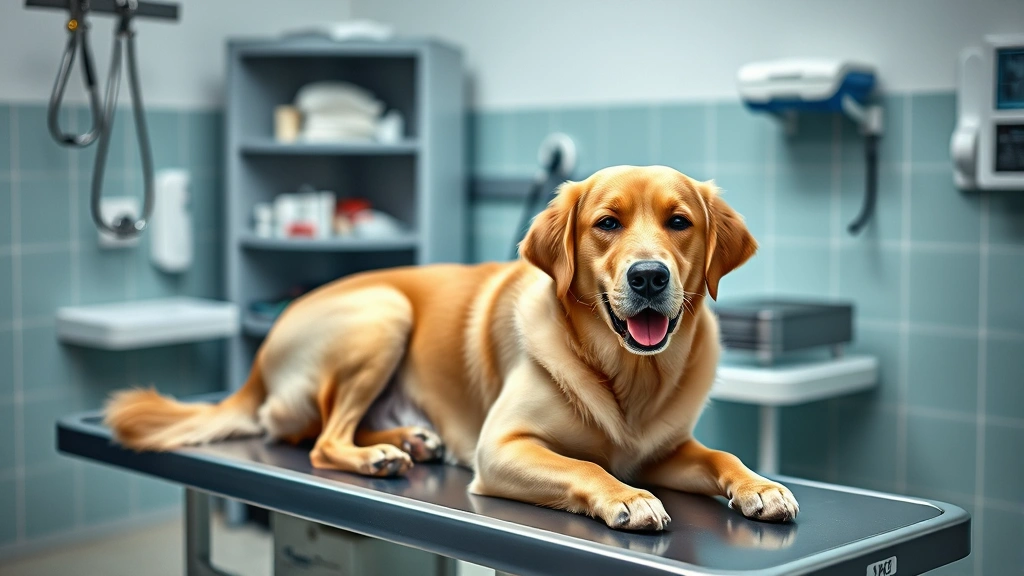
What to Do If Your Dog Eats a Mothball
If you suspect or know that your dog has ingested a mothball, time is of the essence. Your immediate actions could significantly impact your dog’s recovery.
Step 1: Stay Calm and Act Quickly
Panic won’t help your dog, but swift action will. Take a deep breath and focus on getting your dog appropriate medical care as soon as possible.
Step 2: Contact Your Veterinarian or Emergency Clinic
Call your vet right away, even if symptoms haven’t appeared yet. If it’s after hours, contact an emergency veterinary clinic. Have the following information ready: the type of mothball (if you know it), approximately how much was ingested, when it was ingested, and your dog’s age, weight, and medical history.
Step 3: Do NOT Induce Vomiting Without Veterinary Guidance
While inducing vomiting is sometimes appropriate for certain ingestions, it’s not always the best approach for mothballs. Your vet will determine whether this is necessary based on the time elapsed and other factors. Inducing vomiting too late can cause additional damage as the material comes back up.
Step 4: Provide Supportive Care at Home
Follow your veterinarian’s instructions precisely. This may include:
- Withholding food and water for a period of time
- Administering activated charcoal if recommended
- Providing supportive fluids
- Monitoring your dog closely for changes in condition
Understanding what household items can kill a dog instantly reinforces how serious this situation is. Your vet may recommend hospitalization for observation and treatment, which could include IV fluids, blood transfusions if severe anemia develops, or medications to manage symptoms.
Step 5: Follow-Up Care
Even after initial treatment, your dog may need follow-up veterinary visits and blood work to ensure full recovery. Liver and kidney damage can take time to manifest, so don’t skip these appointments.
Prevention Strategies for Dog Owners
The best medicine is prevention. Keeping mothballs away from your dog is far easier and less expensive than treating poisoning.
Storage and Placement
- Keep mothballs in sealed containers that are stored in areas completely inaccessible to your dog. High shelves, locked cabinets, or rooms your dog cannot enter are ideal.
- Never leave mothballs loose in drawers or closets where curious dogs might find them.
- Be especially vigilant during seasonal changes when you’re pulling out storage boxes and retrieving winter or summer clothing.
- Store mothballs in their original containers rather than transferring them to other containers where labels might be lost.
Supervision and Training
- Supervise your dog when visiting homes or locations where mothballs might be present, such as relatives’ houses or storage facilities.
- Train your dog not to eat unknown objects through “leave it” and “drop it” commands.
- Use baby gates or closed doors to restrict your dog’s access to rooms where mothballs are stored.
Home Inspection
- Do a thorough walk-through of your home and identify any areas where mothballs might be present.
- Check closets, attics, basements, and storage areas carefully.
- Ask about mothball use before boarding your dog at kennels or leaving them with pet sitters.
Safe Alternatives to Mothballs
The good news is that you have several effective alternatives to traditional mothballs that won’t put your dog at risk. These options can protect your clothing and belongings without the toxicity concerns.
Natural Options
- Cedar blocks and cedar oil are natural insect repellents that are much safer for dogs. Cedar has been used for centuries to repel moths and other insects.
- Lavender sachets provide a pleasant scent while deterring moths. Many dogs find the smell pleasant too.
- Dried herbs like rosemary and thyme can be placed in storage areas and are non-toxic to dogs.
- Bay leaves are another natural option that repels insects without harmful chemicals.
Modern Alternatives
- Silica gel packets can help control moisture, which moths prefer, without being toxic.
- Vacuum-sealed storage bags physically prevent moth access to clothing without any chemical treatments.
- Temperature-controlled storage in freezers or heated areas can inhibit moth reproduction.
- Regular inspection and cleaning of stored items prevents moth infestations from starting.
Professional Pest Control
If you’re dealing with a serious moth infestation, professional pest control services can offer targeted solutions that don’t involve traditional mothballs. Discuss your dog’s safety with the pest control company before treatment.
Many pet owners find that combining several of these methods—such as cedar blocks plus vacuum-sealed storage—provides excellent protection while keeping their dogs completely safe. The investment in these alternatives is minimal compared to potential veterinary bills from mothball poisoning.
Frequently Asked Questions
How much of a mothball does it take to poison a dog?
The toxic dose varies depending on the type of mothball, your dog’s size, age, and health status. Generally, ingestion of even a small portion of a mothball can cause symptoms. Naphthalene mothballs may cause toxicity at doses as low as 20-200 mg/kg of body weight, while paradichlorobenzene toxicity typically occurs at higher doses. However, because the exact composition of any given mothball can vary, and because individual dogs have different sensitivities, it’s best to treat any ingestion as a potential emergency. A 10-pound dog ingesting even half a mothball could potentially experience serious effects.
What should I do if my dog ate a mothball but seems fine?
Even if your dog appears completely normal, you should still contact your veterinarian immediately. Symptoms of mothball poisoning can be delayed, sometimes appearing 12-24 hours after ingestion. Internal damage to organs may be occurring even without visible symptoms. Your vet can perform blood work and provide supportive care if needed. It’s always better to err on the side of caution with potential toxin ingestions.
Are some mothballs safer than others for dogs?
No mothball formulation is truly safe for dogs. While paradichlorobenzene mothballs are sometimes considered slightly less toxic than naphthalene varieties, they still pose significant risks. Camphor-based mothballs are equally dangerous. The safest approach is to avoid all traditional mothballs entirely and opt for the natural or modern alternatives discussed in this article.
Can mothball poisoning be fatal?
Yes, mothball poisoning can be fatal in severe cases, particularly if large amounts are ingested or if treatment is delayed. Death typically results from severe hemolytic anemia, liver failure, or seizures. However, with prompt veterinary intervention, most dogs recover well. The key is recognizing the danger and seeking help immediately.
How is mothball poisoning treated?
Treatment depends on the severity of poisoning and may include: inducing vomiting (if appropriate and done soon after ingestion), administering activated charcoal to absorb toxins, providing IV fluids for hydration and kidney support, blood transfusions if severe anemia develops, medications to manage symptoms like seizures, and supportive care during recovery. Your dog may need to stay at the veterinary clinic for observation and treatment. The ASPCA Animal Poison Control Center can provide guidance to your veterinarian if needed.
How long does it take for a dog to recover from mothball poisoning?
Recovery time varies based on the amount ingested and the severity of the poisoning. Mild cases may show improvement within 24-48 hours with appropriate treatment. More severe cases may require weeks of recovery, including multiple veterinary visits and blood work to monitor organ function. Some dogs may experience long-term effects if significant organ damage occurred. Your veterinarian will provide a more specific timeline based on your dog’s individual situation.
Can I use mothballs if I keep them in a separate room?
While keeping mothballs in a separate room reduces the risk compared to storing them in your main living areas, it’s not foolproof. Determined dogs can sometimes access closed-off rooms, and the fumes from mothballs can travel through your home. Additionally, if you forget to close a door or a guest leaves it open, your dog could access the room. For maximum safety, it’s best to avoid mothballs altogether and use safer alternatives instead.
Should I be concerned about mothball fumes affecting my dog?
While ingestion is the primary concern, prolonged exposure to mothball fumes in poorly ventilated spaces could theoretically cause respiratory irritation or other issues in sensitive dogs. However, the main danger comes from direct ingestion. That said, ensuring good ventilation and avoiding storing mothballs in areas where your dog spends significant time is wise practice.





