
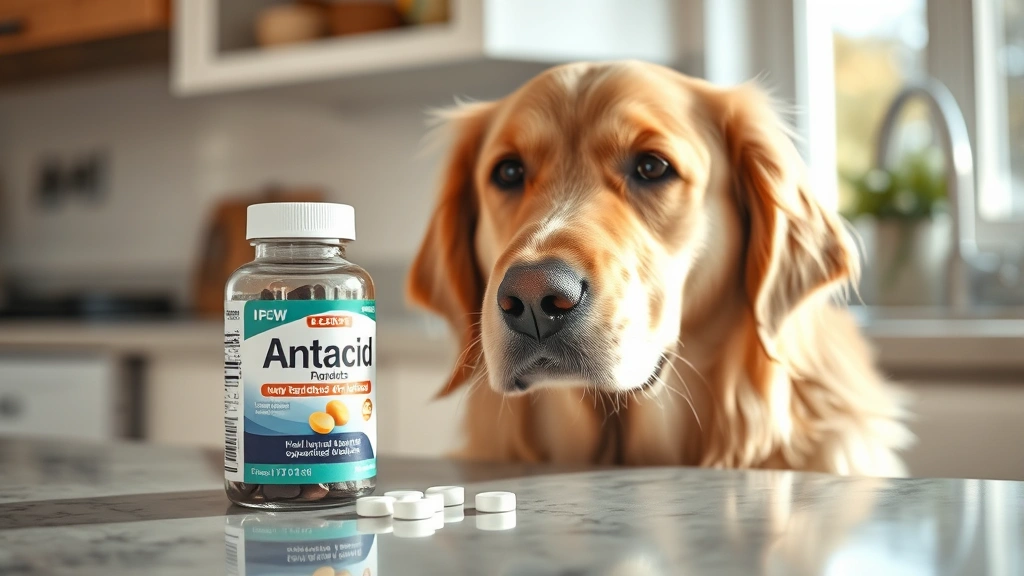
Can a Dog Eat Tums? What Vets Recommend
Your furry best friend is acting uncomfortable, pawing at their belly, and you’re standing in your kitchen wondering if that bottle of Tums on the shelf could help. It’s a question many dog parents have asked themselves: can a dog eat Tums? The answer isn’t as straightforward as you might hope, and it’s definitely something worth exploring before you give your pup any over-the-counter medication.
As a responsible pet owner, you want to do what’s best for your four-legged companion, especially when they’re experiencing digestive distress. But here’s the thing—what works for human tummies doesn’t always work the same way for dogs. In fact, some antacids can actually cause more problems than they solve for our canine friends.
In this guide, we’re diving deep into what veterinarians actually recommend when it comes to Tums and dogs. We’ll explore the active ingredients, potential risks, safer alternatives, and when you should definitely call your vet instead of reaching for the medicine cabinet.
What Are Tums and How Do They Work?
Tums are over-the-counter antacids that have been around since 1930, and they’re one of the most commonly used digestive aids in American households. These chalky tablets work by neutralizing stomach acid, providing quick relief from heartburn, indigestion, and upset stomachs in humans. The appeal is obvious—they’re affordable, accessible, and they work fast.
The primary active ingredient in most Tums products is calcium carbonate, which is an alkaline compound. When you take a Tums tablet, the calcium carbonate reacts with the hydrochloric acid in your stomach, neutralizing it and reducing that uncomfortable burning sensation. It’s basic chemistry, literally.
But here’s where things get interesting: while this mechanism is well-understood in human physiology, dogs have a completely different digestive system. Their stomach acid is much stronger than ours, and their digestive process works in fundamentally different ways. This is why we can’t just assume that what’s safe for humans is safe for dogs.
Can Dogs Safely Eat Tums?
The short answer? It’s complicated, and most vets recommend avoiding Tums for dogs. While Tums aren’t technically toxic to dogs in small quantities, they’re not recommended as a treatment for canine digestive issues. The reason comes down to both effectiveness and potential side effects.
According to the ASPCA’s guidelines on pet medications, antacids designed for humans aren’t ideal for dogs because they don’t address the underlying causes of digestive distress. Dogs experience stomach upset for different reasons than humans do, and the treatment should reflect those differences.
One tablet of Tums accidentally ingested by your dog probably won’t cause a veterinary emergency. However, giving Tums to your dog intentionally or regularly is a different story. Veterinarians universally recommend exploring other options first, and for good reason.

Active Ingredients and Their Effects on Dogs
To understand why Tums might not be the best choice for your dog, let’s break down what’s actually in these tablets and how they affect canine bodies.
Calcium Carbonate: The main active ingredient in most Tums, calcium carbonate, can actually interfere with your dog’s ability to absorb certain nutrients. While dogs do need calcium, getting it from an antacid isn’t the ideal way to provide it. Additionally, excessive calcium intake can lead to problems, especially in growing puppies.
Other Additives: Many Tums formulations contain additional ingredients like sorbitol, artificial sweeteners, or flavorings. Some of these can be problematic for dogs. For example, xylitol—an artificial sweetener found in some sugar-free Tums products—is toxic to dogs and can cause serious health issues including liver failure and hypoglycemia.
Magnesium and Aluminum: Some antacid formulations contain magnesium hydroxide or aluminum hydroxide. In dogs, these can cause diarrhea or constipation, depending on which ingredient is present. This creates a catch-22 situation: you’re giving medication to help with digestive upset, but it might actually make things worse.
When you’re considering what you can give a dog for upset stomach, it’s important to understand how different treatments interact with your dog’s unique physiology. What works as a quick fix for humans doesn’t necessarily translate well to our four-legged friends.
Potential Risks and Side Effects
Even though a single Tums tablet won’t likely cause serious harm, there are several reasons why veterinarians caution against using antacids for dogs on a regular basis.
Nutrient Absorption Issues: Stomach acid, while uncomfortable for us when there’s too much of it, actually serves an important purpose in dogs. It helps them digest food and absorb essential nutrients. By neutralizing this acid, Tums can interfere with your dog’s ability to properly process food, leading to nutrient deficiencies over time.
Masking Underlying Conditions: Digestive upset in dogs is often a symptom of something else. It could be a food sensitivity, an infection, parasites, or even something more serious. By giving your dog an antacid, you’re treating the symptom while potentially allowing the underlying condition to worsen. This is why understanding why your dog is throwing up is so important before you try to treat it.
Electrolyte Imbalances: In some cases, antacids can affect your dog’s electrolyte balance, which can have cascading effects on their overall health and organ function.
Allergic Reactions: While rare, some dogs may have sensitivities to the ingredients in Tums, leading to allergic reactions.
Toxicity Concerns: As mentioned earlier, sugar-free versions of some antacids contain xylitol, which is extremely toxic to dogs. Always check the label before even considering giving your dog any medication.

Safer Alternatives for Dog Digestive Issues
So if Tums aren’t the answer, what should you do when your dog has an upset stomach? Fortunately, there are several safer, more appropriate options that veterinarians actually recommend.
Bland Diet: One of the most effective and safest approaches is feeding your dog a bland diet for a few days. Plain boiled chicken, white rice, and plain pumpkin are all easy on the digestive system. This gives your dog’s stomach a chance to settle without any fancy medications.
Probiotics: Canine-specific probiotics can help restore healthy gut bacteria and improve digestive function. Unlike antacids, probiotics work with your dog’s natural digestive processes rather than against them. These are widely available and recommended by many veterinarians.
Digestive Enzymes: Supplements containing digestive enzymes can help your dog break down food more efficiently, reducing digestive upset. These are species-appropriate and work in harmony with your dog’s natural system.
Slippery Elm: This natural supplement can help soothe inflamed digestive tract lining and is considered safe for dogs when used appropriately.
Hydration: Sometimes simple hydration is the best medicine. Make sure your dog has access to fresh water and encourage them to drink, especially if they’re experiencing diarrhea.
If you’re looking for more comprehensive guidance, check out our article on what to feed a dog with diarrhea, which includes several safe, vet-approved options for managing digestive issues.
Over-the-Counter Medications: If you want to explore other OTC options, whether dogs can have Pepto-Bismol is another common question. While Pepto-Bismol has some limited use in veterinary medicine, it also comes with caveats and shouldn’t be given without veterinary guidance.
Another medication people often wonder about is whether dogs can have Imodium. Like other human medications, this requires careful consideration and veterinary approval before use.
If your dog is experiencing chronic or severe diarrhea, our guide on how to stop dog diarrhea provides evidence-based strategies that are actually recommended by veterinary professionals.
When to Call Your Veterinarian
While mild digestive upset is usually nothing to worry about, there are definitely times when you should skip the home remedies and head straight to your vet.
Call your vet if your dog:
- Has been vomiting or experiencing diarrhea for more than 24-48 hours
- Shows signs of severe abdominal pain (whining, restlessness, hunched posture)
- Has bloody vomit or stool
- Appears lethargic or won’t eat for extended periods
- Is a puppy or senior dog with digestive issues (they’re more vulnerable)
- Has a history of dietary sensitivities or medical conditions
- Accidentally ingested something toxic or unknown
Your veterinarian can perform proper diagnostics to determine what’s actually causing your dog’s digestive distress. They might recommend specific medications, dietary changes, or further testing. According to the American Animal Hospital Association, proper diagnosis is essential before starting any treatment regimen for digestive issues in dogs.
What to Tell Your Vet: When you call or visit your veterinarian, be prepared to provide details about your dog’s symptoms, including when they started, what they’ve eaten recently, any changes in routine, and any other symptoms you’ve noticed. This information helps your vet make an accurate diagnosis.
Remember, your veterinarian is your best resource when it comes to your dog’s health. They know your dog’s medical history and can provide personalized recommendations based on your individual pet’s needs. Don’t hesitate to call with questions—that’s what they’re there for.
Frequently Asked Questions
Is it ever okay to give a dog Tums?
In emergency situations where your dog has accidentally ingested Tums, one or two tablets typically won’t cause serious harm. However, intentionally giving your dog Tums is not recommended by veterinarians. There are safer, more effective alternatives available that won’t interfere with your dog’s natural digestive processes.
What if my dog ate Tums by accident?
If your dog got into your Tums bottle, don’t panic. A small amount is unlikely to cause serious problems. However, you should monitor your dog for any unusual symptoms over the next few hours. If your dog ate a large quantity or if the Tums contained xylitol (check the label), contact your veterinarian or the ASPCA Animal Poison Control Center immediately.
Can I give my dog antacids other than Tums?
Generally, human antacids are not recommended for dogs. While some veterinarians might recommend specific medications in specific situations, this should only be done under veterinary guidance. Over-the-counter antacids designed for humans are not formulated with dogs’ unique physiology in mind.
How long should I wait before calling the vet about digestive issues?
If your dog has mild digestive upset and seems otherwise normal, you can typically wait 24-48 hours while trying home remedies like a bland diet. However, if symptoms persist beyond 48 hours, worsen, or if your dog seems seriously uncomfortable, contact your vet sooner. For puppies, senior dogs, or dogs with existing health conditions, it’s better to err on the side of caution and call earlier.
Are there any natural antacids that are safe for dogs?
Yes! Slippery elm, bone broth, plain pumpkin, and probiotics are all natural options that can support digestive health. However, even with natural remedies, it’s best to consult with your veterinarian before starting any new supplement or treatment, especially if your dog is on other medications.
What’s the difference between acid reflux in dogs and humans?
While both dogs and humans can experience acid reflux, it’s actually quite rare in dogs. Dogs’ digestive systems are designed to handle strong stomach acid, and acid reflux usually indicates an underlying problem rather than being a standalone condition. This is another reason why treating your dog’s digestive upset with human antacids isn’t appropriate—you might be missing the real issue.
Can certain dog foods help prevent digestive upset?
Absolutely! High-quality dog foods with appropriate protein levels, good digestibility, and minimal fillers can significantly reduce digestive issues. Some dogs also benefit from limited ingredient diets if they have sensitivities. Your veterinarian can recommend specific food options based on your dog’s individual needs.
Is digestive upset common in puppies?
Yes, puppies often experience digestive upset as their systems are still developing. However, this is also why it’s especially important to avoid giving puppies human medications like Tums. If your puppy is having digestive issues, contact your vet right away to rule out parasites, infections, or other serious conditions.





