

Can Dogs Get COVID-19? What Experts Say
Remember when we all thought COVID-19 was exclusively a human problem? Yeah, that ship sailed faster than a greyhound chasing a tennis ball. As the pandemic unfolded, pet parents everywhere started asking the same nervous question: “Can my dog catch COVID-19?” It’s a legitimate concern, especially when your furry best friend is your constant shadow and snuggle buddy. The good news? We’ve got answers from the experts, and they might surprise you.
The relationship between our canine companions and coronavirus has been one of the most researched topics in veterinary medicine over the past few years. Scientists worldwide have worked tirelessly to understand whether our dogs can contract SARS-CoV-2, how serious it would be if they did, and what we should do about it. The evidence-based findings are reassuring, though not quite as straightforward as a simple yes or no.
If you’ve been worried sick about your pup’s health during this pandemic, take a deep breath. We’re about to break down everything you need to know about COVID-19 and dogs, backed by the latest research and expert opinion.
Can Dogs Actually Get COVID-19?
Here’s the straight answer: yes, dogs can get COVID-19, but it’s relatively rare and usually not serious. According to the American Kennel Club, confirmed cases of COVID-19 in dogs exist, though they represent a tiny fraction of infections compared to humans. The ASPCA has documented numerous cases where dogs tested positive for SARS-CoV-2, typically after close contact with infected humans.
The virus that causes COVID-19 can attach to receptors in a dog’s respiratory system, making infection theoretically possible. However, dogs appear to be far less susceptible to the virus than humans and cats. Research published in veterinary journals suggests that while dogs can contract the virus, their immune systems often handle it remarkably well.
What makes this particularly interesting is that dogs rarely spread the virus to other dogs or to humans. The CDC and major veterinary organizations have consistently stated that the risk of dogs transmitting COVID-19 is minimal. This is fantastic news for multi-dog households and dog parks everywhere.
How COVID-19 Transmission Works in Dogs
Understanding transmission is key to keeping your pup safe. Dogs primarily contract COVID-19 from infected humans through respiratory droplets. Think of it like this: if an infected person coughs or sneezes near your dog’s face, that’s how transmission typically occurs. Your dog can’t catch it from surfaces as easily as once feared, though the virus can linger on fur for a short time.
Interestingly, dogs have fewer ACE2 receptors (the cellular entry points the virus uses) compared to humans and cats. This biological difference is why dogs seem to be naturally more resistant to infection. It’s one of nature’s happy accidents that works in our favor.
Close contact is the primary risk factor. If you’re infected with COVID-19 and your dog is constantly by your side—sleeping in your bed, licking your face, sharing your personal space—the risk increases. However, even in these scenarios, infection rates remain low. The CDC notes that pet infection is uncommon, and serious illness in pets is even rarer.
Symptoms and Signs to Watch For
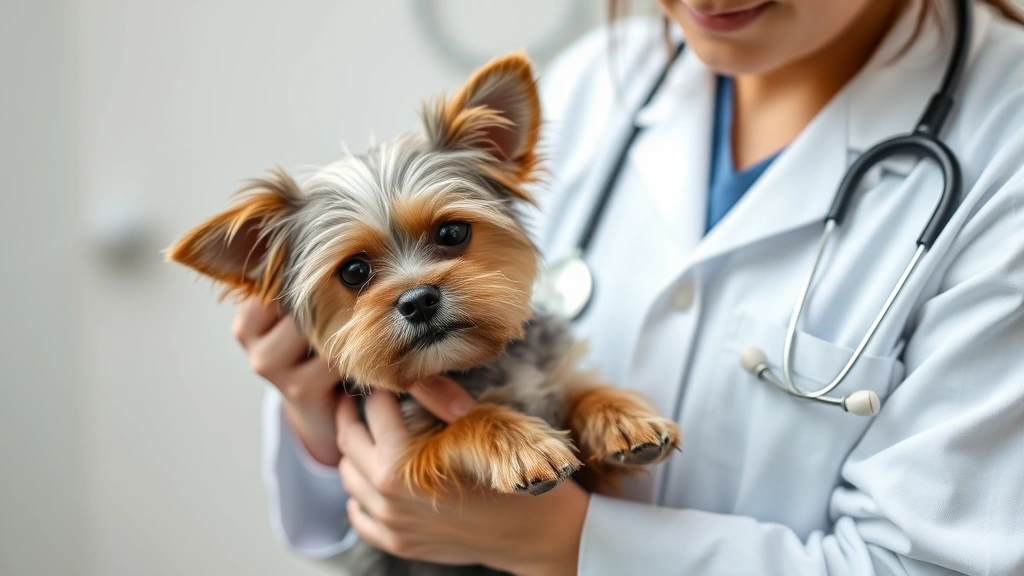
If your dog does contract COVID-19, what would you actually notice? Most infected dogs show mild or no symptoms at all. When symptoms do appear, they’re usually respiratory in nature and similar to other canine illnesses you might encounter.
Common signs of COVID-19 in dogs include:
- Mild cough (often described as a dry or soft cough)
- Sneezing or nasal discharge
- Lethargy or decreased activity levels
- Loss of appetite
- Vomiting or diarrhea
- Fever (though this is less common)
Here’s the thing: these symptoms overlap significantly with other conditions dogs experience, including kennel cough and other respiratory infections. This is why it’s crucial to consult your veterinarian if your dog shows persistent respiratory symptoms. Your vet can help determine whether it’s COVID-19 or something else entirely.
The mild nature of COVID-19 in dogs is actually one of the best-kept secrets of the pandemic. While humans were dealing with severe pneumonia and hospitalization, dogs were mostly getting a mild cold-like illness, if anything at all. Most dogs recover completely within a week or two without any special treatment.
If you’re wondering about other viral illnesses, you might also want to know whether dogs can get the flu, which is another common respiratory concern for pet parents. Additionally, understanding whether dogs can catch human colds gives you perspective on the spectrum of respiratory diseases our pets face.
Severity and Outcomes
When we talk about severity, the news is overwhelmingly positive. The vast majority of dogs infected with COVID-19 experience mild illness or remain asymptomatic. Severe cases are exceptionally rare, and deaths from COVID-19 in dogs are extremely uncommon—far more uncommon than in humans.
Certain dogs might be at slightly higher risk for more severe illness:
- Senior dogs (age 10+) with underlying health conditions
- Immunocompromised dogs with existing illnesses
- Brachycephalic breeds (flat-faced dogs like Bulldogs and Pugs) due to pre-existing respiratory challenges
- Dogs with chronic respiratory disease or heart conditions
Even among these higher-risk groups, severe COVID-19 is uncommon. Most dogs recover fully within one to two weeks. There’s no evidence of long COVID in dogs the way some humans experience prolonged symptoms. Your dog’s natural resilience to this virus is genuinely remarkable.
Research from multiple veterinary institutions has shown that dogs’ immune systems handle SARS-CoV-2 remarkably well. They develop antibodies after infection and appear to have good immune memory, meaning reinfection is unlikely but possible.
How to Protect Your Dog
Prevention is always better than treatment, so let’s talk about practical steps to keep your dog safe. First, if you’re sick with COVID-19, practice the same precautions you’d use with your human family members:
- Maintain distance when possible, especially when coughing or sneezing
- Wash your hands before petting your dog
- Avoid face-to-face contact like kissing your pup’s nose or letting them lick your face
- Cover your mouth when coughing or sneezing around your dog
- Use separate items like towels and food bowls if possible
These aren’t extreme measures—they’re just common sense precautions that protect everyone in your household. The good news? They’re temporary. Once you’ve recovered, you can return to normal puppy snuggles without concern.
Beyond COVID-19 specifically, maintaining your dog’s overall health is the best defense against any illness. This includes ensuring your dog receives all necessary vaccinations and keeping up with regular veterinary checkups. A healthy immune system is your dog’s best weapon against any virus.
If you notice your dog is coughing, don’t panic immediately—but do contact your vet. They can help determine the cause and recommend appropriate treatment. Similarly, knowing how to tell if your dog has a fever helps you monitor their health more effectively during any illness.
Testing and Treatment Options
If you suspect your dog has COVID-19, your veterinarian can perform testing. The most common test is a nasal or oral swab that’s analyzed for the presence of SARS-CoV-2 genetic material. These tests are similar to those used for humans and are generally quick and non-invasive.
Here’s what you should know about testing:
- Testing availability has expanded significantly since 2020, though not all clinics offer it
- Results typically come back within 24-48 hours
- A positive test confirms infection but doesn’t change treatment significantly
- Testing is most useful if you need to isolate your dog from other pets or high-risk individuals
As for treatment, there’s no specific antiviral medication approved for COVID-19 in dogs. Instead, your vet will focus on supportive care, which might include:
- Rest and restricted activity
- Maintaining proper hydration
- Nutritious food (though appetite loss may occur temporarily)
- Monitoring for secondary infections
- Symptomatic treatment for cough if needed
This supportive care approach is highly effective because most dogs’ immune systems handle the virus well on their own. Your role is to keep your pup comfortable while their body does the heavy lifting.
For more detailed information about COVID-19 in pets, the World Organisation for Animal Health provides extensive resources and updates based on ongoing research.
Frequently Asked Questions
Can my dog spread COVID-19 to me?
The risk is extremely low. While dogs can contract and carry the virus, they rarely transmit it to humans. The virus is specifically adapted to human respiratory systems, and dogs’ role in transmission is negligible. You’re far more likely to catch COVID-19 from another human than from your dog.
Should I wear a mask around my dog if I have COVID-19?
A mask isn’t necessary specifically for your dog’s protection. Instead, focus on basic precautions like not coughing directly at your dog and maintaining some distance when possible. Standard respiratory etiquette (covering your mouth when coughing, washing hands) is sufficient.
Can I take my dog to the vet if I have COVID-19?
Contact your vet first to discuss your situation. Many veterinary clinics have protocols for this scenario. Some may offer curbside service, telemedicine consultations, or special arrangements. Your vet wants to help while keeping their staff and other pets safe.
Do dogs need a COVID-19 vaccine?
There is no COVID-19 vaccine approved for dogs in most countries. Research on canine vaccines is ongoing, but they’re not currently available or recommended. Focus instead on maintaining your dog’s regular vaccination schedule and overall health.
My dog tested positive for COVID-19. What should I do?
Most importantly, don’t panic. Follow your vet’s recommendations for home care and monitoring. Keep your dog comfortable, ensure they’re eating and drinking, and watch for any worsening symptoms. Most dogs recover without incident within 1-2 weeks. Isolate your dog from other pets if possible, though transmission between dogs is rare.
Can COVID-19 cause long-term health problems in dogs?
There’s no evidence of long-term health consequences from COVID-19 in dogs. Unlike some humans who experience prolonged symptoms, dogs appear to recover completely without lasting effects.
Is my senior dog at higher risk?
Senior dogs with existing health conditions may have a slightly elevated risk of more severe illness, but severe cases remain uncommon. Maintain regular vet checkups, keep your senior dog healthy, and practice standard precautions if you’re ill.





